





 Portuguese
  English
  Spanish
  7 min of reading
  0 comments


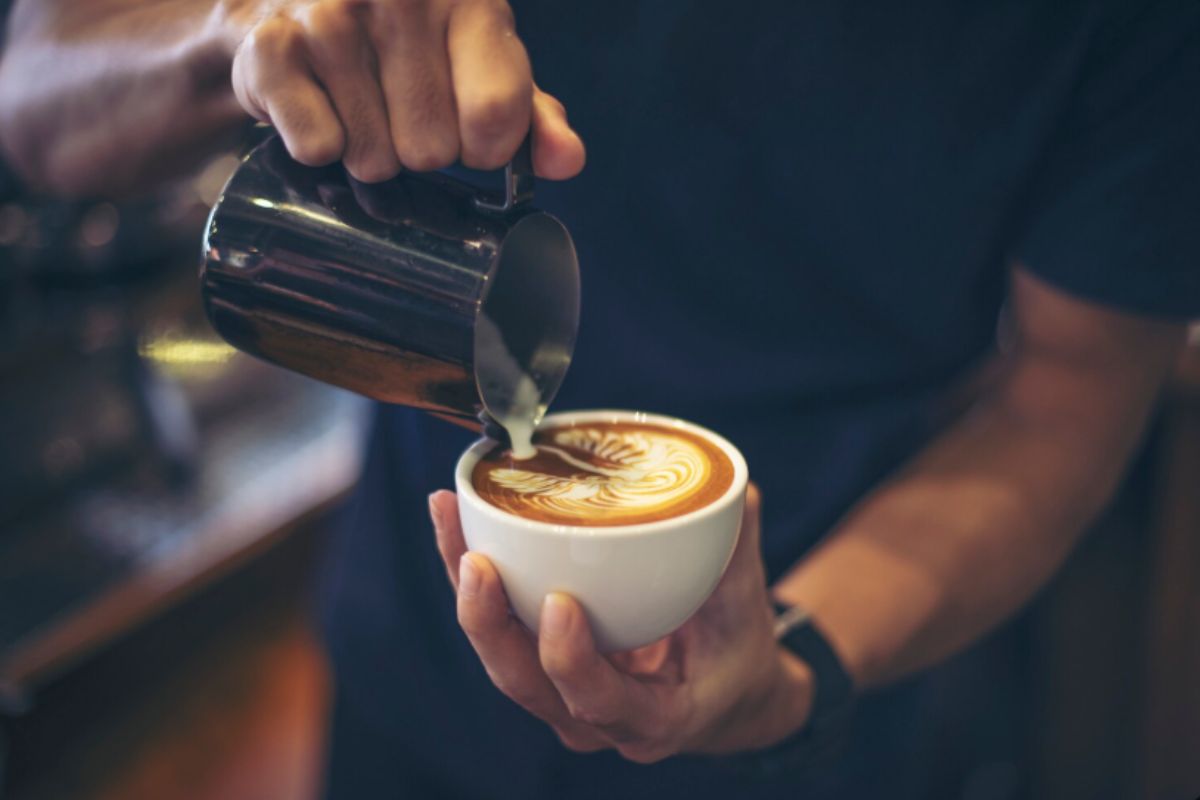
Coffee Is One of the Most Present Beverages in the Lives of Brazilians. Much More Than a Simple Source of Energy, It Carries Cultural, Emotional, and Social Meanings. It Is Found on Family Tables, During Work Breaks, in Conversations Between Friends, and in Moments of Solitary Contemplation.
In this context, two preparation methods divide consumer preferences: traditional coffee and instant coffee. Both are produced from the same beans but follow very different paths in their transformation into a cup. These differences manifest in flavor, texture, aroma, preparation time, and even in the profile of consumers.
In this article, we delve into the details that distinguish these two options. We provide technical and sensory information, as well as practical tips for choosing the best alternative for each moment. The content features collaboration from experts at the Cafezall blog, a reference in the coffee universe, who contributed essential guidance for this analysis.
What Is Traditional Coffee
Traditional coffee is one that goes through an artisanal process from harvest to infusion. After harvesting, the beans are roasted and ground, and the resulting powder is used to prepare the beverage through infusion with hot water. Methods such as paper filters, cloth strainers, French presses, and Italian coffee makers are the most common.
-
These living root bridges and ladders are over 700 years old and help indigenous people survive in one of the rainiest regions in the world.

-
From sertanejo star to international investor: Ana Castela invests millions in a mansion in the USA, creates a themed accommodation in Orlando, and shows that the “boiadeira” also wants to grow away from the stage.

-
The 10 most stunning motorhomes in the world: a $3 million trailer with a rooftop nightclub and garage for a Ferrari, “palaces on wheels” with Italian marble, private cinema, and five-star hotel luxury for billionaires.

-
Trump wanted to spend $400 million on the White House, but the courts prohibited the million-dollar construction.


This type of coffee preserves the natural compounds of the bean, such as essential oils, volatile acids, and aromatic substances that are released during roasting. The result is a full-bodied beverage with a strong aroma and flavor nuances that vary according to origin, roast type, and preparation method.
Traditional coffee offers a more complex sensory experience and allows for a series of customizations. Consumers can adjust the grind of the bean, the infusion time, the water temperature, and the ratio of powder to water. These variables directly impact the final flavor, providing total control over the beverage’s outcome.
What Is Instant Coffee
Instant coffee, popularly known as instant coffee, is produced from a concentrated coffee extract that undergoes industrial drying processes until it turns into powder or granules. It was developed to offer convenience and speed in preparation, eliminating the need for equipment and additional steps.
There are two main methods for producing instant coffee:
- Spray Drying: the liquid extract is sprayed into a hot air stream, which causes water evaporation and transforms the coffee into dry particles.
- Freeze Drying: the extract is frozen and undergoes a sublimation process, where water is removed without passing through the liquid state, better preserving the volatile compounds of the bean.
The main advantage of instant coffee is convenience. In just a few seconds, and with only a cup and hot water, it is possible to obtain a beverage ready for consumption. This format is widely used in corporate environments, travel, hotels, and situations where time or available resources are limited.
Main Differences Between Traditional Coffee and Instant Coffee
Below, we present a comparison between the two types of coffee, considering aspects such as flavor, preparation, cost, and consumer profile.
Origin of Flavor
Traditional coffee preserves the natural oils and aromatic compounds of the bean. Instant coffee, on the other hand, undergoes industrial processes that, although optimizing convenience, reduce sensory complexity.
Preparation Method
Traditional coffee requires filters, presses, or coffee makers. Instant coffee, however, requires only hot water, with no need for utensils.
Flavor and Aroma Profile
Filtered coffee is fuller-bodied, with intense aroma and notable presence. Instant coffee is smoother, with standardized flavor and less expressive aroma.
Preparation Time
Traditional coffee can take anywhere from 3 to 10 minutes, depending on the method. Instant coffee is ready in seconds.
Necessary Equipment
To prepare traditional coffee, specific utensils are needed. Instant coffee can be made anywhere with hot water.
Validity and Storage
Instant coffee has a longer shelf life, even after opening. Traditional coffee, due to its essential oils, tends to lose quality more quickly when exposed to air.
Cost Per Serving
Instant coffee is generally cheaper and offers greater yield per package. Traditional coffee can have a high cost, especially if special beans or more elaborate methods are used.
Flavor and Complexity: Why Traditional Coffee Charms
Traditional coffee is valued for its flavor complexity. Proper roasting and careful preparation allow the release of compounds that translate into varied sensory notes, such as chocolate, dried fruits, nuts, flowers, or caramel. This richness of flavors is associated with the origin of the bean, cultivation conditions, roast type, and extraction method.
The oils present in the bean play a fundamental role in the tasting experience, as they add body and prolong the flavor on the palate. These elements are absent in instant coffee, as they are eliminated in the dehydration process.
Traditional coffee also provides a more engaging aroma. During preparation, the environment transforms with the scent of fresh coffee, contributing to a complete sensory experience.
Instant Coffee and the Power of Convenience
Despite having less aromatic complexity, instant coffee excels for those who value practicality, time savings, and ease of preparation. Its greatest asset is speed. Just mix hot water with the powder, and the beverage is ready.
This type of coffee also stands out for its long durability. A small jar can yield dozens of cups and maintain its characteristics for months, even without refrigeration. Therefore, it is widely used in places with high collective consumption where individualized preparation would be unfeasible.
Another interesting aspect is its versatility in cooking. Instant coffee can be incorporated into sweet and savory recipes, cold beverages, and desserts, serving as a practical and flavorful ingredient.
The Preparation Experience: The Ritual of Traditional Coffee
For many consumers, preparing traditional coffee goes beyond the function of consumption. It is a way to slow down, connect with the present moment, and engage in a small daily ritual. The act of grinding the beans, boiling the water, measuring the powder, choosing the method, and observing the infusion is an experience that engages the senses.
This process fosters a more emotional relationship with the beverage. Many enthusiasts associate coffee with emotional memories, like the smell of their grandmother’s house or the Sunday morning coffee with family.
Furthermore, the artisanal preparation allows consumers to learn more about the beverage. Gradually, it becomes possible to identify differences between beans from distinct regions, experiment with various methods, and discover personal preferences. This learning journey strengthens the bond with coffee and its history.
Consumer Profiles: Who Chooses Which Type of Coffee
Instant coffee is ideal for people with intense routines who seek agility, cost-effectiveness, and convenience. Students, professionals working from home, residents of areas with less access to equipment, or even those who consume coffee sporadically tend to prefer this option.
On the other hand, traditional coffee appeals to the more passionate coffee drinkers. These are discerning consumers who value the complete preparation and consumption experience. People who frequent coffee shops, know different origins of beans, have grinders at home, or participate in special coffee subscription clubs fit this profile.
It is worth noting that many consumers transition between both worlds. It is common to use instant coffee during weekdays and reserve traditional coffee for leisure moments, relaxation, or special gatherings.
Market and Trends: The Future of Coffee in Its Multiple Forms
The coffee sector is in constant transformation, and both traditional and instant coffee are keeping up with these changes.
The instant coffee market has invested in technology to improve the quality of the final product. Freeze drying has become an increasingly common process, allowing the production of instant coffees that are closer to the original flavor of the beans. Brands have also started launching premium lines, featuring sustainably sourced, organic beans with controlled origins and more sustainable packaging.
Meanwhile, traditional coffee has gained even more strength with the popularization of specialty coffees. Micro-roasteries, neighborhood coffee shops, events focused on preparation methods, and subscription clubs are expanding access to high-quality beans, cultivated with environmental responsibility and traceability.
This coexistence between innovation and tradition demonstrates that coffee, in its different forms, remains relevant and versatile. Whether out of necessity, convenience, or passion, it continues to play a key role in the daily routines of millions of Brazilians.
More Than a Beverage, a Lifestyle Choice
The traditional option enchants with its complete experience, rich flavor, and emotional connection it provides. Instant coffee wins over with convenience, durability, and cost savings. Knowing which coffee best fits each moment is key to enjoying the best of this beverage that is so present in our daily lives.
In the end, the best coffee is the one that meets your needs, awakens your senses, and fits your lifestyle. Whether prepared with artisanal care or ready in seconds, it remains a pause, a comfort, and a boost in the middle of the day.








-

Uma pessoa reagiu a isso.