





 Portuguese
  English
  Spanish
  3 min of reading
  0 comments


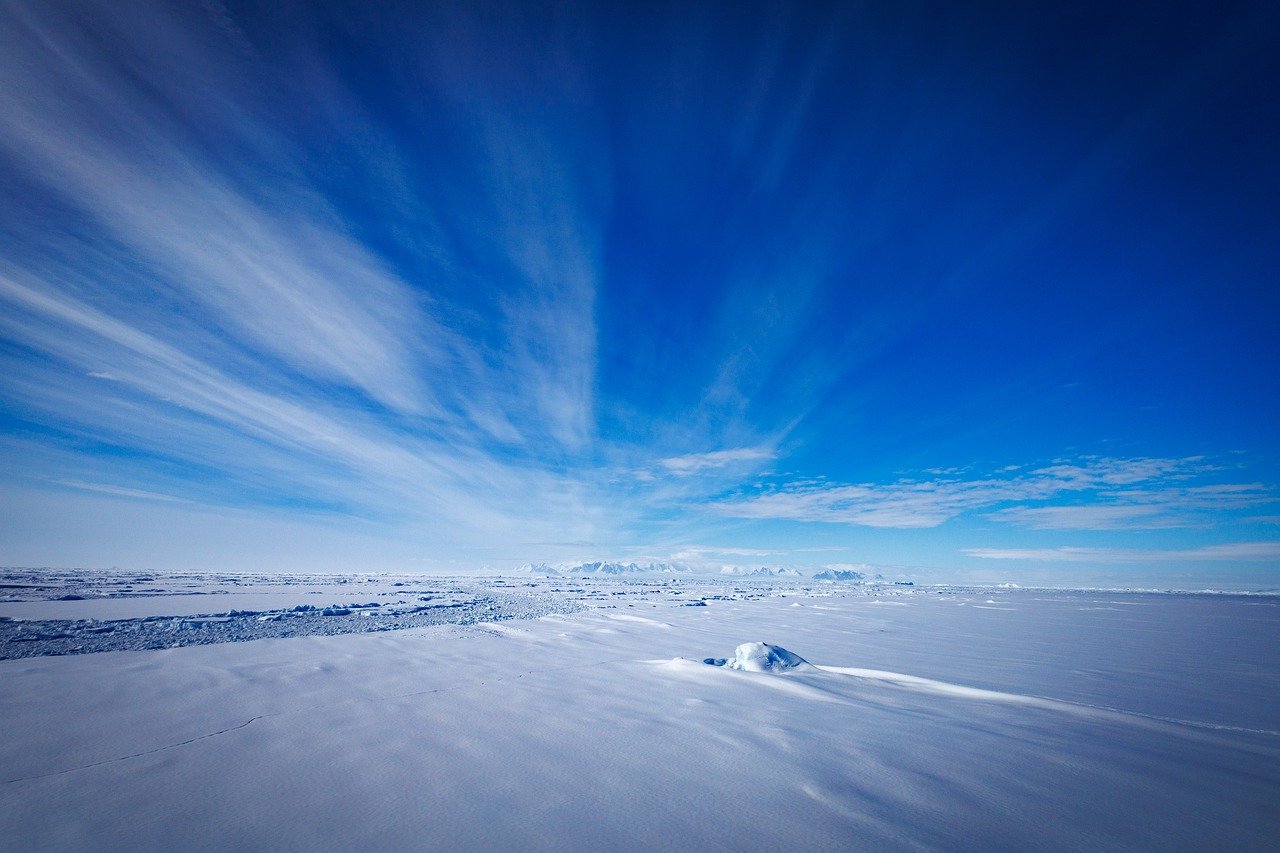
Global Actions To Reduce CFC Emissions Are Showing Results, With MIT Scientists Confirming That The Ozone Layer Hole Is Regenerating
The ozone layer over Antarctica is recovering. A study conducted by the Massachusetts Institute of Technology (MIT) confirmed that this improvement is happening because countries around the world have reduced the use of chemical substances that destroy it, such as chlorofluorocarbons (CFCs).
The research was published in the scientific journal Nature and demonstrated, with 95% certainty, that the reduction of CFCs is the main reason for this recovery.
What Is An Ozone Layer And Why Is It Important
The ozone layer is located in the upper atmosphere and protects the Earth from the sun’s ultraviolet rays, which can cause skin cancer and harm plants and animals.
-
A new technology attached to the helmet can detect motorcycle accidents in seconds, assess the severity, and send the location to emergency services; meet Quin, a small smart device.

-
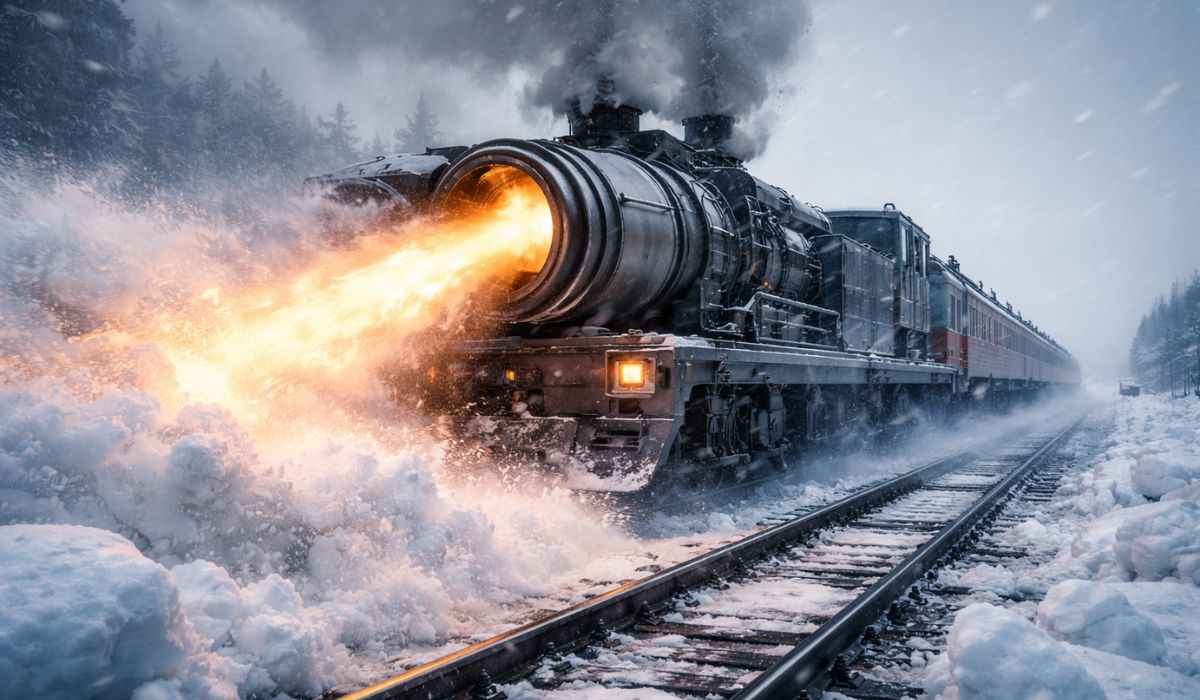
The bizarre train that uses Cold War jet fighter engines to blast air at over 1,000 km/h, melting ice walls and freeing frozen tracks in minutes where ordinary machines would take hours.
-
Japan is transforming dirty diapers from babies and the elderly into an ambitious and surprising project that could forever change the way the world deals with one of the most difficult types of waste to dispose of.

-
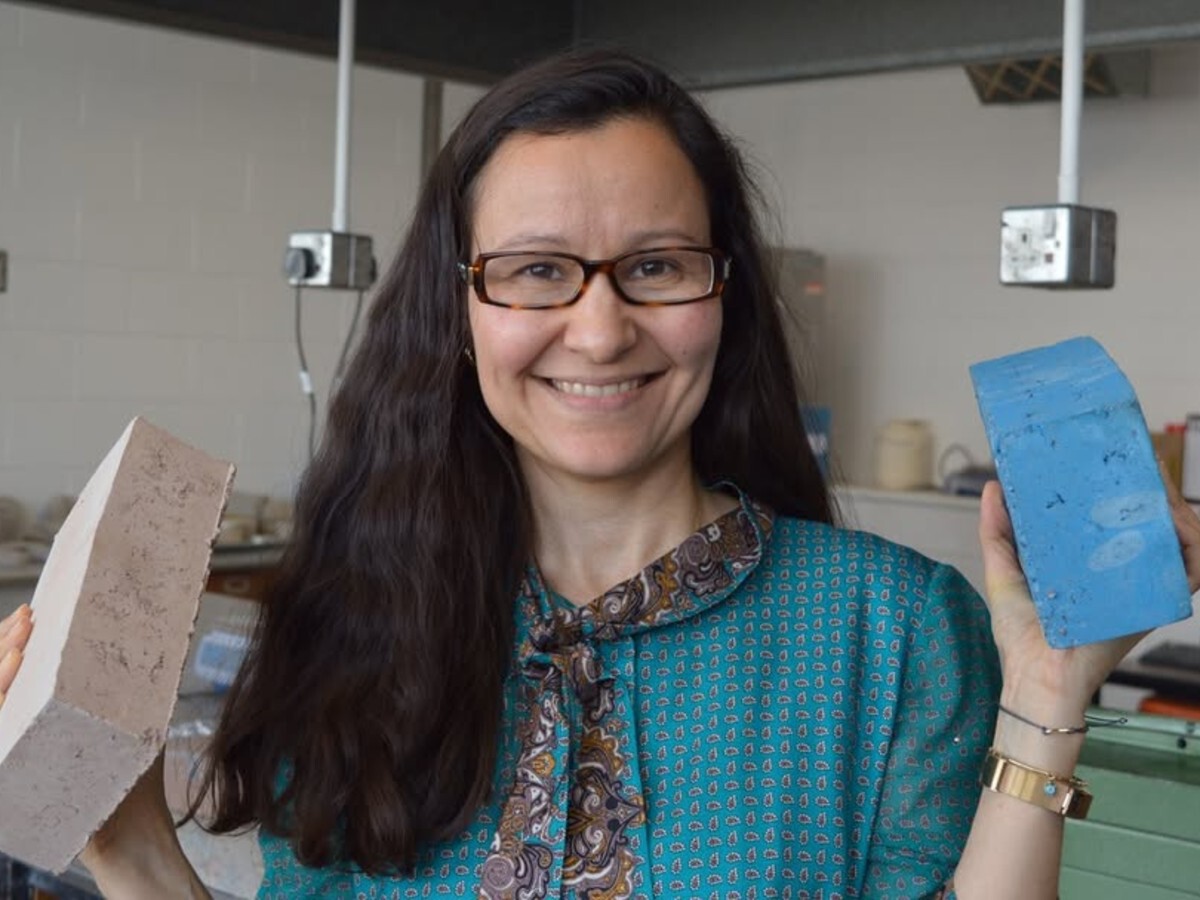
Goodbye to waste: a Brazilian created a revolutionary brick that uses construction debris, has already entered the markets of the United Kingdom and the USA, and promises to shake up the global construction industry.

In 1985, scientists discovered that this layer was becoming very thin over Antarctica, forming a hole during the spring in the southern hemisphere, between September and December.
After several studies, scientists concluded that CFCs were destroying ozone. These substances were widely used in refrigerators, aerosol sprays, and insulating foams.
When they reached the atmosphere, they released particles that destroyed ozone molecules, leaving the Earth more exposed to solar radiation.
What Was Done To Solve The Problem
To prevent the ozone hole from expanding, several countries approved an agreement called the Montreal Protocol in 1987. This treaty mandated that industries stop producing and using CFCs. Since then, many countries have followed these rules and significantly reduced emissions.
Even so, scientists were still not sure whether the ozone hole was truly closing or if this change was merely temporary. That is when the MIT study provided a clear answer.
Evidence That The Ozone Layer Is Improving
The study was led by Peidong Wang and used a special technique to determine what was causing the improvement in the ozone layer. The researchers conducted different simulations to test three scenarios:
- If greenhouse gases do not increase.
- If CFCs are not reduced.
- If the changes were only due to normal climate variations.
Then, they compared these results with actual satellite data collected since 2005. Research showed that the ozone layer began to genuinely improve and that this change became increasingly clear over the years.
In 2018, scientists confirmed with 95% certainty that the closure of the hole was caused by the reduction of CFCs, and not by natural climate changes.
What To Expect For The Future
This discovery shows that efforts to protect the environment are working. If countries continue to reduce CFCs and avoid new chemical substances, the hole in the ozone layer could completely disappear in the coming years.
Scientists estimate that by 2035, there could be years without any hole in the ozone layer over Antarctica.
This study, funded by the National Science Foundation (NSF) of the United States and NASA, also reinforces the importance of international agreements to address environmental issues. The Montreal Protocol is an example of how global rules can help restore the planet.
This experience can serve as a model for other actions, such as reducing greenhouse gases and promoting the use of clean energy.
The recovery of the ozone layer shows that positive environmental changes are possible when there is collective effort. The challenge now is to protect the environment to ensure a safer future for everyone.
With information from EcoInventos.






-

Uma pessoa reagiu a isso.