





 Portuguese
  English
  Spanish
  2 min of reading
  2 comments


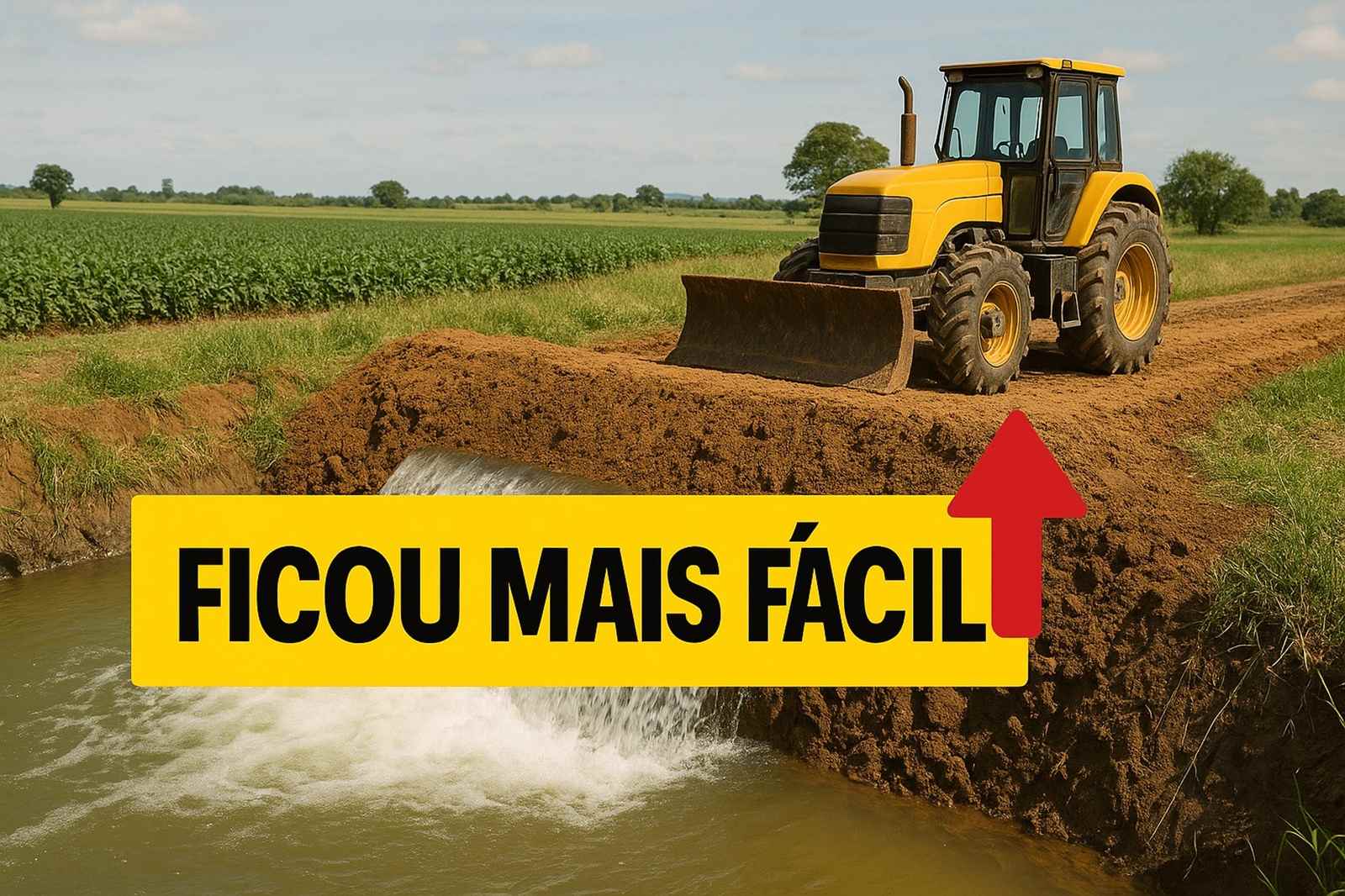


The Agriculture Commission Approved a Project That Expands Public Utility for Dams and Water Capture Systems, Amends Three Environmental Laws, and Permits Interventions in the Atlantic Forest Without Requirement for Federal Declaration, Directly Impacting the Rural Sector
The Agriculture Commission approved, last Thursday, the project that expands the classification of public utility for irrigation and water capture works in the Atlantic Forest, removing the requirement for federal declaration and amending three essential laws on environmental use.
The proposal modifies the Atlantic Forest Law, the National Irrigation Policy, and the Forest Code, allowing dams, reservoirs, and water capture structures linked to agrosilvopastoral activities to receive this classification without specific federal approval.
Changes in Environmental Legislation
The substitute proposal presented by Congressman Zucco to PL 1765/22 includes the provision directly in the Forest Code, ensuring that rural enterprises can advance even in areas of primary vegetation, as described in the approved text.
-
An Indian tree that grows in the Brazilian Northeast produces an oil capable of acting against more than 200 species of pests and interrupting the insect cycle, gaining ground as a natural alternative in soybean, cotton, and vegetable crops.

-
The rise in oil prices in the Middle East is already affecting Brazilian sugar: mills in the Central-South are seeing their margins shrink just as ethanol gains strength.

-
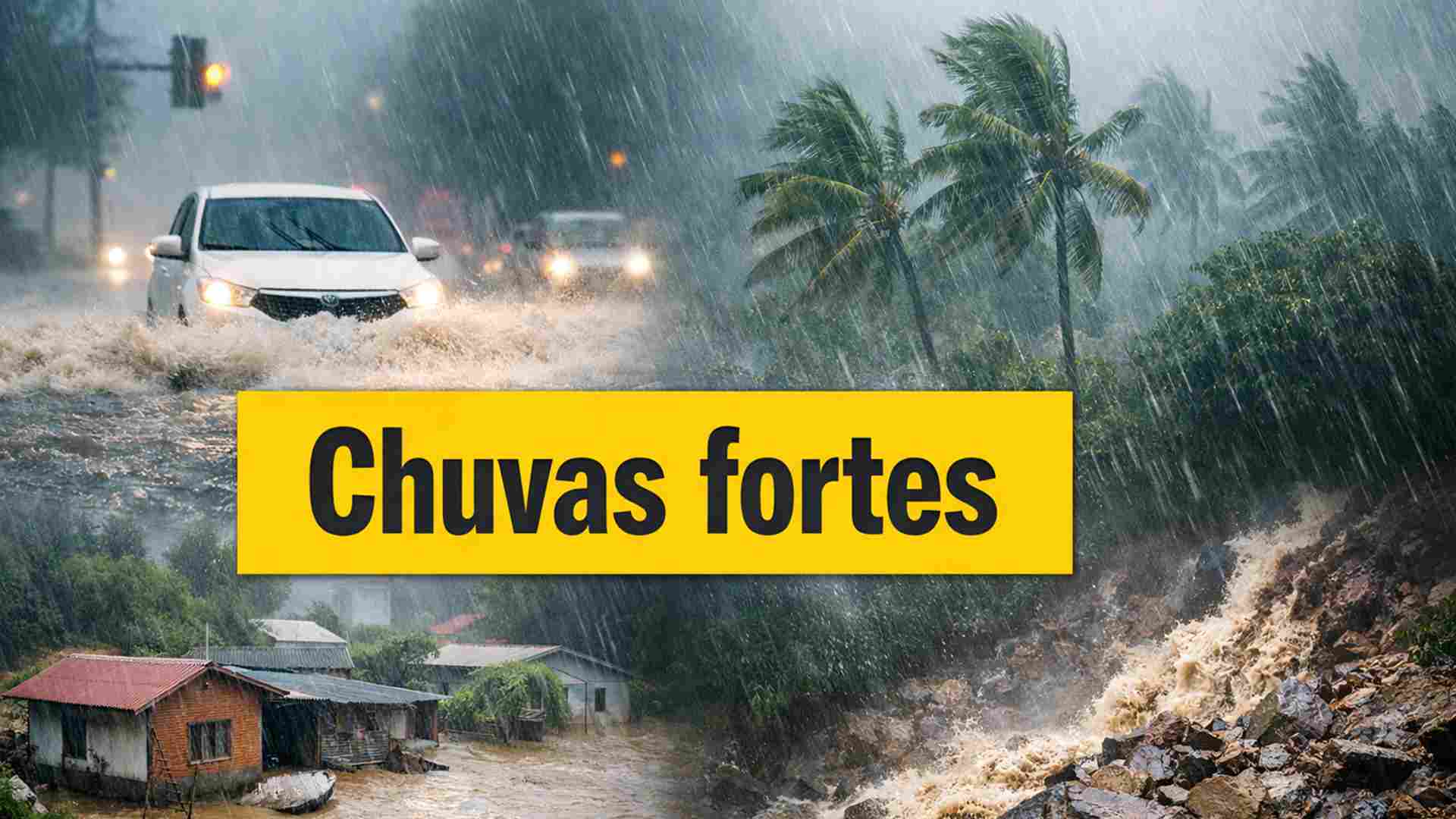
Rain gains strength in April, potentially exceeding 150 mm, placing the North, Northeast, and the coasts of the South and Southeast at the center of the heaviest forecast of the week.
-
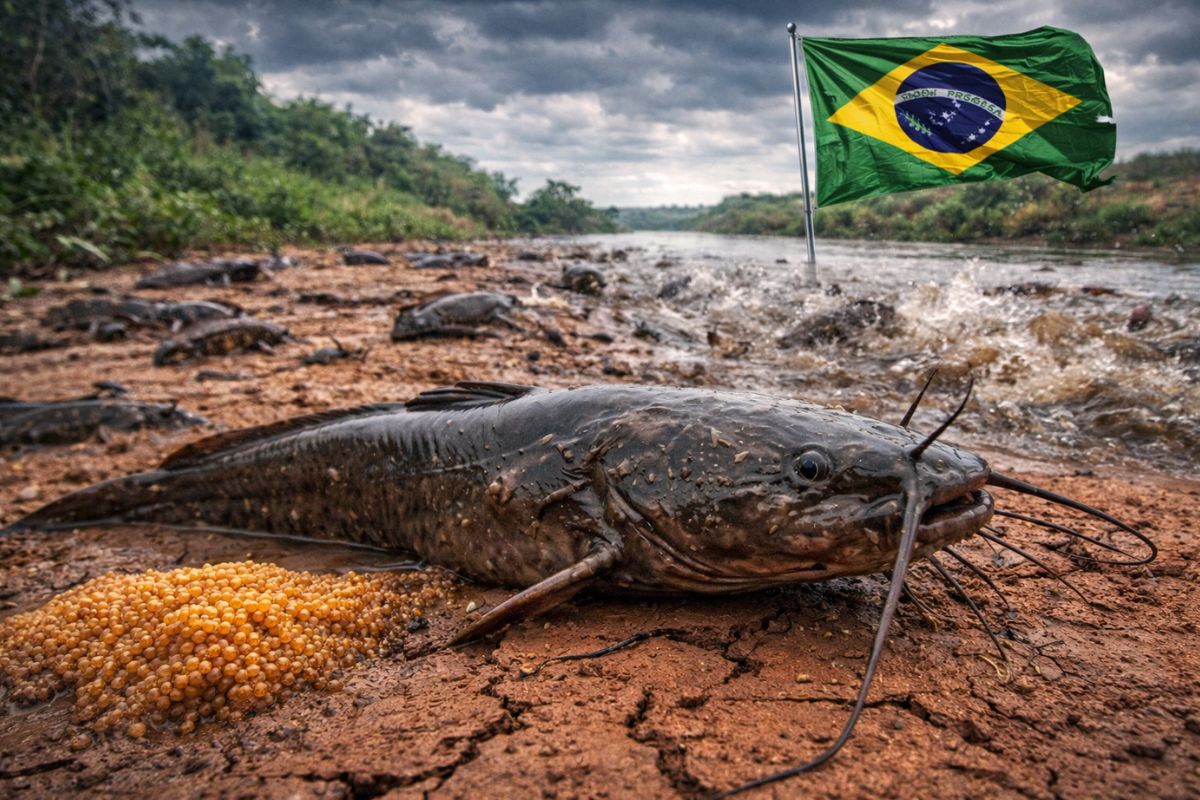
A fish that survives out of water, crawls on land until it finds another river, and whose female lays 80,000 eggs at once is infesting rivers and lakes in Brazil, and no one can stop this invasion.

The National Irrigation Policy already addresses the issue, but requires a declaration from the federal public authority. The proposal eliminates this step, broadening situations where vegetation could be removed for damming or diversion of water resources in the biome.
Argumentation of the Rapporteur
Zucco stated that denying public utility to dams intended for irrigation harms the rural sector, as it ignores its economic and food production relevance. According to him, water is essential and its proper management serves a broad collective interest.
The rapporteur declared that food production depends on efficient water infrastructure, emphasizing that there is no doubt about the public nature of these initiatives. In his remarks, he highlighted that criticisms of the sector disregard real data, generating distorted perceptions.
Processing of the Project
Already approved in the Mines and Energy Commission, the text will move on for analysis by the Constitution and Justice Commission and then for voting in the Chamber’s Plenary, a necessary step before being sent to the Senate.
To become law, the project must be approved by both legislative Houses, as stipulated by the procedure. Only after this journey can it come into effect and effectively change the rules applied to the biome.
The information in this report was gathered from material released by the Chamber Agencyra de News.








Quando os alimentos diminuir, as pessoas pensarão duas vezes, antes de falar em desmatamento. Até lá , continuarão falando o que ouvem dos meios de comunicação em massa.
Absurdo, abrir caminho pra desmatar a mata atlantica, com a desculpa de irrigação .