





 Portuguese
  English
  Spanish
  5 min of reading
  0 comments


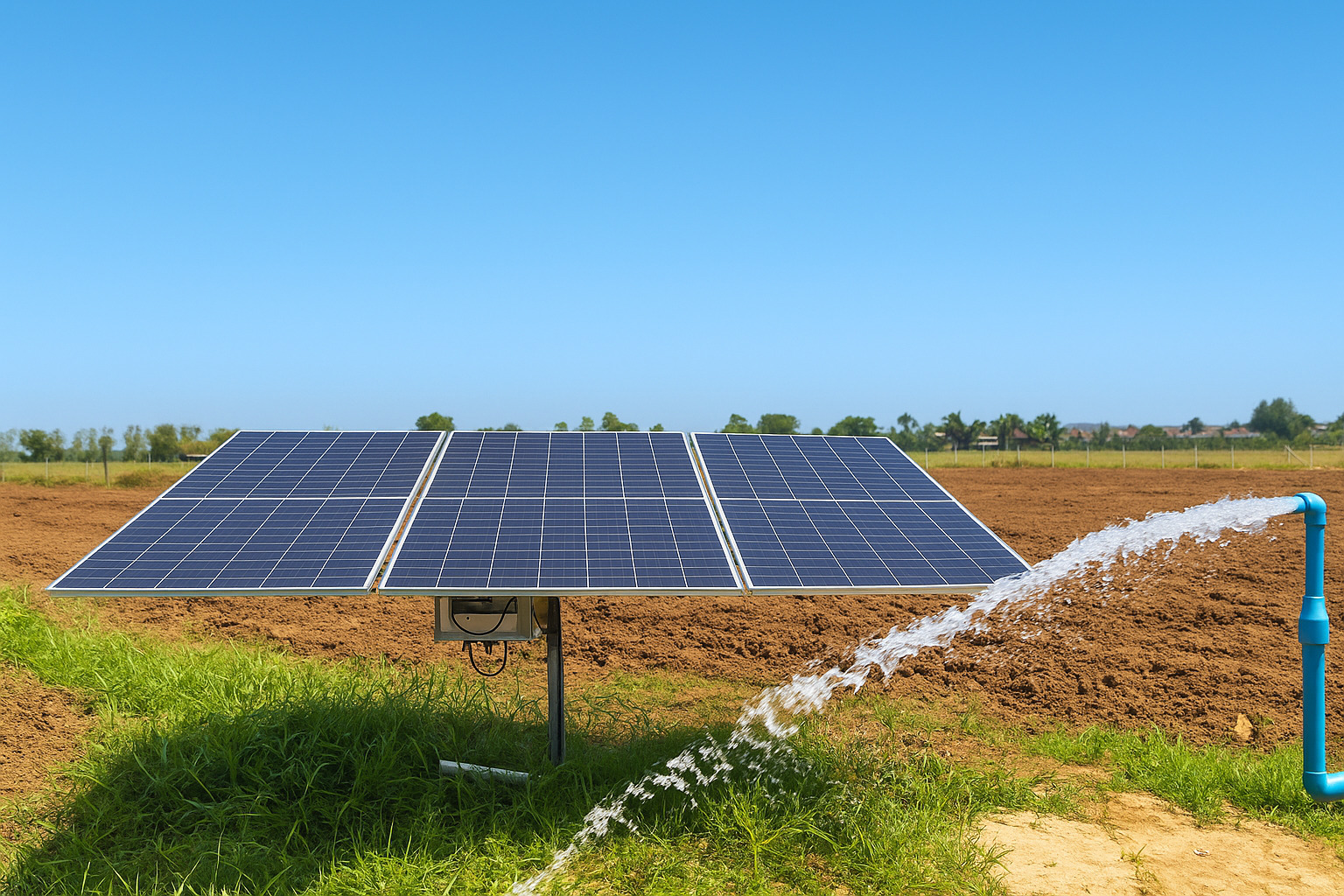
Incentivize the Adoption of Solar Energy in Agriculture with Facilitated Credit for Family Cooperatives, Promoting Sustainability, Economy, and Inclusive Rural Development.
Recently, the Chamber of Deputies approved a bill that consequently represents a significant advance for the development of solar energy in family agriculture in Brazil.
Moreover, the bill creates credit mechanisms and guarantees resources for shared generation cooperatives to invest in photovoltaic systems aimed at rural production. This way, it provides a historic opportunity to democratize access to renewable energy.
Historically, family agriculture has faced several challenges in accessing modern production technologies and sustainable energy sources. Therefore, for many years, the concentration of investments in large agricultural properties limited small producers’ access to efficient energy solutions.
-
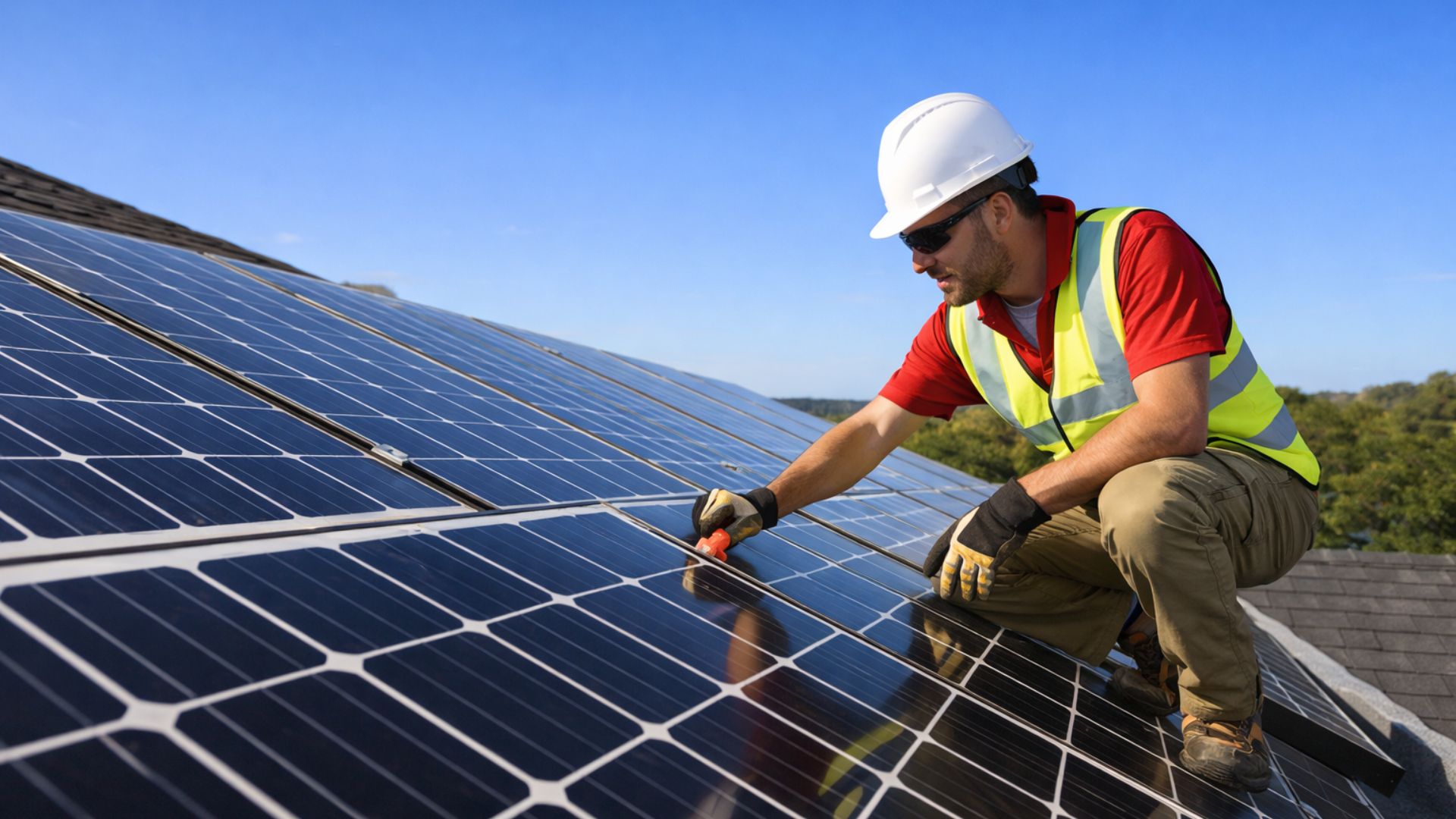
Seagri’s headquarters invests in solar energy with Neoenergia Coelba and promises to cut electricity costs, highlighting a strategic advance in sustainability and energy efficiency within state public administration.
-
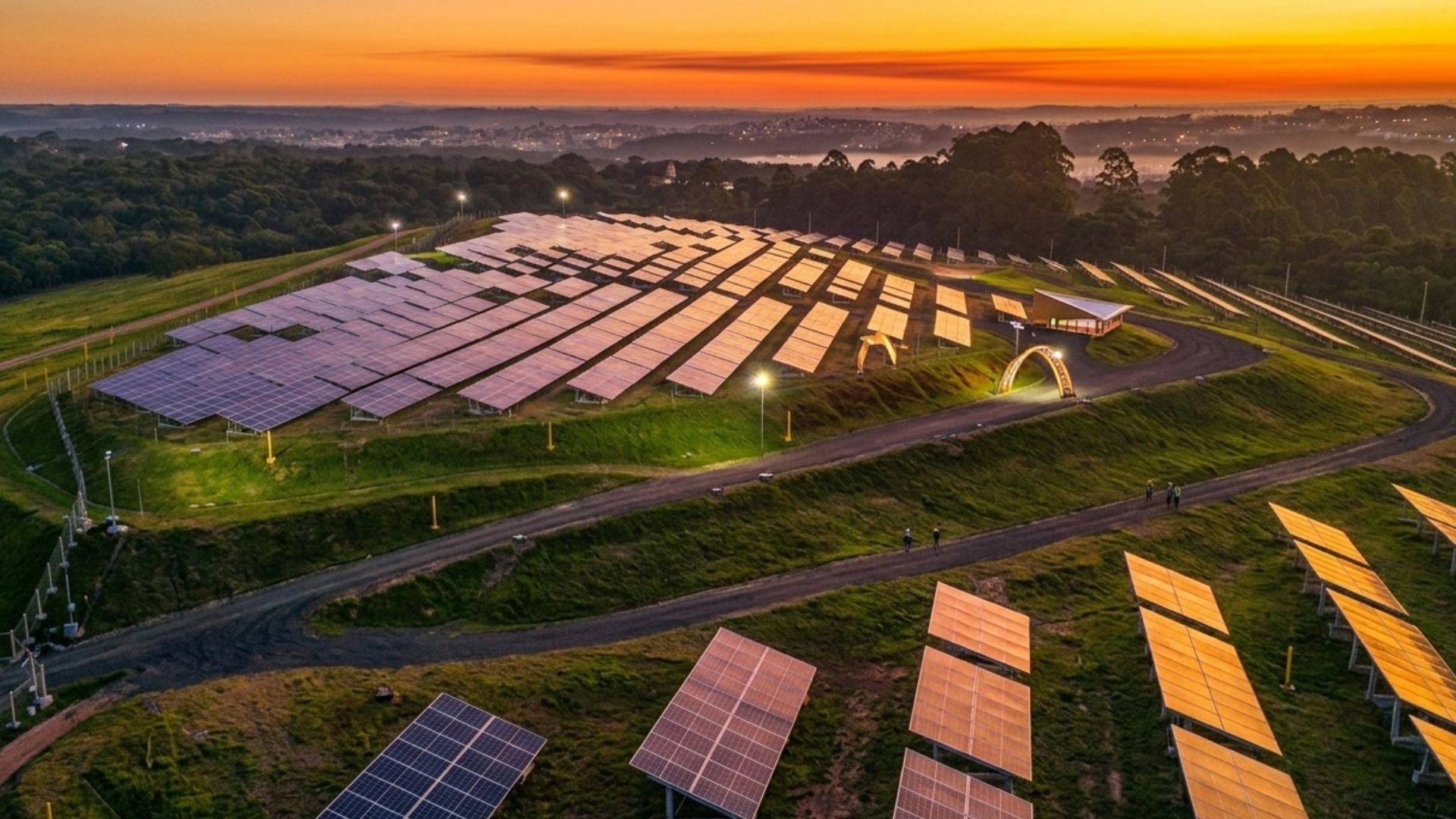
Solar Pyramid draws attention by converting solar energy into million-dollar savings and repositioning the City Hall of Curitiba as an example of innovation, sustainability, and intelligent use of public resources.
-
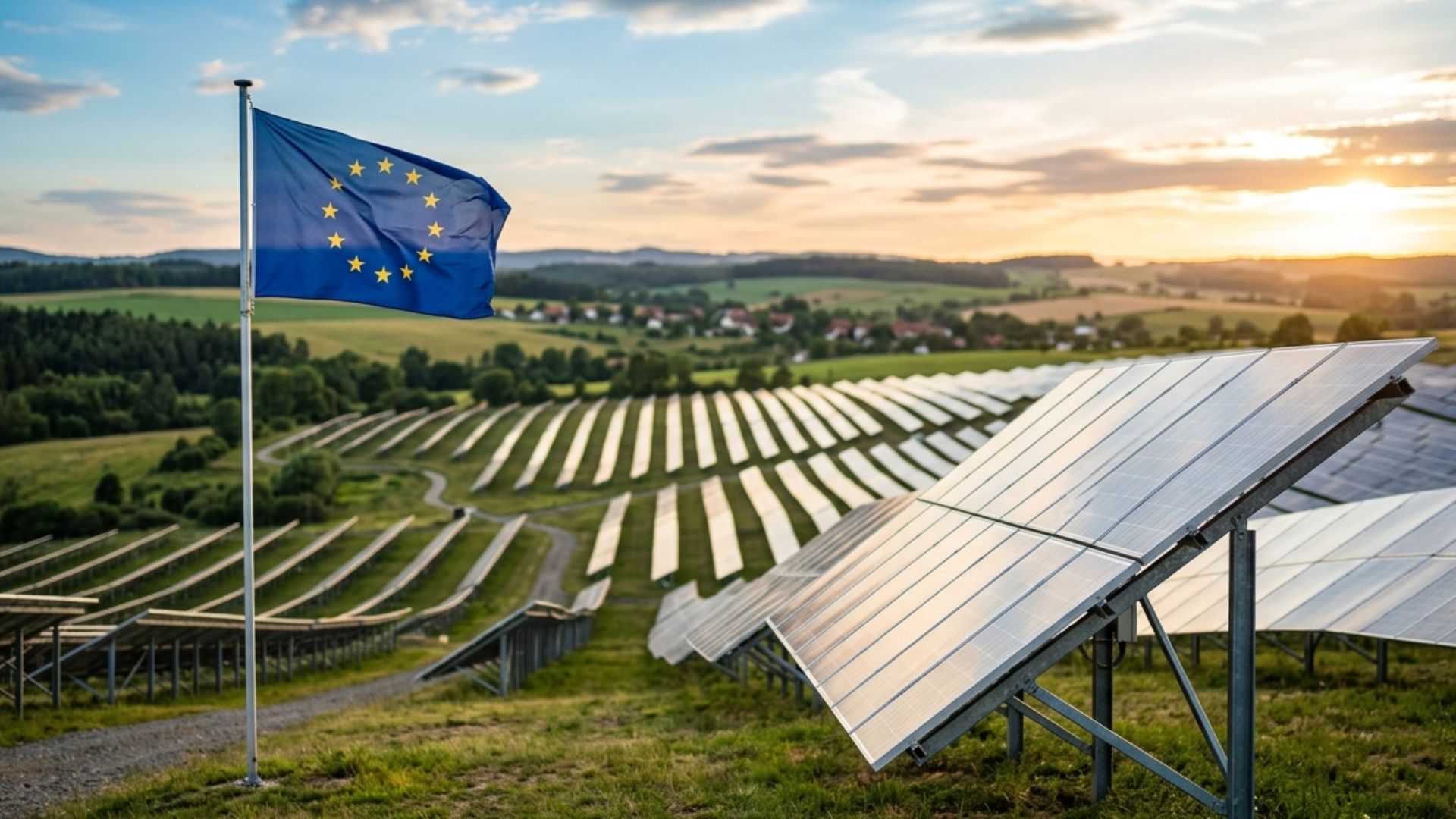
Europe records strong euro economy with solar energy in March and sparks curiosity about which country leads growth that redefines the energy market and reduces costs.
-
Piauí reaches a historic milestone in energy transition: State records nearly 160,000 households powered by solar energy and leads growth in the Northeast.
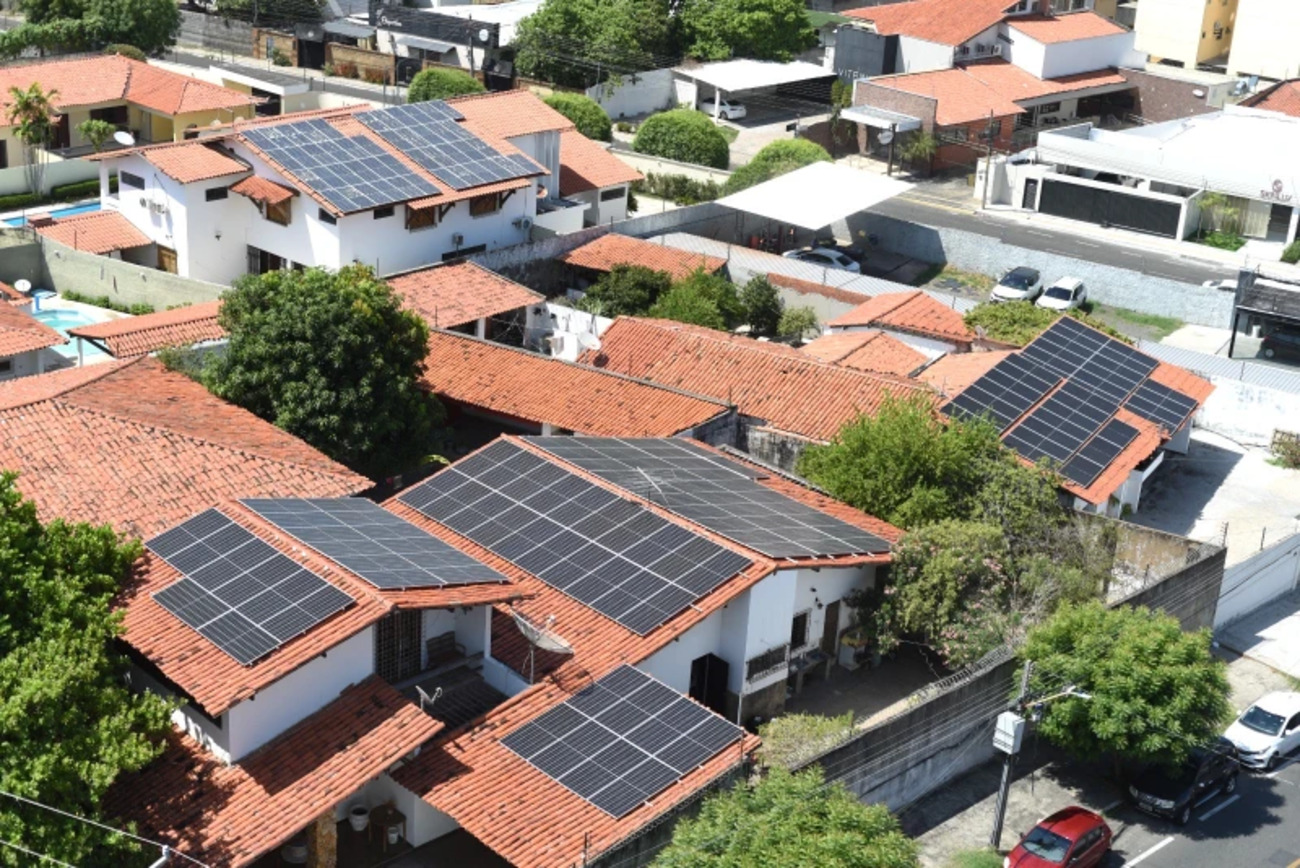

In this context, initiatives such as the creation of specific credit for shared generation cooperatives represent a strategic shift. Thus, family farmers can reduce their energy costs and increase their productive autonomy.
Furthermore, the country has experienced a growing concern over the environmental impact of intensive agricultural production over the decades. For example, the dependence on fossil fuels to pump water, irrigate crops, or operate machinery put economic pressure on small producers.
In this sense, the introduction of solar energy systems in agriculture offers a practical solution. It allows farmers to adopt more sustainable practices without compromising productivity.
Historical Advances in Solar Energy for Family Agriculture
The bill, therefore, reserves R$ 400 million through the Guarantee Fund for Operations (FGO) to finance shared solar energy generation projects for 18 months after its approval.
In this way, the resources enable the installation of photovoltaic systems in family farmer cooperatives and ensure that the energy produced serves exclusively the agricultural activities of the members.
Consequently, the measure promotes sustainability and strengthens the collective organization of small producers, encouraging essential cooperation practices for family agriculture.
Additionally, the legislation requires that projects include a minimum percentage of domestic content, which aligns with the country’s industrial policies and energy transition.
This reinforces the importance of integrating local technological development with sustainable production. This way, it strengthens the national productive chain and creates jobs related to the installation and maintenance of solar energy systems.
Direct Benefits for Family Farmers
Deputy Pedro Uczai, the author of the bill, highlighted that the proposal allows each family farmer to access their own solar energy cooperative, reducing dependence on external sources and promoting greater autonomy.
Moreover, according to him, the initiative represents a historic opportunity to expand access to clean energy for producers who previously lacked specific public policies.
On the other hand, Deputy Nilto Tatto emphasized that the measure accelerates the implementation of small solar plants, decentralizes energy production, and promotes the democratization of the electricity sector.
In this context, this decentralization is particularly important in rural areas, where expanding electrical grids is not always viable or economically efficient.
Additionally, access to solar energy in agriculture creates opportunities for additional income, whether by saving on energy costs or selling surplus energy to the grid.
Another relevant point is the stimulus to technological innovation in rural areas. By investing in solar energy, farmers participate in a growing market.
They learn to operate photovoltaic systems, energy management software, and preventive maintenance practices. Thus, this contributes to developing technical skills that can be passed on to future generations, strengthening family agriculture as a strategic sector in rural development.
Moreover, the project is not limited to the installation of photovoltaic systems. It creates national programs aimed at sustainability and the integration of agricultural production and environmental preservation.
For instance, among these initiatives are the National Program for the Development of Agroecological Agroforestry Systems (Prosaf) and the National Program for Productive Forests.
Both aim to promote biodiversity conservation, recover degraded areas, and encourage sustainable management of forest resources, always focusing on family agriculture.
Integration Between Agriculture and Environmental Preservation
Prosaf, in particular, encourages agricultural production allied to environmental preservation. It promotes agriculture resilient to climate change and based on ecological and agronomic diversification.
Furthermore, it prioritizes family farmers, land reform settlers, and traditional communities, offering technical support, training, and financing to implement agroforestry systems.
Thus, the integration between agricultural production and renewable energy strengthens economic and environmental sustainability. At the same time, it creates a more balanced rural development model.
Funding for the initiatives outlined in the project will come from the Union Budget, including funds aimed at regional development, climate change mitigation, and environmental preservation.
Additionally, the possibility of partnerships with international organizations ensures that the project has long-term financial sustainability.
Historically, the lack of access to specific credit hindered the adoption of renewable technologies in family agriculture. Therefore, the new legislation overcomes this barrier in a structured way.
Moreover, implementing agroforestry systems integrated with solar energy generates positive effects on the local microeconomy.
By diversifying production, farmers offer varied and higher value-added products. This creates more profitable marketing opportunities and strengthens the regional economy.
At the same time, this model promotes the conservation of natural resources and encourages responsible agricultural practices, essential for long-term sustainable development.
The project also provides for governance structures to ensure efficiency and transparency in the programs.
For instance, a guidance council and a technical committee plan, monitor, and evaluate the actions. Thus, they ensure that the resources are applied correctly and that the installed systems meet technical and environmental standards.
Additionally, these measures create trust among farmers and encourage the adoption of renewable energy and agricultural sustainability practices.
Transformation of Family Agriculture in the Energy Transition
The initiative transforms family agriculture into an active agent in the country’s energy transition.
By investing in solar energy in agriculture, producers reduce operational costs and contribute to the reduction of carbon emissions, aligning with national and international sustainability commitments.
Over time, this movement creates a multiplier effect, stimulating new cooperatives and expanding the presence of solar energy in rural areas across the country.
The debate in the Plenary revealed different viewpoints, but it was clear that the project seeks to balance efficiency, sustainability, and social inclusion.
Some criticisms pointed to inequality in the distribution of resources among states. However, supporters highlighted that the financing will follow rules defined by the National Monetary Council. Thus, the allocation of resources will be fair and organized.
In summary, the approval of this bill represents a historic step for family agriculture and for the expansion of solar energy in agriculture in Brazil.
By combining specific financing, structured governance, integration with agroforestry programs, and encouragement of cooperation, the measure offers a concrete opportunity for small producers to adopt sustainable technologies, strengthen their productive autonomy, and contribute to a balanced and resilient rural development.
The history of family agriculture in Brazil shows economic and structural challenges. In this context, access to energy is a central element of this trajectory.
The implementation of shared solar energy generation cooperatives symbolizes a significant advancement. It promotes energy efficiency, social inclusion, environmental preservation, and sustainable regional development.
Therefore, with policies like this, family agriculture assumes a strategic role in the country’s energy transition, becoming a reference for innovation and sustainability for future generations.








Seja o primeiro a reagir!