





 Portuguese
  English
  Spanish
  3 min of reading
  0 comments



The Increase of the MEI Ceiling to R$ 150 Thousand Can Keep Thousands of Entrepreneurs in the Simplified Regime, Avoiding Migration to Simples Nacional and Reducing Tax Costs by Up to 50%.
The proposal approved by the Chamber of Deputies’ Commission has a direct impact on those who work as MEI. The new ceiling doubles the annual revenue margin, rising from R$ 81 thousand to R$ 150 thousand. The measure responds to the pressure from microentrepreneurs who were about to exceed the current limit and migrate to Simples Nacional, a more expensive and bureaucratic regime.
According to a survey released by the FDR portal, the change represents an important step towards enhancing the competitiveness of small businesses.
In addition to ensuring lower taxes, the new ceiling strengthens access to credit and support programs, avoiding leaving thousands of freelancers outside the simplified regime.
-
A YouTuber bought all the Easter eggs from the market, from the cheapest to the most expensive, weighed each one on the scale, and discovered that some brands deliver extra grams while others charge a fortune for little chocolate.

-
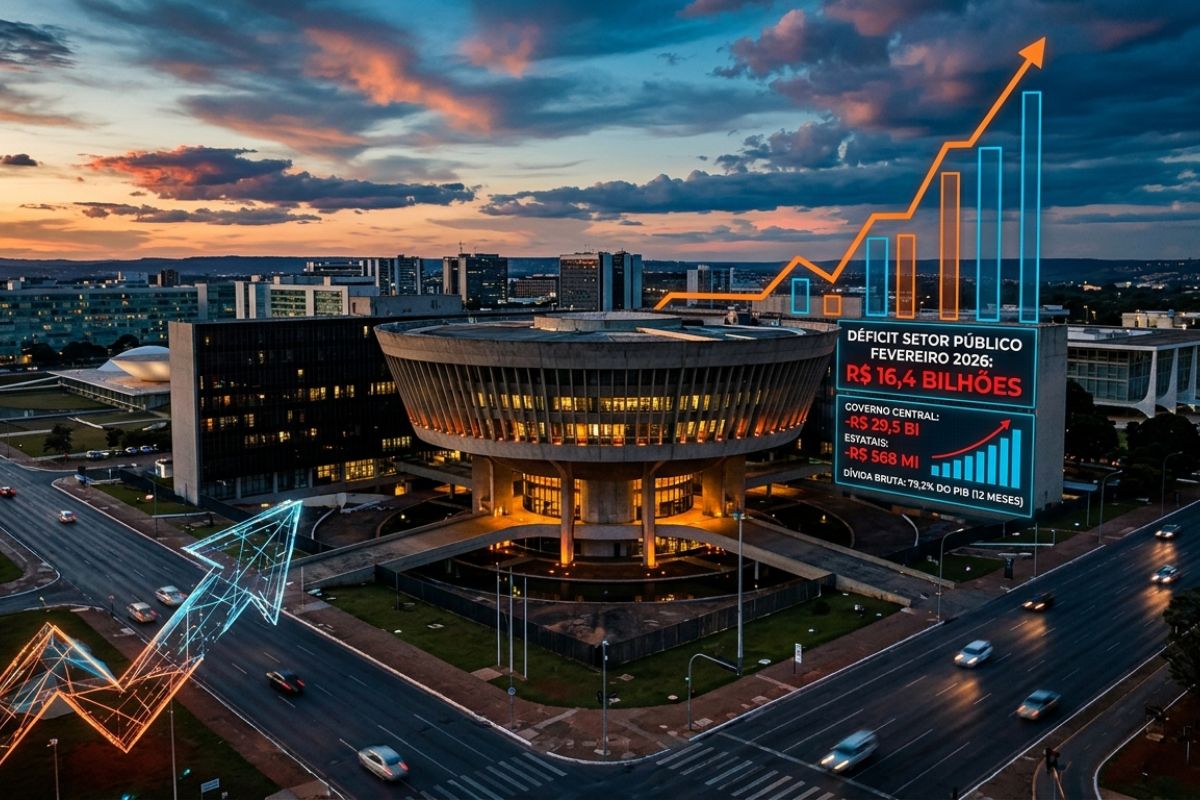
Central Bank reveals: public sector ends February 2026 with a deficit of R$ 16.4 billion; Central Government loses R$ 29.5 billion, state-owned companies R$ 568 million, gross debt rises to 79.2% of GDP in 12 months.
-
The largest executive jet in Brazil belongs to the Safra Family and is for sale: it is a 2002 Boeing BBJ, with a range of 11,500 km, 80 m² of interior space, a master suite, an office, and capacity for 18 passengers.

-
BRICS is building its own payment system that could be operational by 2030, and experts say it could increase trade between the countries by up to 10% per year and add 3% to the GDP of each member of the bloc.


What Changes with the New MEI Limit
The main change is the freedom of revenue. Many entrepreneurs needed to “hold back” their sales to avoid exceeding R$ 81 thousand annually.
Now, with the ceiling of R$ 150 thousand, it will be possible to grow without migrating to a more burdensome regime.
This change directly benefits sectors such as beauty, food, ride-hailing, e-commerce, and technology, which were already showing revenues close to the limit.
With the expansion, the entrepreneur can enlarge their customer base, hire labor, and increase stock without compromising the reduced tax burden.
Advantages Maintained for the Microentrepreneur
Even with the increase of the ceiling, the MEI continues to offer the main benefits that have consolidated the regime since 2008:
- Fixed and Reduced Taxes, varying according to the activity performed.
- Social Security Coverage, with rights to retirement, sick leave, and maternity pay.
- Specific Credit Lines, with lower interest rates for microentrepreneurs.
- Access to Training and Consulting Programs, offered by institutions such as Sebrae.
Moreover, the government launched a parallel debt renegotiation program, allowing overdue MEIs to regularize their situation.
This measure could bring thousands of workers back to formal employment, strengthening the base of taxpayers.
Path to Final Approval
Despite the progress, the proposal still needs to go through new votes in Congress and proceed to presidential sanction.
If confirmed, it will be one of the largest changes in the regime since its creation in 2008.
Experts emphasize that updating the ceiling follows the growth of the economy and corrects the lag of the previous limit, which did not reflect the accumulated inflation or the increase in the cost of living.
For the tax lawyer consulted by FDR, the measure “provides breathing room for small businesses and prevents premature migration to more expensive regimes.”
Expected Impact for 2025
With the new limit, three central points are expected to mark the micro-entrepreneurship landscape in Brazil:
- Growth Without Bureaucracy: more room to increase revenue without switching regimes.
- Tax Reduction: maintenance of the reduced tax burden even with higher revenues.
- Productive Inclusion: encouragement for freelancers still in informality to regulate their status.
If approved definitively, the new ceiling of R$ 150 thousand for the MEI is expected to boost millions of Brazilians who depend on the regime to sustain their activities, strengthen formalization, and stimulate the economy.
The increase of the MEI limit is seen as a landmark for entrepreneurship in 2025.
The measure may balance formalization, tax reduction and greater access to credit, while also correcting historical distortions of the regime.
And you? Do you think the ceiling of R$ 150 thousand is sufficient to keep up with the reality of microentrepreneurs, or should it be even higher?
Leave your opinion in the comments; we want to hear from those who live this reality every day.









-

-

-

6 pessoas reagiram a isso.