





 Portuguese
  English
  Spanish
  3 min of reading
  0 comments


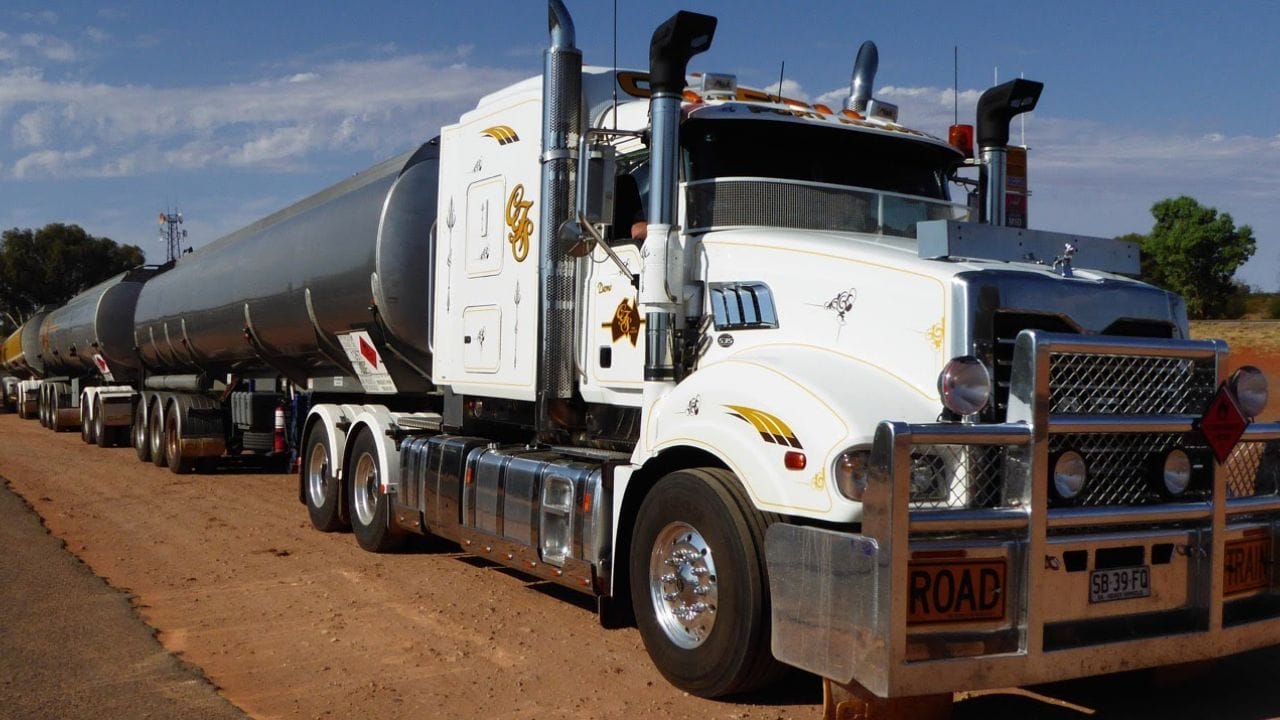
Discover How Gigantic Australian Road Trains and Impressive Brazilian Hexatrains Are Redefining Limits and Challenges in the World of Trucks and Freight Transport.
In Australia, Road Trains impress with lengths of up to 53.5 meters and the capacity to carry heavy loads, reaching up to 172.5 tons. These trucks are essential for transport in the Outback, facing challenging terrains and vast distances.
In Brazil, the highlight is the hexatrem, especially operated by Suzano, capable of transporting 200 tons of eucalyptus over its 52-meter length, showcasing the extreme load capacity in national road transport.
Records and Evolution of Road Trains


The world witnessed the record of a road train with 113 trailers and 1,300 tons of cargo and 300 meters in length, highlighting the extreme capacity of these vehicles. Road trains have evolved from military proposals in the early 20th century to becoming vital trucks in modern logistics.
-
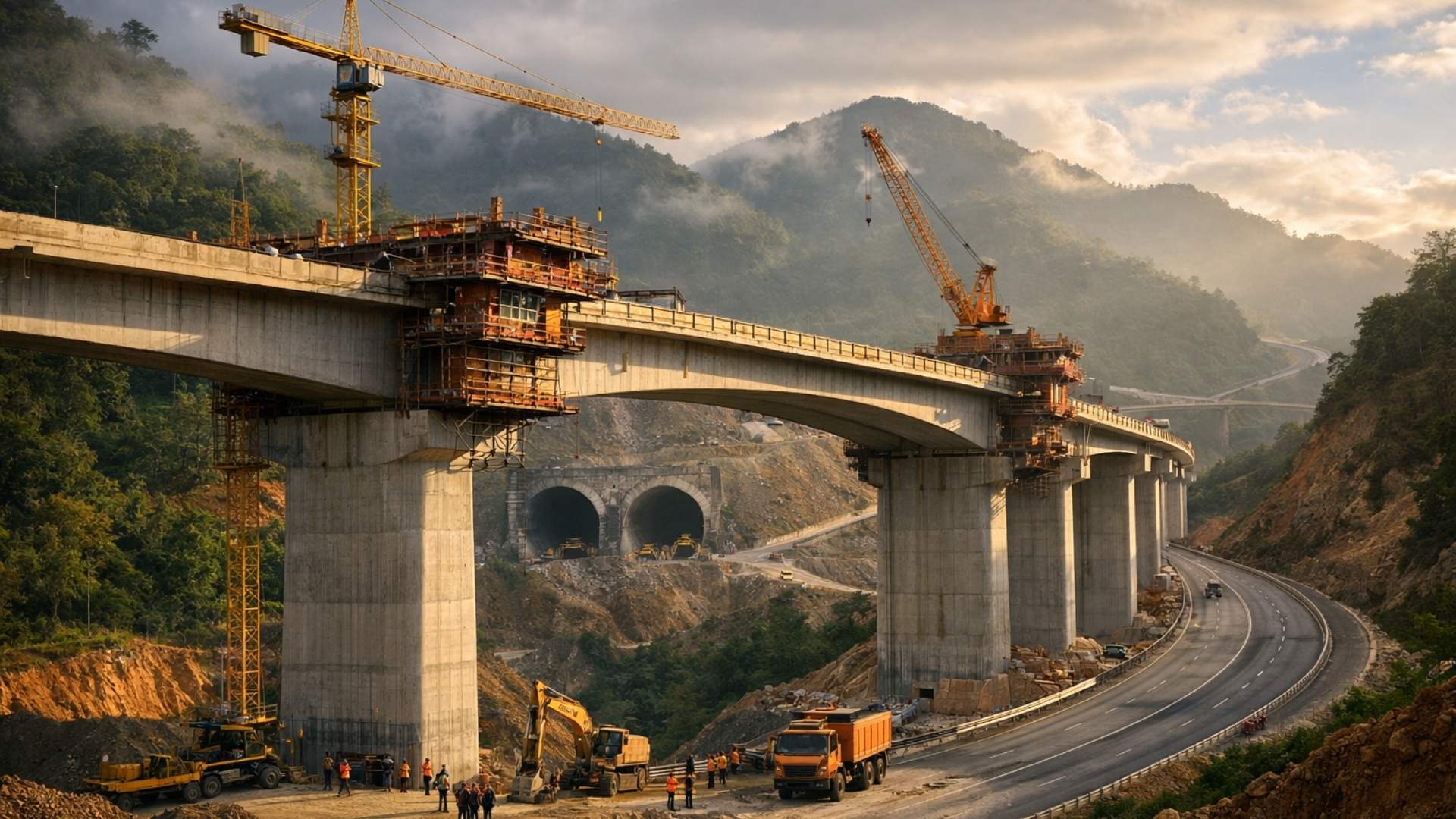
The government puts R$ 8.6 billion on the table to change the highway (BR) with 50 overpasses, 28 bridges, 4 tunnels, and 40 km of bike lanes in 180 km of historic duplication.
-
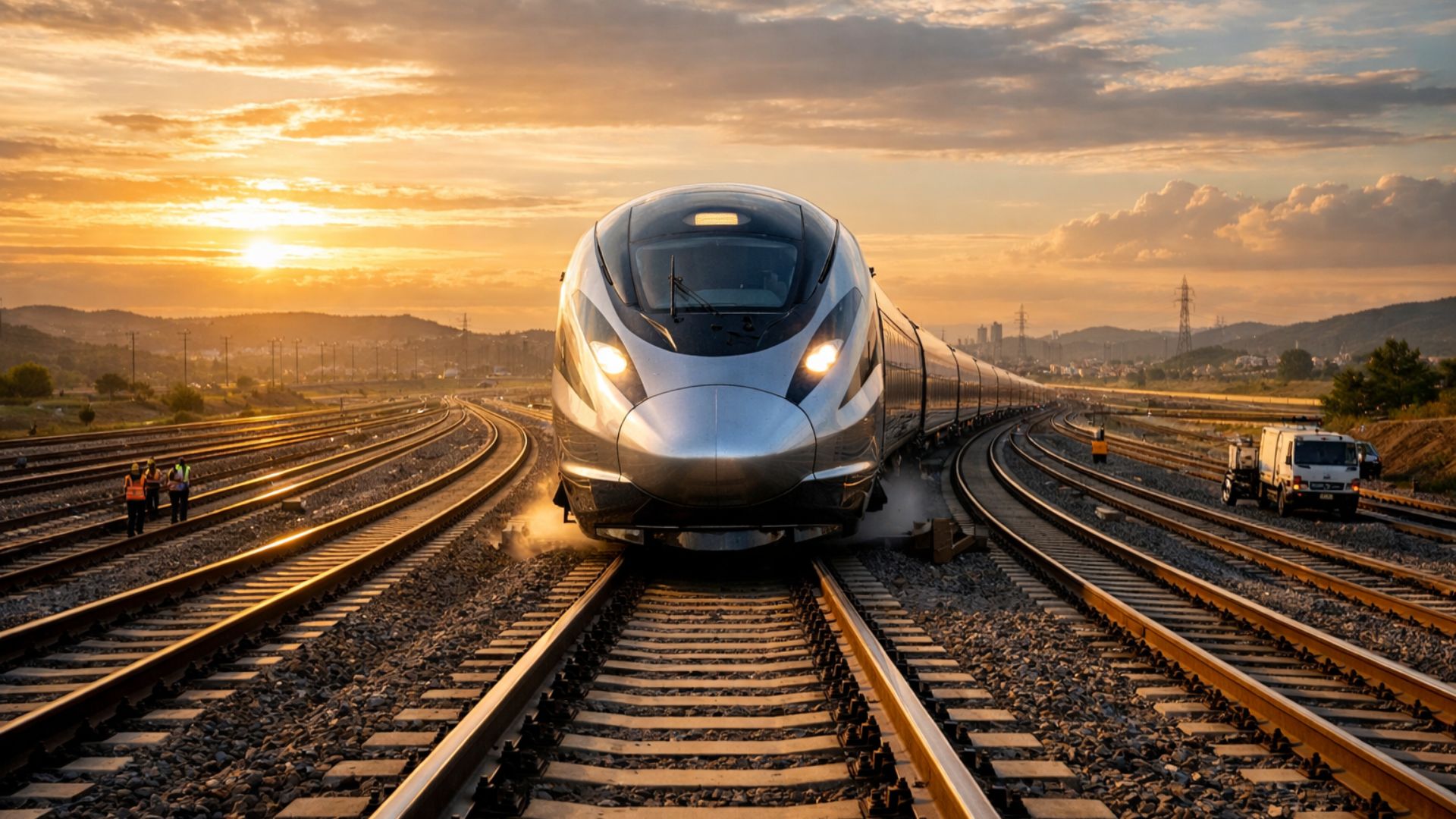
São Paulo surprises the world with a colossal railway network project that promises over 1,000 km of tracks, R$ 194 billion in investments, and 40 projects connecting the capital to the interior with fast and sustainable trains.
-
The world’s largest escalator, measuring 905 meters in China, reduces urban travel time from 1 hour to about 20 minutes and transforms mobility in mountainous regions with an engineering solution adapted to the terrain.

-
A R$ 300 million logistics giant is taking shape in Serra with over 100,000 m² and raises a question: how can this transform e-commerce and distribution in the state?


The engineering behind road trains encompasses challenges such as developing powerful engines and transmission systems capable of handling enormous loads and severe conditions, like those found in Australia’s inhospitable landscapes.
Efficiency in Trucks: Road Train versus Train
The choice between road trains and trains varies depending on the load and distance. Road trains are ideal for heavy loads over shorter distances, while trains are more efficient for transporting large volumes over long distances.
Road trains significantly affect the roads, contributing to the degradation of the asphalt due to their considerable weight. Despite this, they are an efficient solution in terms of productivity and operational costs, especially in areas where rail infrastructure is not a viable option.
Road trains are crucial for transport in remote areas and for specific cargo, but their use should be balanced with rail alternatives, seeking efficiency and sustainability in the freight transport sector.
The Hexatrem: Revolution in Brazilian Freight Transport Logistics

The Hexatrem represents a remarkable innovation in Brazilian road transport, especially in the pulp and paper sector. With its 52 meters in length, this giant of the Brazilian roads redefines the limits of cargo transport.
The Hexatrem is a transport combination that merges a prime mover with six semi-trailers. This configuration is designed to maximize transport capacity, especially for bulky loads like wood and sugarcane. This operational complexity, combined with its size and length, makes the Hexatrem a unique vehicle in terms of logistics and maneuverability.
With 52 meters in length, the Hexatrem is not only a powerhouse in cargo capacity but also a marvel of mechanical and logistical engineering. The company Suzano, a leader in the pulp market, uses the Hexatrem to transport up to 200 tons of eucalyptus on each trip, highlighting its efficiency and power in the freight transport sector.
Impact and Innovation in Logistics with Suzano
The Hexatrem not only increases the efficiency and productivity of transport but also presents significant challenges in terms of infrastructure and regulation. Suzano, by adopting this configuration, had to overcome obstacles such as constructing a tunnel under BR-158, given that national legislation restricts the maximum length of vehicles on federal highways to 30 meters.
This innovation in the transport of heavy loads has brought substantial improvement in logistics, halving the number of trips necessary for transporting eucalyptus logs and increasing productivity by 53% compared to smaller truck configurations, such as the tritrem.
The Hexatrem symbolizes a revolution in road transport of heavy loads in Brazil, presenting a balance between load capacity, efficiency, and logistical challenges. Its adoption by Suzano illustrates the need for innovation and infrastructure adaptation to accommodate such road giants, reflecting future trends and challenges in the national transport and logistics sector.










Seja o primeiro a reagir!