






 Portuguese
  Spanish



The Wind-Powered Ship Revolution: How Wind Propulsion Is Transforming Maritime Transport, Promising Significant Reductions in Pollutant Emissions and Operational Costs.
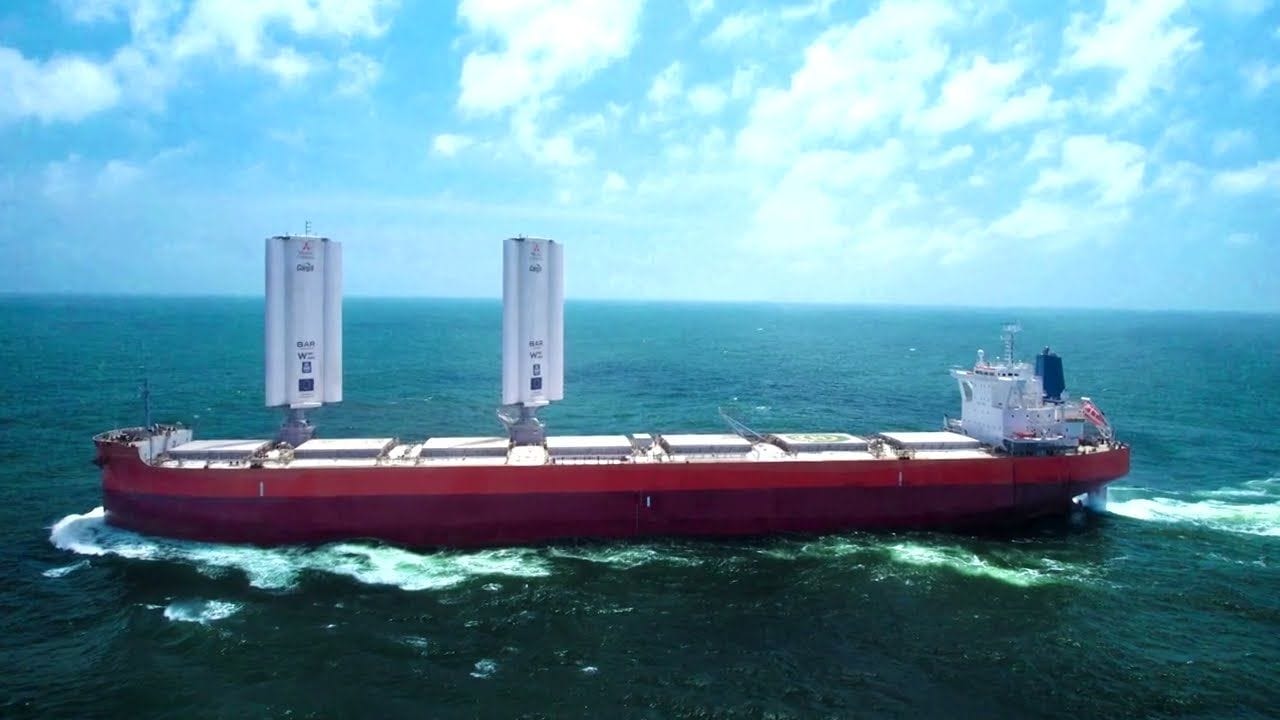
Large tankers, built in recent years, stand out for their use of rotating cylinders on top, applying the Magnus effect for wind propulsion (wind-powered ships). This innovation has allowed for a remarkable reduction in fuel consumption and pollutant emissions, with some ships experiencing cuts of up to nearly 50%.
Compared to land transport, maritime transport is less polluting, yet still responsible for a significant share of global CO2 emissions. Wind propulsion presents itself as a viable solution to reduce these figures, as ships carry over 80% of global goods.
Innovations and Challenges of Wind-Powered Ships


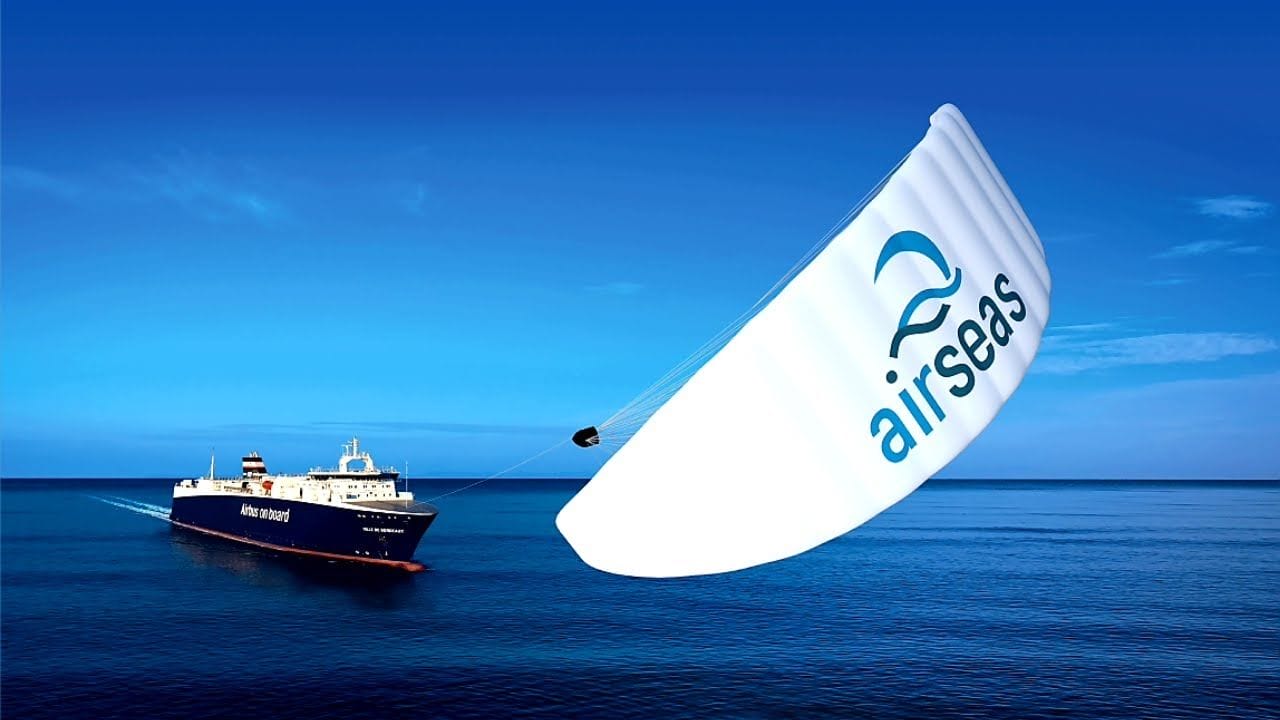
From rotors that use the Magnus effect to wing sails and kitesails, various technologies are being explored to optimize the energy efficiency of wind-powered ships. However, large-scale adoption faces challenges such as the initial implementation cost and reluctance to adopt new, untested technologies.
-
They exchanged the idea of a large house for a 35 m² warehouse, spent US$ 12,000 on the structure, and created a tiny house in Colorado with space to live and work.

-
The Port of Itaqui closes the best first semester in history with over 17 million tons and takes off as the locomotive of the Northern Arc.

-
While modern cities rely on pumps and electricity, in Iran, ancient tunnels carried water through the desert using only slope and gravity.
-
Instead of sending families far from the city, a project in Chile intentionally created incomplete houses on expensive urban land and left technical space for each to grow.



With increasing pressure for cleaner and more sustainable solutions, wind propulsion in ships is gaining ground. Technological advances, combined with the need to reduce emissions, are driving the maritime industry to reconsider and adopt these innovations, pointing to a greener future in the world’s oceans.
Flettner Rotors and the Wind-Powered Ship Revolution
At the heart of this maritime transformation are the Flettner Rotors, rotating cylinders that harness the Magnus effect to generate wind propulsion. This innovative mechanism has been applied to recent ships, resulting in a drastic reduction in fuel consumption and pollutant gas emissions. Ships equipped with these rotors have demonstrated superior energy efficiency, highlighting the potential of wind propulsion to modernize the maritime sector.
In terms of environmental impact, maritime transport, especially when equipped with wind technologies, wind-powered ships, presents itself as a less polluting alternative compared to trains and trucks. The effectiveness of Flettner Rotors and other wind technologies underscores the importance of investing in sustainable transport methods capable of minimizing the global carbon footprint.
Examples of Innovation with Wind Propulsion
The maritime sector, by adopting wind propulsion, not only benefits the environment by drastically reducing greenhouse gas emissions but also provides significant cost savings. The reduction in fossil fuel consumption directly affects freight costs, potentially lowering the prices of goods globally. This even includes naval power, such as aircraft carriers, as is the case with the Kitty Hawk, read the full article.
Pioneering companies like Oceanbird and Wind Challenger are leading with large-scale wing sails, promising to transform cargo ships into nearly energy self-sufficient vessels. Others, like Michelin’s WISAMO project, showcase the versatility of wind propulsion with inflatable sails adaptable to different types of ships.
The adoption of wind propulsion, wind-powered ships, faces obstacles such as integration with existing port infrastructures and the need for crew training. The reliability of technologies in adverse sea conditions is also a crucial point to ensure the safety and effectiveness of these solutions.








