





 Portuguese
  English
  Spanish
  3 min of reading
  0 comments


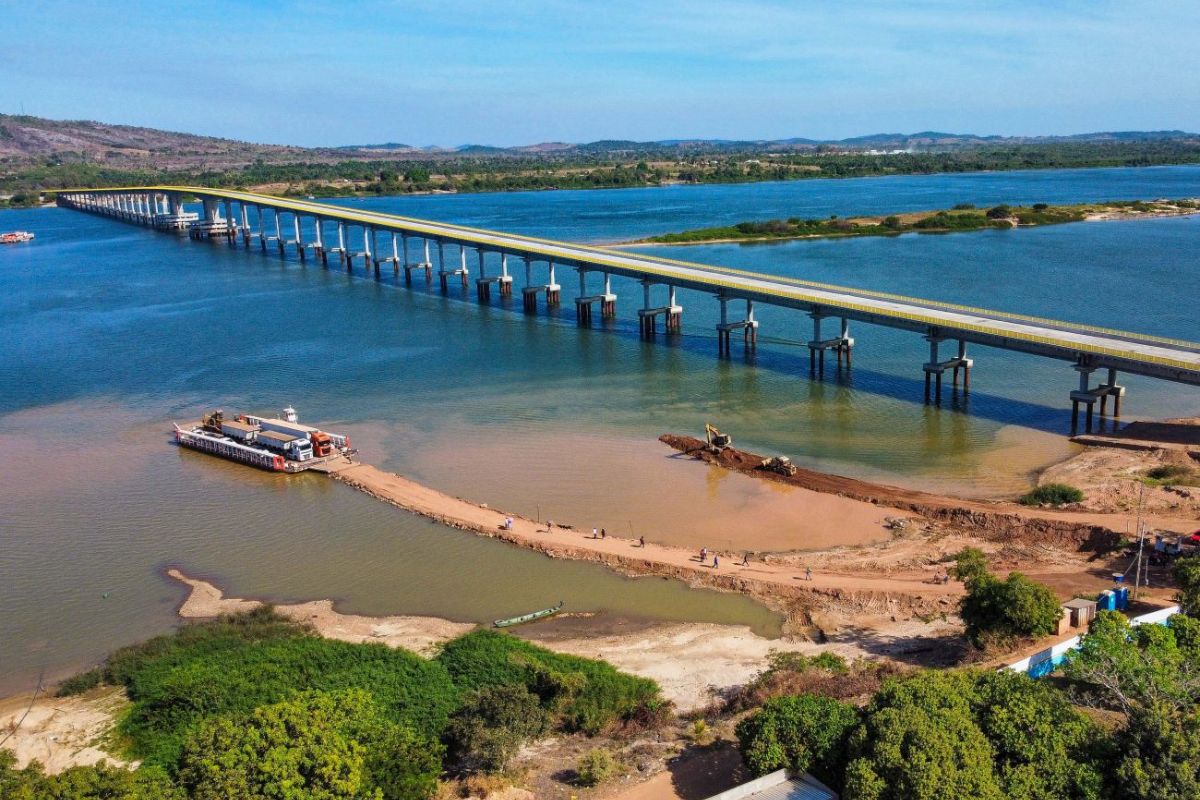
Know The Story Of The Xambioá Bridge, The Project That Promises To Revolutionize Logistics In Northern Brazil, But That, Even 95% Completed, Runs Into Bureaucratic Hurdles And Cannot Be Used Yet.
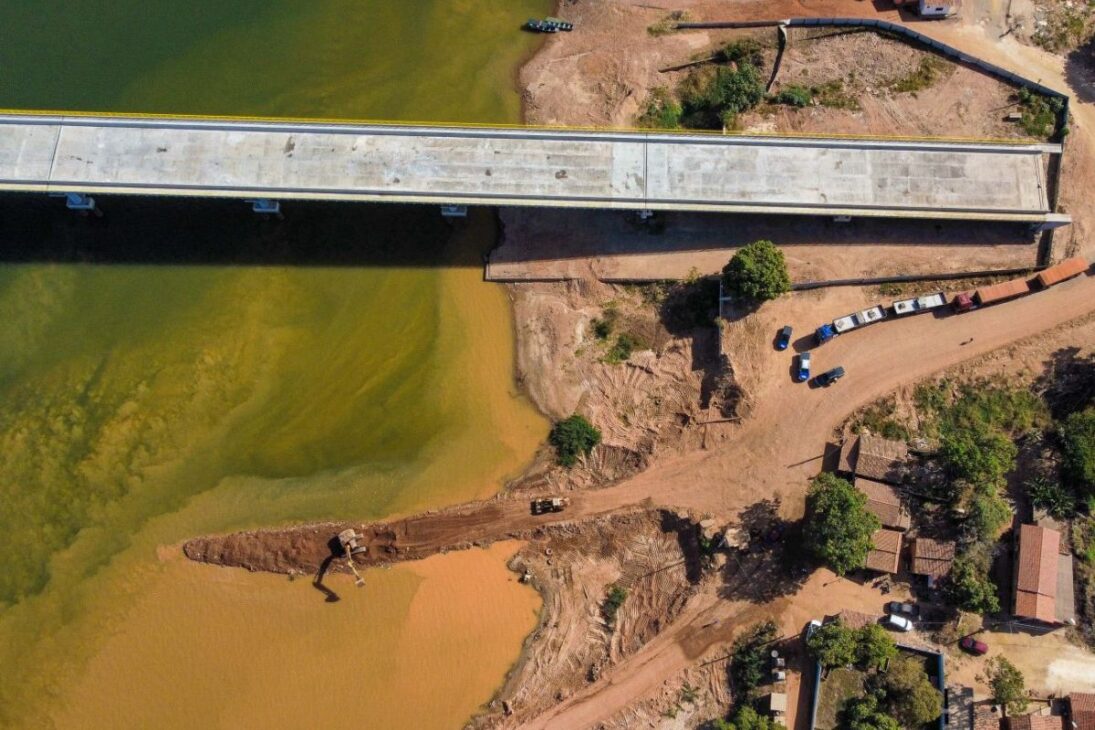
In The Heart Of Brazil, A Concrete And Steel Structure 1,727 Meters Long Stands Over The Araguaia River As A Symbol Of Progress And, At The Same Time, Paralysis. This Is The Xambioá Bridge, A Mega Project Worth R$ 233 Million That Will Connect The States Of Tocantins And Pará Via BR-153. The Project, A Historic Demand For The Region, Is 95% Completed, But A Bureaucratic Impasse Prevents Its Use, Forcing Thousands Of Vehicles To Rely On Slow And Expensive Ferries.
The Saga Of The Construction Of The Xambioá Bridge Spanned Three Administrations And Faced Legal Disputes, But Now It Is One Step Away From Becoming A Reality. Once Finally Inaugurated, It Promises To Reduce The Crossing Time Over The River From Hours To Minutes, Lower Freight Costs For Agriculture, And Unlock Development In One Of The Country’s Most Important Agricultural Frontiers.
A Strategic Project For Brazil
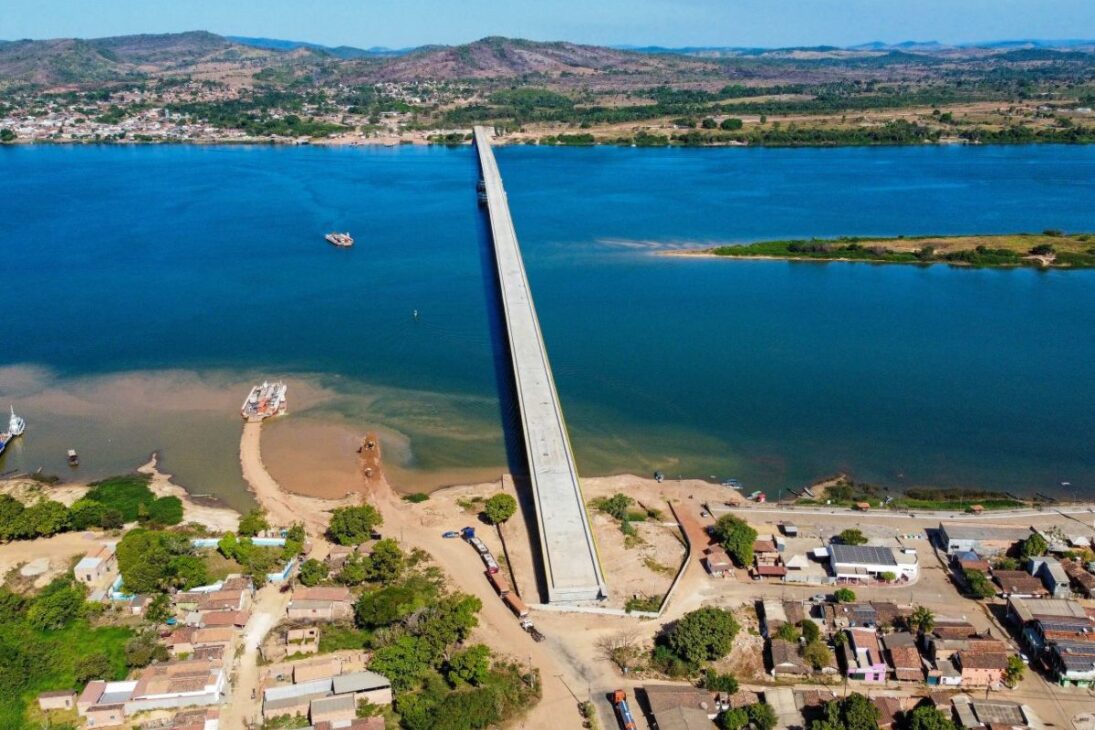
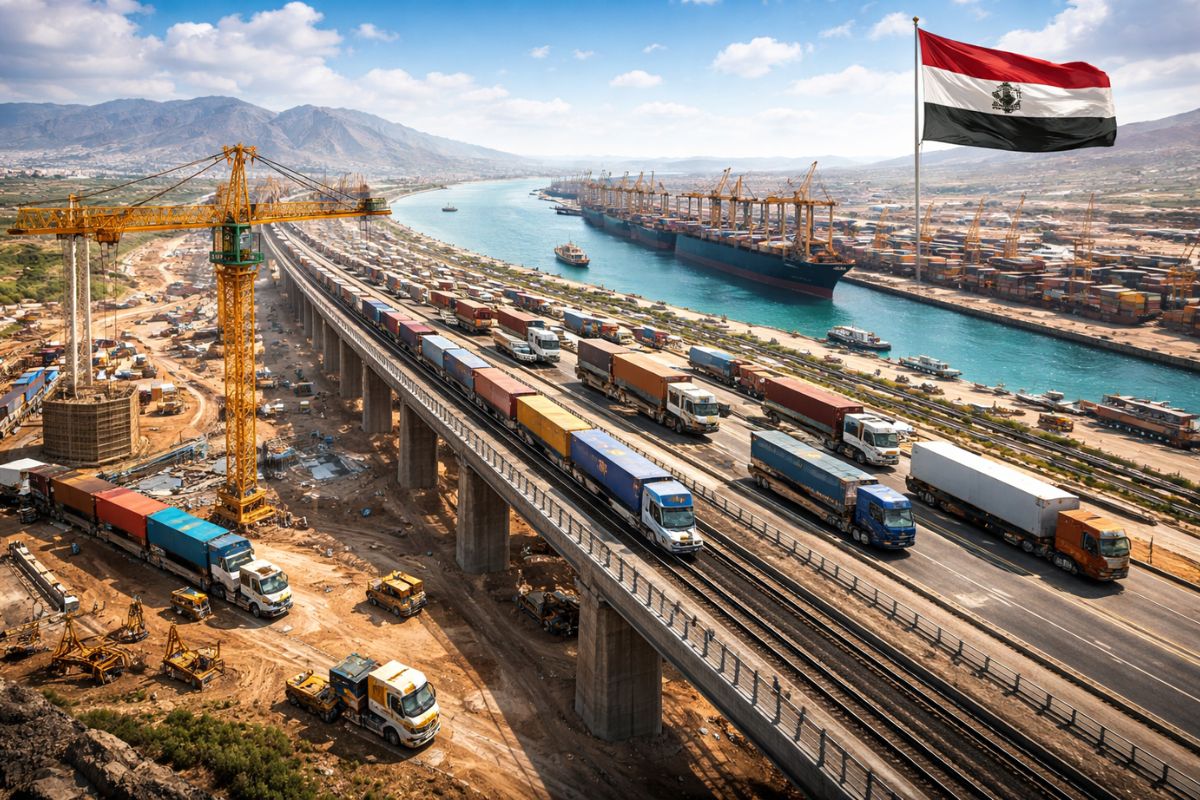
The Xambioá Bridge Is Not Just A Link Between The Towns Of Xambioá (TO) And São Geraldo Do Araguaia (PA). It Is A Key Element In Brazil’s Logistic Infrastructure, Designed To Be The Main Corridor For The Flow Of Production From The Midwest And Matopiba (A Region That Includes Maranhão, Tocantins, Piauí, And Bahia) Towards The Northern Ports.
-
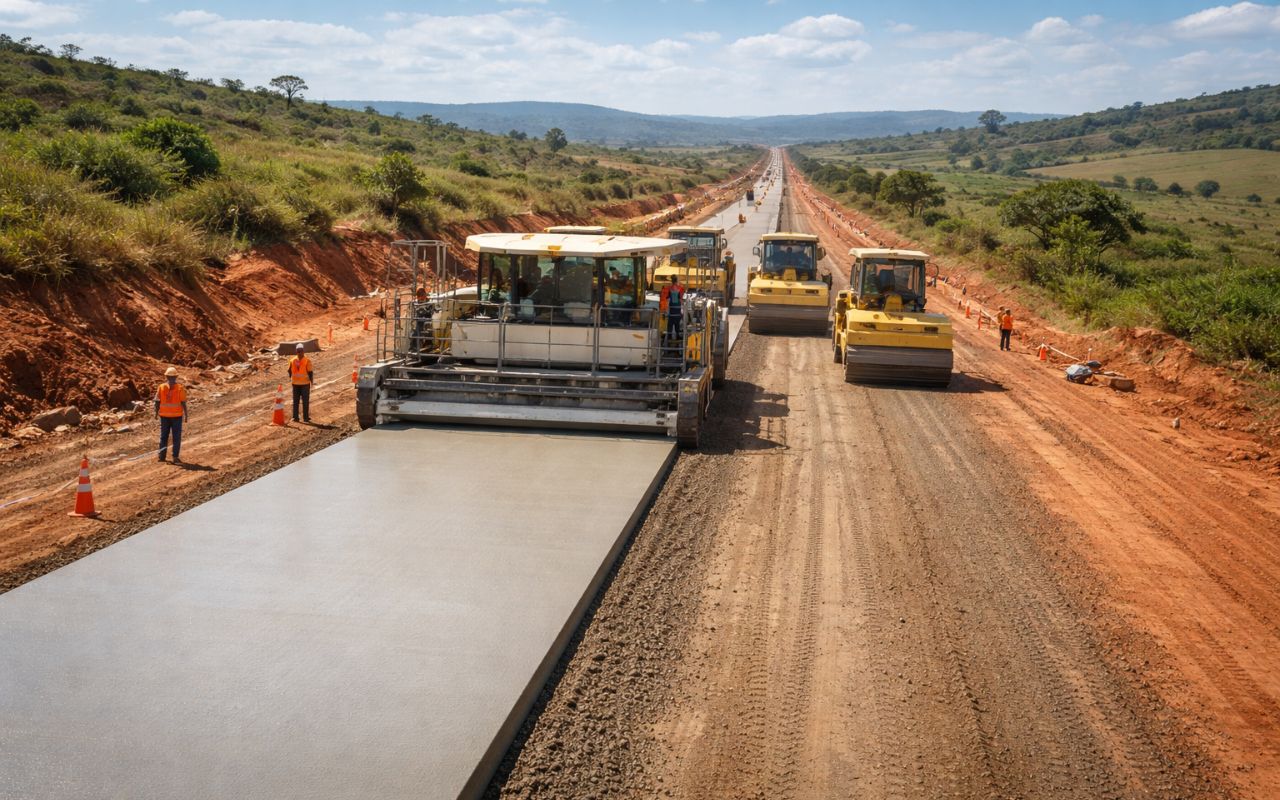
New CCR concrete paving technology promises roads up to 3x more durable, less maintenance, and cost reduction in Brazil.
-
Made from recycled plastic, plastic wood is gaining space in the construction industry because it does not rot, resists moisture, and reduces maintenance costs over the years.

-
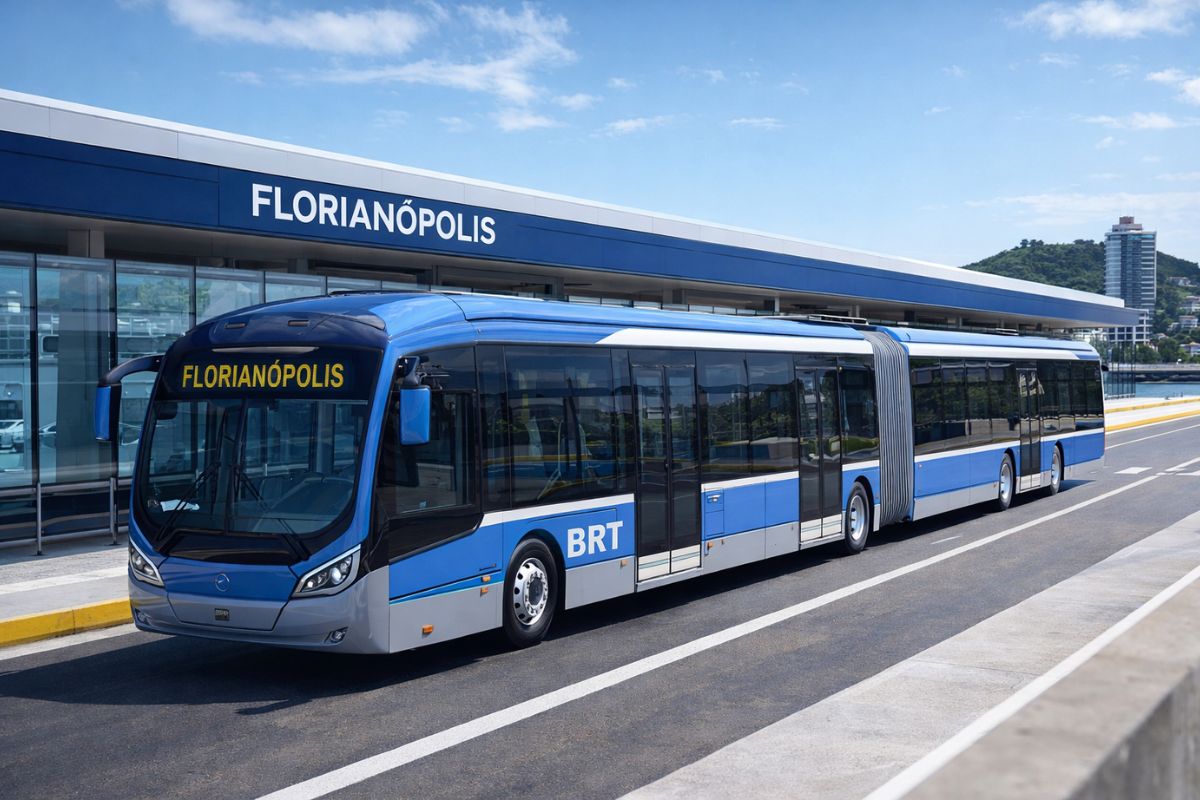
Florianópolis will receive a million-dollar BRT that will begin construction in 2026 with nearly 400 million in funding from the federal government and the Inter-American Development Bank, and the map already shows the routes for the exclusive bus corridors.
-
Without a blueprint, without an engineer, and using scrap from the dump, a father spends 15 years building an 18-room castle for his daughter, featuring tram tracks, 13 fireplaces, and over 700 m², which may now be demolished.

By Eliminating The Need For Crossing By Ferries, The Bridge Will:
- Reduce Transportation Costs By Up To 30%, Increasing The Competitiveness Of Soy, Corn, And Cattle Produced In The Region.
- Integrate BR-153 (Belém-Brasília) Definitively, Eliminating One Of Its Biggest Bottlenecks.
- Connect To The North-South Railway, Creating An Efficient Multimodal Corridor For Foreign Trade.
A Story Of Delays And Legal Disputes
The Construction Of The Xambioá Bridge Has Been A Long-Standing Saga.
- 2017: The Contract Was Signed During Michel Temer’s Administration, But The Project Was Halted Due To Legal Disputes Between The Companies That Participated In The Bidding.
- 2019: The Work Was Resumed Under Jair Bolsonaro’s Government After The DNIT (National Department Of Transport Infrastructure) Managed To Overturn A Court Injunction.
- 2023-2025: The Construction Of The Main Structure Advanced Under Luiz Inácio Lula Da Silva’s Administration, But New Challenges Arose.
The Current Impasse: 95% Completed, 100% Stopped
Although The Imposing Structure Of 1,727 Meters Is Nearly Finished, The Xambioá Bridge Cannot Be Used Yet. The Reason: The Lack Of Road Access, Especially On The Pará Side. The Main Hurdle Is The Expropriation Process Of The Areas Needed For The Construction Of The Access Ramps, Which Is Stuck In The Courts.
While Bureaucracy Stays In Place, The Local Population And Truck Drivers Continue To Depend On A Precarious Ferry System. The Urgency Of The Project Became Even More Evident In July 2025, When One Of The Ferries Collided With One Of The Bridge’s Pillars, Interrupting The Crossing And Causing Long Lines.
The Impact On The Lives Of The Population And The Economy
The Completion Of The Xambioá Bridge Is Anticipated With Great Expectation. For The Residents Of The Region, Who Currently Pay A High Price And Waste Hours Trying To Cross, The Bridge Represents Safety And Time Savings.
For The Economy, The Impact Will Be Transformative. It Is Estimated That The Project Will Directly Benefit More Than 1.5 Million People And Boost The Local GDP By Up To 20%. The Bridge Will Not Only Facilitate The Flow Of Production But Also Attract New Investments, Creating Jobs And Development For A Strategic Region Of Brazil. The Expectation Is That, With The Resolution Of The Expropriation Processes, The Bridge Will Finally Be Delivered In The Second Half Of 2025.
And What Do You Think About The Saga Of The Xambioá Bridge? Do You Believe That The Completion Of The Project Will Finally Unlock The Region’s Potential? Share Your Opinion In The Comments!









Seja o primeiro a reagir!