





 Portuguese
  English
  Spanish
  4 min of reading
  0 comments


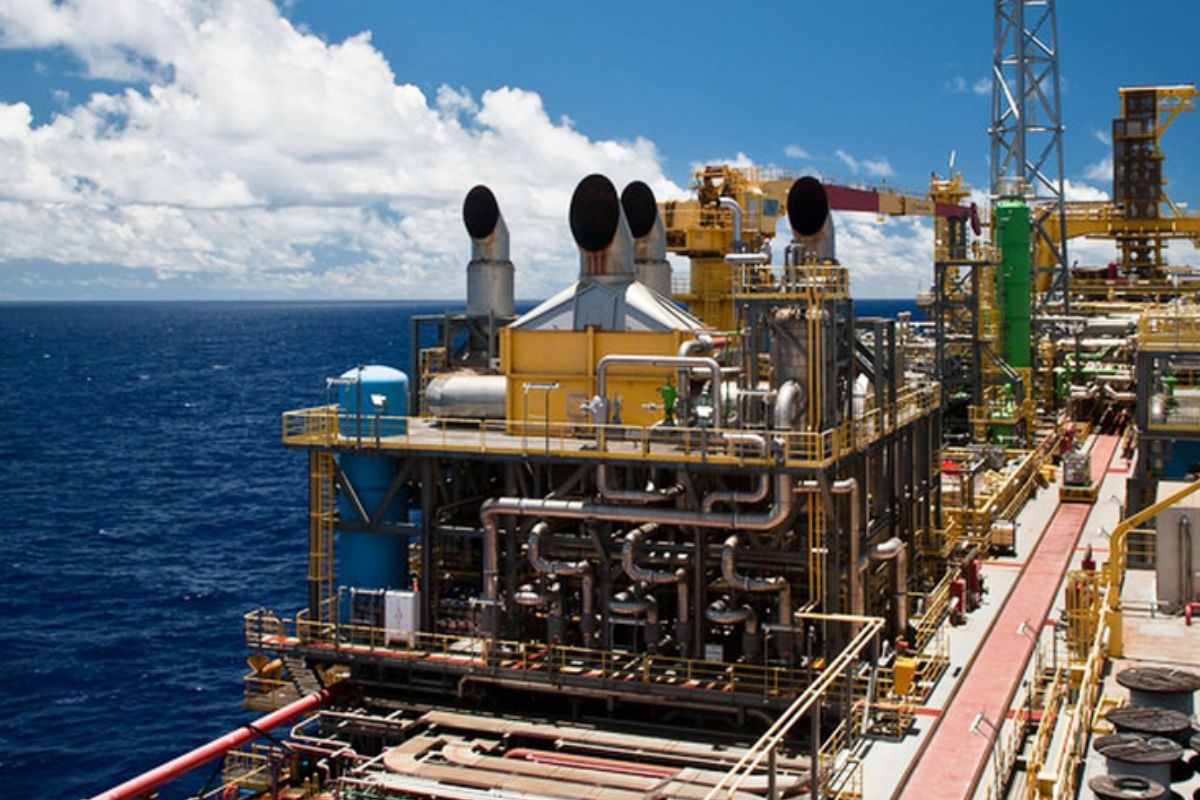
With Production Postponed to 2028, Petrobras Project in Sergipe-Alagoas Basin Advances with Bid for Two New FPSOs to Explore the Largest Gas Reserves in the Country.
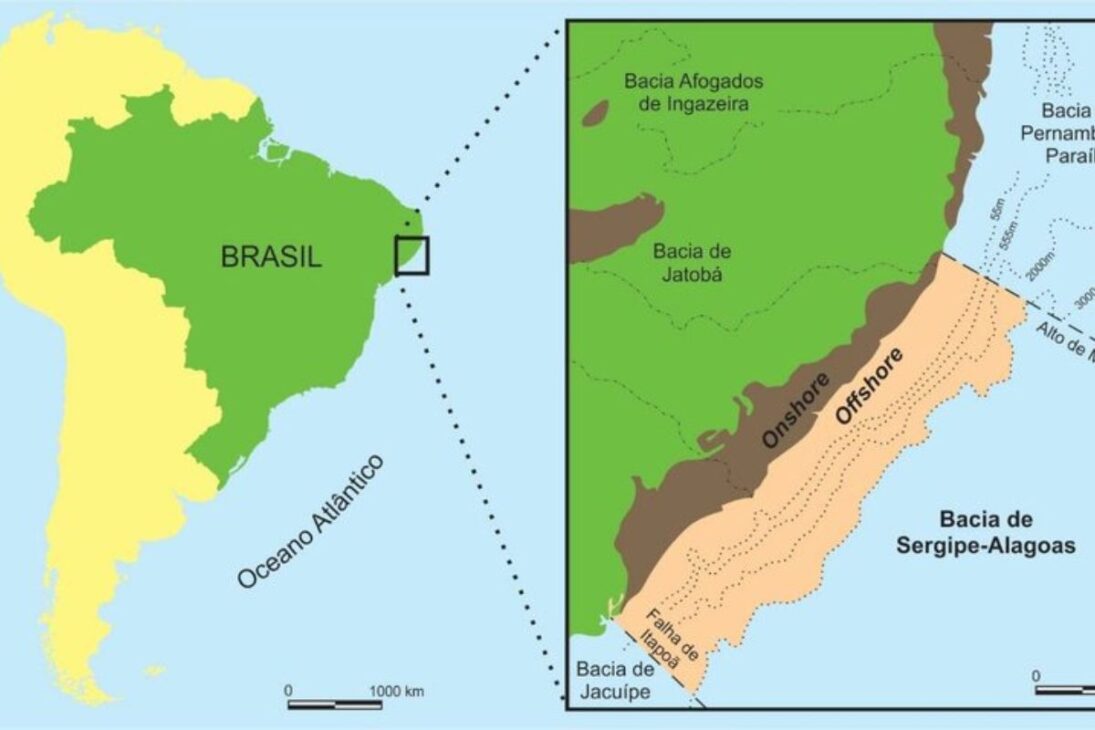
According to data from the National Agency of Petroleum, Natural Gas and Biofuels (ANP), the country’s new natural gas frontier is located in the Sergipe-Alagoas Basin. It is here that the Sergipe Deep Waters (SEAP) project is located, which houses the largest natural gas field in Brazil in contained volume, the Cavala field. This project represents a watershed moment for the country’s energy security and transition.
The start of production, previously scheduled for 2024, has been postponed and now has a new horizon: starting in 2028. The change in the schedule reflects the complexity of the project, which is now moving forward with the bidding process to contract two new floating production storage and offloading units (FPSOs) to enable operations in ultra-deep waters.
The Dimension of the Reserves in the Sergipe-Alagoas Basin
The discoveries in the Sergipe-Alagoas Basin were announced by Petrobras over the past decade. ANP confirmed the immense potential of the area, which has become the new major bet for gas production in Brazil.
-
Lula reveals a masterstroke by Petrobras to undo a deal made by Bolsonaro, which involves the return of an important refinery that currently produces less than half of what was expected and makes Brazil dependent on international diesel.
-
A study confirms that the natural gas sector will reduce greenhouse gas emissions in Brazil by 0.5% and accelerate the energy transition by 2026.

-
Petrobras implements a severe adjustment and confirms a 55% increase in the price of aviation kerosene with a proposal for installment payments for the companies.

-
The rise in oil prices could ensure an extra revenue of R$ 100 billion for the Federal Government, indicates a recent economic study.


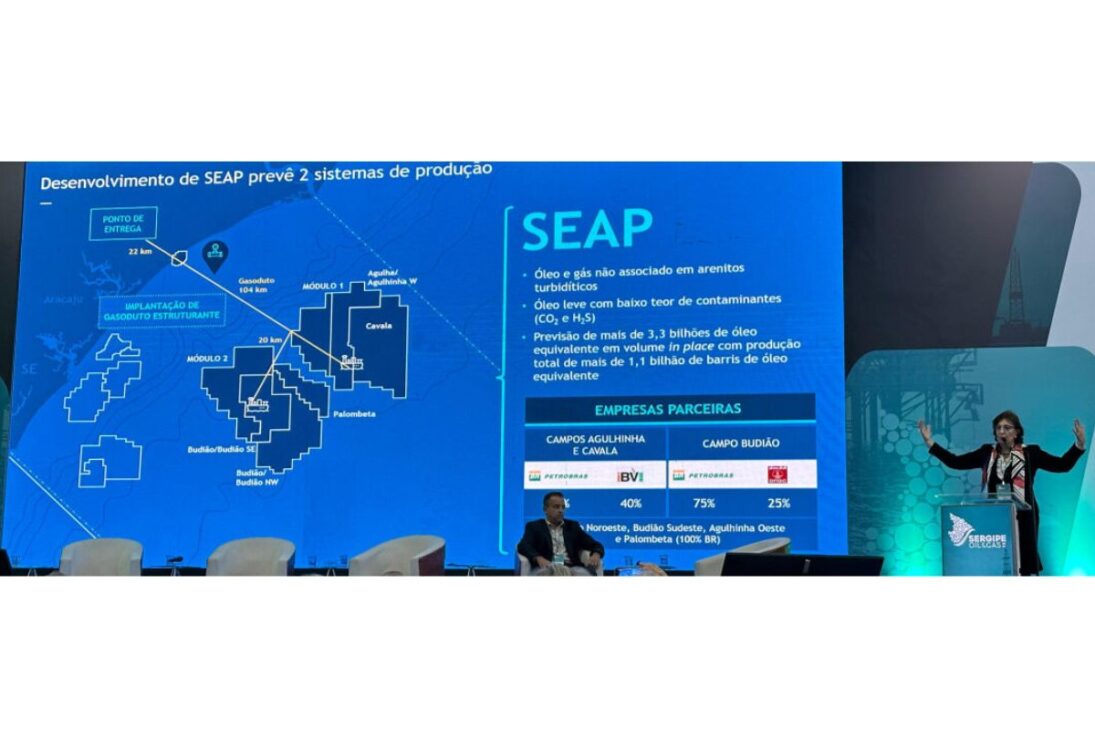
The Sergipe Deep Waters project encompasses a set of five fields: Agulhinha, Budião, Cavala, Palombeta, and Aracelis. Among them, Cavala stands out for having the largest volume of contained natural gas. An important feature is that it is non-associated gas, meaning gas is the main product, unlike the pre-salt fields in the Santos Basin, where gas is mostly tied to oil production.
Production Starting in 2028 and the Bid for FPSOs
The start of production for the Sergipe Deep Waters project has been one of the most anticipated topics in the energy sector. However, the initial schedule has been revised. Petrobras confirmed that the project has been postponed, with the start of production now expected to begin in 2028.
The main reason for the postponement is the complexity in contracting the production units. Instead of a single platform, the current plan calls for the contracting of two new floating production storage and offloading units (FPSOs) for the region. The bidding process for these two units is underway, and the expectation is that contracts will be finalized to enable the new schedule. It’s important to clarify that the FPSOs P-78 and Alexandre de Gusmão, previously associated with the project in outdated information, were actually designated for other fields in the pre-salt Santos Basin (Búzios and Mero, respectively).
The Planned Infrastructure: From The Seabed to The Continent
The infrastructure to transport production from the largest natural gas field in Brazil and its surroundings will be monumental. The gas produced in the SEAP fields will be transported through a 128-kilometer pipeline, which will connect the future FPSOs to the Sergipe coast.
Of this total, 115 km will be offshore and 13 km on land. The final destination of the gas will be the Gas Treatment Unit (UTG) of Candeias, located in the municipality of Carmópolis (SE). It is at this unit that the input will be processed and prepared to be injected into the national gas pipeline network.
The Challenges of Exploration and the Partnership with TotalEnergies
Exploration in the Sergipe-Alagoas Basin is marked by significant technological challenges. The primary difficulty is the depth of the waters, which reach up to 2,950 meters, and the characteristics of the reservoirs, which require cutting-edge equipment.
To enable production, Petrobras will apply advanced technologies, including subsea collection systems and equipment resistant to high pressures. The total investment in the project is estimated at US$ 5 billion. The project is a partnership between Petrobras, which is the operator with a 75% stake, and the French company TotalEnergies, which holds the remaining 25%.
Strategic Impact: What to Expect from The New Gas Supply?
The future start-up of the largest natural gas field in Brazil has profound implications for the country. With the capacity to add up to 18 million cubic meters of gas per day, the project can increase the national gas supply by approximately 50%.
This will directly contribute to the reduction of reliance on imported gas from Bolivia and Liquefied Natural Gas (LNG) from other markets. The expectation is that the greater availability of gas, starting in 2028, will foster competitiveness, boost reindustrialization, and attract new investments to the Brazilian energy sector.









Seja o primeiro a reagir!