





 Portuguese
  English
  Spanish
  5 min of reading
  1 comment


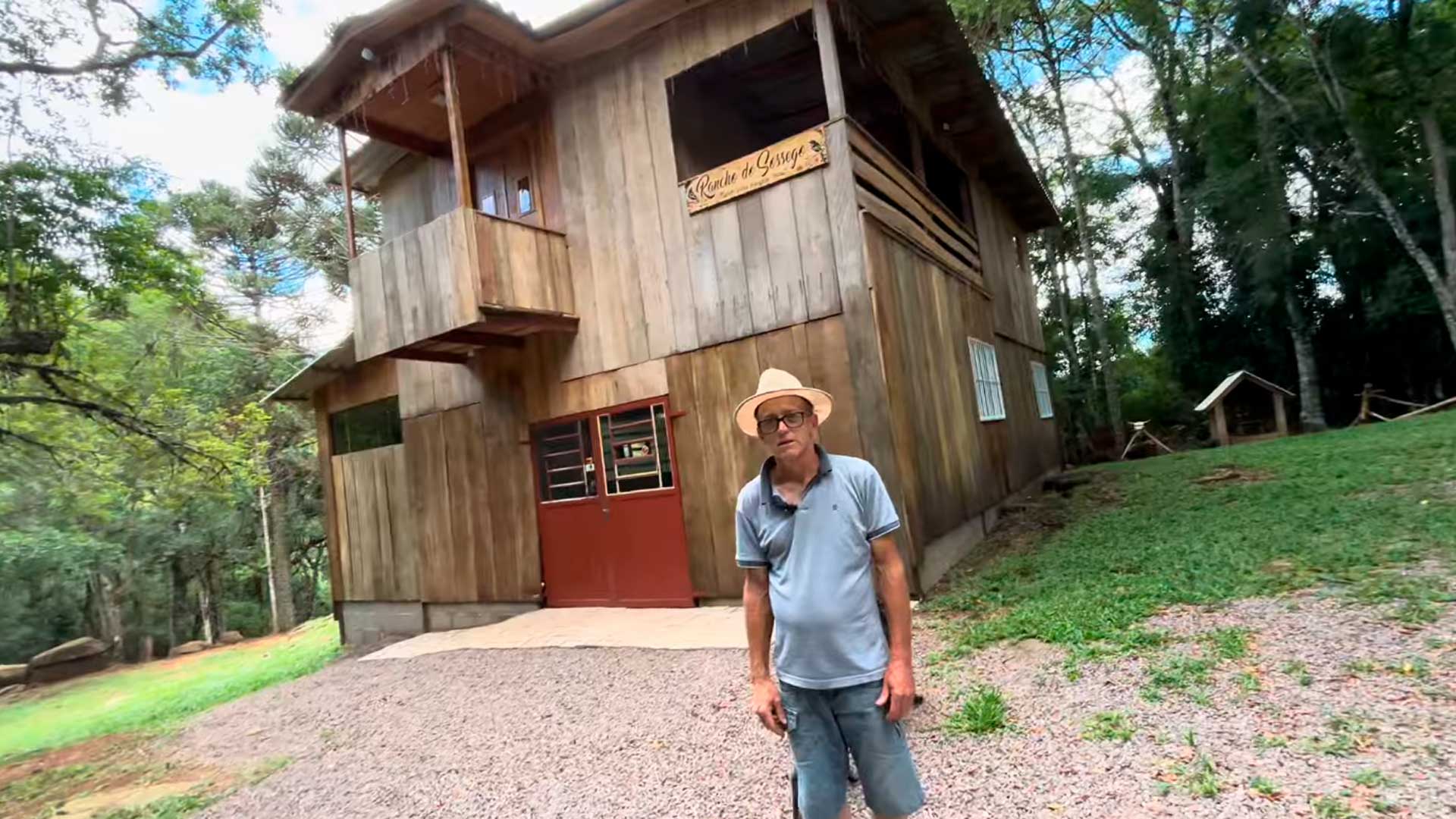


In Monte Alegre dos Campos, A Farmer Transformed His Own Colonization Story Into A Rest Stop With A Rustic Ranch, Trails, And Certified Organic Production
The routine at Sítio Alegria, in the Nossa Senhora da Saúde community, in Monte Alegre dos Campos, in the Serra do Rio Grande do Sul, has gained a new chapter with the opening of a rural tourism space and the diversification of organic crops.
The story was told by farmer Eliseu Guerra in an interview recorded on site, where he details how the family property became a visitation point without abandoning production.
Monte Alegre dos Campos is a small rural municipality, with an area of about 549 km² and an estimated population of 3,251 people, according to IBGE. (IBGE) The city itself is described by the city hall as part of the Campos de Cima da Serra, with a landscape of fields and hills and rivers such as Quebra Dentes, das Antas, and Governador, in addition to an economy linked to fruit cultivation and livestock farming.
-
Home environment can influence the brain, mood, and well-being: studies indicate an increase of up to 15% in productivity, a reduction of 12% in stress with plants, and a direct impact of the circadian rhythm on the 24 hours of the day.

-
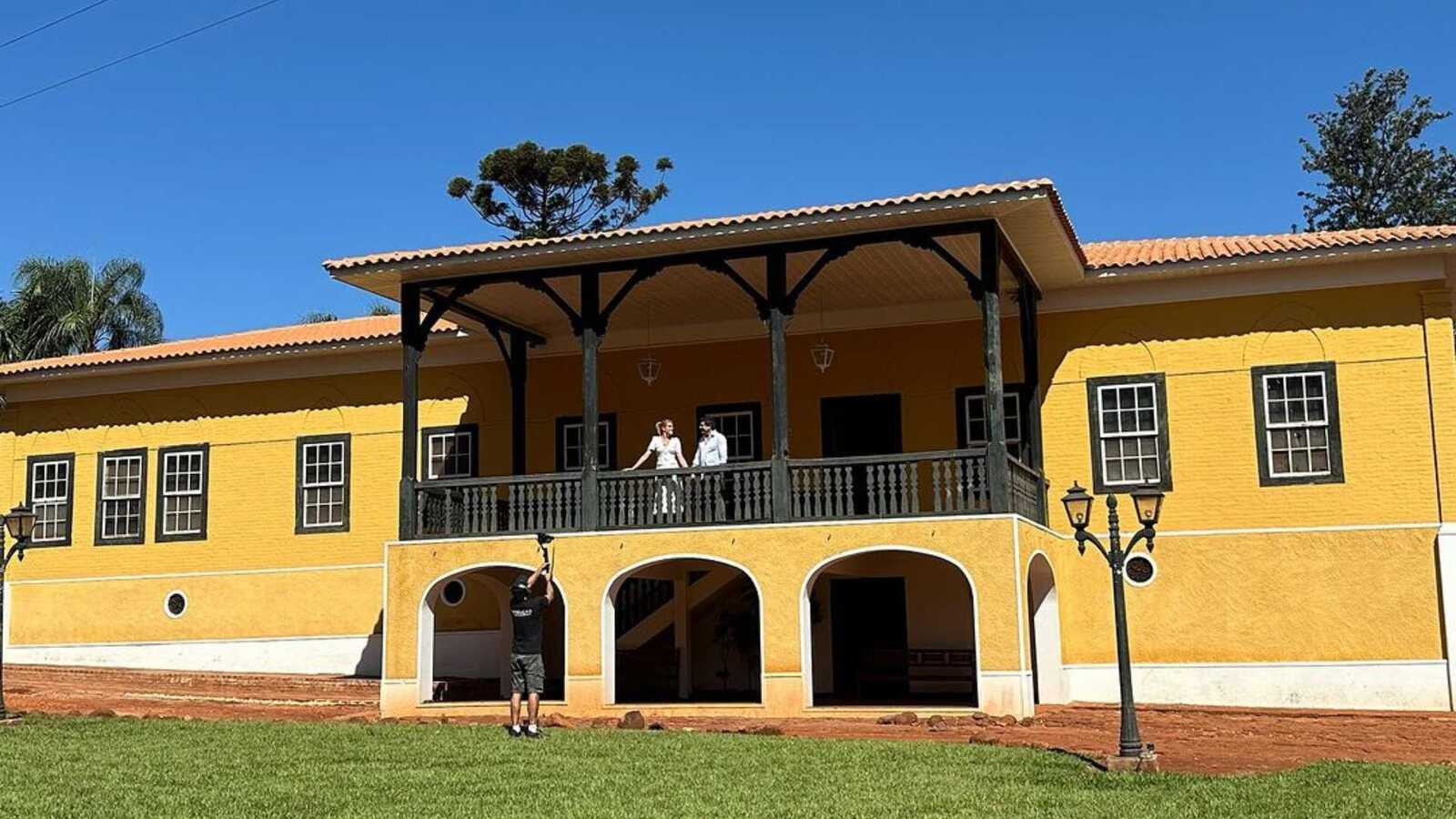
A Brazilian millionaire couple restores a farm over 150 years old in the interior of São Paulo and transforms the historic property with Portuguese tiles, antique furniture, and new spaces into a refuge that blends tradition, comfort, and sophistication.
-
Submerged city in a lake in Minas reveals intact streets, preserved vehicles, and houses after more than 60 years, impressing divers.

-
Yellowstone has started to rise again in an area of the caldera, and the movement rekindles fears surrounding the U.S. supervolcano, as scientists monitor the deformation and try to understand what is happening underground.

In the video, Eliseu presents the property as an example of family agriculture that seeks to reduce dependence on a single crop. He states that he has maintained organic certification for decades and that in recent years he added tourism, small fruits, and a little-known crop in the urban imagination, poejo, intended for oil extraction for industry.
Sítio Alegria Carries Italian Heritage And The Memory Of Colonization In The Woods; Watch The Video

Eliseu recounts that he has lived in the area for 33 years and that the land was colonized by his grandfather, Luís Antônio Indicate, and his grandmother, Rosa Bonato Indicate, who came from the Caxias do Sul region to settle in the woods, at a time without roads and crossing rivers on horseback.
The narrative highlights a common pattern of colonization in the interior of the state, when families sought nearby neighbors for mutual support and opened the first ranches near water.
The city hall describes that the local population has a strong presence of Italian and Portuguese descendants and that the municipality is divided into several communities.
The producer also mentions old reports about the presence of wild animals at the time the first families arrived, something that reinforces the idea of the area’s historical isolation. He uses this past as part of the “tale” that today helps explain the value of preserving woods, trails, and water sources.
Organic Agriculture And Extra Income From Poejo Become A Strategy To Keep The Family In The Fields
In the interview, Eliseu describes a property of about 37 hectares, where he raises cattle and cultivates crops such as grapes and blackberries, in addition to gardens for his own consumption. The city hall points out that Monte Alegre dos Campos stands out in fruit cultivation, with a relevant position in apple and grape production in the state, which helps contextualize the strength of this regional vocation.
One of the most striking points is the cultivation of poejo on an area of approximately half a hectare, done with a guaranteed purchase contract from a company that guides the management to improve quality. According to him, the harvest occurs in March, and the raw material goes for oil extraction, which then enters the perfumery industry.
The use of essential oils from aromatic plants in the industry is well known, and studies on Mentha pulegium mention the application of the oil in food and also in perfumery, as well as in pharmaceutical products and as a repellent.
This helps explain why a seemingly simple crop can become a source of additional income in small areas.
At the same time, experts warn that poejo is not an “innocent little plant” in any form of use, especially when it comes to essential oil. Academic materials and botanical publications indicate the risk of toxicity and contraindications, emphasizing that it is not something for consumption without guidance.
The producer also details the blackberry as a bet that required market adaptation, since, according to him, there was an increase in planted area in the region and times of excessive production. To face this, he says he uses a cold chamber and sells part of the fruit frozen and graded, trying to add value.
Rural Tourism In Monte Alegre dos Campos Grows With Rustic Ranch, Waterfall, And Rental By Appointment
The other pillar of the story is the Rancho do Sossego, built near the river and surrounded by forest, with a kitchen, dormitories, and facilities for groups seeking rest and contact with nature. Eliseu states that it took him more than two years to complete the construction, at a pace compatible with the demands of the farm, and that he used already-fallen or reclaimed wood to reduce the impact.
He says that the space operates by appointment, serving one group at a time, and the charging model is flexible, allowing for couples as well as larger groups, without forcing visitors to always pay for the entire house. The proposal fits into a growing demand for nature tourism and short rural experiences.
The city council itself has already expressed support for the development of tourism in the Campos de Cima da Serra, highlighting nature with fields, hills, and crystal-clear rivers and reinforcing the regional vocation.
In the regional tourism guide, the Guerra Family is mentioned among the entrepreneurs of the rural route of the municipality, alongside other local families.
Agrotourism Expansion Reignites The Debate On Preservation And Fair Prices In The Countryside
The story of Sítio Alegria exposes a dilemma that runs through rural Brazil, such as diversifying income without altering the territory. On one side, there are those who see rural tourism as a way to keep young people and families in the countryside, valuing culture and organic production with more margin.
On the other, there is increasing pressure for tourism exploitation not to become a burden on trails, rivers, and forest areas, especially when waterfalls and natural pools are included in the itinerary. The regional guide itself sells the idea of tranquility and contact with water and waterfalls, which increases the responsibility for management and boundaries.
Another recurring discussion is the price of organic products and rural lodging. Part of the audience supports paying more for certified production and exclusive experience, while another part questions whether this “elitizes” access to places that were previously only for the community.
In Eliseu’s case, the bet is that the combination of organic agriculture, processing to add value, and scheduled tourism creates a sustainable cycle. The city already has an economic base linked to fruit cultivation and livestock, which can favor visitation models connected to local production.









Ya tubieron que quemarlo al hombre ahora el gobierno, abaricioso yeno de abaricia baaa a ir corriendoo x encajarle multa o impuesto