





 Portuguese
  English
  Spanish
  4 min of reading
  11 comments


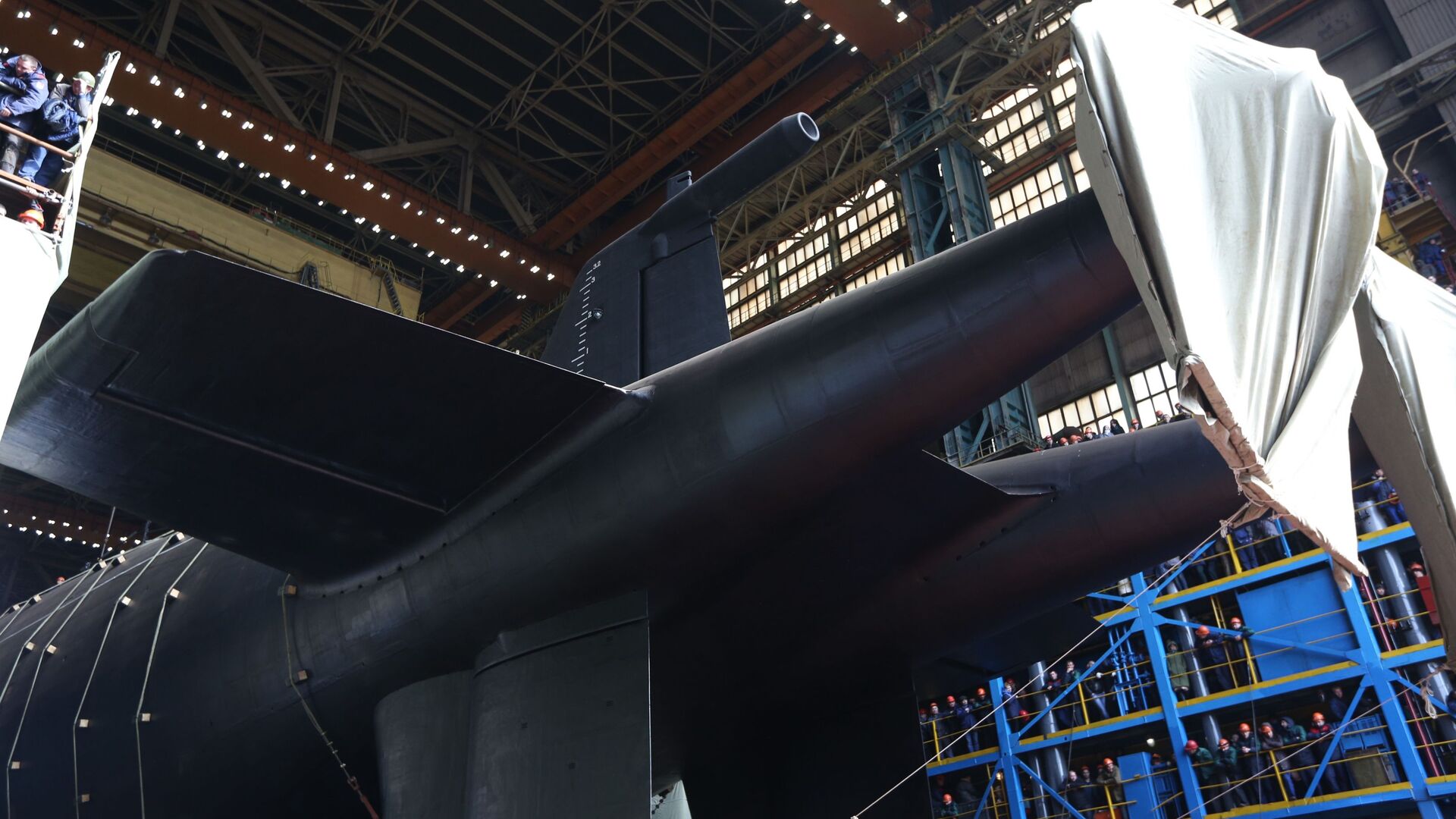


With 184 Meters, Up to 24,000 Tons Submerged and Capable of Launching Poseidon Nuclear Torpedoes, the Russian Submarine Belgorod Redefines Strategic Power Under the Sea.
Few contemporary military projects have had as much impact among analysts as the K-329 Belgorod. Far beyond being just another nuclear submarine, the Belgorod was conceived as a multifunctional strategic platform, capable of operating at extreme depths, remaining submerged for months, and carrying some of the most controversial underwater weapons ever designed. Its entry into service represents a quiet yet profound shift in naval deterrence logic.
Since the first official announcement, the focus has not only been on its size, although it is impressive — but on the unprecedented role that the Belgorod occupies within the Russian Navy: that of a link between traditional submarines, strategic underwater drones, and hybrid warfare missions in the deep ocean domain.
A Submerged Colossus Outside Traditional Standards
Measuring 184 Meters in Length, the Belgorod is among the largest submarines ever built, surpassing most modern classes in operation worldwide.
-
The German “steel monster” weighing 55 tons fires up to 10 projectiles per minute at over 40 km and avoids counterattacks on the battlefield by moving quickly to escape enemy attacks; meet the Panzerhaubitze 2000.

-
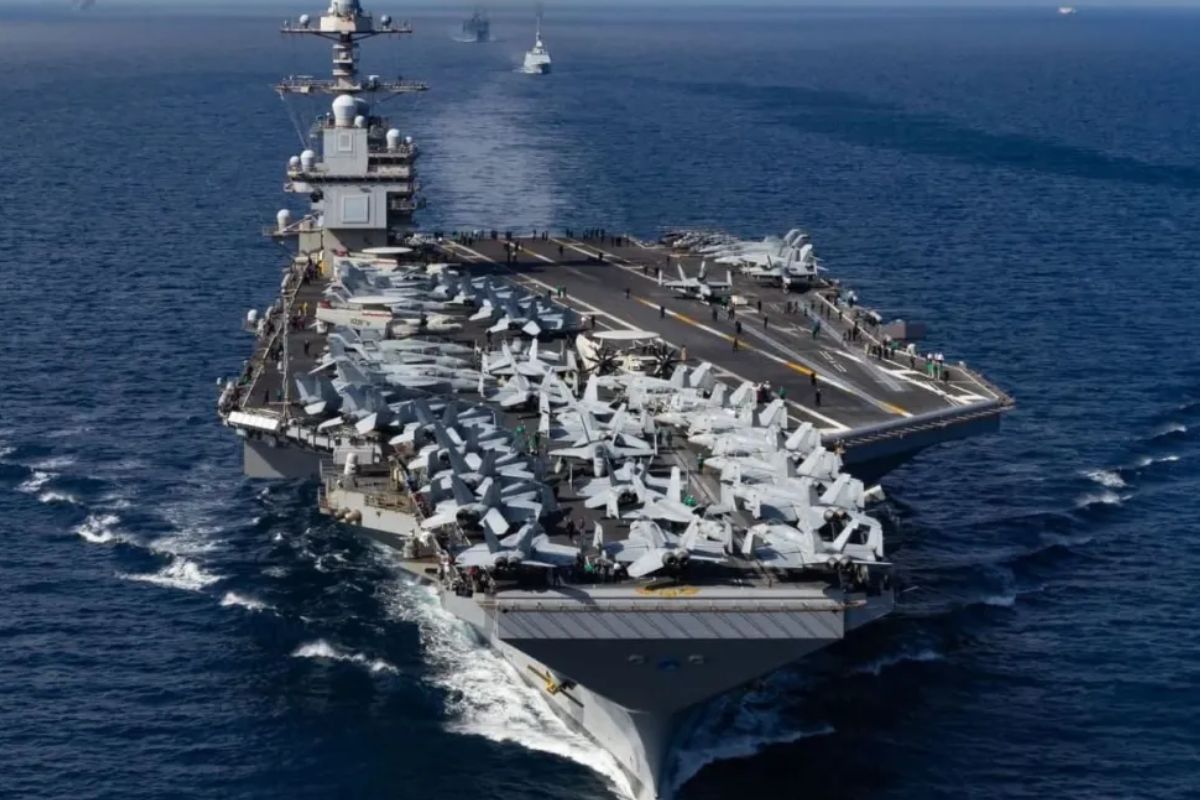
USS Gerald R. Ford, the largest aircraft carrier in the world, returns to sea after a fire in the laundry in the Red Sea; repaired in Crete, it resumes missions of Operation Epic Fury against Iran.
-
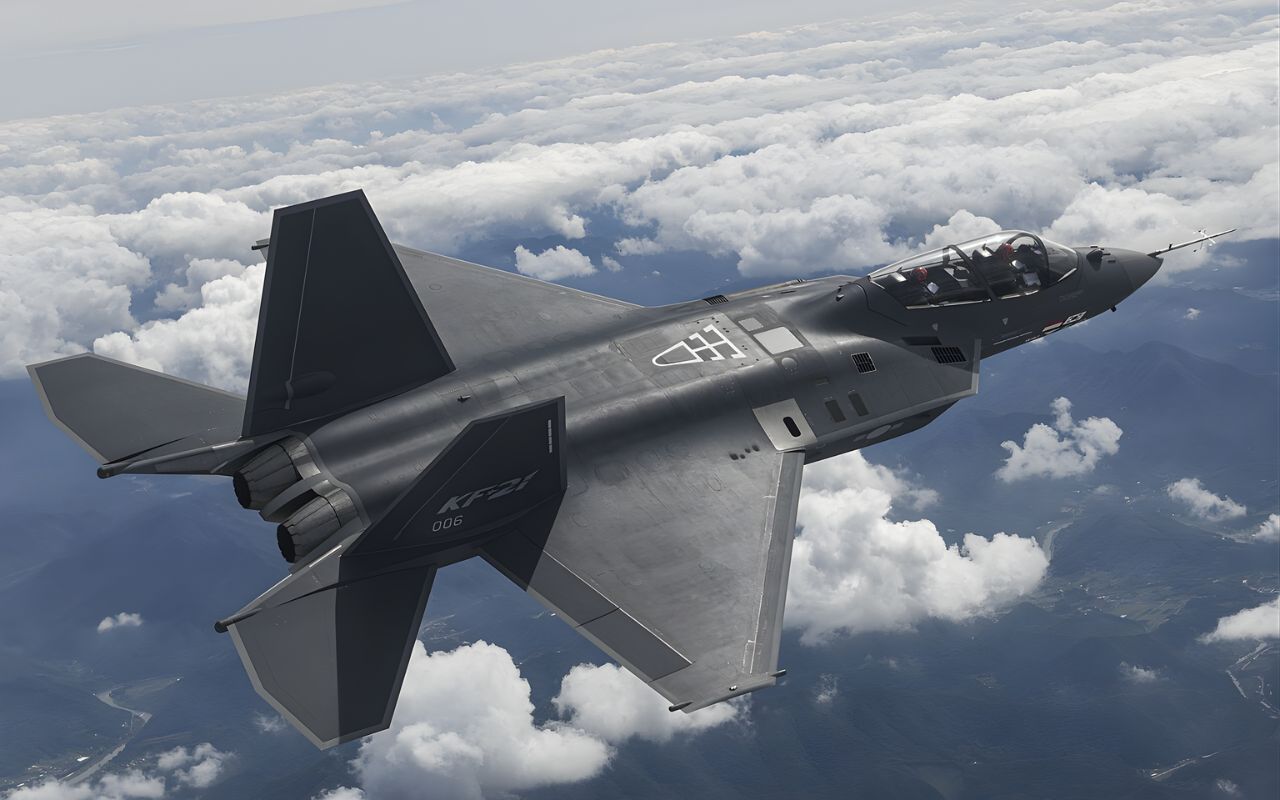
Military power: South Korea’s new KF-21 fighter jet will be a key component in replacing the aging aircraft of the air force, placing the country on the map of air military powers.
-
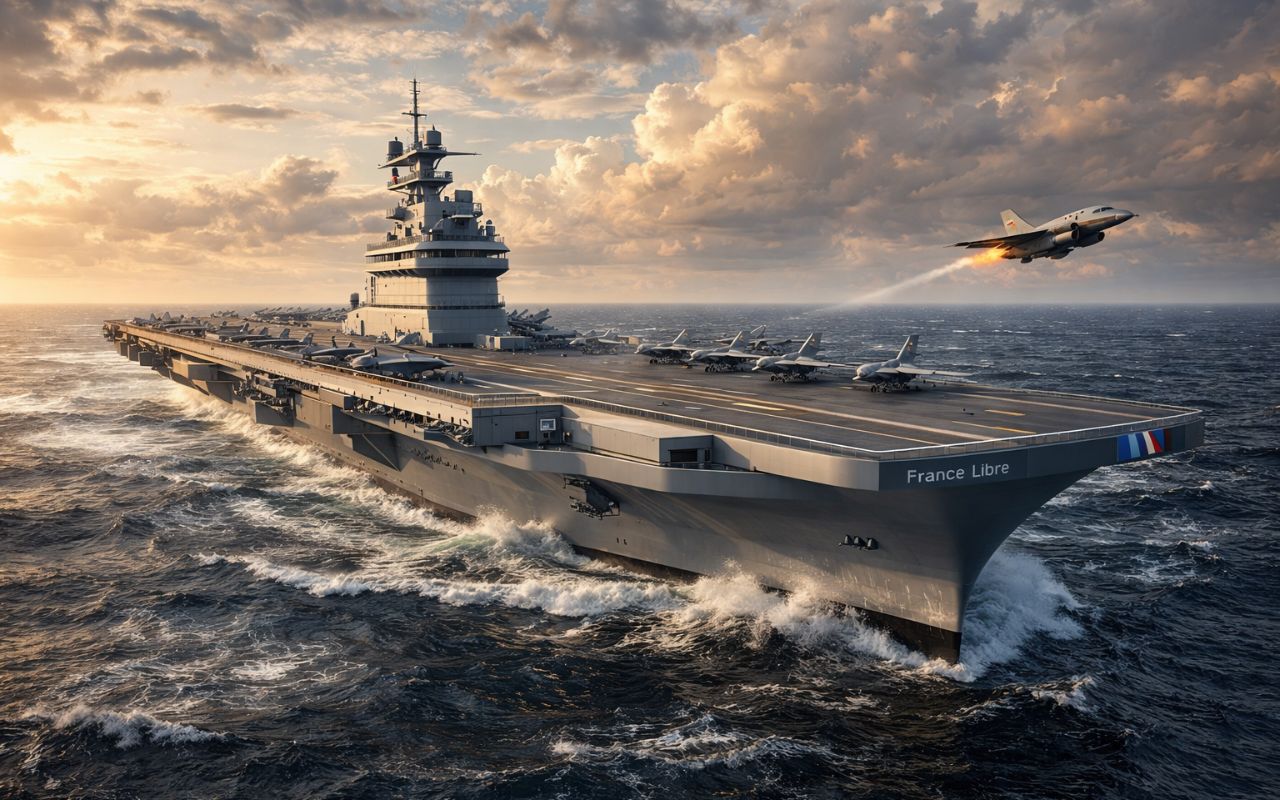
With 310 meters, 80 thousand tons, and capable of operating for 45 years, the new nuclear aircraft carrier France Libre will be the largest in France and will enter service in 2038.

Its submerged displacement of around 24,000 Tons places it in a category of its own, well above conventional attack submarines and even many ballistic missile submarine platforms.
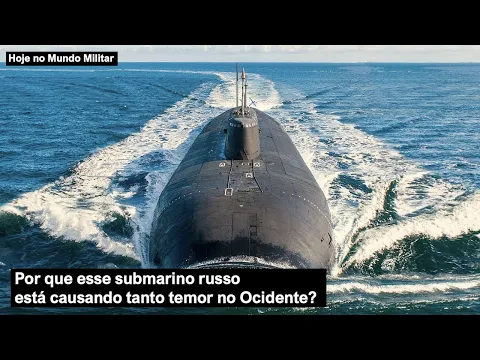

This volume is not coincidental. Unlike submarines focused exclusively on torpedoes or ballistic missiles, the Belgorod was designed to transport special payloads, operate unmanned underwater vehicles, support deep-sea missions, and function as a mobile base for unprecedented strategic systems.
Nuclear Propulsion and Almost Unlimited Autonomy
The heart of the Belgorod is its nuclear propulsion system, based on two reactors capable of providing sufficient power for long periods of continuous operation.
In practice, this means that the limit of submerged time is not imposed by fuel, but by human and logistical factors.
Estimates suggest operational autonomy of up to 120 days without surfacing, a number that drastically expands strategic possibilities. The submarine can cross entire oceans, remain hidden in sensitive areas, and wait for specific operational windows, all without revealing its position.
Poseidon: The Game-Changing Element
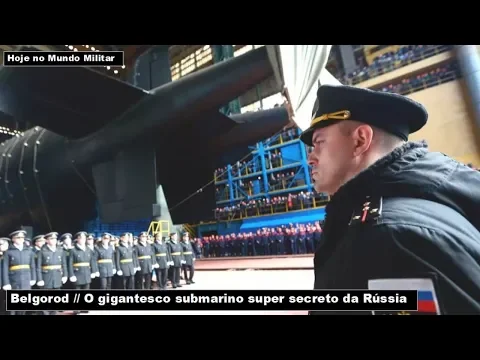
The most controversial and strategically relevant aspect of the Belgorod is its ability to transport and launch the Poseidon, also known as Status-6.
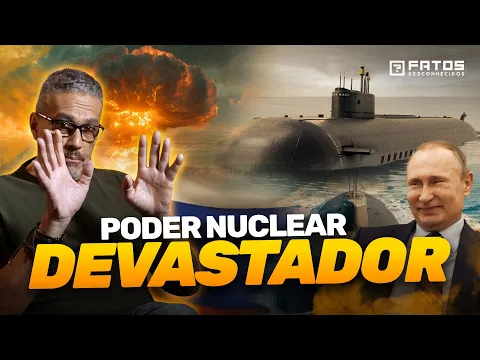
Unlike conventional torpedoes, the Poseidon is a nuclear-powered underwater vehicle with long-range, designed to operate autonomously over thousands of kilometers.
The Belgorod can carry up to six units of this system. Each one is designed to navigate at great depths, bypass traditional defenses, and reach coastal or naval targets with a high-yield nuclear warhead. The combination of extreme range, autonomous operation, and submerged profile creates a significant challenge to existing detection and missile defense systems.
A New Logic of Oceanic Deterrence
Historically, nuclear deterrence has been associated with three pillars: intercontinental ballistic missiles, strategic bombers, and missile-launching submarines. The Belgorod introduces a fourth vector, based on long-duration underwater weapons that are difficult to track.
Instead of relying exclusively on ballistic launches, this model bets on the deep ocean as a strategic space, where sensors are scarce, the environment is hostile, and the adversary’s reaction time is drastically reduced.
This forces other powers to rethink investments in underwater surveillance, sonar networks, and coastal defense.
Multifunctional Platform for Secret Missions
In addition to strategic weaponry, the Belgorod was also designed for special missions. Analysts highlight its capability to support operations on the seabed, such as installing or monitoring underwater cables, launching and recovering submersible drones, and supporting deep-sea research vehicles.
This versatility expands the submarine’s role beyond direct conflict. It also operates in the field of hybrid warfare, where surveillance, potential sabotage, and demonstration of technological capability carry strategic weight comparable to the use of direct force.
Comparison with Other Naval Powers
No other navy currently in operation possesses a submarine with a set of capabilities exactly equivalent to that of the Belgorod.
While the United States heavily invests in stealth attack submarines and experimental underwater drones, and China advances in large-displacement platforms, the Russian project stands out for integrating dedicated underwater nuclear armament into an active operational platform.
This uniqueness does not imply absolute superiority, but indicates a distinct strategic approach, focused on asymmetry, surprise, and exploitation of poorly defended domains.
The Strategic Significance of the Belgorod
The K-329 Belgorod is not just a large or well-armed submarine. It symbolizes a paradigm shift: the recognition that the depths of the sea will be one of the main theaters of strategic contest in the 21st century.
By combining colossal size, prolonged autonomy, and nuclear underwater armament, the project pushes the limits of what is understood by naval deterrence.
Even without firing a single torpedo, the mere existence of the Belgorod fulfills a strategic role. It forces adversaries to invest more, to adapt, and to recognize that, in the depths of the oceans, a new layer of modern warfare is already underway — silent, invisible, and potentially decisive.









This is classic Russian strategy to scare the west at their inferior military. Sheesh…. probably has a host of problems and lucky to even submerge.
American hubris is off the charts. The Russians can and will hit us if they so desire. Sure, we’ll retaliate, but the price is -life ends for most of us very quickly.
Possibly you are having a wet dream, after all can you prove what you are saying, or rely on disinformation, to bolster your ego
Só espero que não faça o mesmo FIASCO que fez o submarino também russo K-141 Kursk em 2000 que, por conta da explosão de um torpedo que carregava, afundou sozinho e matou todos os 118 tripulantes.
Wouldn’t be so bad if it did. Least they couldn’t use it if it happened
Propaganda ****. 1 submarino nuclear dos mais de 40 que os EUA tem carregam 16 TOMAHAWS cada um com várias ogivas nucleares… Cai na real