





 Portuguese
  English
  Spanish
  3 min of reading
  0 comments


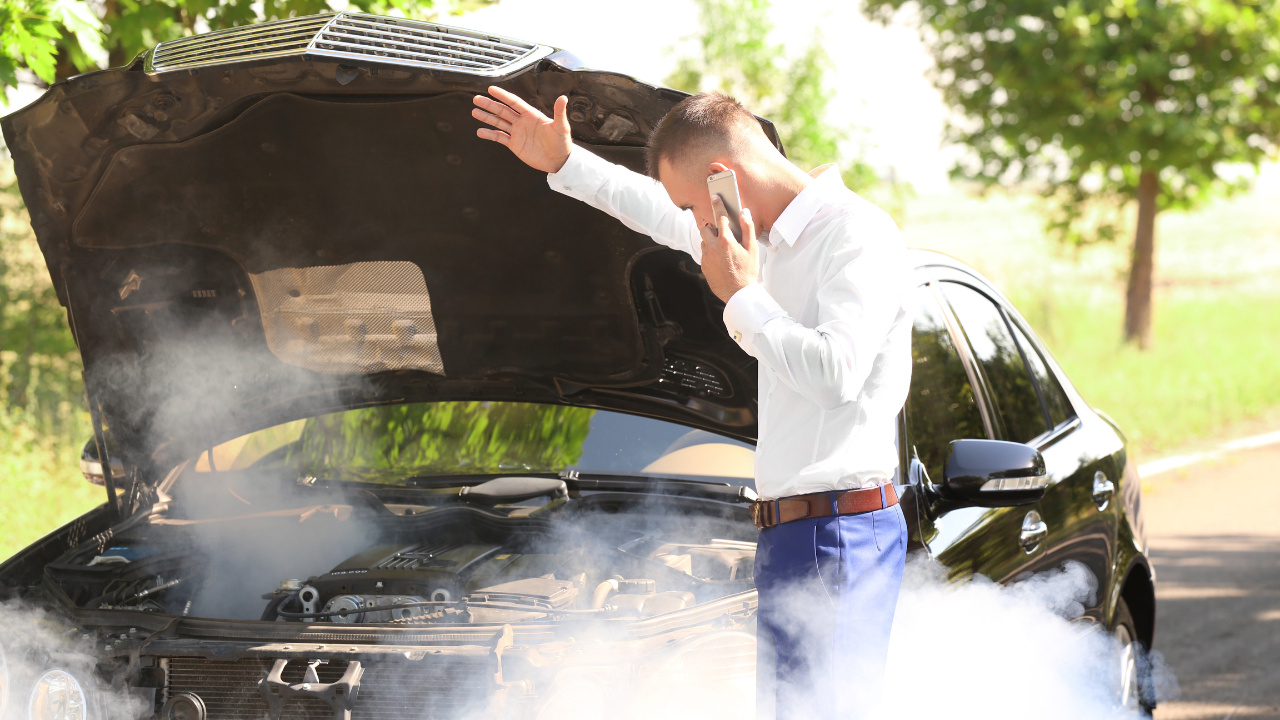
Car Engine Overheating May Indicate The Well-Being Of Your Vehicle. It Is Important To Understand The Cause Of Overheating And How To Act To Avoid Irreversible Problems.
You are driving and suddenly notice that the temperature gauge is rising too fast. This is one of the clearest signs that the car’s engine is overheating. Ignoring the problem can be costly since overheating can compromise essential parts and even render the engine useless.
Why Overheating Is Dangerous
When the temperature exceeds the safe limit, excessive heat can deform internal components, damage gaskets, and compromise the entire system.
It’s like turning your car into a pressure cooker on wheels. Understanding the causes is the first step to avoiding losses.
-
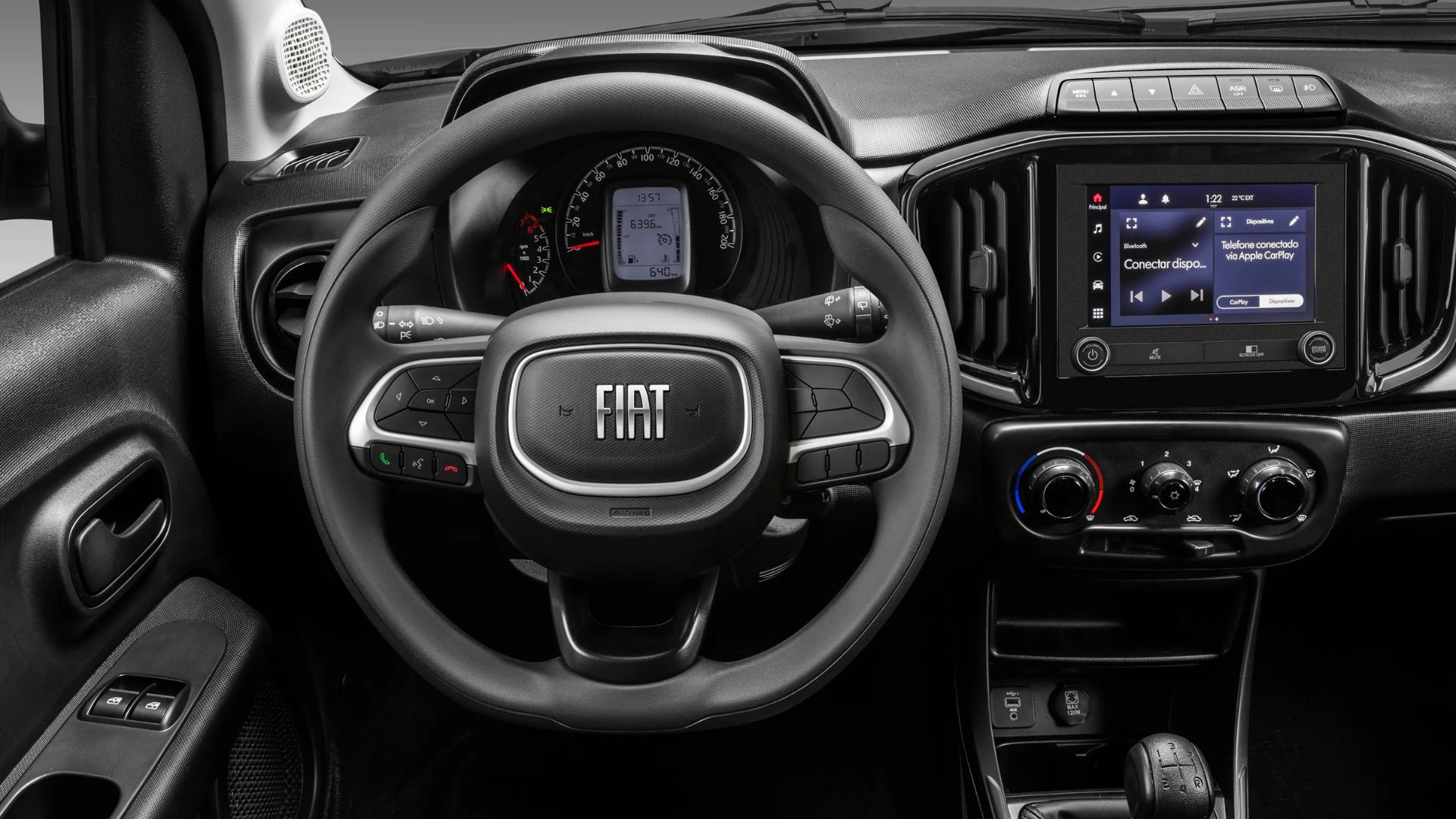
With a 1.0 engine producing 75 hp and costing less than R$ 70,000, Fiat’s car returns to the podium as the cheapest in the country; a temporary promotion for the 2026 Like version reduces the price of the Fiat Mobi.
-
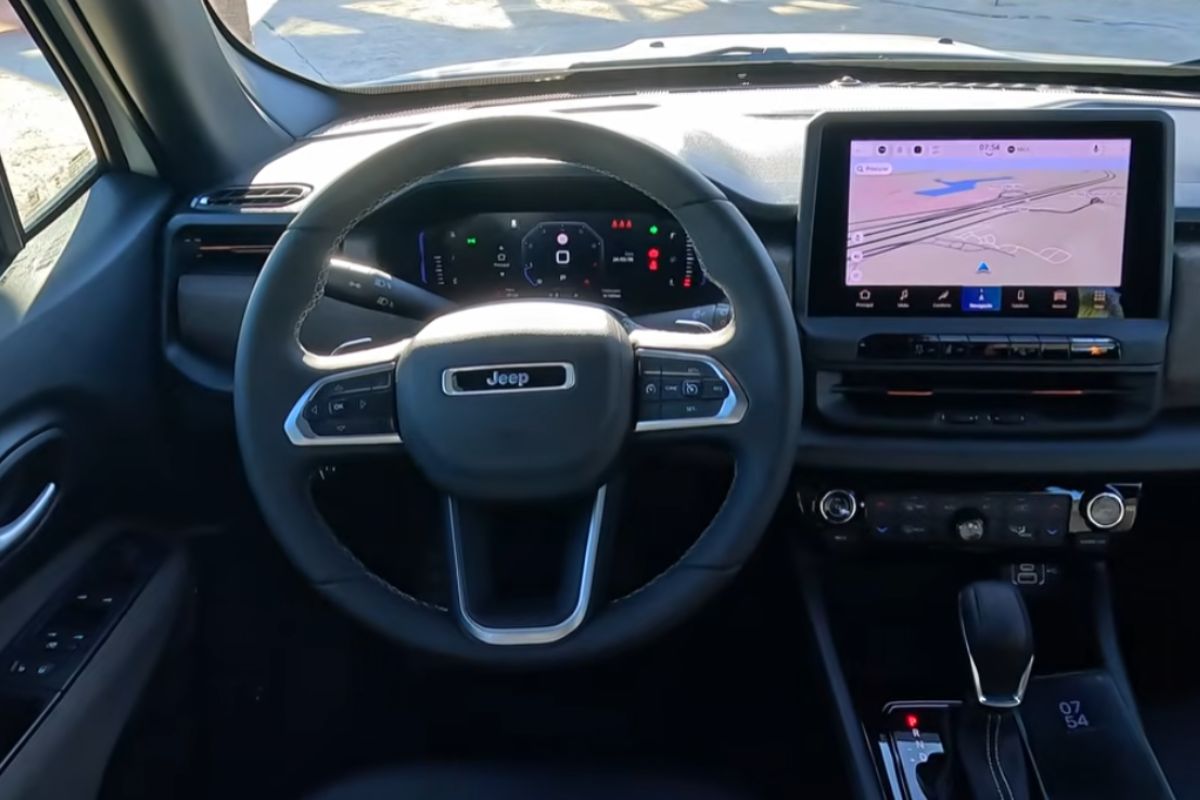
With a mild hybrid system of 48 V, 176 hp and a price of R$ 175,990 in the Sahara version, the new Jeep Renegade changes mostly on the inside, improves slightly in fuel consumption, and remains almost the same car.
-
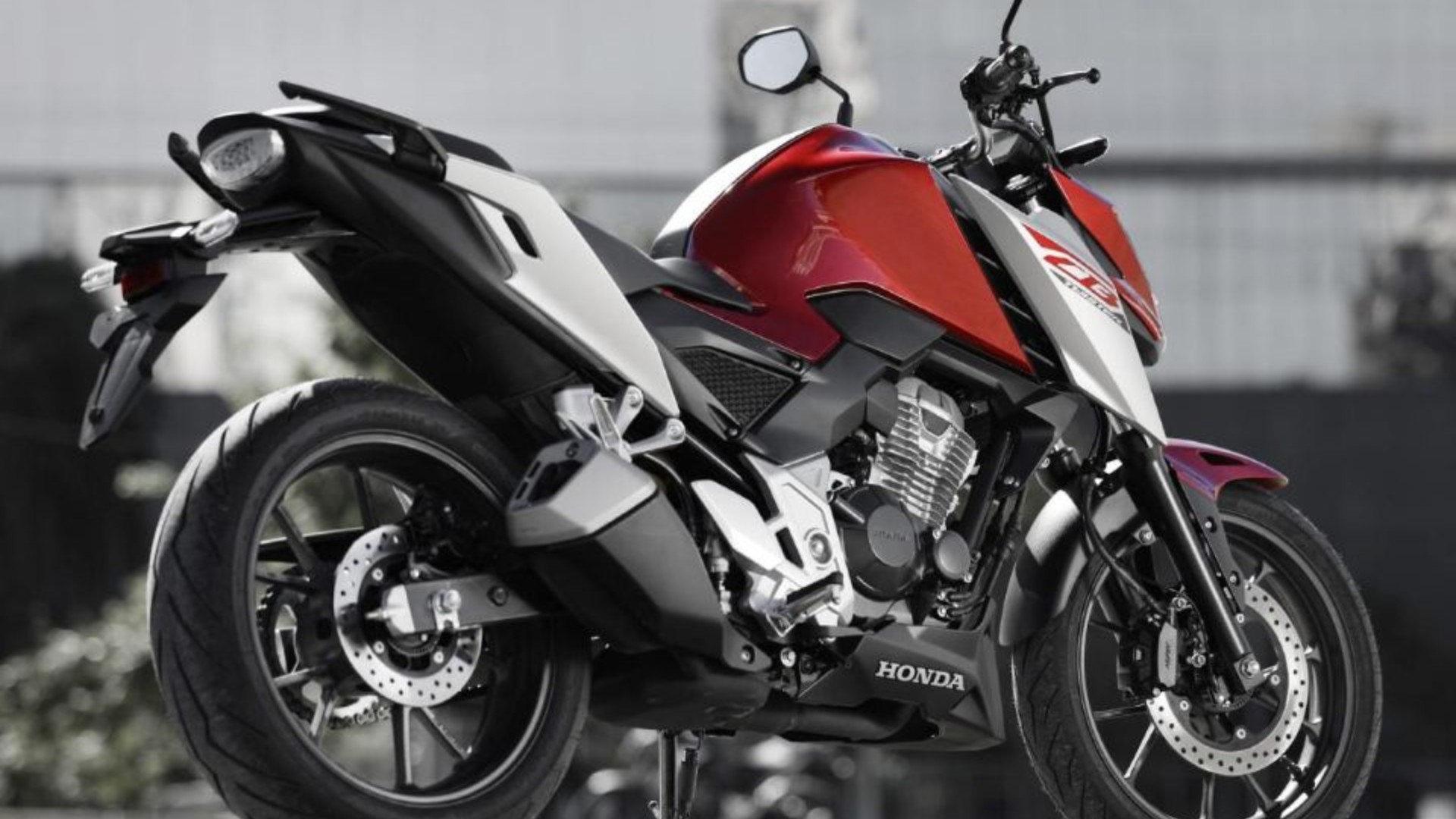
With a 293.5 cm³ engine and a range of up to 400 km with a 14.1-liter tank, the Honda CB 300F Twister 2026 has up to 24.7 hp, an initial price of R$ 25,150, and already exceeds R$ 29,000 in the Fipe Table.
-
With a 1.3 engine, nearly 700 km of range, and Turbo 200, the Fiat model surpasses Polo, Tera HB20, and Onix, becoming the best-selling car in March; see the numbers for the Fiat Strada and others.

6 Common Causes For Car Engine Overheating
1. Low Or Leaking Coolant
The coolant keeps the engine at the proper temperature. If the level is low due to lack of replenishment or leakage, heat exchange fails.
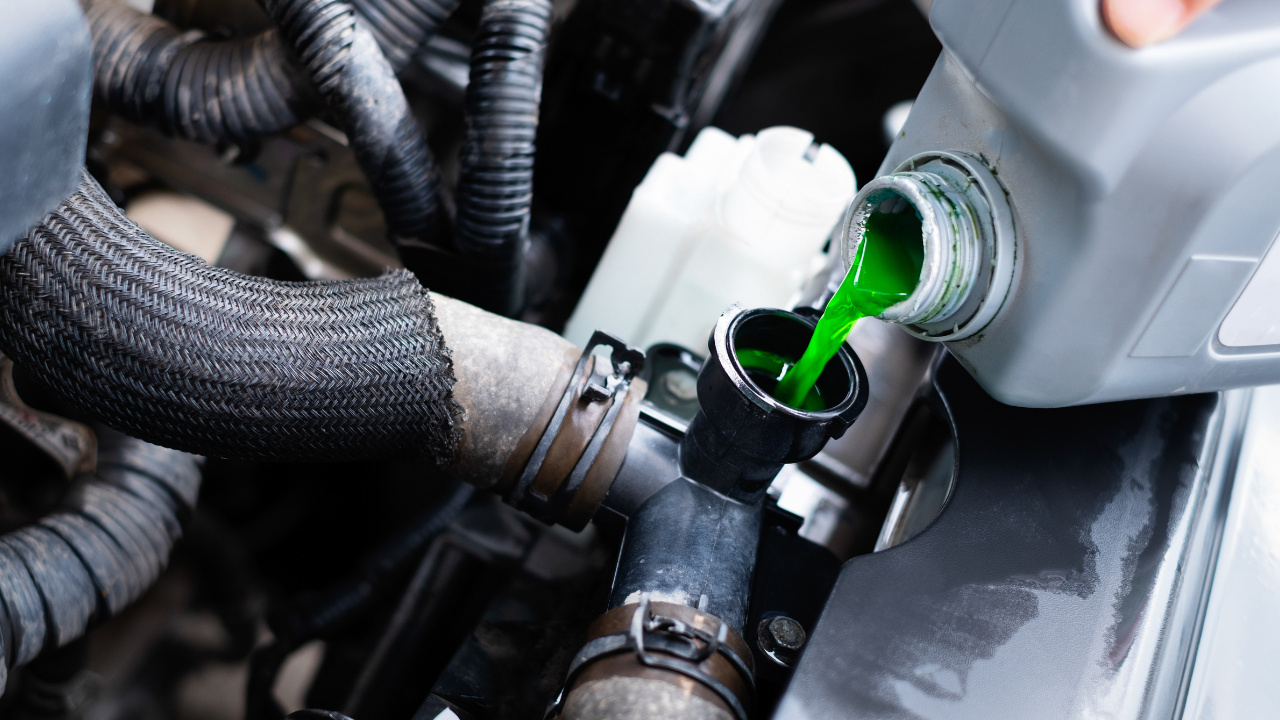
Leaks can occur in the radiator, hoses, or water pump. Always check the reservoir and look for fluid stains under the car.
2. Faulty Radiator Or Fan
The radiator cools the fluid, and the fan ensures that the thermal exchange works even when the car is stopped.
Clogs, accumulated dirt, and failures in the fan or sensors can prevent proper cooling.
Regular cleaning and testing of the fan can prevent unpleasant surprises.
3. Water Pump Issues
It circulates the fluid through the engine. If it breaks or shows wear, circulation stops, and heat does not dissipate. Strange noises and leaks around the pump indicate a defect.
4. Stuck Thermostat
This component controls the flow of fluid to the radiator. If it gets stuck closed, the water does not circulate, and overheating is immediate. One sign is a cold radiator even when the engine is hot.
5. Damaged Or Loose Belt
The belt that moves the water pump can wear out, loosen, or break, stopping the cooling system. Frequent inspections and timely replacements can prevent this problem.
6. Improper Coolant Use
Using only water or mixing it in incorrect proportions reduces the system’s efficiency. Tap water causes rust and clogs.
Always prefer the correct coolant mixed with distilled or demineralized water.
Can You Use Just Water In The Radiator?
In emergencies, water can save the engine, but only for a short time. It lacks additives that raise the boiling point and prevent corrosion.
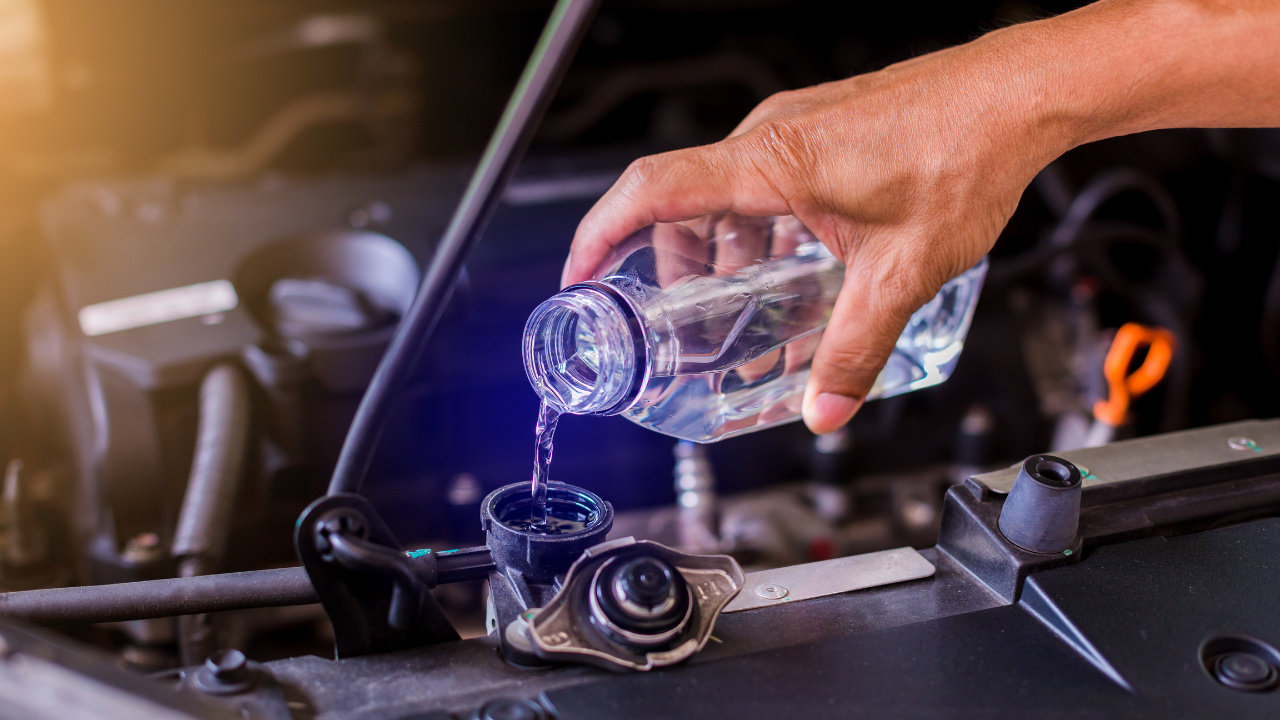
If you need to use it, replace it as soon as possible with the correct fluid and clean the system.
When To Seek Help?
If the dashboard needle indicates high temperature, smoke is coming from the hood, or the car is losing performance, stop immediately.
Do not open the hot radiator to avoid burns. Wait for it to cool down and consult a mechanic.
With information from Olhar Digital.










-

-

-

7 pessoas reagiram a isso.