Portuguese
  Spanish


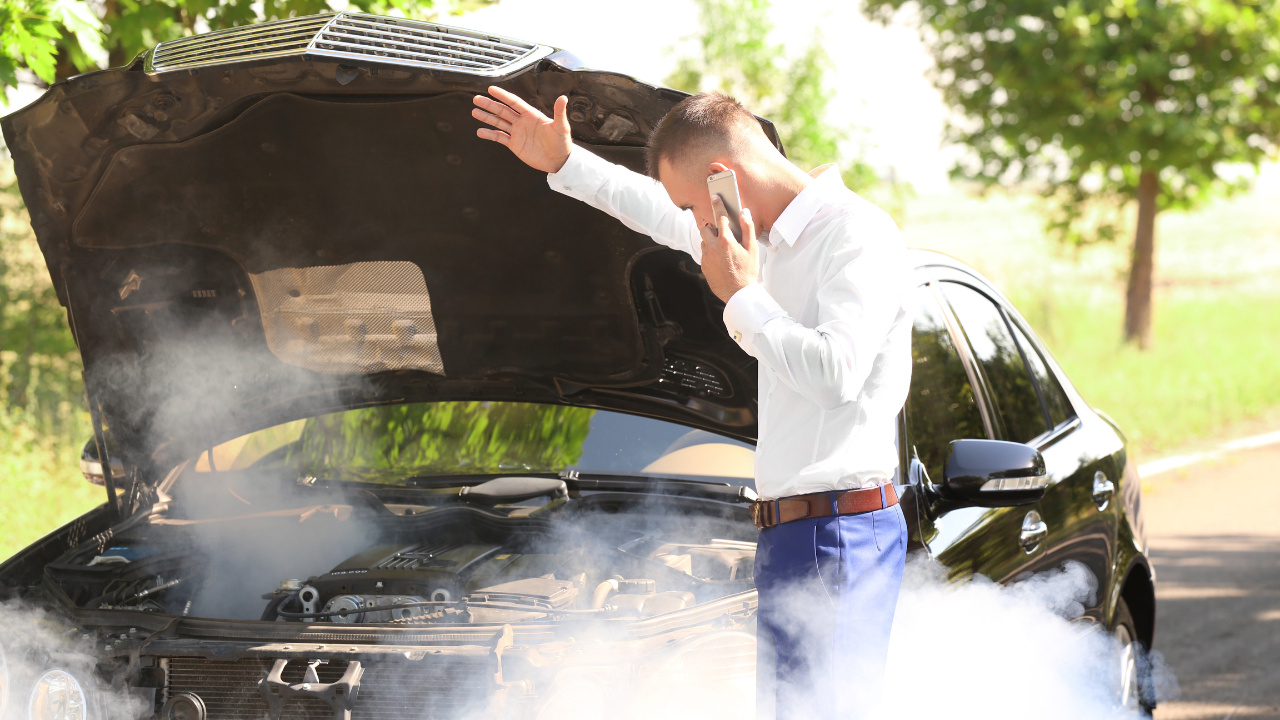


Car Engine Overheating May Indicate The Well-Being Of Your Vehicle. It Is Important To Understand The Cause Of Overheating And How To Act To Avoid Irreversible Problems.
You are driving and suddenly notice that the temperature gauge is rising too fast. This is one of the clearest signs that the car’s engine is overheating. Ignoring the problem can be costly since overheating can compromise essential parts and even render the engine useless.
Why Overheating Is Dangerous
When the temperature exceeds the safe limit, excessive heat can deform internal components, damage gaskets, and compromise the entire system.
It’s like turning your car into a pressure cooker on wheels. Understanding the causes is the first step to avoiding losses.
-
2027 Toyota Corolla Cross Unveiled: New Design, Enhanced Fuel Efficiency, Reduced Maintenance Costs, Advanced Technology, Connected Services, and Up to 10-Year Warranty

-
Fiat Cronos Precision 2018: Affordable Sedan with Spacious Trunk and Reliable Maintenance
-
Volkswagen to Cut Production by 1 Million Cars by 2030, Reducing Jobs and Platforms, Focusing on More Profitable Models

-
Toyota Launches First 100% Electric Car in Brazil: bZ4X with 343 HP, All-Wheel Drive, 361 km Range, Priced at $419,990 BRL, Limited to 99 Units




6 Common Causes For Car Engine Overheating
1. Low Or Leaking Coolant
The coolant keeps the engine at the proper temperature. If the level is low due to lack of replenishment or leakage, heat exchange fails.
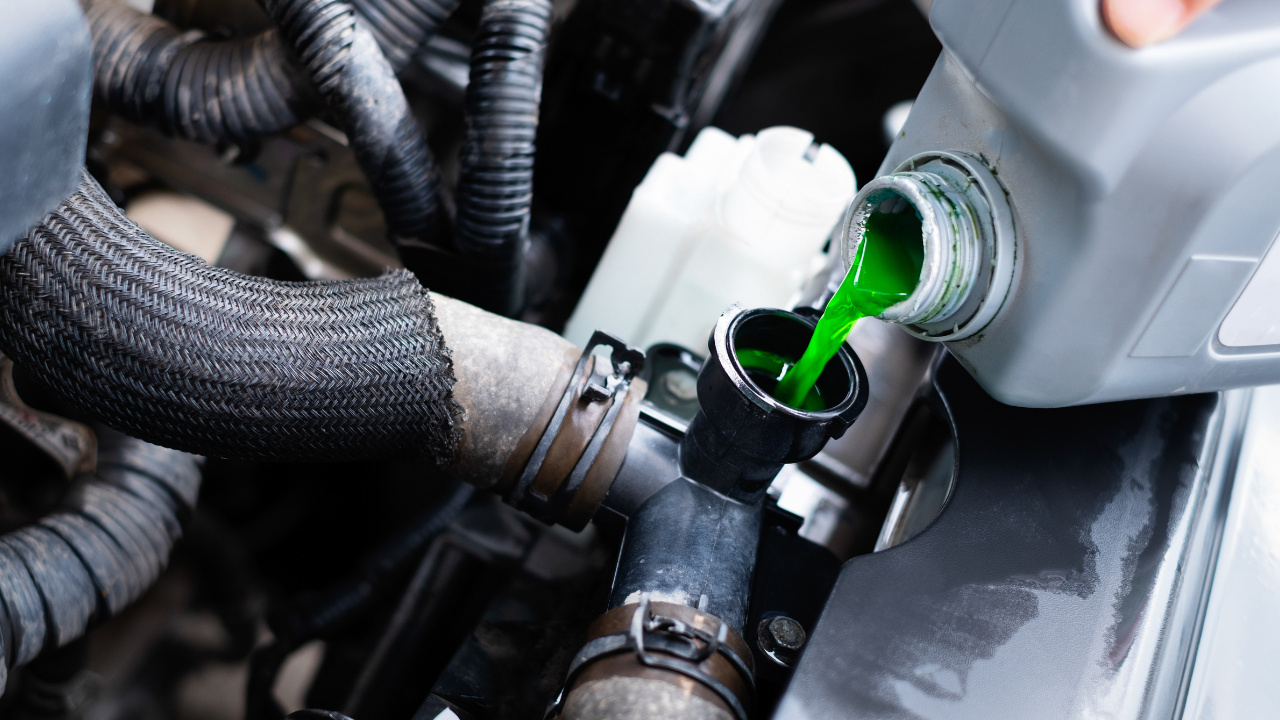
Leaks can occur in the radiator, hoses, or water pump. Always check the reservoir and look for fluid stains under the car.
2. Faulty Radiator Or Fan
The radiator cools the fluid, and the fan ensures that the thermal exchange works even when the car is stopped.
Clogs, accumulated dirt, and failures in the fan or sensors can prevent proper cooling.
Regular cleaning and testing of the fan can prevent unpleasant surprises.
3. Water Pump Issues
It circulates the fluid through the engine. If it breaks or shows wear, circulation stops, and heat does not dissipate. Strange noises and leaks around the pump indicate a defect.
4. Stuck Thermostat
This component controls the flow of fluid to the radiator. If it gets stuck closed, the water does not circulate, and overheating is immediate. One sign is a cold radiator even when the engine is hot.
5. Damaged Or Loose Belt
The belt that moves the water pump can wear out, loosen, or break, stopping the cooling system. Frequent inspections and timely replacements can prevent this problem.
6. Improper Coolant Use
Using only water or mixing it in incorrect proportions reduces the system’s efficiency. Tap water causes rust and clogs.
Always prefer the correct coolant mixed with distilled or demineralized water.
Can You Use Just Water In The Radiator?
In emergencies, water can save the engine, but only for a short time. It lacks additives that raise the boiling point and prevent corrosion.
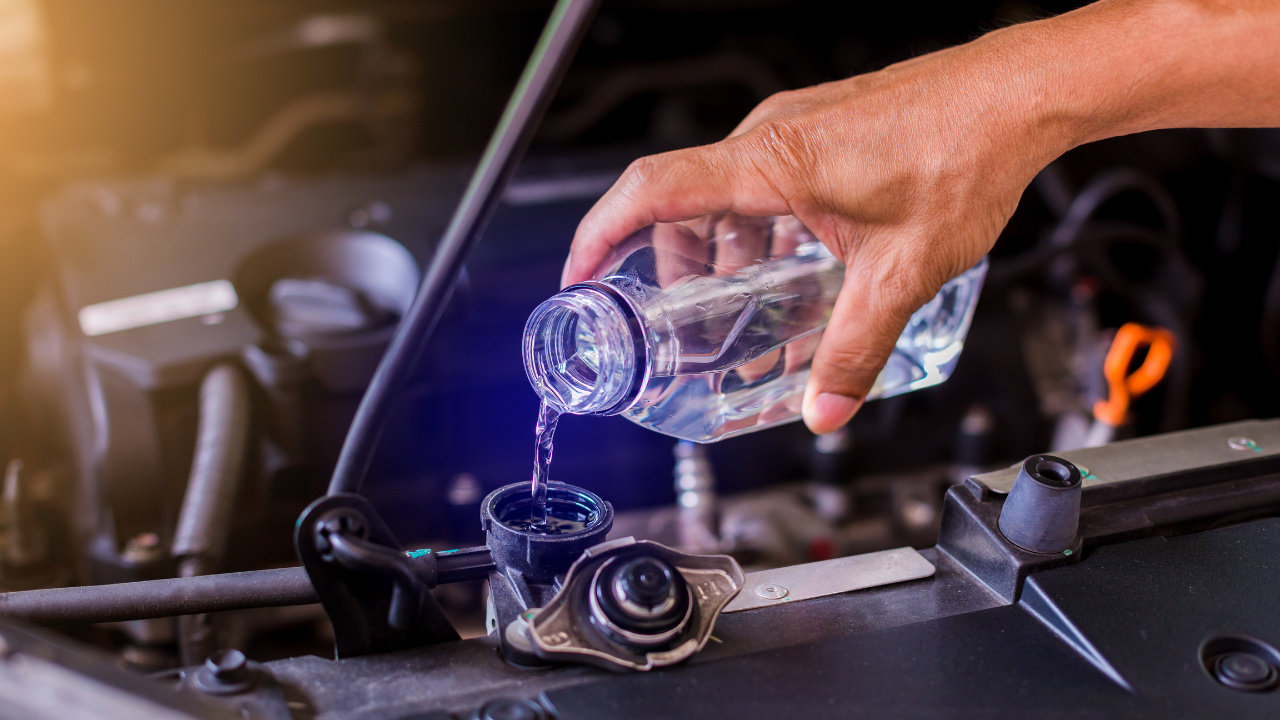
If you need to use it, replace it as soon as possible with the correct fluid and clean the system.
When To Seek Help?
If the dashboard needle indicates high temperature, smoke is coming from the hood, or the car is losing performance, stop immediately.
Do not open the hot radiator to avoid burns. Wait for it to cool down and consult a mechanic.
With information from Olhar Digital.