





 Portuguese
  English
  Spanish
  5 min of reading
  0 comments



Understand The Pros And Cons Of Using R$ 90 Thousand To Buy A Car In Cash Or Opting For Consortium With Part Of The Invested Value
Those who have R$ 90 thousand available may wonder what is the best way to use this amount: buy a car in cash or join a consortium? Seeking a more elaborate strategy, such as entering a consortium and investing part of the amount, is one of the options.
In this article, we analyze a scenario that went viral on social media. We will look at its advantages and disadvantages of making this agreement.
The Proposal: Consortium + Investment
The strategy is as follows: instead of using the R$ 90 thousand to buy the car directly, the consumer enters a consortium of R$ 125 thousand.
-
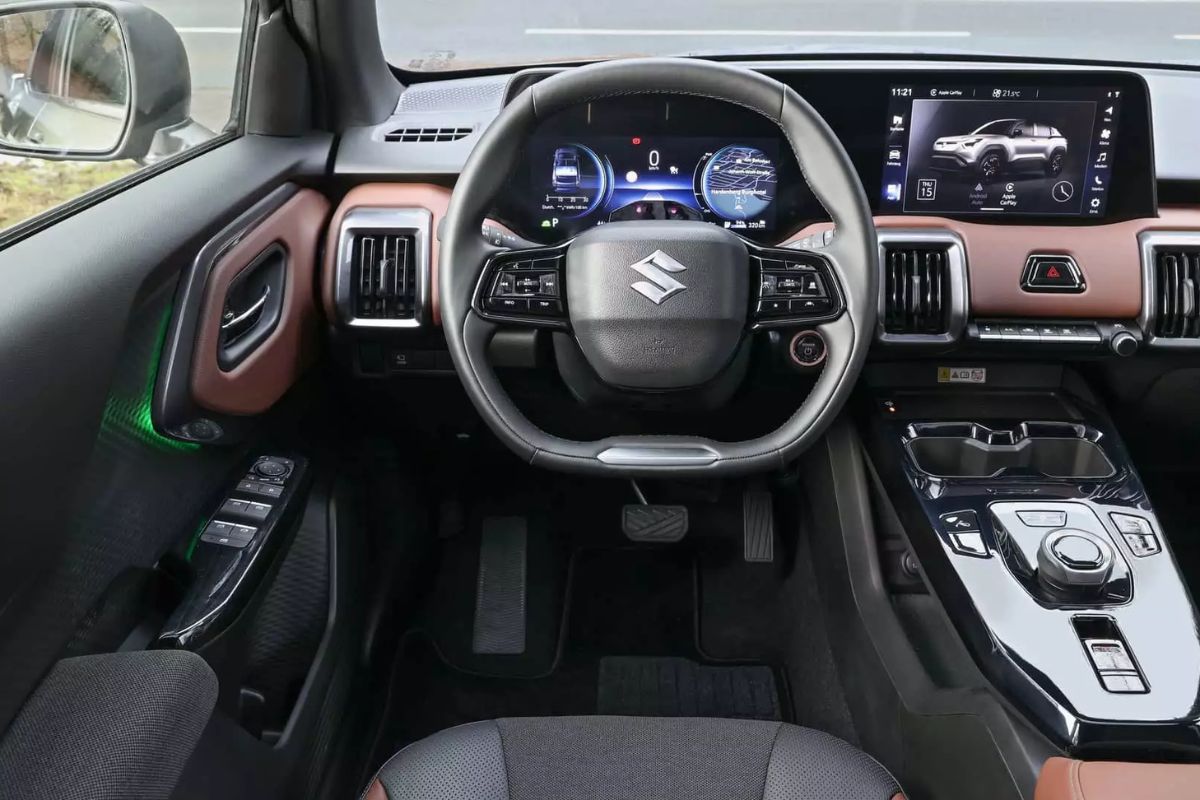
The 2026 electric Vitara arrives in Brazil and proves that Suzuki is not leaving: 4×4 traction, 184 hp, 61 kWh LFP battery, 293 km range, R$ 259,000, and a trunk capacity of 224 L.
-
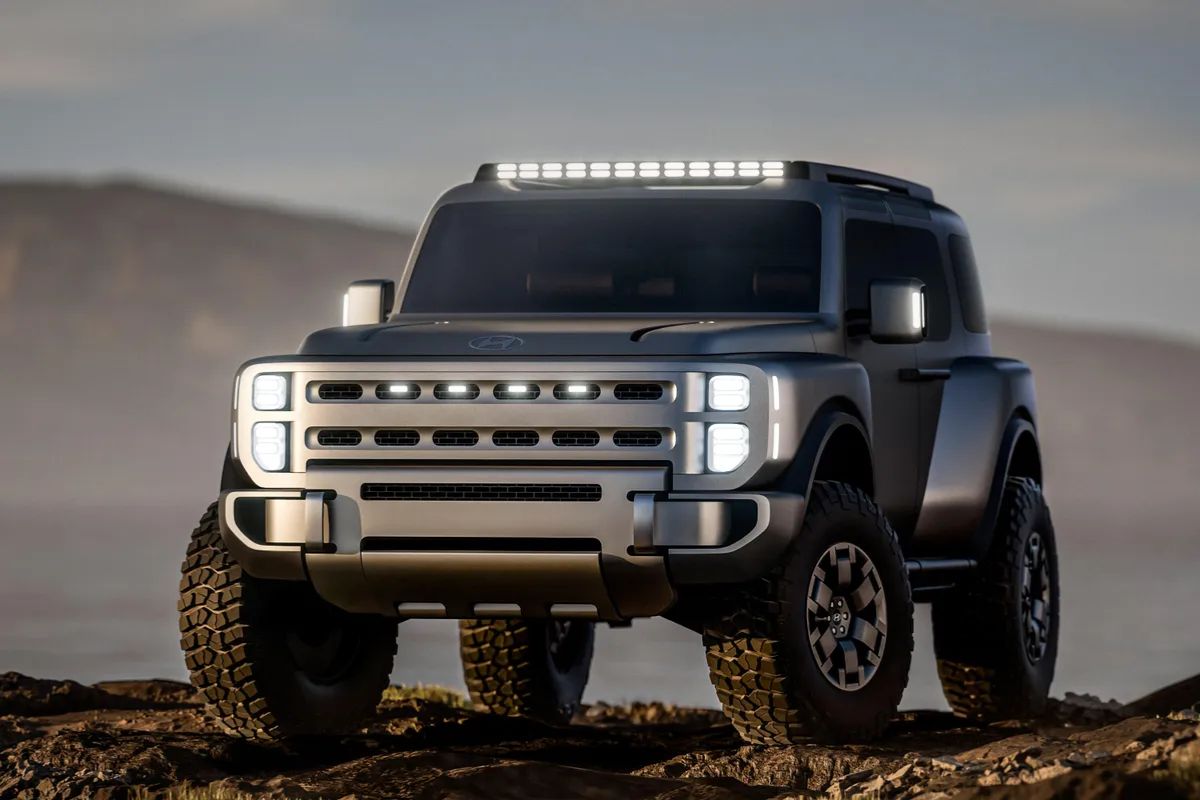
Hyundai has unveiled the Boulder, a square SUV with a body-on-frame design, 37-inch mud tires, and carriage-style doors that seems to be made to take on the Ford Bronco and the Scout Traveller in the United States.
-
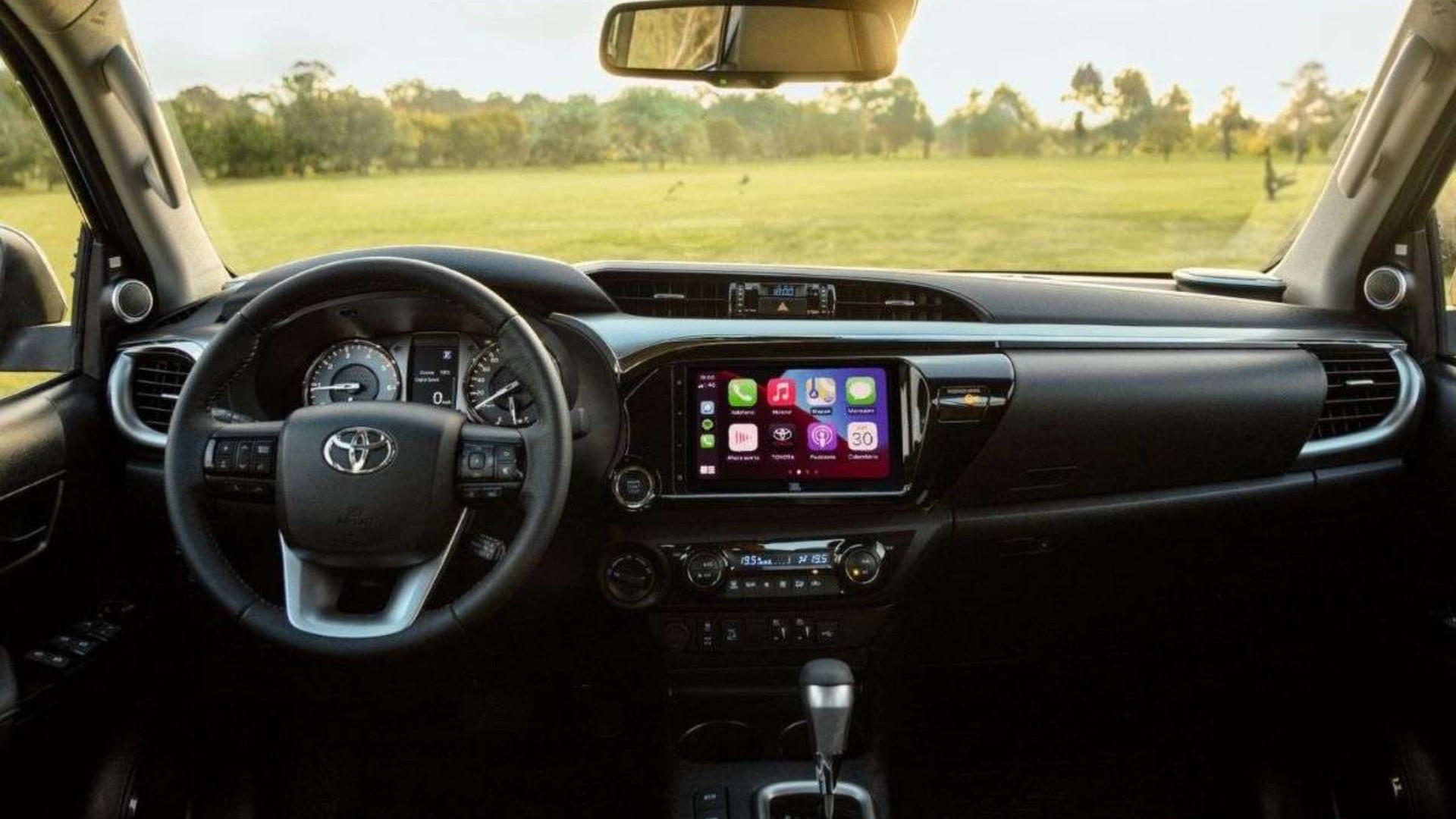
The Toyota Hilux is R$ 75.5 thousand cheaper and bets on the 2.8 turbodiesel engine with up to 204 hp and 50.9 kgfm to catch up with the VW Saveiro, which leads with 4,472 sales.
-
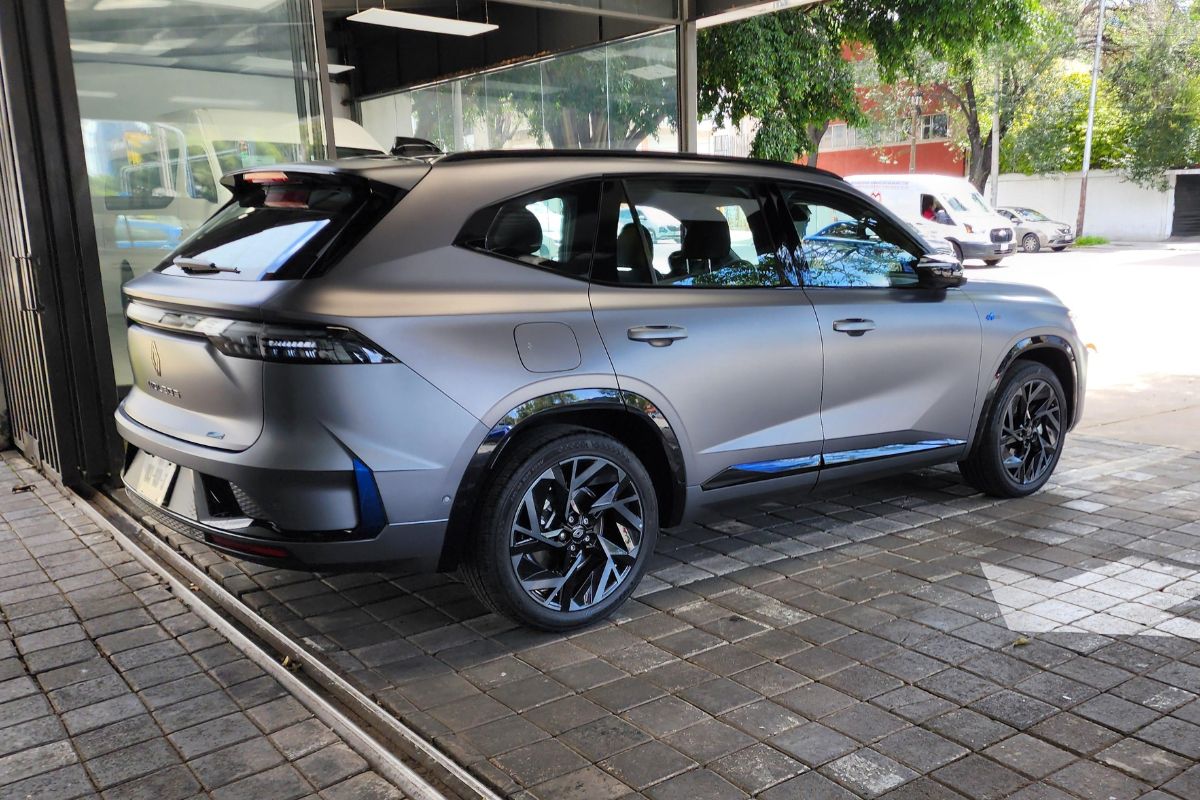
The new Renault Koleos has a screen exclusively for the passenger that is invisible to the driver, heated rear seats, and 29 assistance systems, but its Chinese competitors cost R$ 40,000 less and deliver more power.
They use part of the amount as a bid, contemplating the credit letter, and invest the remainder.
The plan works like this:
- Consortium of R$ 125 thousand
- Embedded bid of 30% (R$ 37,500)
- Out-of-pocket entry of R$ 40 thousand
- Surplus of R$ 50 thousand to invest
- Consortium installment after contemplation: R$ 824 per month
- Investment of R$ 50 thousand yields about R$ 450 monthly
- Thus, the net cost of the installment drops to R$ 374 per month
This plan seeks a balance between acquiring an asset, maintaining reserves, and generating monthly income.
Comparing With The Cash Purchase
The simplest alternative would be to use the R$ 90 thousand to buy a car directly. This eliminates installments and worries about deadlines.
The asset is available immediately, with no need for a lottery or bid. The amount is limited, but there are no other financial obligations.
Advantages Of The Consortium Strategy
The consortium model with investment has important positive points:
You keep part of the money invested: By not using all the money for the purchase, the consumer still has R$ 50 thousand invested. This ensures liquidity and an emergency reserve. Furthermore, the invested money keeps yielding, which helps with the monthly budget.
Reduction of installments with the earnings: With the yield of R$ 450 monthly on the CDB, the R$ 824 installment effectively drops to R$ 374.
It’s as if part of the installment is paid with the interest from the money itself. This makes the amount easier to fit into the budget.
Acquisition of a higher-value car: With the credit letter of R$ 125 thousand, the buyer can choose a newer or higher-category vehicle. This increases the purchasing power without resorting to traditional financing with high-interest rates.
You avoid paying bank interest: The consortium has administrative fees, but does not charge interest like a financing deal. This reduces the final cost of the operation compared to most vehicle financing in Brazil.
Risks And Disadvantages
Despite the advantages, it is necessary to pay attention to some important points:
Time Until Contemplation: The plan only works fully if the participant is contemplated with the bid or lottery early on. Otherwise, they may wait months or years without the car. This can frustrate those in urgent need.
The investment yield can vary: The estimate of R$ 450 monthly is based on CDBs that pay around 1% gross per month. This rate can change over time. A drop in interest rates compromises this simulation.
Discipline is required to maintain the investment: If the investor spends the R$ 50 thousand over time, the plan loses its effect. Discipline in keeping the money invested is essential for the strategy to work.
Consortium administrative fees exist: Even without interest, the consortium charges an administration fee and reserve fund. This makes the operation more expensive over time. The final amount paid can exceed R$ 125 thousand of the credit letter.
It is a long-term commitment: Even with the help of the investment, the consortium member will have a monthly installment for years. This requires planning and financial stability. An unforeseen event may compromise the payment.
Direct Comparison Between The Options
| Criteria | Cash Purchase | Consortium With Investment |
|---|---|---|
| Liquidity After Purchase | Zero | R$ 50 thousand invested |
| Installments | None | R$ 824 (net: R$ 374) |
| Car Value | R$ 90 thousand | R$ 125 thousand |
| Time To Release The Car | Immediate | After Contemplation |
| Potential Yield | None | Monthly Yield Of R$ 450 |
| Complexity | Low | Medium (depends on contemplation) |
If I Can Pay In Cash, What Is The Sense Of Entering A Consortium?
The consortium involves the payment of administrative fees, which can represent up to 20% of the contracted amount, in addition to being subject to annual correction by the IPCA, which makes credit more expensive over time.
Meanwhile, the investment in CDB, used as a counterweight to relieve the installments, incurs Income Tax on the earnings and is subject to fluctuations in interest rates.
In practice, this means that the supposed reduction in the installment amount may be less than initially estimated.
Another point of criticism is the nature of the asset in question: the car is an asset that suffers continuous depreciation. By opting to pay for it in corrected installments, the buyer may end up spending a greater amount for an asset that has already lost a significant part of its market value.
It Is A Complex Decision
The decision between buying a car in cash or adopting a strategy that combines consortium and investment directly depends on each person’s financial profile and objectives.
The model with consortium allows for a larger asset acquisition, keeping part of the capital invested, and thus reducing the monthly impact of the installments.
It is an alternative that can work well for those seeking balance between acquisition and preservation of capital, as long as there is patience to await contemplation and discipline to keep the investment active.
On the other hand, it is necessary to consider the embedded costs in this model, such as the administration fee, the annual correction by the IPCA, and the taxation on the investment earnings.
Furthermore, since the car is an asset that depreciates over time, paying in corrected installments may make the operation more expensive than it appears.
Those who have the total amount available may find in the cash purchase the most economical, direct, and secure option. In summary, both strategies have advantages and risks: it is up to the buyer to evaluate what weighs more — financial flexibility or simplicity in acquisition.










Seja o primeiro a reagir!