





 Portuguese
  English
  Spanish
  3 min of reading
  0 comments


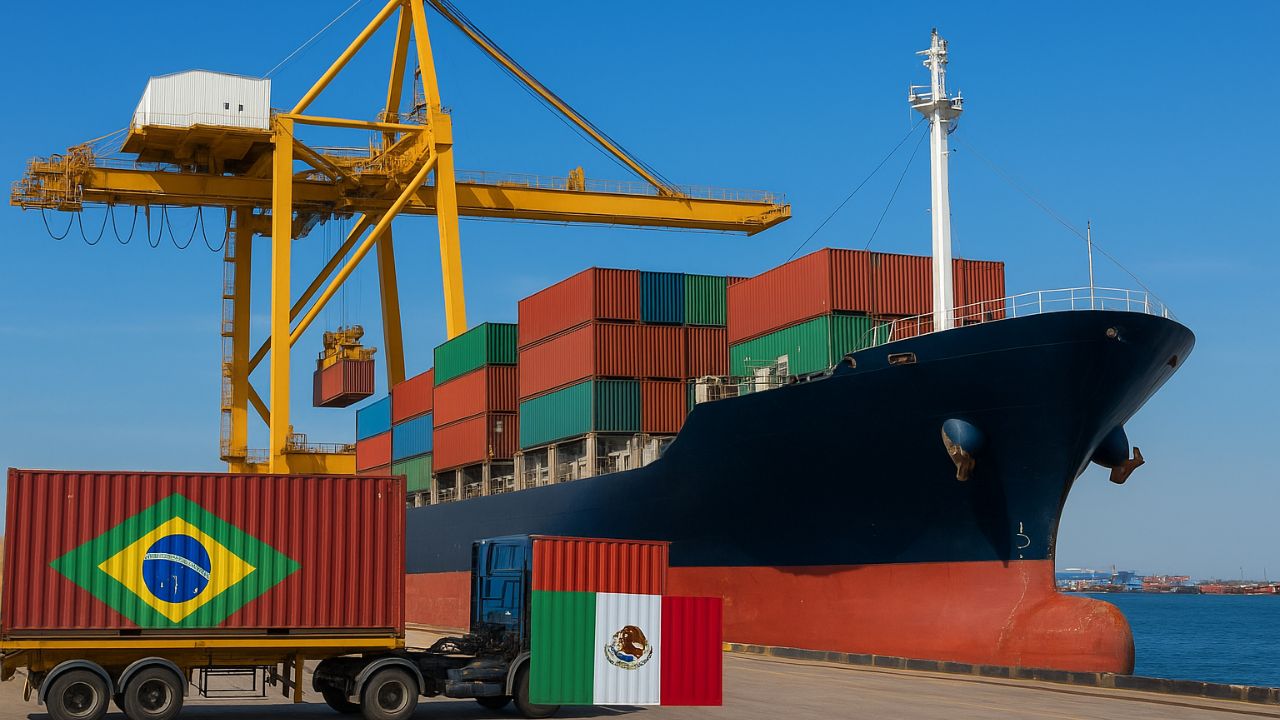
Record Export of Brazilian Meat to Mexico, Paraguay and Uruguay Raises Suspicions of Trafficking After Tariffs from Donald Trump.
The export of Brazilian meat reached historic numbers in July 2025, with Mexico standing out, purchasing more than US$ 205.8 million of the product.
The increase of 112% compared to the previous year drew attention because it occurred shortly after Donald Trump imposed tariffs of 50% on meat coming directly from Brazil to the United States.
At the same time, Mexico, Paraguay, and Uruguay — the main new destinations for Brazilian meat — also recorded record exports of meat to the U.S.
-
He sold his share for R$ 4 thousand, saw the company become a giant worth R$ 19 trillion, and missed the opportunity of a lifetime.

-
Elon Musk’s Starship megafrocket puts $8 billion at risk, raises alarms in the market, and could affect technology, mining, and space internet startups in the coming years.

-
Airfare prices may rise with increasing fuel costs, and the government is considering urgent measures to avoid a direct impact on the wallets of Brazilians.
-
Chocolate prices soar nearly 15% and become a luxury item for Easter 2026, with increases surpassing inflation and changes in Brazilian consumption habits.


This scenario raises suspicions of a possible trafficking scheme, in which Brazilian meat could be indirectly reaching the American market.
Mexico Takes Central Role in Meat Exports
Mexico jumped from fifth place to the second-largest buyer of Brazilian meat in 2025, second only to China. The volume traded in July is the highest ever recorded in a single month.
Meanwhile, data from the U.S. Department of Commerce shows that American purchases of Mexican meat also reached a historic record: US$ 224.8 million, a 21% increase compared to the previous year.
Paraguay and Uruguay Also Expand Business
Paraguay was another highlight in meat exports. In July, Paraguayan purchases surged 967%, reaching US$ 5.9 million.
In the year-to-date, sales doubled and reached the highest level in history.
Uruguay, a traditional supplier of high-quality meat, recorded more moderate but still significant growth: 28% in one year, reaching US$ 32.2 million in July.
On the other side of the trade route, the U.S. also imported record volumes from these countries: from Paraguay, an increase of 225%, and from Uruguay, a 44% rise, totaling US$ 80.2 million.
The Impact of Trump’s Tariffs
The so-called Trump tariffs imposed an additional cost of 50% on Brazilian meat, which directly affected the product’s competitiveness in the U.S.
The measure aimed to protect local producers but ended up redirecting the trade flow to other countries.
According to Roberto Perosa, president of Abiec (Brazilian Association of Exporting Meat Industries), the losses for the sector will be much lower than expected.
He stated that losses should total around US$ 300 million, an amount 70% lower than the initial estimates.
Sector Denies Trafficking and Talks of Diversification
Despite the coincidences in the numbers, industry representatives reject the idea of trafficking of Brazilian meat.
“It’s not exactly that, but rather an ‘opportunity’,” Perosa said in an interview. He explained that Mexico is a global market and can use part of the Brazilian meat for domestic consumption, freeing up its own production to export to countries like Japan, South Korea, or even the U.S.
For the sector, this movement reflects market diversification and not a scheme to evade Donald Trump’s tariffs.
Brazilian Meat Continues International Expansion
While the impasse with the United States remains, Brazil consolidates its position as one of the world’s largest exporters of meat.
The growing demand in Mexico, Paraguay, and Uruguay shows that, even in the face of Trump’s tariffs, the national product continues to find space and expand markets.
On the international scene, the issue still raises doubts about the real destinations of Brazilian meat.
However, experts point out that, regardless of a possible trafficking scheme, the country strengthens its position in foreign trade with new trade routes.







-

-

2 pessoas reagiram a isso.