





 Portuguese
  English
  Spanish
  3 min of reading
  0 comments


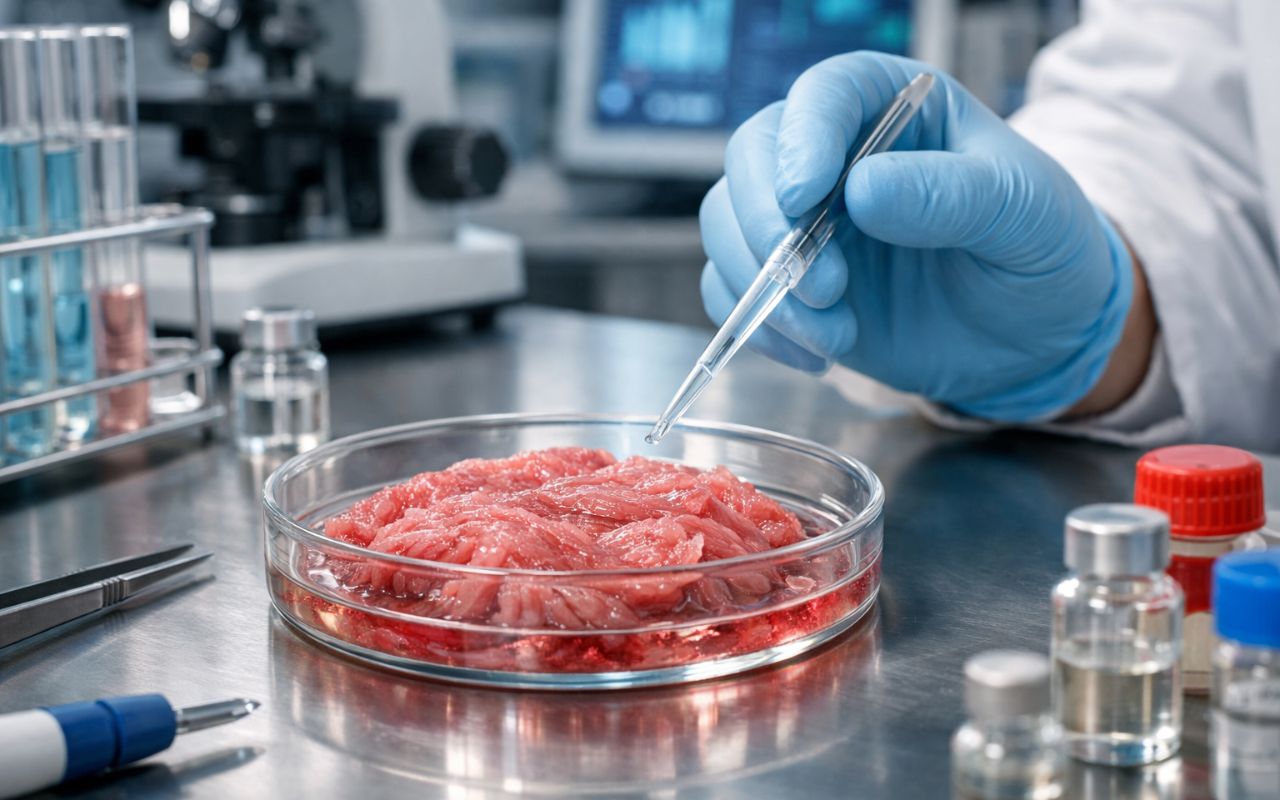
Scientists Create Structure for Lab-Grown Meat Using Brewery Waste. Study Indicates Potential to Reduce Waste and Improve the Texture of Cultivated Meat.
The production of lab-grown meat may gain an unexpected ally: waste from beer production.
A study published in the scientific journal Frontiers in Nutrition revealed that scientists developed a method that repurposes yeast discarded by the brewery industry to create edible structures capable of supporting the growth of animal cells.
The research was conducted by specialists from University College London in London. The aim is to find new ways to make the production of cultivated meat more efficient and sustainable.
-
In Mexico, a 3,000-year-old Maya site with the dimensions of an entire city may have been built as a colossal map of the cosmos, created to represent the order of the universe and reveal how this people organized space, time, and rituals.

-
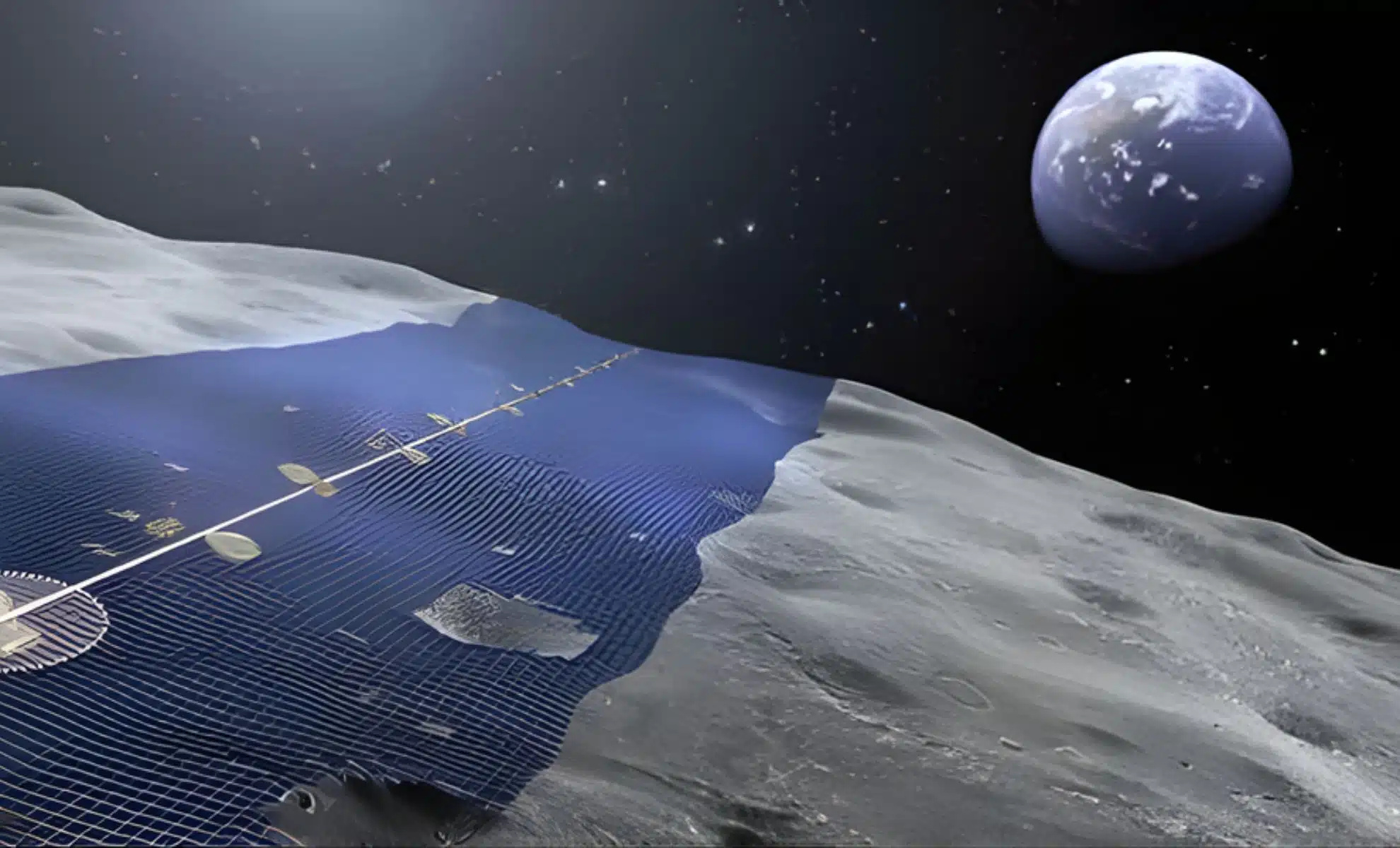
Japan wants to build a solar ring of 10,900 kilometers on the Moon to continuously send energy to Earth.
-
Weighing almost 1 ton, with temperatures of up to 3,000°C, the ability to launch 10,000 fragments within a radius of 1 km, capable of penetrating concrete and melting steel, Turkey’s terrifying bomb emerges as one of the most destructive non-nuclear weapons ever presented.

-
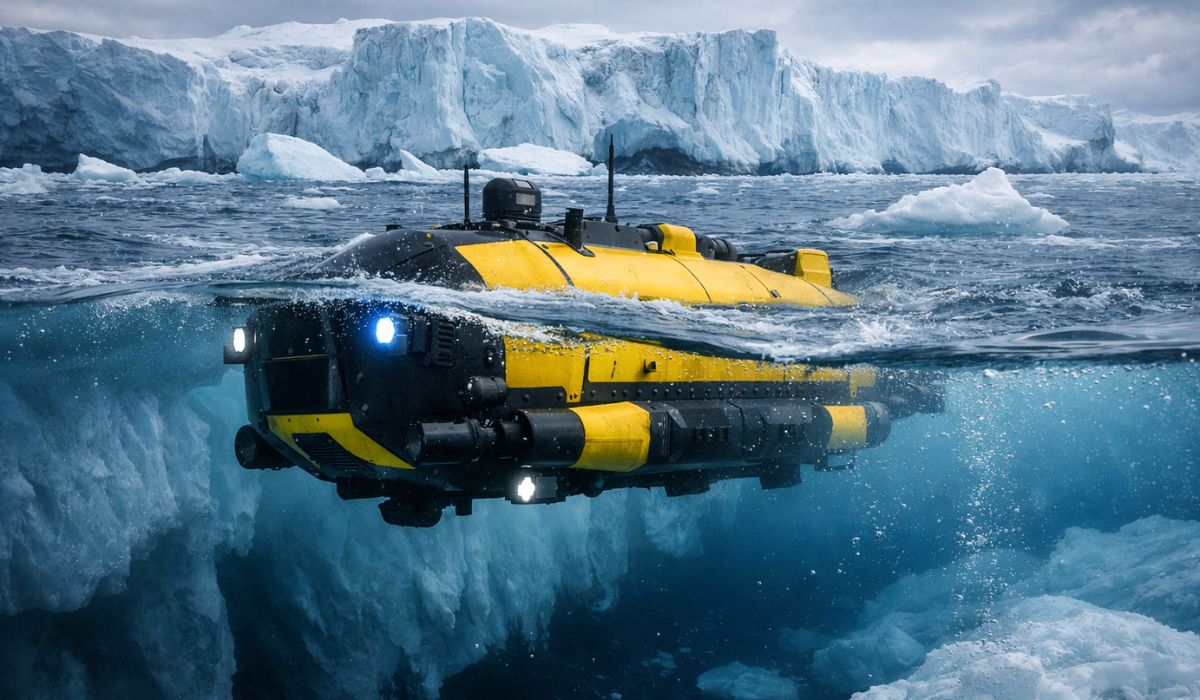
After a submarine disappeared beneath the “Doomsday Glacier,” scientists announce a new monstrous machine capable of operating at 3,000 meters depth to return to the heart of the ice and investigate a threat that could raise sea levels worldwide.

Additionally, the proposal takes advantage of a nutrient-rich waste that would typically be discarded, turning it into a useful resource within the cellular cultivation process.
Scientists Transform Beer Yeast into Support for Animal Cells
In the study, the scientists used the residual yeast left over after beer production. This material works as food for certain bacteria.
When fed with this waste, these bacteria begin to produce bacterial cellulose, a natural material that can serve as a base for the growth of animal cells.
This structure acts as a type of support that allows the cells to organize and develop properly.
This step is considered essential for the formation of lab-grown meat, as it helps create tissues that are closer to conventional meat.
Structure Helps Reproduce the Texture of Traditional Meat
During the experiments, the scientists evaluated the mechanical properties of the bacterial cellulose generated from beer yeast.
The results indicated that the material shows promising characteristics for reproducing the texture of traditional meat.
According to Christian Harrison, a PhD student at University College London, this base is fundamental for the development of cultivated meat.
“This is the raw material, the food for our bacteria, which produce the bacterial cellulose used as support for animal cells, allowing for the production of cultivated meat in the lab,” Harrison explained while presenting a vial of yeast used at a brewery in south London.
He also emphasized that the structure helps improve the consistency of the final product.
“By cultivating the cells on this cellulose, we give the meat product more texture and consistency, making it more similar to real meat,” he stated.
Repurposing Waste Can Bring Environmental Benefits
Another point highlighted by the scientists is the positive environmental impact of the method. This is because the residual yeast from beer production is often discarded or has little use.
When used in the production of lab-grown meat, this byproduct gains a new utility within the food chain.
According to Harrison, this type of repurposing can help reduce waste and make the process more sustainable.
“We can turn waste that would otherwise be discarded into something useful,” the researcher stated.
Lab-Grown Meat Is Still in the Early Development Stage
Despite the promising results, the scientists emphasize that the technology is still in its early stages.
This presented study serves as proof of concept, demonstrating only that the edible structure can serve as a base for cellular cultivation.
This means that the research has yet to present a final lab-grown meat product ready for consumption.
Among the challenges that still need to be overcome are large-scale production, standardization of the process, and reduction of the costs involved.
Lab-Grown Meat Market Is Growing, but Still Limited
Currently, lab-grown meat is still found in few markets around the world.
Singapore was the first country to authorize the sale of this type of product in December 2020.
Subsequently, the United States also allowed the initial commercialization of cultivated meat in June 2023.
Even with these advances, experts and scientists state that the sector still needs to overcome barriers related to production costs and industrial expansion.
Still, research that utilizes waste from beer production could represent an important step towards making lab-grown meat more viable in the future.
Source: Compre Rural








Seja o primeiro a reagir!