





 Portuguese
  English
  Spanish
  3 min of reading
  0 comments


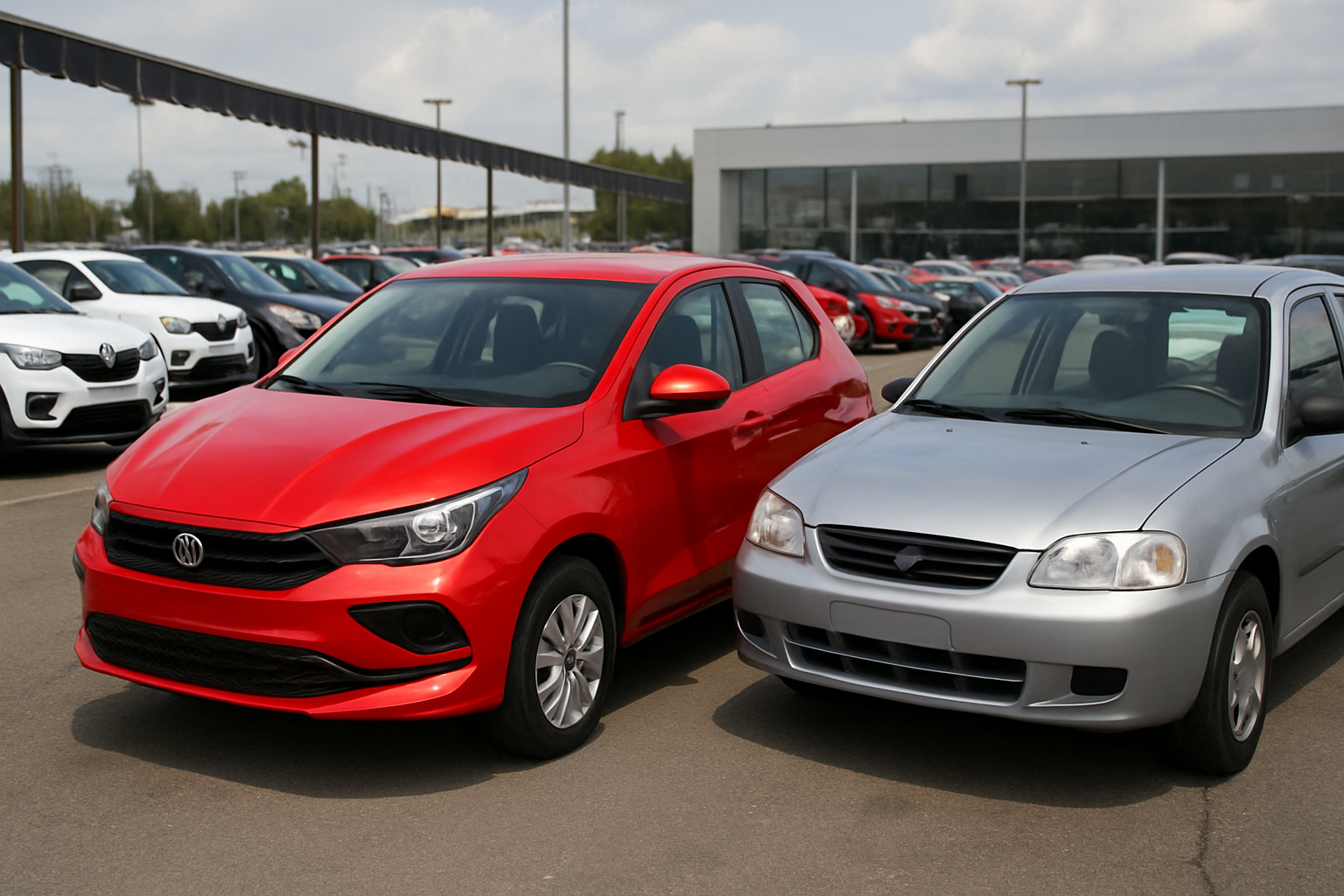
Tax Benefit Reduces Price of Zero-Km Cars, But Supply and Demand Continue to Dictate the Value of Used Cars in the Automotive Market
The Sustainable Car program eliminated the IPI for zero-km compact and efficient vehicles, and prices have dropped for models like the Volkswagen Polo, Fiat Mobi, and Renault Kwid.
The question is straightforward: does this drive down the value of used cars?
According to Enilson Sales, president of Fenauto, the answer is clear:
-
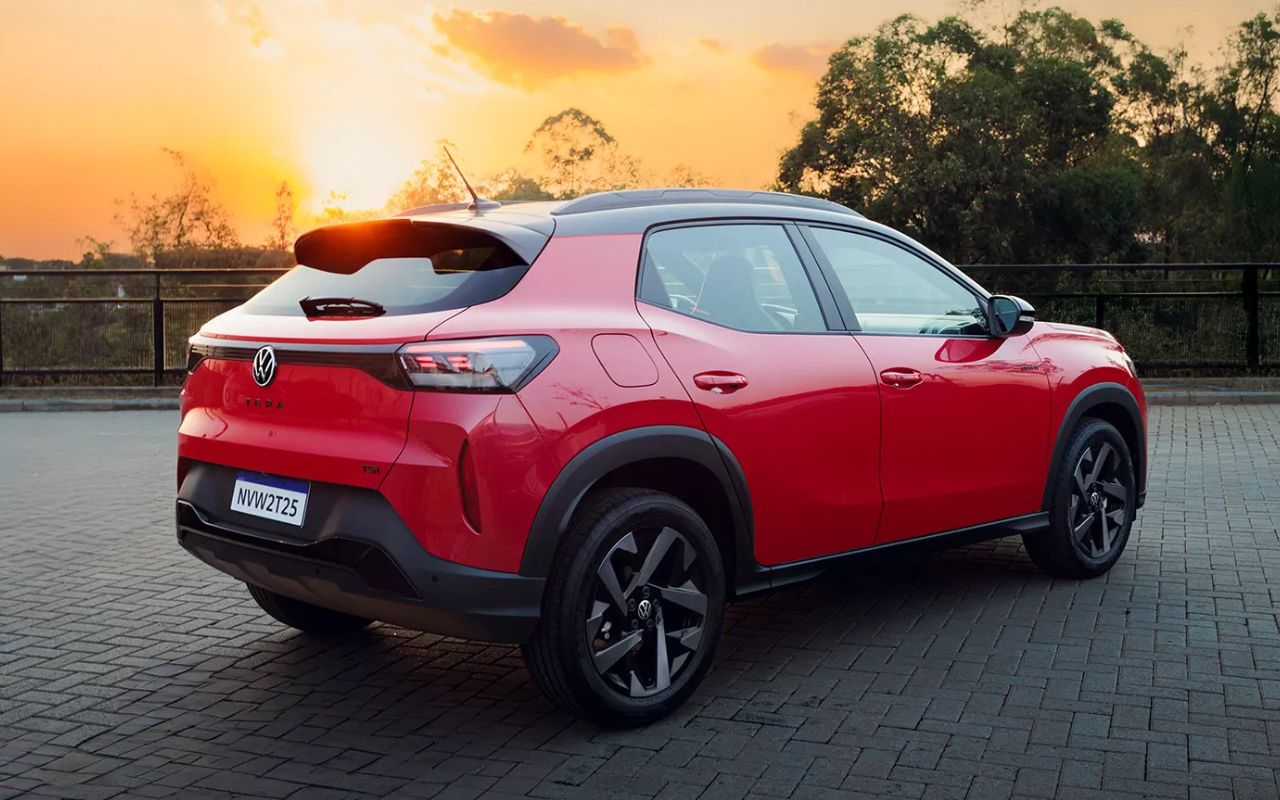
It surpassed the T-Cross, Creta, and Tracker: with nearly 8,000 units sold, the Volkswagen Tera was the best-selling SUV in March 2026.
-
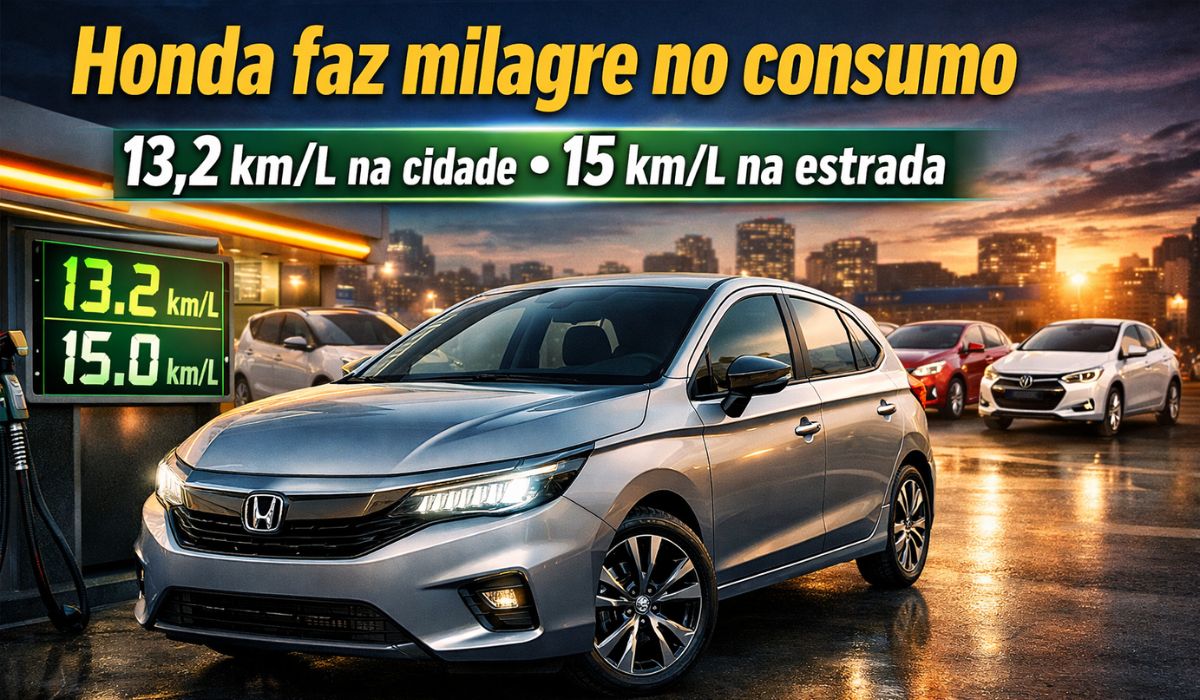
Honda performs miracles in fuel consumption with a hatch that marks 13.2 km/l in the city and 15 km/l on the highway, leaving Polo, HB20, 208, and Onix behind and becoming a reference among compact cars without resorting to turbo or hybrid systems.
-
Six diseases that seem common but can prevent the renewal of the driver’s license for the elderly throughout Brazil and surprise experienced drivers — could any of them affect you without showing clear signs?

-
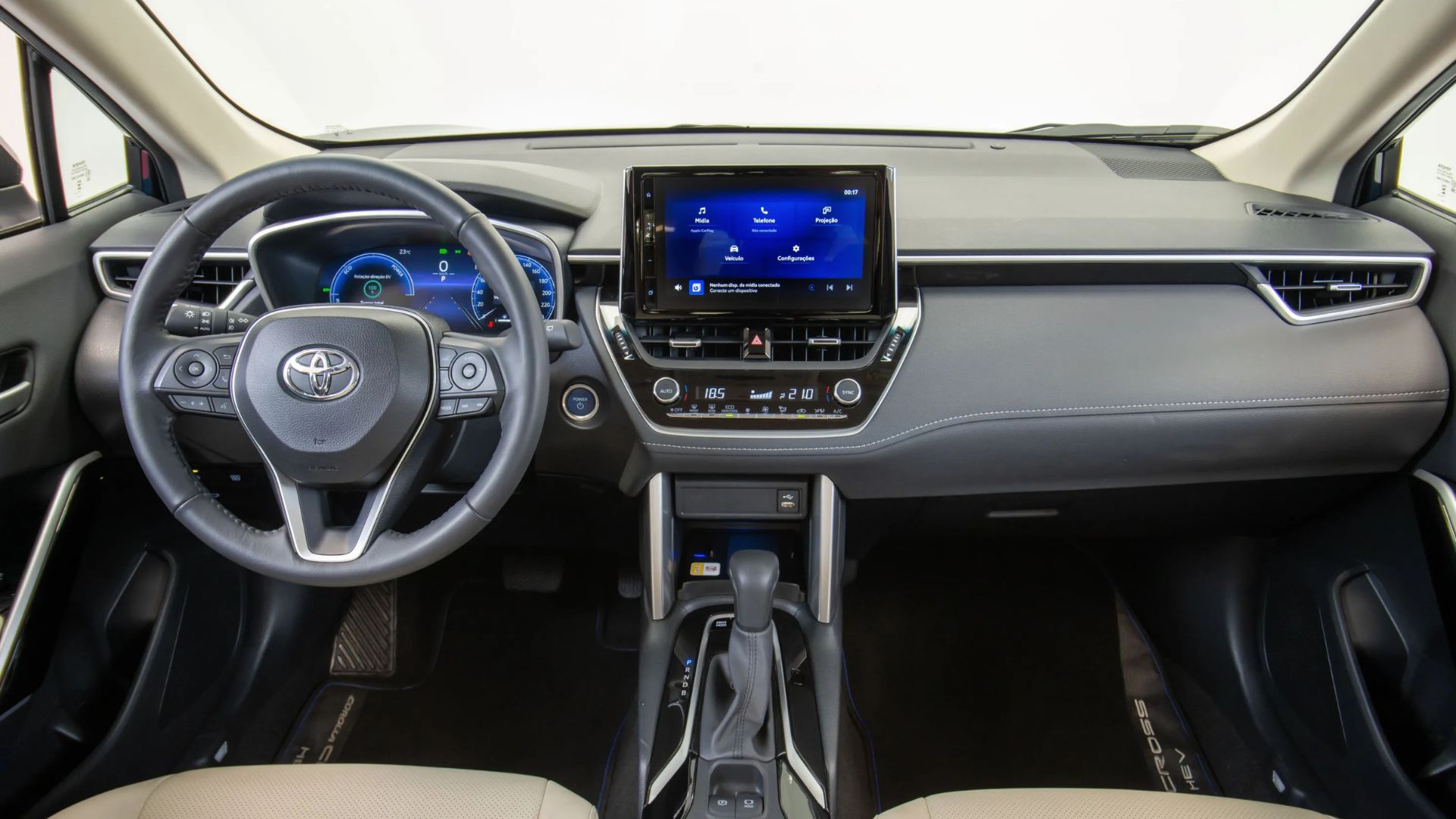
With 122 hp, fuel consumption of up to 17.7 km/l, and a trunk capacity of 440 liters, this hybrid SUV impresses even though it costs up to R$ 47,000 more than the Yaris — meet the Toyota Corolla Cross.

“The law of supply and demand is what regulates price. So it’s no use trying to deliver benefits that artificially pressure one segment or another or one area of the market in terms of price because, in reality, it all depends on demand”.
He notes that zero-km cars usually receive new equipment and technologies with each cycle — which increases the price tag and preserves the attractiveness of used cars: more content for the same budget.
Used Car Market Is Six Times Larger and Continues to Accelerate
The size of the segment explains part of the resilience: the used car market is six times larger than the new car market.
In 2024, Fenauto recorded 15.7 million transactions of used and semi-new vehicles, against nearly 2.5 million registrations of zero-km cars (passenger and light commercial vehicles).
In 2025, the momentum remains strong. July brought a record for the month since records began: 1,711,074 units changed owners, 19.1% above June and 16.6% above July 2024.
In total, there are 10,061,523 vehicles, 14.2% more than in the same period last year.
Given this momentum, Sales calls for more attention from public authorities to the semi-new automotive market:
“The segment of used semi-new vehicles is rarely considered or never considered with rules or benefits that make that segment move. If some measures were taken, it would unlock the vehicle market in the country even more and make turnover much faster”.
What Really Keeps the Prices of Semi-New Vehicles Stable
Even with targeted incentives for zero-km cars, Sales asserts that the appetite for used cars — especially the more complete ones — keeps prices elevated:
“I don’t believe that vehicle prices will drop this year, next year, or any other year. The search for semi-new and used vehicles is for those that are more complete. In other words, these are models that have many more accessories available, and this demand causes prices to never drop because demand is always greater than supply”.
He also warns about the destination of incentivized vehicles:
“This vehicle needs to reach the consumer and not be left with rental agencies or fleet operators of ride-hailing cars”.
Projections for 2025: Between 17 and 18 Million Used Cars Negotiated
If the current pace were mathematically projected until December, used car sales could reach 18 million — a significant jump over the 15.7 million of 2024.
However, Fenauto works with caution:
“The entity currently works in the range of 17 million. We believe it is possible to achieve this, but it depends heavily on the behavior of the economy and credit availability in the market”.
For the consumer, the practical takeaway is simple: with zero-km cars cheaper in some niches and semi-new cars valued for their equipment packages, the decision comes down to comparing content, warranty, financing, and liquidity — not just the price tag.
And you, when it comes time to trade: do you prefer a more complete semi-new or an entry-level zero-km car with zero IPI?








-

2 pessoas reagiram a isso.