





 Portuguese
  English
  Spanish
  6 min of reading
  0 comments


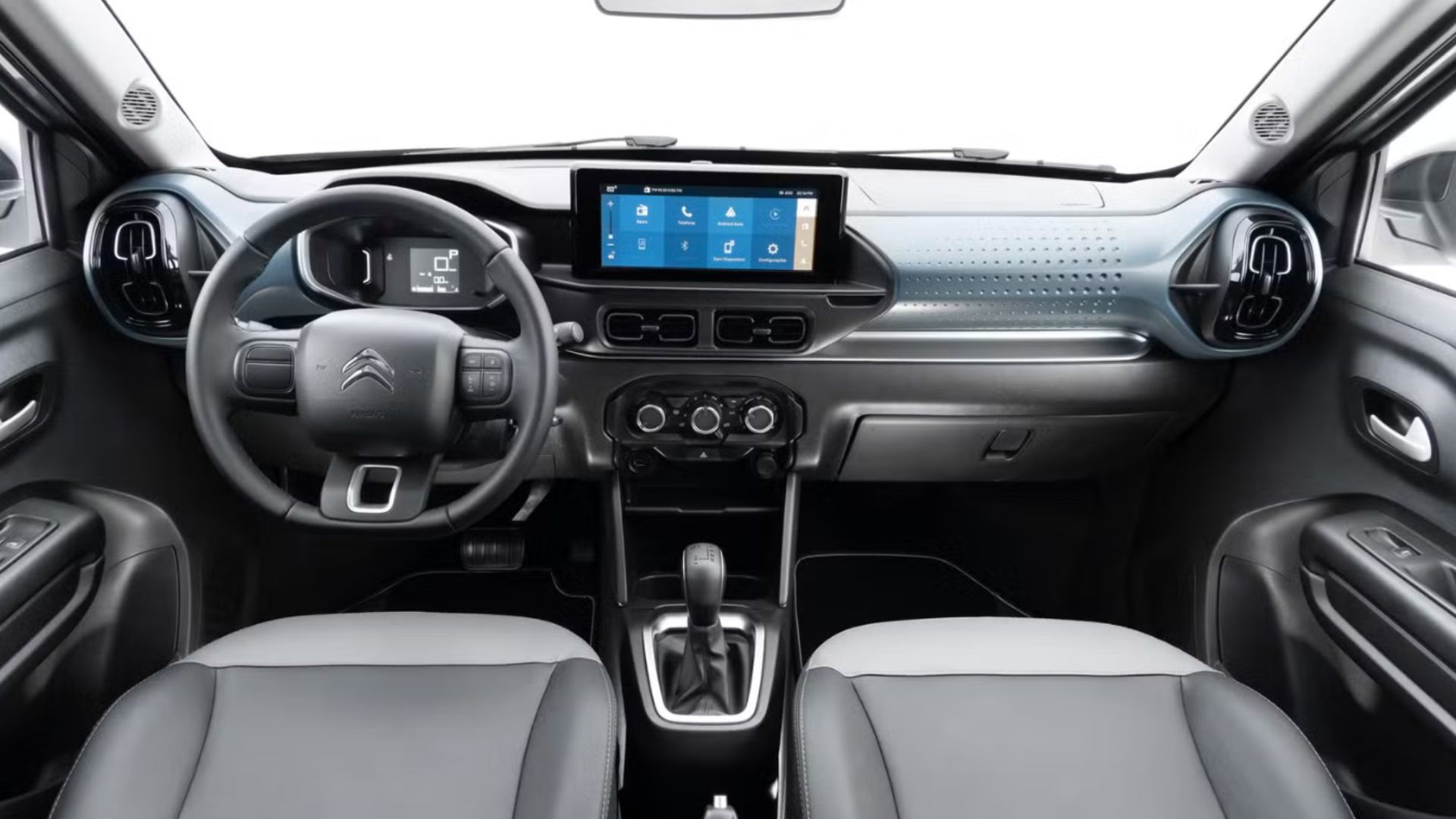
A Well-Known Name for Brazilian Drivers Returns Strongly in One of Europe’s Most Competitive Markets, After Entering the Top 5 for Registrations in France. Resulting from More Than 41,000 Units, the Citroën C3 Repositions Itself on the Global Radar and Shows How Pricing Strategy and Image Change the Fate of a Model.
A well-known name for Brazilian drivers, marked by a trajectory of ups and downs, has taken on a prominent place in one of Europe’s most competitive markets.
The Citroën C3, which in Brazil often faced resistance from the public and became the target of criticism related to maintenance and resale costs — recurring themes when discussing French models in the country — appeared among the five best-selling cars in France in a recent annual analysis, with more than 41,000 registrations recorded during the period.
This figure is striking not only for the volume but also for the contrast.
-
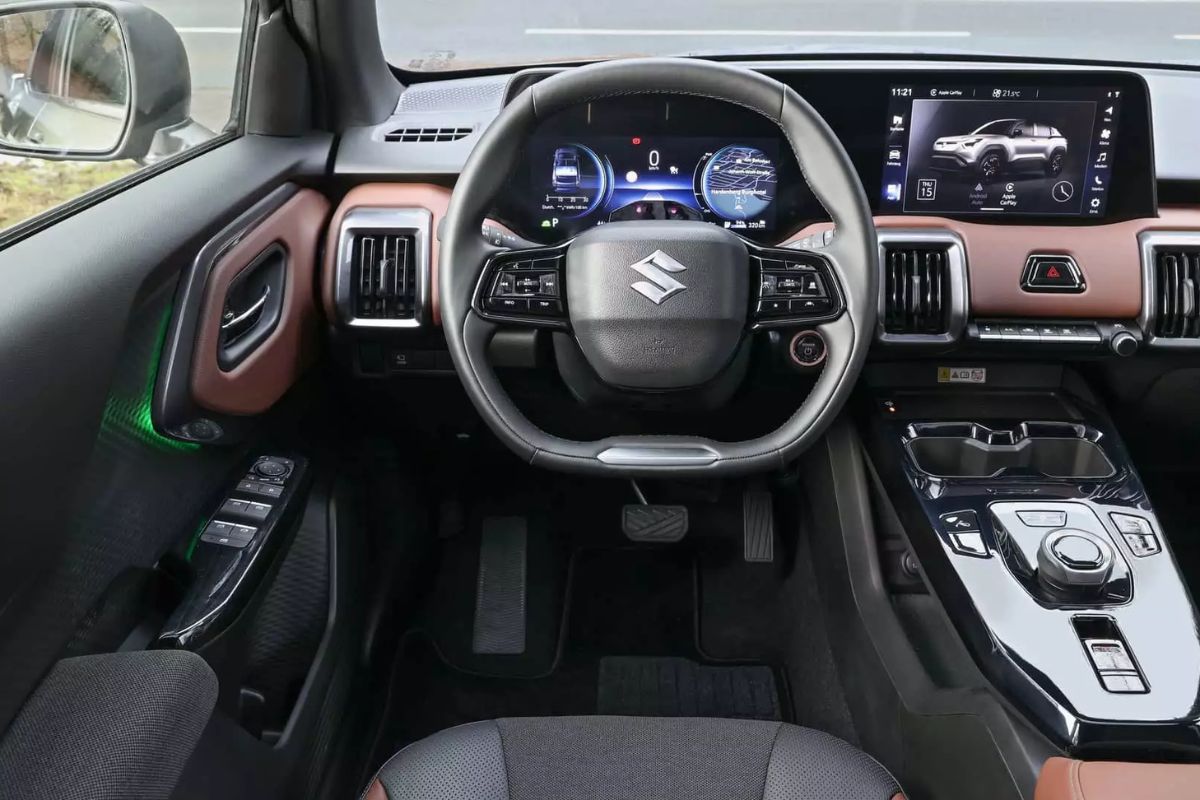
The 2026 electric Vitara arrives in Brazil and proves that Suzuki is not leaving: 4×4 traction, 184 hp, 61 kWh LFP battery, 293 km range, R$ 259,000, and a trunk capacity of 224 L.
-
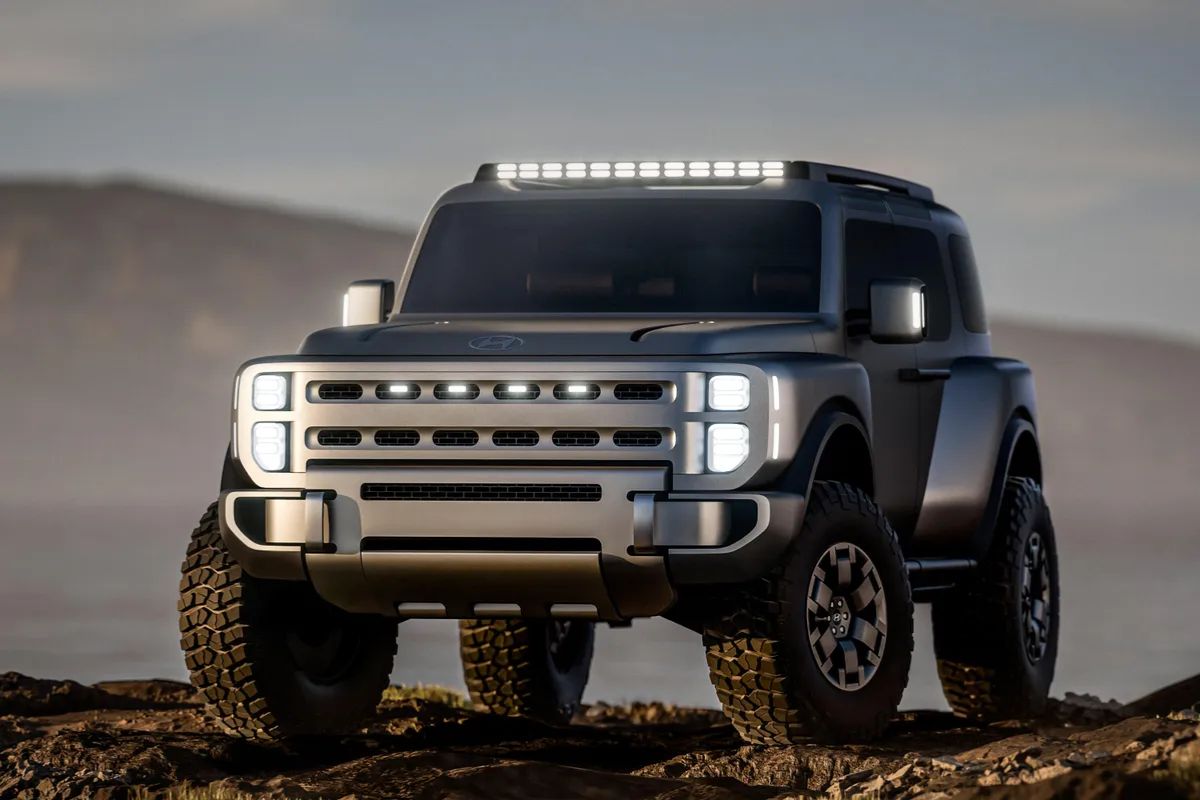
Hyundai has unveiled the Boulder, a square SUV with a body-on-frame design, 37-inch mud tires, and carriage-style doors that seems to be made to take on the Ford Bronco and the Scout Traveller in the United States.
-
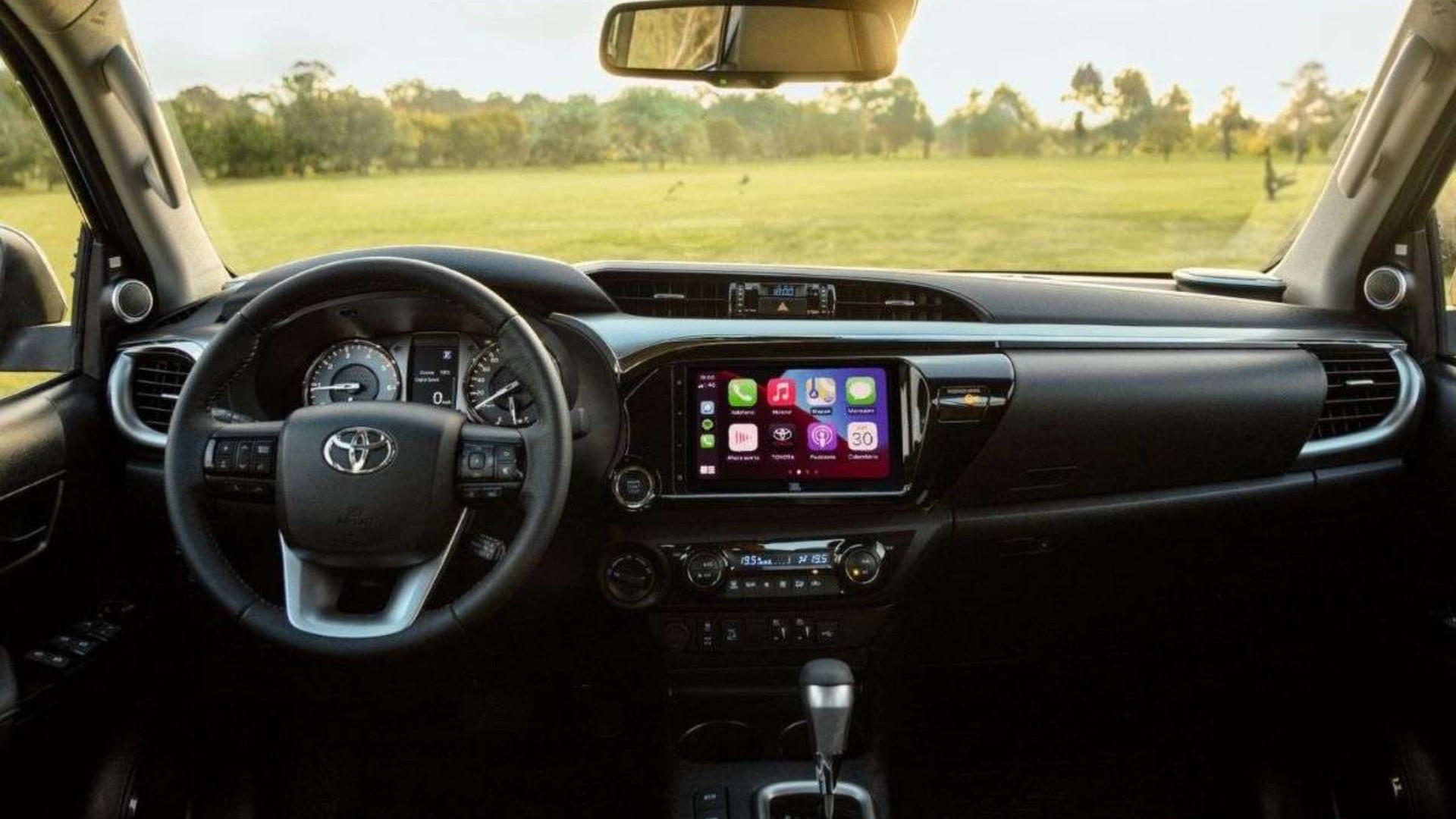
The Toyota Hilux is R$ 75.5 thousand cheaper and bets on the 2.8 turbodiesel engine with up to 204 hp and 50.9 kgfm to catch up with the VW Saveiro, which leads with 4,472 sales.
-
The new Renault Koleos has a screen exclusively for the passenger that is invisible to the driver, heated rear seats, and 29 assistance systems, but its Chinese competitors cost R$ 40,000 less and deliver more power.
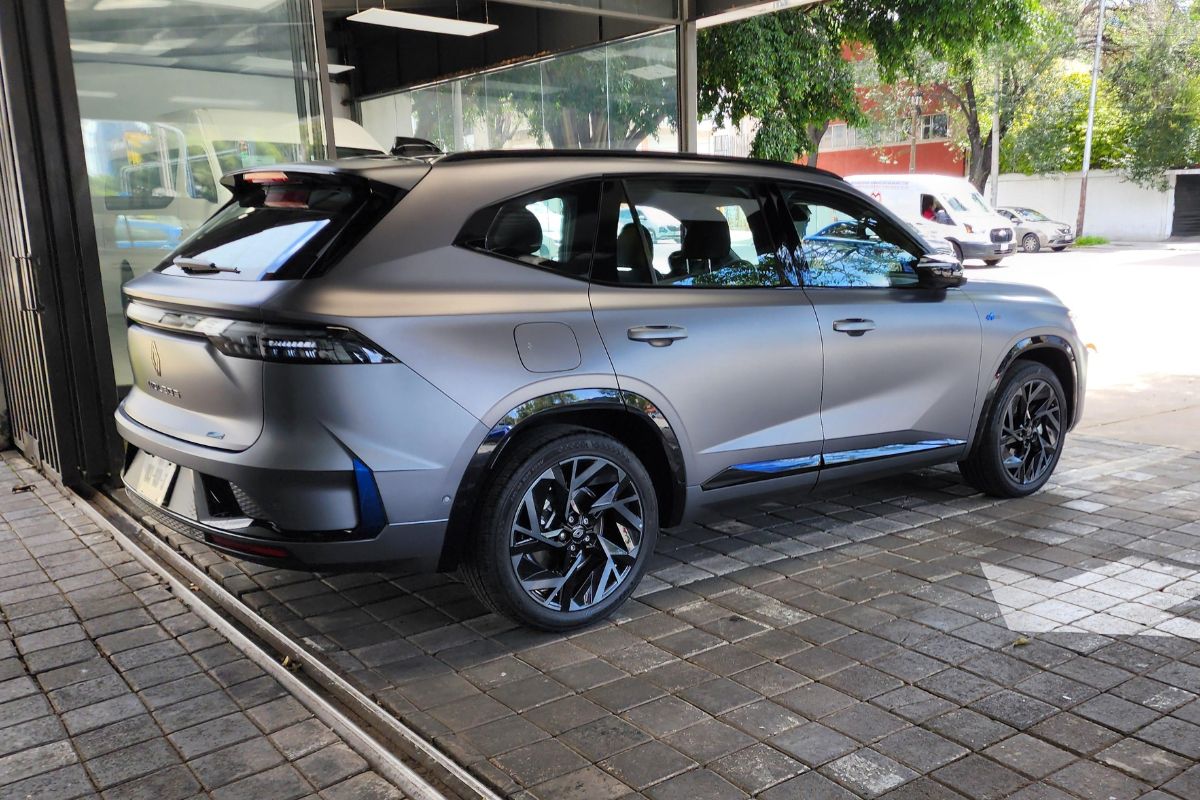
The same “C3” nameplate that here never had a consensual image compared to rivals from Japanese and Italian brands is now competing for the top positions in a ranking where any variation in price, engine, incentives, and perceived value can quickly shake up the order of best-sellers.
In France, the C3 appears as one of the pillars of this competition, in a scenario where popular models dominate the top and consumers compare every detail of the total cost of use.
Sales Ranking in France Places the Citroën C3 in the Top 5

The number that placed the hatchback in the Top 5 comes from a market survey that compiles the annual performance of models in France, highlighting Citroën C3 in fifth place, with 41,127 units registered for the entirety of 2025.
In the same analysis, traditional models in the French market, such as the Renault Clio and Dacia Sandero, appear above it, reinforcing the significance of the result: this is not a mere “spike” but a consistent presence in a list dominated by names that historically vie for leadership in volume.
Brazil and Europe: The Same Model, Different Perceptions
The interpretation of what this ranking represents inevitably involves the difference in context between Brazil and Europe.
In the Brazilian market, the C3 has gone through distinct phases, including periods when it was perceived as an interesting alternative in design and comfort, but also times when it lost ground to competitors with larger networks, higher liquidity in resale, and a more solid reputation for maintenance predictability.
Citroën, on its part, has alternated local strategies over the years, with portfolio changes and positioning that directly affected the “weight” of the C3 in consumer discussions.
The result was a relevant presence at certain times, but it never established itself as a constant protagonist on national lists.

In France, the dynamics are different.
Citroën plays “at home,” with a customer base that closely follows the brand’s offerings, in addition to a maintenance ecosystem, parts, and services different from those in Brazil.
Even so, the rise of the C3 in the recent ranking cannot be explained solely by familiarity.
“Anti-Dacia” Strategy Repositions Citroën and Reinforces the Role of the C3
It also addresses a broader change in the company’s strategy: the brand has been repositioning itself to offer “popular” and cheaper models, directly targeting the space occupied by Dacia, which has grown in Europe with a formula centered on aggressive pricing and controlled costs.
This repositioning became more evident when the French media described Citroën as “ready to challenge Dacia”, highlighting its commitment to models with less negotiable prices and values set at an entry-level standard, aiming to attract those who buy based on rationality rather than status.
Within this movement, the C3 has gained a role as an entry point for volume, functioning as a “anchor car” to sustain presence on the streets and generate scale, something fundamental when European consumers compare cost per kilometer, insurance value, and energy/fuel expenses.
Electrified Variants and Their Effect on Market Interest
In addition to the combustion version, the C3 has also gained an added layer of interest with the expansion of electrified variants in some markets, including the family related to the ë-C3 in discussions of performance in the entry-level electric segment.

A market report from AAA Data, which tracks registrations in France, even mentioned the ë-C3 in the context of leading among electrics in a monthly analysis, indicating growth and attention towards the model within the electrification environment.
Although this type of monthly analysis does not replace the annual ranking, it helps explain why the C3 name has reappeared frequently in market analyses: there is a convergence between “affordable car” and “electrified option” in a price range that aims to broaden the audience.
The coverage of European rankings also reinforced how the C3 has begun to attain high positions in different sales reports.
In a balance published in Brazil regarding European registrations, the model was cited as the second leader in a monthly analysis, at the top dominated by French groups and Dacia.
This type of exposure feeds into the visibility cycle: the more the car appears in lists and comparisons, the greater the public’s curiosity — even outside of Europe — to understand what has changed.
What the “France Effect” Reveals About Reputation and Value
When this story reaches Brazilian readers, the curiosity often comes from the cultural and market contrast.
In Brazil, the discussion regarding “French cars” often revolves around reputation, perceived maintenance costs, and liquidity, while in France, the conversation shifts towards list prices, total costs, and suitability for urban use, with more motorization options and packages designed for volume.

The same model, with the same name, reflects how an industrial and commercial strategy can change the fate of a car depending on where it is sold.
What appears in the French ranking, therefore, is not just a number.
It is a sign that Citroën has managed to place the C3 at the center of a competition where consumers have direct alternatives and, yet, choose that product on a large scale.
The brand also benefits from a regulatory and consumption environment that encourages manufacturers to offer efficient options with more predictable costs, creating room for products positioned as “rational” — precisely the territory where Dacia has consolidated and which Citroën claims it wants to challenge.
At the same time, this turnaround ignites an inevitable debate for those following the Brazilian market: to what extent is the image that a model carries in a country a consequence of the product itself, and to what extent is it shaped by service networks, pricing strategy, version offerings, and brand consistency over time?
If a car can be “difficult” in one place and a “darling” in another, what does this reveal about how consumers judge value — and about how brands can rewrite a model’s reputation?








-

-

-

5 pessoas reagiram a isso.