





 Portuguese
  English
  Spanish
  3 min of reading
  2 comments


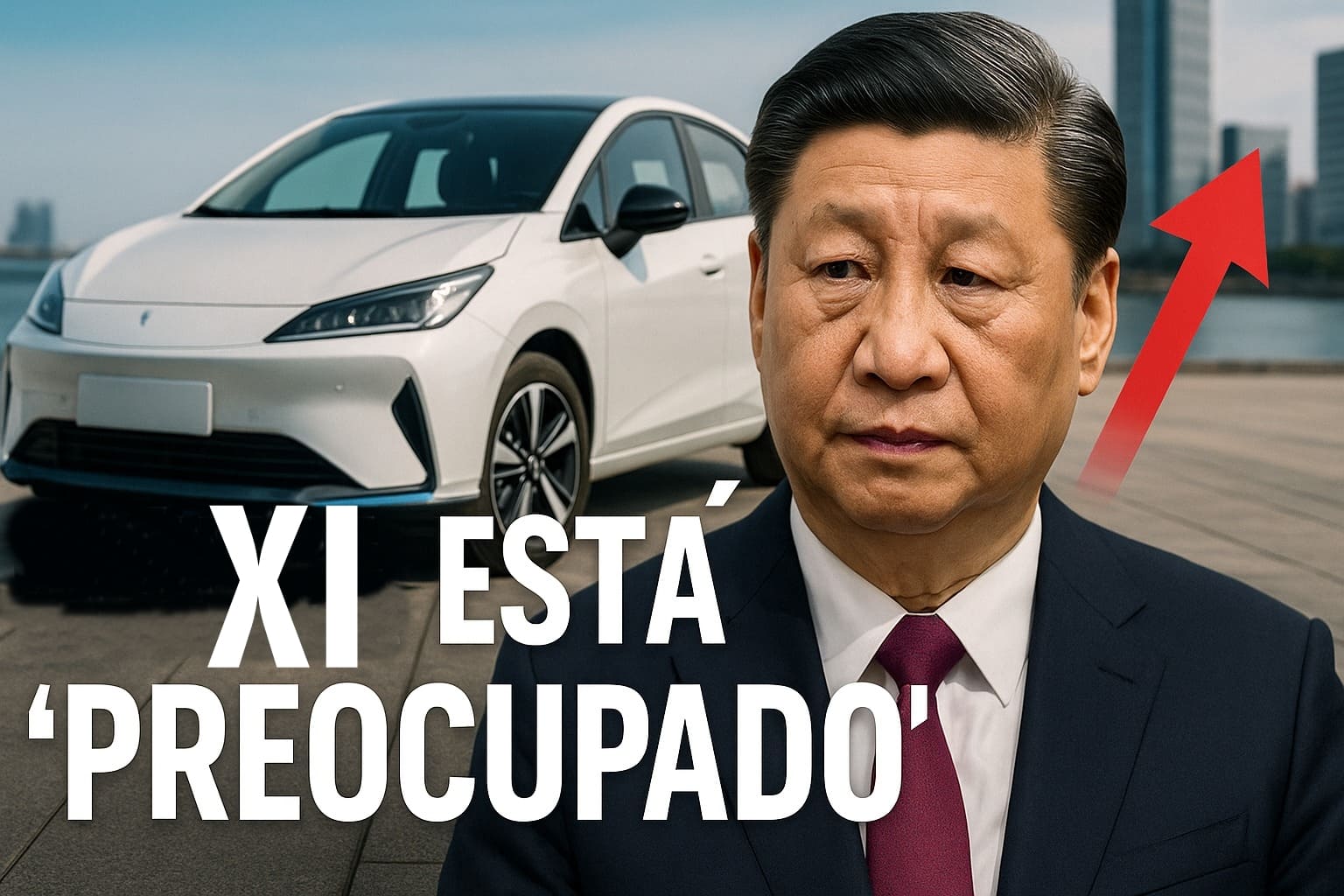


China Faces a Paradox in the Automotive Sector. Despite Leading the Global Electric Car Market, Strong Internal Competition Has Reduced Prices to Levels That Worry the Government. Xi Jinping Warns of Risks to the Sustainability of Manufacturers and Advocates Measures to Balance the Sector.
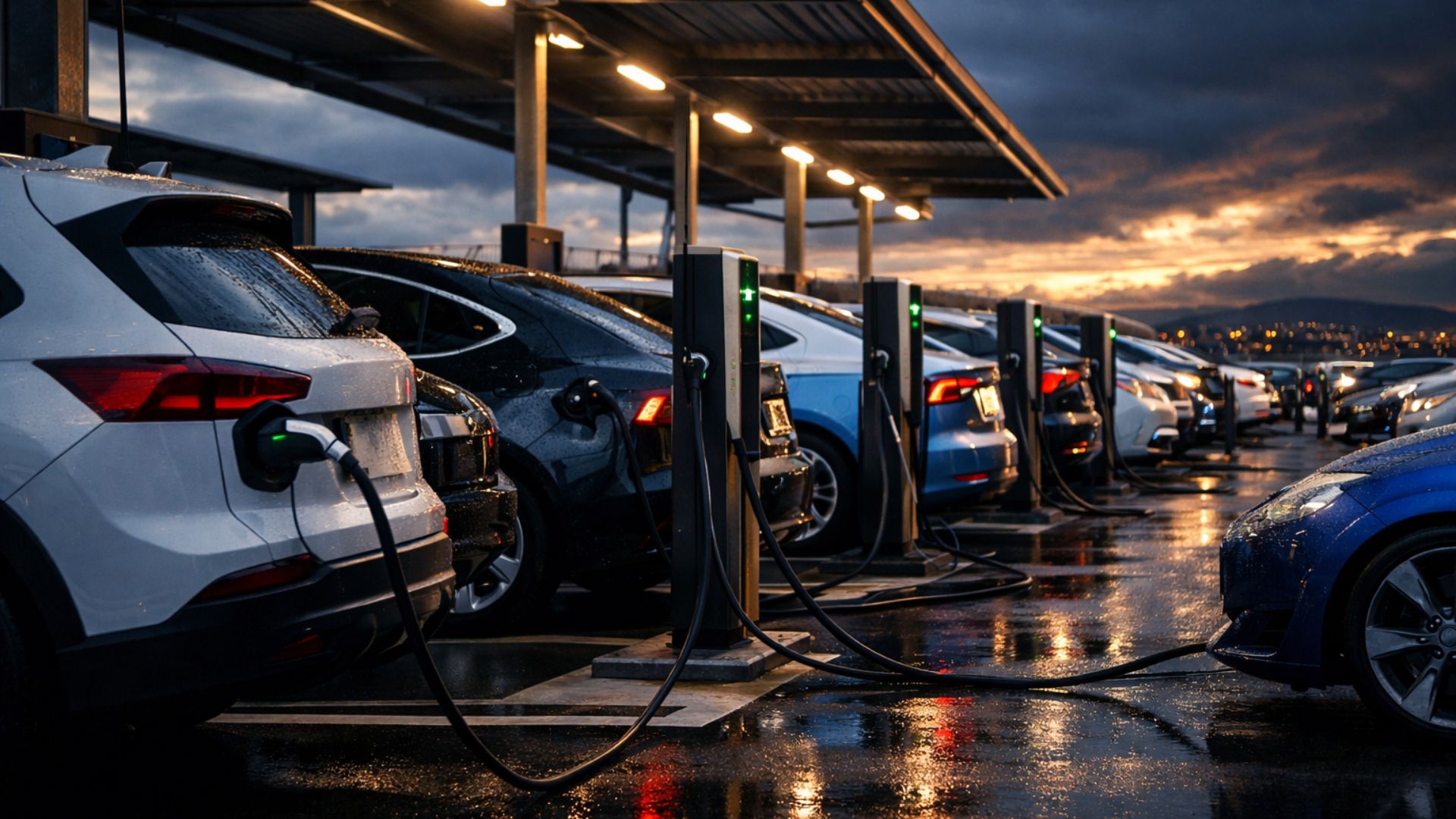
China is now a global benchmark in the development, marketing, and sale of electric cars. The country is ahead of many regions, but faces a scenario of intense internal competition.
New brands emerge every few years, leading to such fierce competition that prices have been reduced to the minimum necessary to maintain production.
Chinese President Xi Jinping stated that this situation is concerning and advocated for changes in the sector. He proposes discussing ways to regulate prices to “safeguard the country’s economic growth.”
-
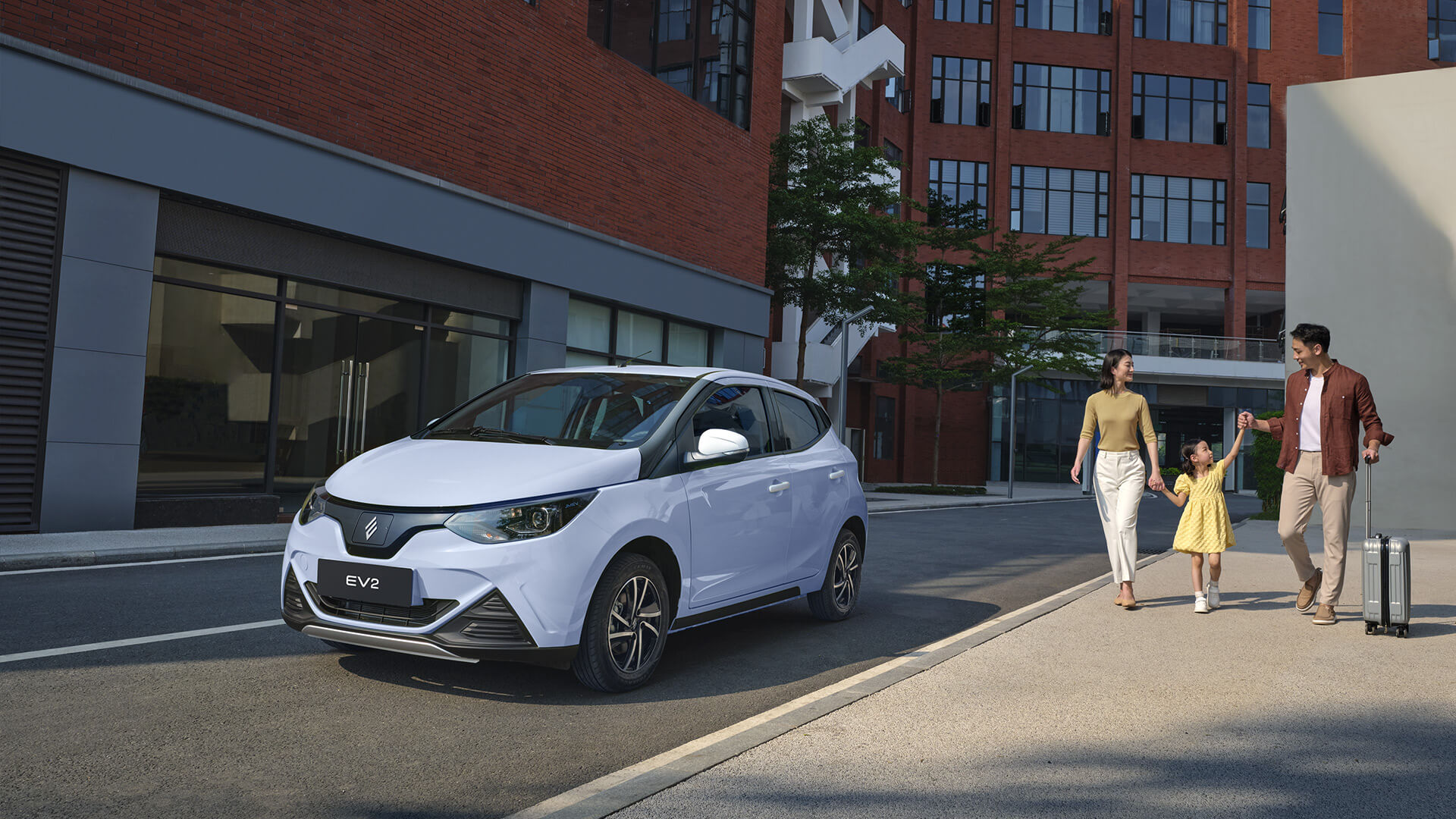
Goodbye expensive popular car: electric vehicle for less than R$ 70,000 starts being sold in Brazil with a range of 200 km and targets those looking to escape gasoline.
-
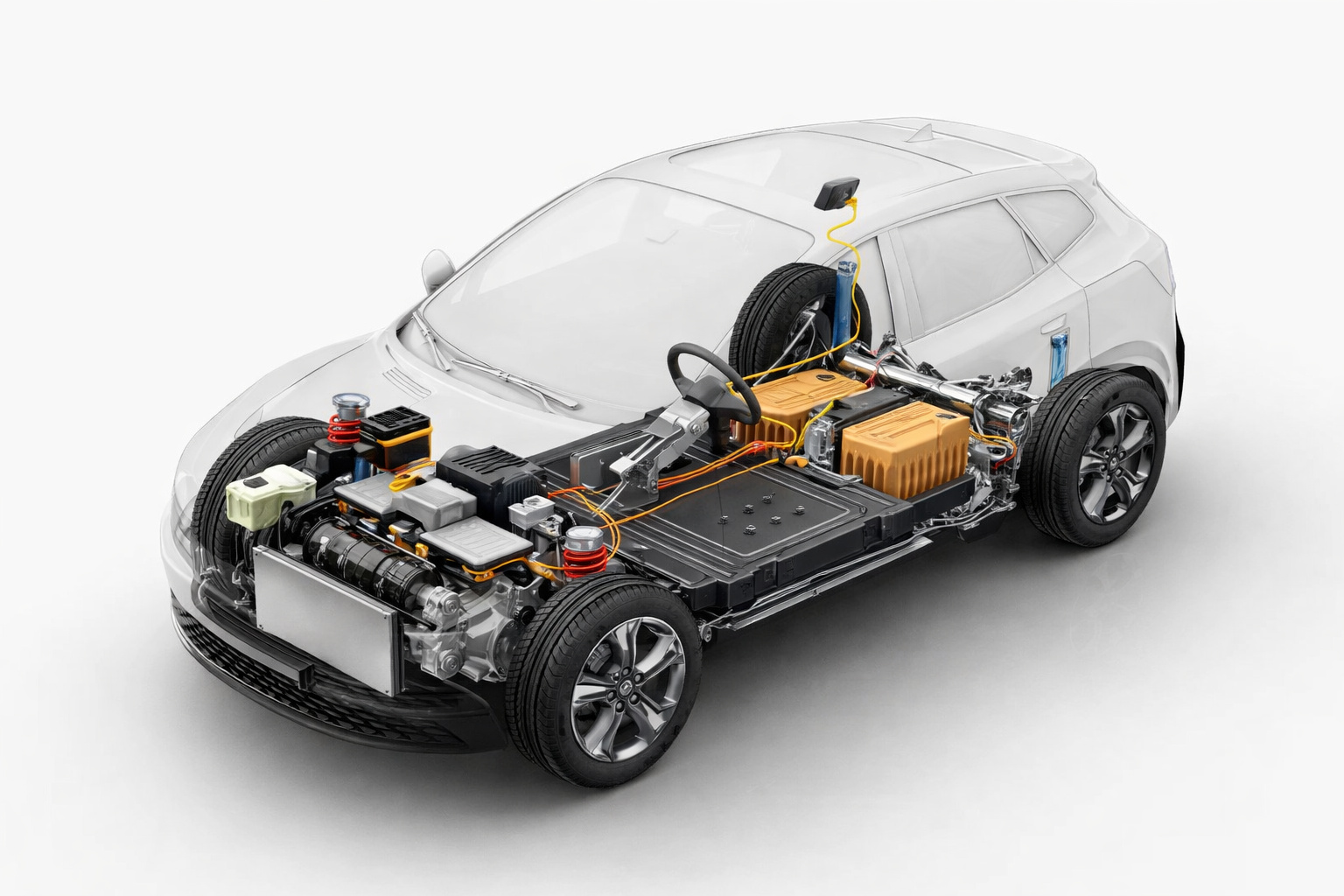
China Surprises Automotive Industry With Battery That Promises Electric Car Able to Run Up to 1,000 km Without Recharge
-
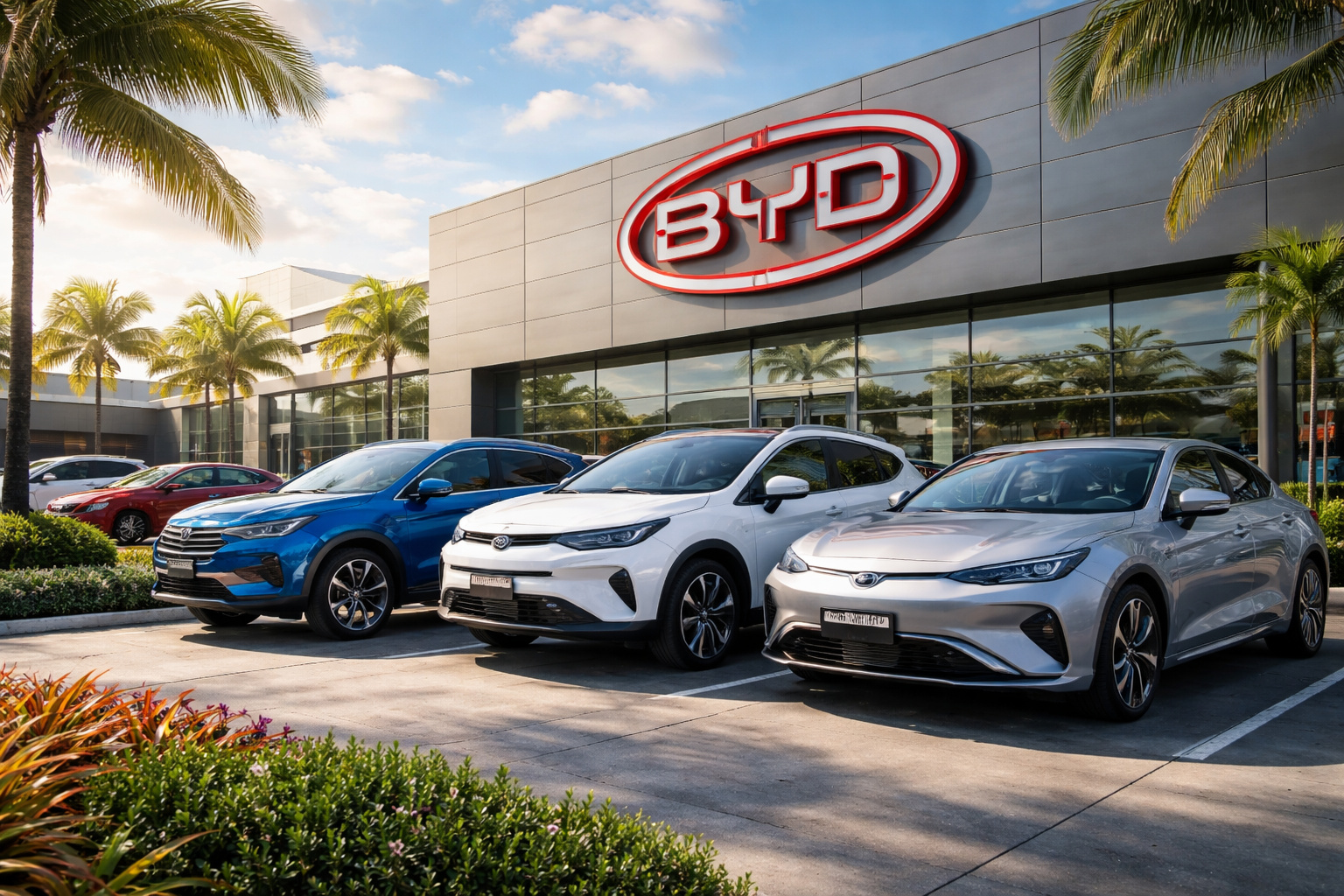
Why BYD Grew So Fast in Brazil and How Blade Batteries, Electric Cars, and Industrial Incentives Shaped This Expansion in the National Automotive Sector
-
Electric Cars Make Progress in Brazil in 2026 and Promise to Reduce Drivers’ Costs with Cheaper Energy, While Infrastructure Grows Slowly Across the Country

Risk of Regression in the Industry
Xi Jinping pointed out that the automotive industry faces a risk of regression. Companies continue to invest in innovations, but already operate with very low profit margins.
According to The Guardian, the earnings of several manufacturers are minimal and hardly cover costs.
The internal competition does not favor the sector. The government believes that the so-called “price war” harms the sustainability of manufacturers.
Price Decrease and Impact on Manufacturers
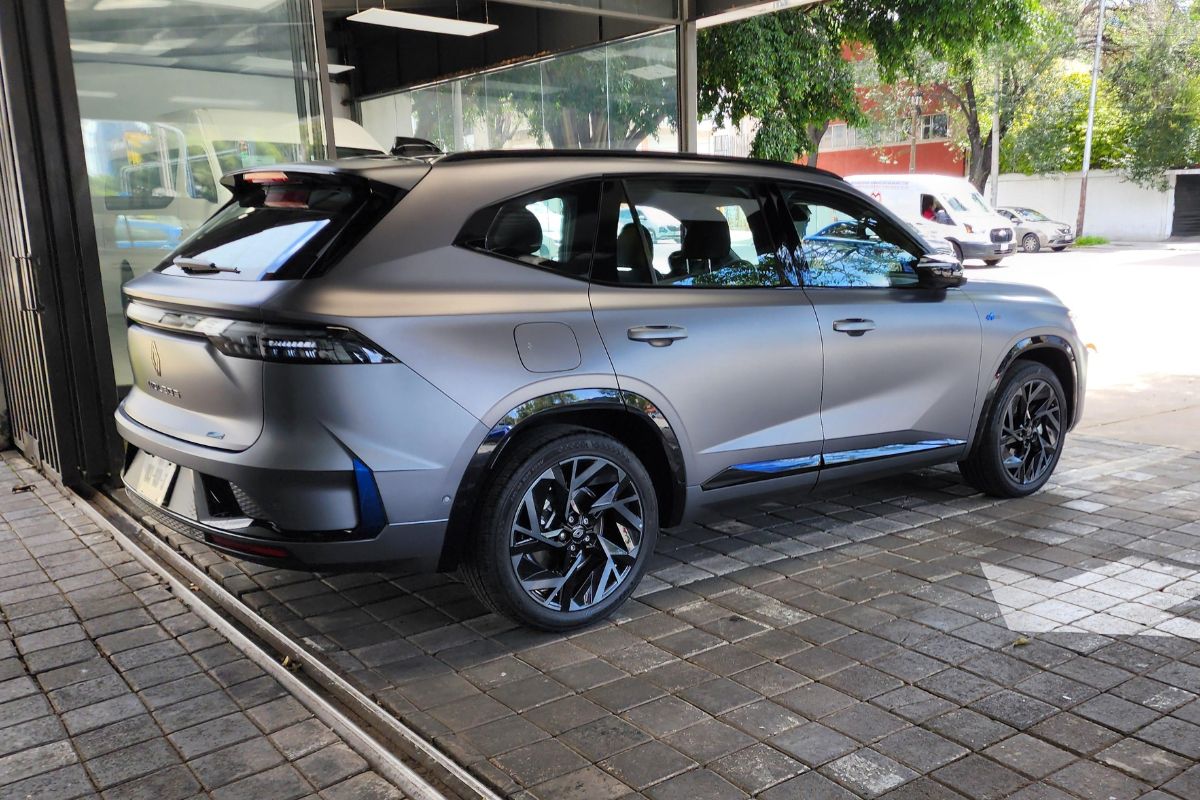
One of the examples cited by the government shows a significant reduction in prices. In the domestic market, the selling price is 55,800 yuan, approximately 6,700 euros.
In Europe, a comparable model is sold starting at 19,990 euros, even with the imposition of tariffs by the European Union.
Although there is a perception that these brands maintain high profitability, nearly 50 manufacturers report zero profit. This could lead to the closure of companies in a few months or years.
Successive Reductions in Recent Years
In 2025, prices fell by an average of 17% compared to 2024. The previous year, the decrease was 8% compared to 2023. This sequence of reductions pressures the companies’ cash flow and worries the Chinese government.
The situation has become unsustainable for many manufacturers, prompting discussions about control measures.
Production Above Demand
According to The Guardian, a Chinese manufacturer was warned for producing above the internal market demand. This excess investment resulted in idle capacity in several factories.
According to Bloomberg, there are units operating at only 2% utilization.
This scenario reinforces the need for adjustments to prevent waste and even greater losses.
Possible Measures
It is still unclear what actions the government will take. Among the possibilities are setting a minimum price for market entry and ensuring a minimum profit margin.
There is also the possibility of directing more units for internal consumption, reducing the priority on exports.
The matter remains under analysis and new decisions may be announced in the coming weeks.







O governo la subsidia fortemente esse setor (dentre outros). Investir em um carro chinês hoje, na minha opinião, é correr um risco em relação a peças, revenda, pós venda… vejamos daqui 10 a 20 anos
Menos no Brasil, Pais que enriqueceu a FIAT e agora tá enriquecendo os chineses com o fiasco mais uma vez elétricos. 4ª vez que não emplaca