





 Portuguese
  English
  Spanish
  2 min of reading
  0 comments


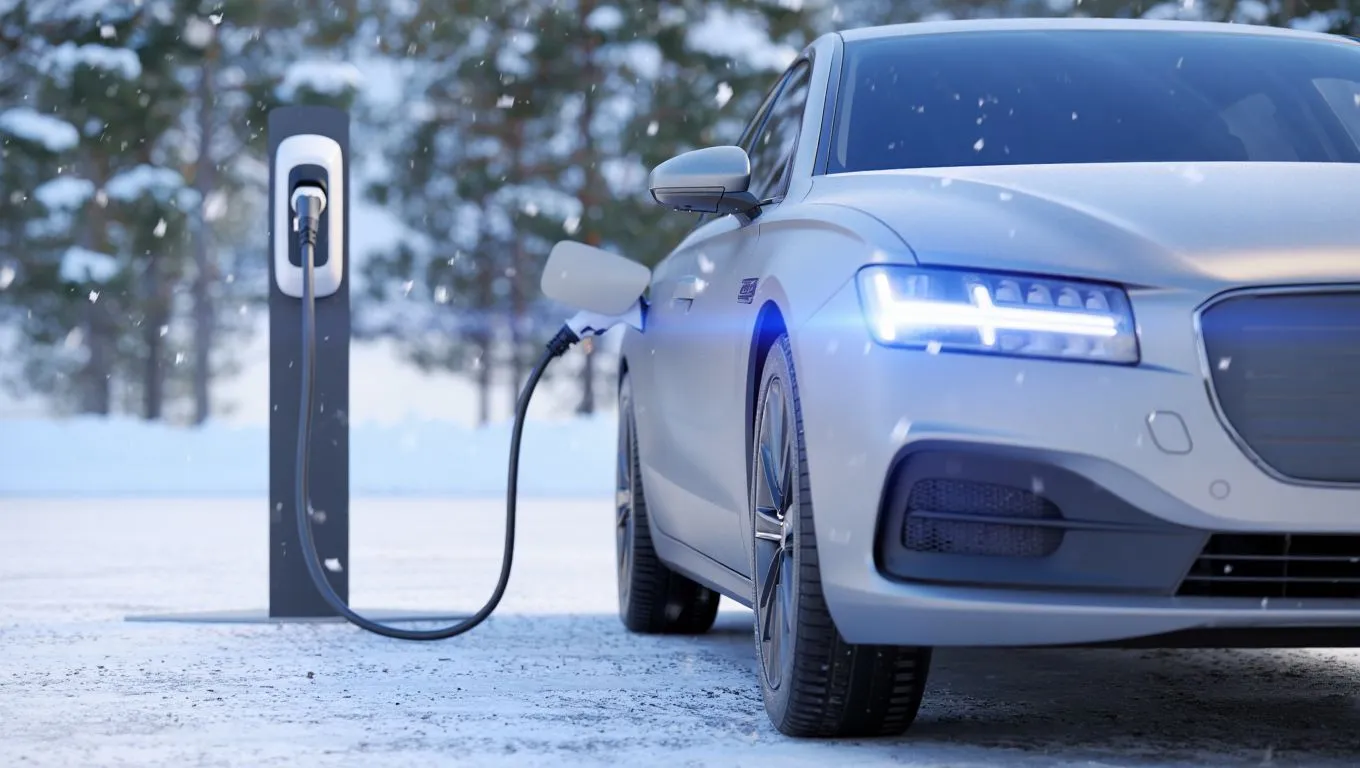
Breakthrough Promises to Improve Performance in Winter Without Changing Production
A new study has provided a practical solution for one of the biggest challenges faced by electric vehicles: slow charging in very cold climates. Scientists developed a method that allows for faster charging of lithium-ion batteries at temperatures as low as -10 °C, with promising results.
Problems Caused by Cold
Intense cold directly affects battery performance. Low temperatures thicken the liquid electrolyte, hindering the movement of lithium ions and reducing electric current. This increases the time required to recharge vehicles. Additionally, chemical reactions become less efficient, decreasing the range of cars in winter.
Traditional solutions, such as increasing the thickness of electrodes, have not solved the problem. In fact, these strategies often made fast charging even more difficult in extreme cold conditions.
-
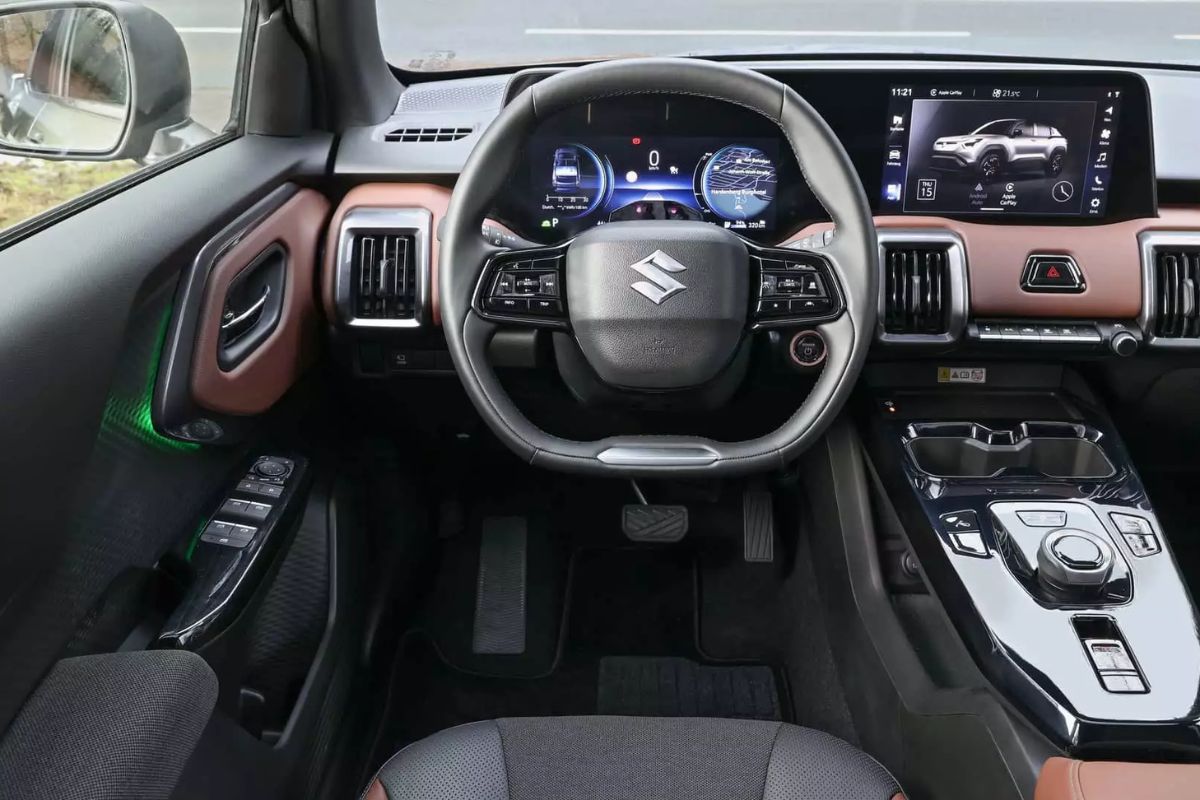
The 2026 electric Vitara arrives in Brazil and proves that Suzuki is not leaving: 4×4 traction, 184 hp, 61 kWh LFP battery, 293 km range, R$ 259,000, and a trunk capacity of 224 L.
-
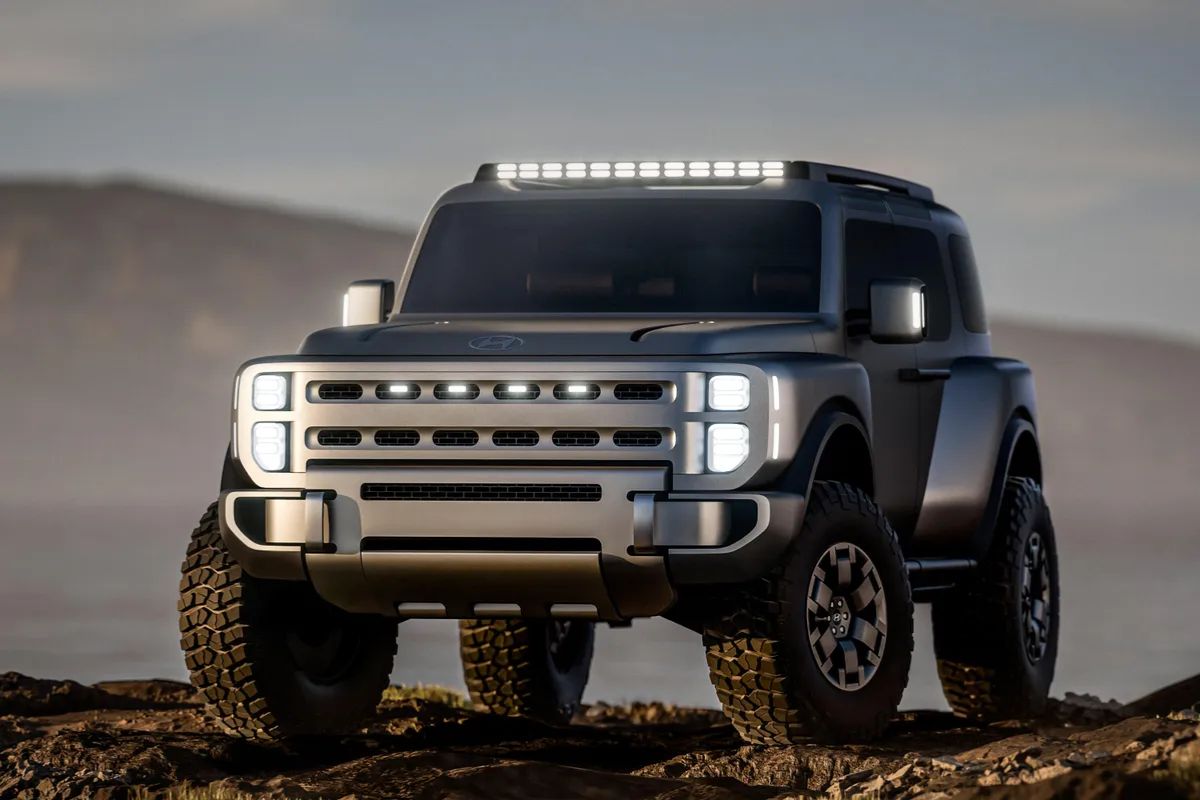
Hyundai has unveiled the Boulder, a square SUV with a body-on-frame design, 37-inch mud tires, and carriage-style doors that seems to be made to take on the Ford Bronco and the Scout Traveller in the United States.
-
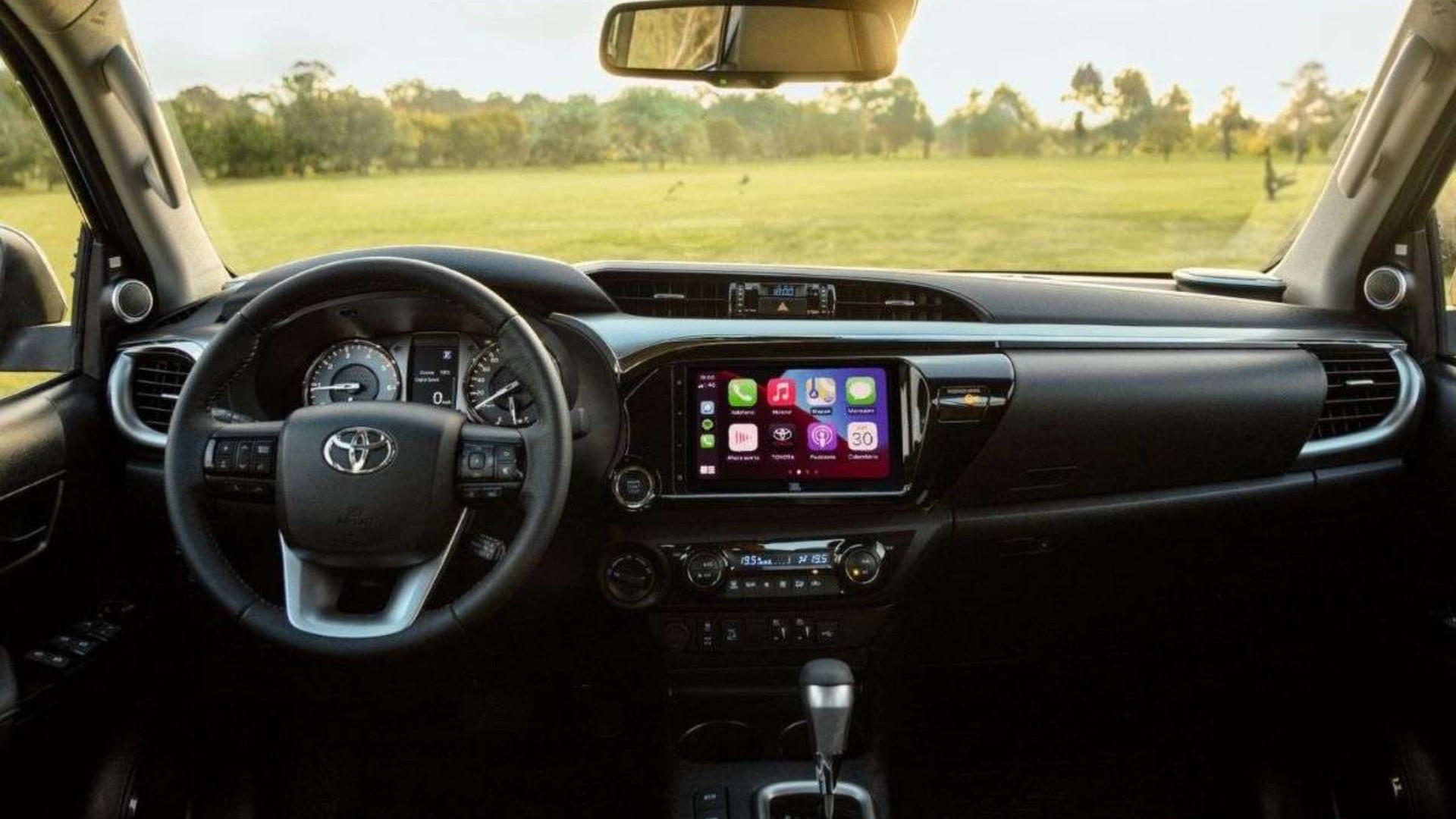
The Toyota Hilux is R$ 75.5 thousand cheaper and bets on the 2.8 turbodiesel engine with up to 204 hp and 50.9 kgfm to catch up with the VW Saveiro, which leads with 4,472 sales.
-
The new Renault Koleos has a screen exclusively for the passenger that is invisible to the driver, heated rear seats, and 29 assistance systems, but its Chinese competitors cost R$ 40,000 less and deliver more power.

Changes to Battery Structure
The team of researchers used lasers to drill into layers of graphite in the battery anode, creating pathways that facilitate the movement of ions. This technique had been tested in 2020 but faced issues with lithium buildup at low temperatures.
To overcome this, scientists applied a thin layer of lithium borate carbonate. This substance, already known for its efficiency in solid-state batteries, resulted in up to a 500% increase in charging efficiency in cold environments.
Results and Applications
Tests demonstrated that the batteries maintained 97% of their capacity after 100 cycles of fast charging in extreme cold. Researcher Neil Dasgupta highlighted that these changes can be easily incorporated into existing factories without the need for major adaptations.
The innovation could directly benefit drivers living in regions with harsh winters, making electric cars more practical and reliable in any climate.









Seja o primeiro a reagir!