






 Portuguese
  Spanish


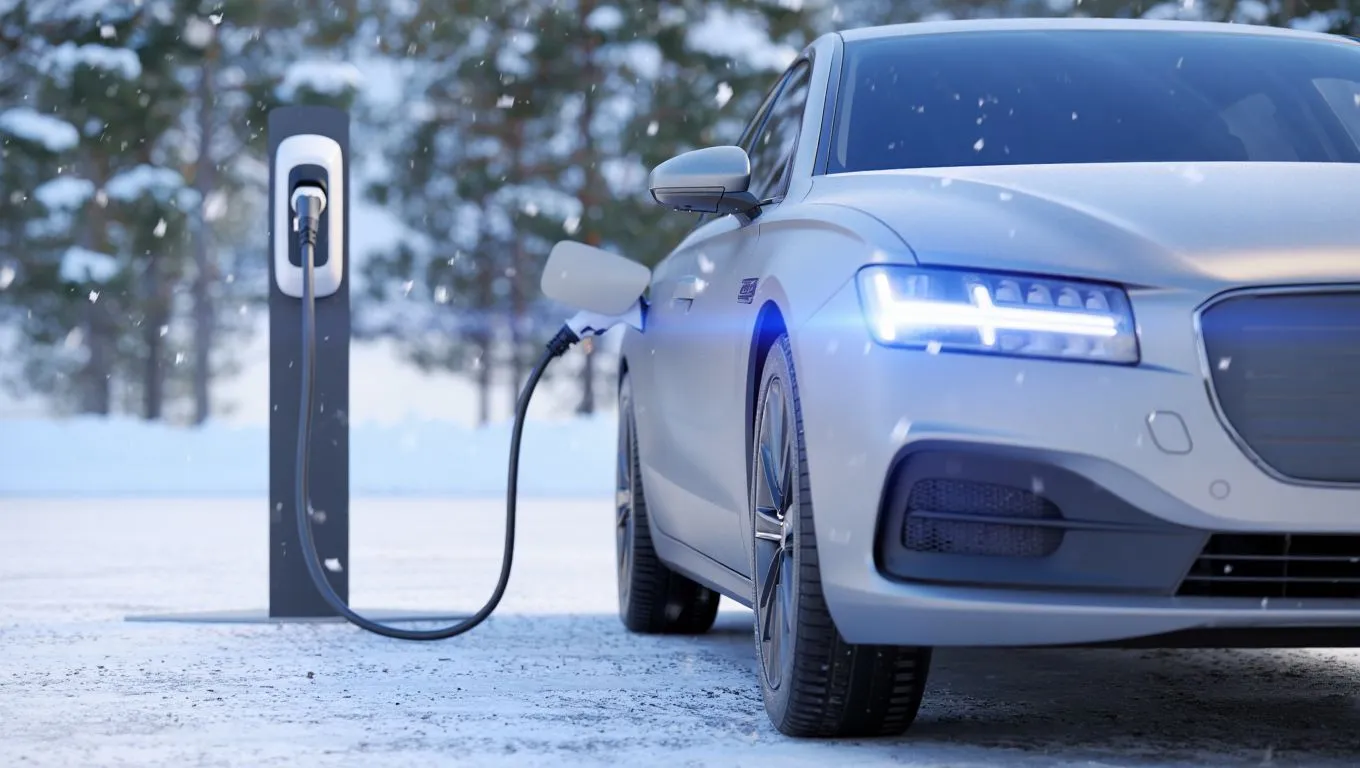

Breakthrough Promises to Improve Performance in Winter Without Changing Production
A new study has provided a practical solution for one of the biggest challenges faced by electric vehicles: slow charging in very cold climates. Scientists developed a method that allows for faster charging of lithium-ion batteries at temperatures as low as -10 °C, with promising results.
Problems Caused by Cold
Intense cold directly affects battery performance. Low temperatures thicken the liquid electrolyte, hindering the movement of lithium ions and reducing electric current. This increases the time required to recharge vehicles. Additionally, chemical reactions become less efficient, decreasing the range of cars in winter.
Traditional solutions, such as increasing the thickness of electrodes, have not solved the problem. In fact, these strategies often made fast charging even more difficult in extreme cold conditions.
-
British Factory Transitions from Mechanical Parts to Producing 420,000 Electric Power Units Annually, Supplying 70% of Ford’s Electric Cars Sold in Europe

-
Toyota Shifts from Hybrid Cars to Electric Air Taxis with Joby’s 6-Rotor Aircraft, Capable of 322 km/h, Aiming for Mass Production to Electrify Urban Skies

-
Ferrari Unveils Limited Edition 12Cilindri Manuale: 6.5-Liter V12, 830 HP, 0-100 km/h in 2.9 Seconds, Top Speed Over 340 km/h, Only 1,499 Units Available

-
Discover the 2021 Fiat Cronos 1.3: Affordable Maintenance, Reliable Mechanics, and Fuel Efficiency of Up to 15.6 km/l


Changes to Battery Structure
The team of researchers used lasers to drill into layers of graphite in the battery anode, creating pathways that facilitate the movement of ions. This technique had been tested in 2020 but faced issues with lithium buildup at low temperatures.
To overcome this, scientists applied a thin layer of lithium borate carbonate. This substance, already known for its efficiency in solid-state batteries, resulted in up to a 500% increase in charging efficiency in cold environments.
Results and Applications
Tests demonstrated that the batteries maintained 97% of their capacity after 100 cycles of fast charging in extreme cold. Researcher Neil Dasgupta highlighted that these changes can be easily incorporated into existing factories without the need for major adaptations.
The innovation could directly benefit drivers living in regions with harsh winters, making electric cars more practical and reliable in any climate.


