





 Portuguese
  English
  Spanish
  3 min of reading


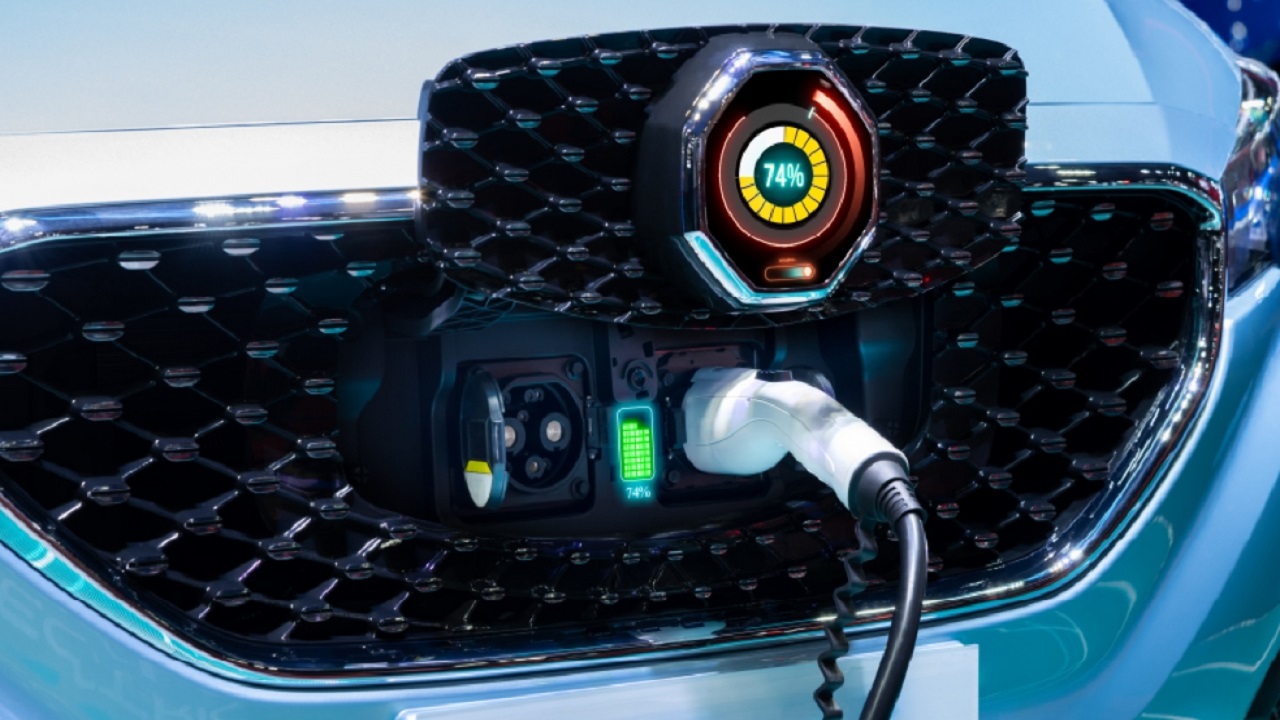
Revolutionary Battery from StoreDot Promises to Recharge Electric Cars in Just 5 Minutes, Expected to Hit the Market in 2024.
StoreDot sent the first units of the battery that promises to reduce charging time for electric cars to just 5 minutes less than a year ago, and now the company has announced an important update, which is the date to begin mass production of the product.
New Electric Car Battery Uses Innovative Chemical Process
According to the Israeli startup, the batteries called 100in5 will be produced on three different continents, namely North America, Europe, and Asia, and will be ready to supply the global electric car market starting in 2024.
According to Dr. Doron Myersdorf, CEO of StoreDot, the 100inX batteries maximize the recharging of electric cars using an innovative chemistry called XFC. These cells are being developed in three different types: 100in2 with lithium powder, 100in3 with semi-solid state (100in3), and 100in5 with silicon.
-
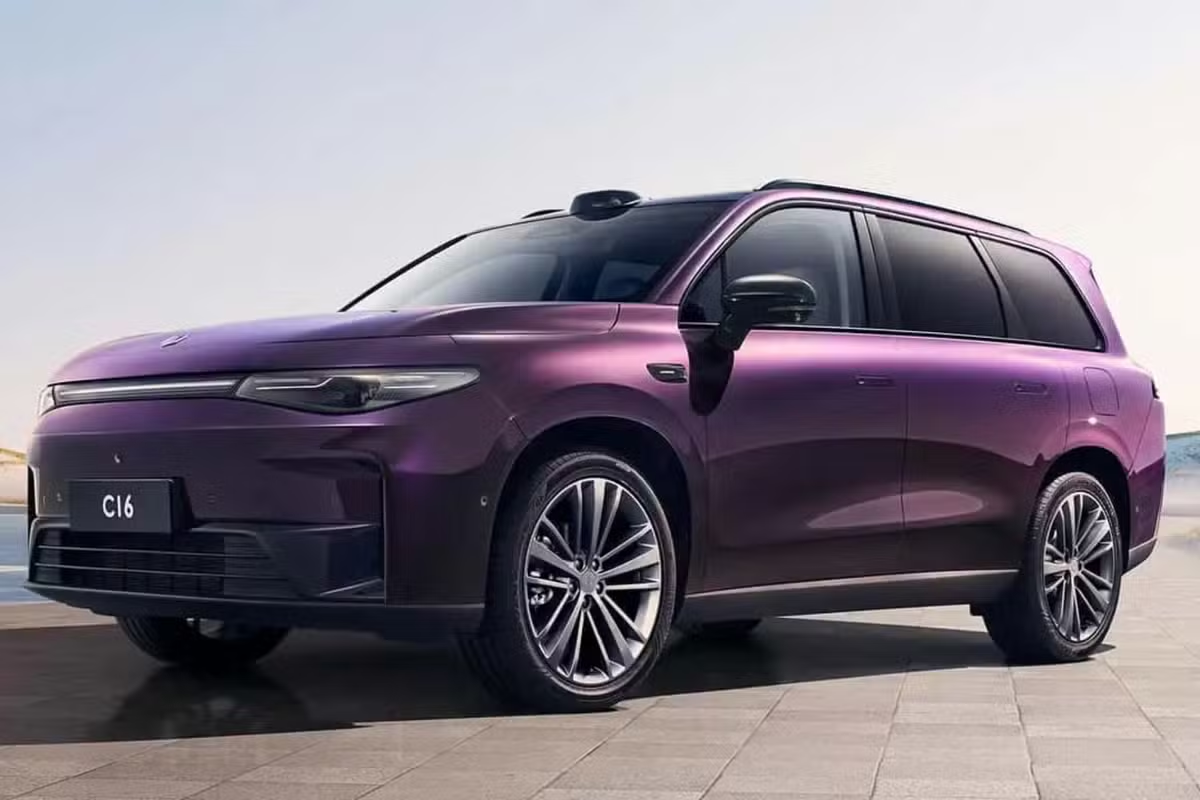
Leapmotor C16 lands in Brazil in 2027 with electric and hybrid options, a futuristic design, interior for 6 people, and a range that can exceed 1,000 km in another Chinese offensive from Stellantis.
-
Why buying a car at a dealership is more expensive? New study reveals the factors that raise the price.

-
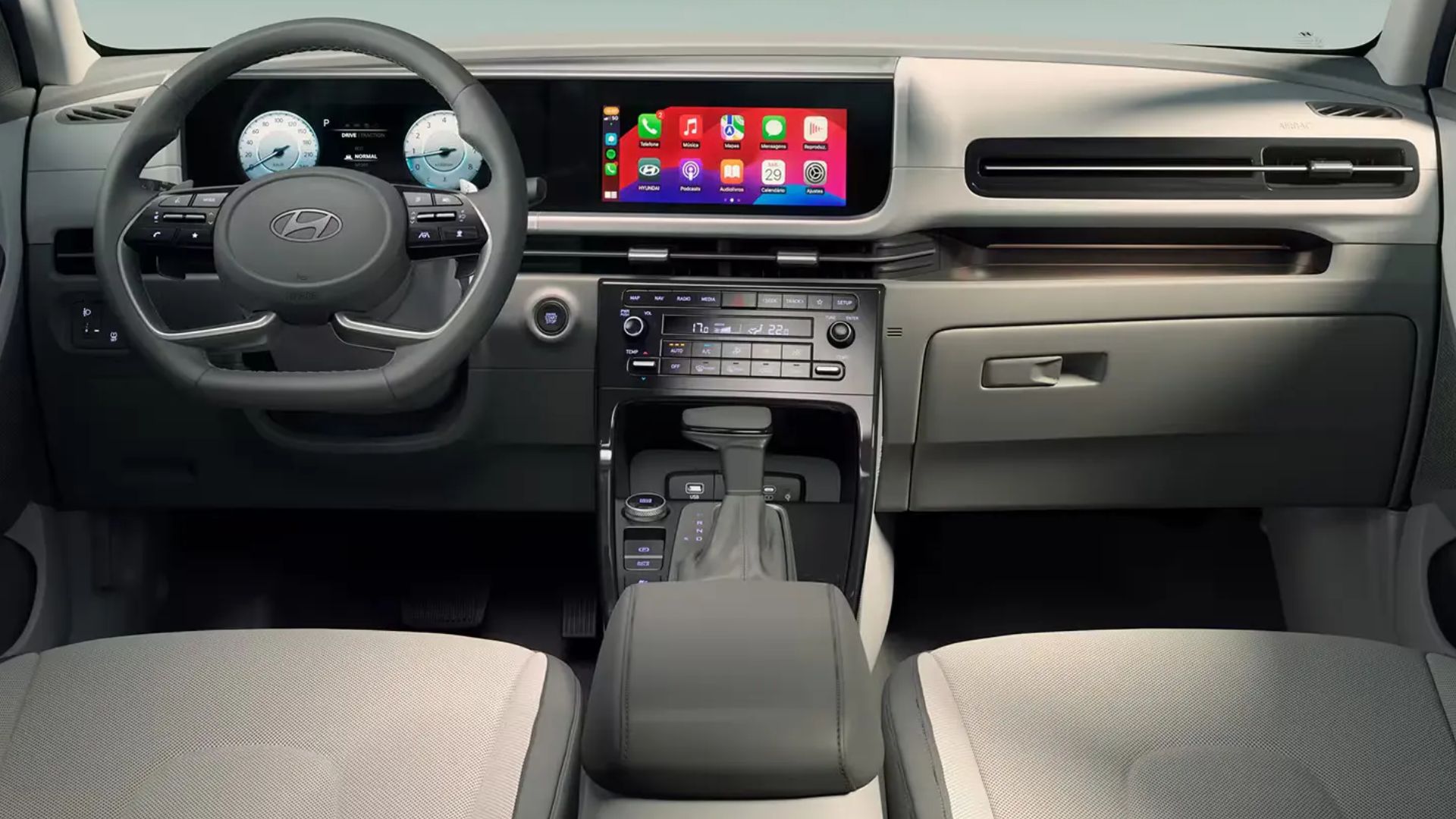
Starting at R$ 144,590 and featuring a 1.0 turbo engine and a complete ADAS package, the 2026 Hyundai Creta surpasses the Nivus, Pulse, and even the Kwid, advancing in the SUV rankings in Brazil.
-
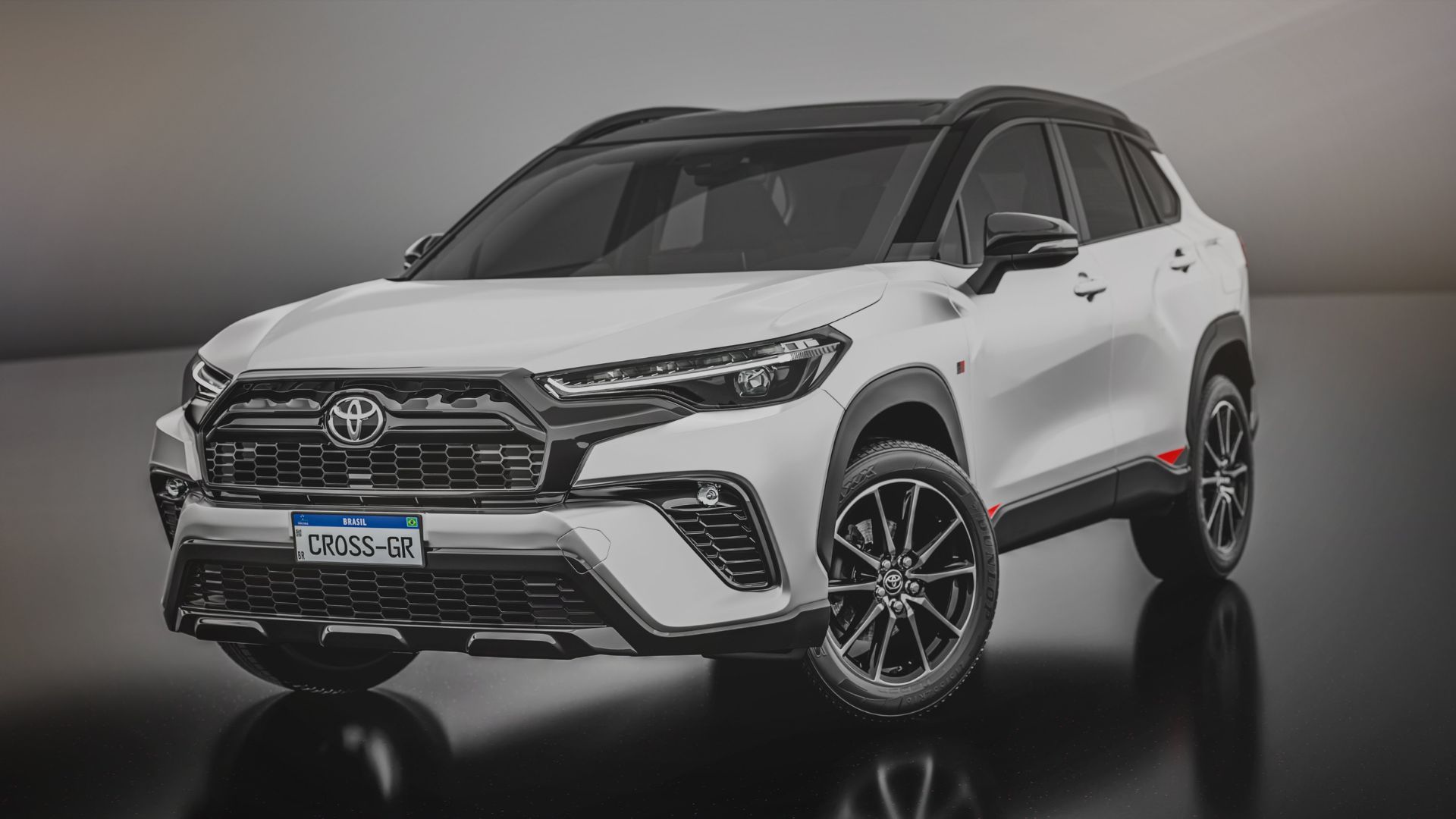
Used Toyota Corolla Cross features a 2.0 engine with up to 177 hp, a hybrid version that achieves up to 17 km/l and 122 hp combined, a 10-speed CVT transmission, a package with 6 airbags and adaptive cruise control, as well as prices starting from R$ 117,000 and reaching R$ 149,000 in versions such as XRE, XR, XRV Hybrid, and GR-S.
According to the company executive, it is essential that major battery manufacturers, such as StoreDot, can consistently provide batteries in a convenient, efficient, and sustainable manner, as there is a significant concern about the environmental impact of battery supply chains.
By serving its OEM customers from its own locations, it is possible to do this more efficiently, demonstrating the company’s commitment to zero pollutant emissions. After the 100in5, which StoreDot already has scheduled to begin mass production, the next to roll out will be the 100in3 with prototypes expected to arrive in 2029, and the 100in2, planned to be ready by 2032.
5 Minutes of Electric Car Charging Delivers 160 km of Range
According to Myersdorf, StoreDot combines nanotechnology, organic compounds, and Artificial Intelligence to overcome the main issue of future mobility, which is range anxiety. The company provides extremely fast charging battery solutions with extreme energy density that will lead humanity to a responsible future.
When they hit the market in 2024, the new batteries for electric cars will have the capacity to revolutionize the sector. They will allow hybrid or plug-in vehicles to recharge up to 160 km of range in 2 or 3 minutes.
Meanwhile, the company states it is in the advanced stages of developing semi-solid state technologies, which will bring improvements to electric vehicle batteries of 40% within 4 years. This will be followed by fully solid-state technologies, with an additional 33% improvement, to target a 2-minute charge range by 2032.
Understand How StoreDot’s New Battery Works
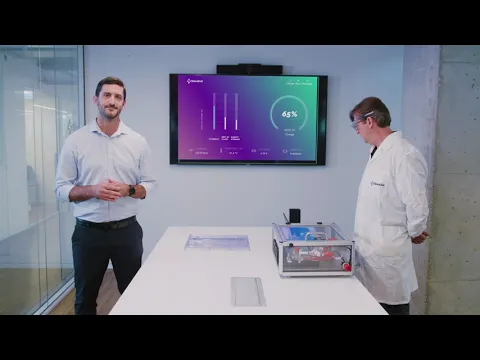

The chemistry of StoreDot’s battery essentially replaces the traditional graphite anode of ions with nano-sized silicon particles, synthesized with small molecule organic compounds. This results in a very powerful material that withstands silicon changes, such as volume expansion during electric car battery charging, energy attenuation issues, improved safety, and prominent rate capacity limitations.
According to the executive, the secret to super-fast electric car charging lies in its molecular composition integration and nanoparticles, meticulously assembled into an optimized XFC battery cell achieved through a decade-long development and research process, using rigorous machine learning and data science based on AI. The company’s XFC cells will be available in pouch and 4680 cell formats, the most commonly used by many global automakers.








Seja o primeiro a reagir!