





 Portuguese
  English
  Spanish
  3 min of reading


Attracting New Eyes Around The World, Electric Cars Are Encouraging Companies To Join Forces To Develop A New Sustainable Project Aiming To Use Trees To Develop New Batteries Targeting A New Source Of Income.
Stora Enso, a company located in Finland known for manufacturing pulp and paper, is venturing into new areas. With digitalization, the demand for production and consumption of paper has declined. Thus, the company has been seeking new sources of income. With a focus on sustainability, the result of this search led to a battery for electric cars made from trees. The battery has been developed by a network of companies in Europe and the United States, with Stora Enso being one of them.
Lignin, Carbon, and Anode! Learn More About How These Electric Car Batteries Work
Defining itself as “one of the largest private forest owners in the world,” it decided to leverage its raw material ownership to meet a need that has become increasingly popular in the contemporary world: the manufacturing of batteries for electric cars.
Present in about 30% of trees, lignin is a polymer that keeps cellulose fibers well bonded together, providing rigidity to the entire structure.
-
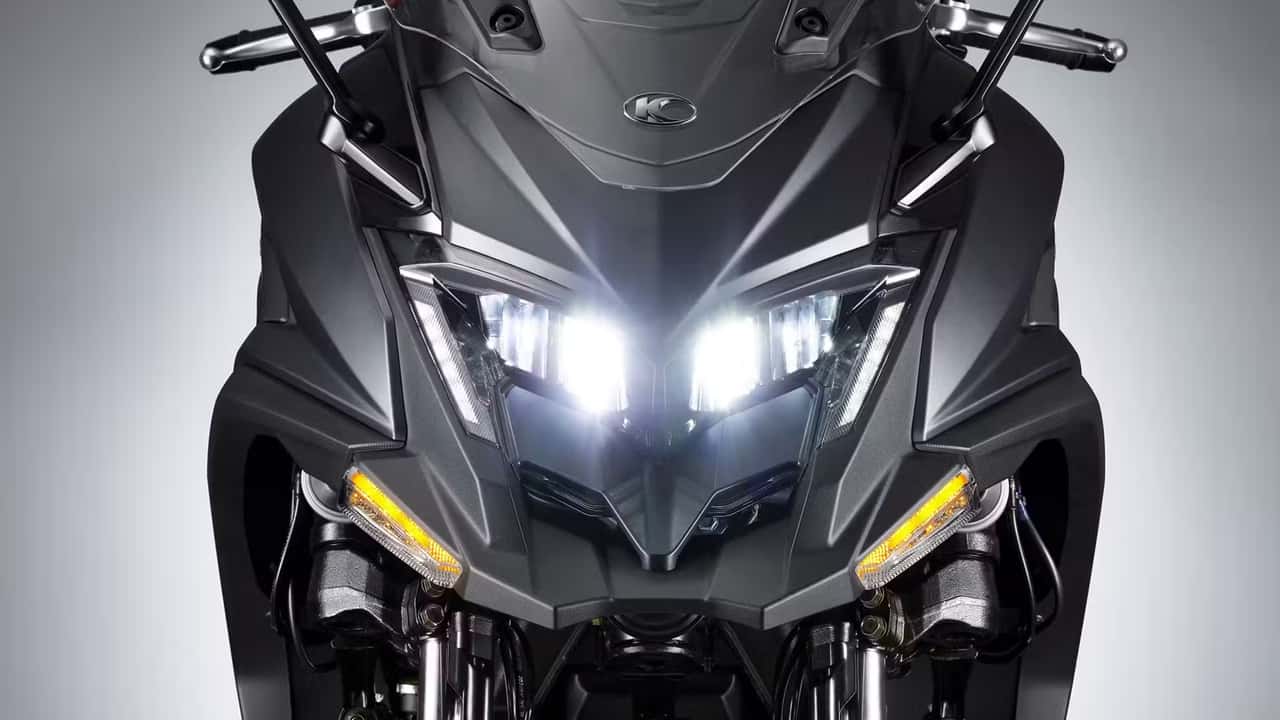
Kymco launches a 3-wheeled scooter with a 52 hp engine, a tilting front, and an audacious proposal to address one of the biggest fears of those who want to ride a motorcycle but still do not trust two wheels.
-
Most drivers make a big mistake on the road without knowing: there is an exact speed that makes the engine work with minimal effort and saves much more fuel, and it is neither 80 km/h nor 100 km/h as many imagine.

-
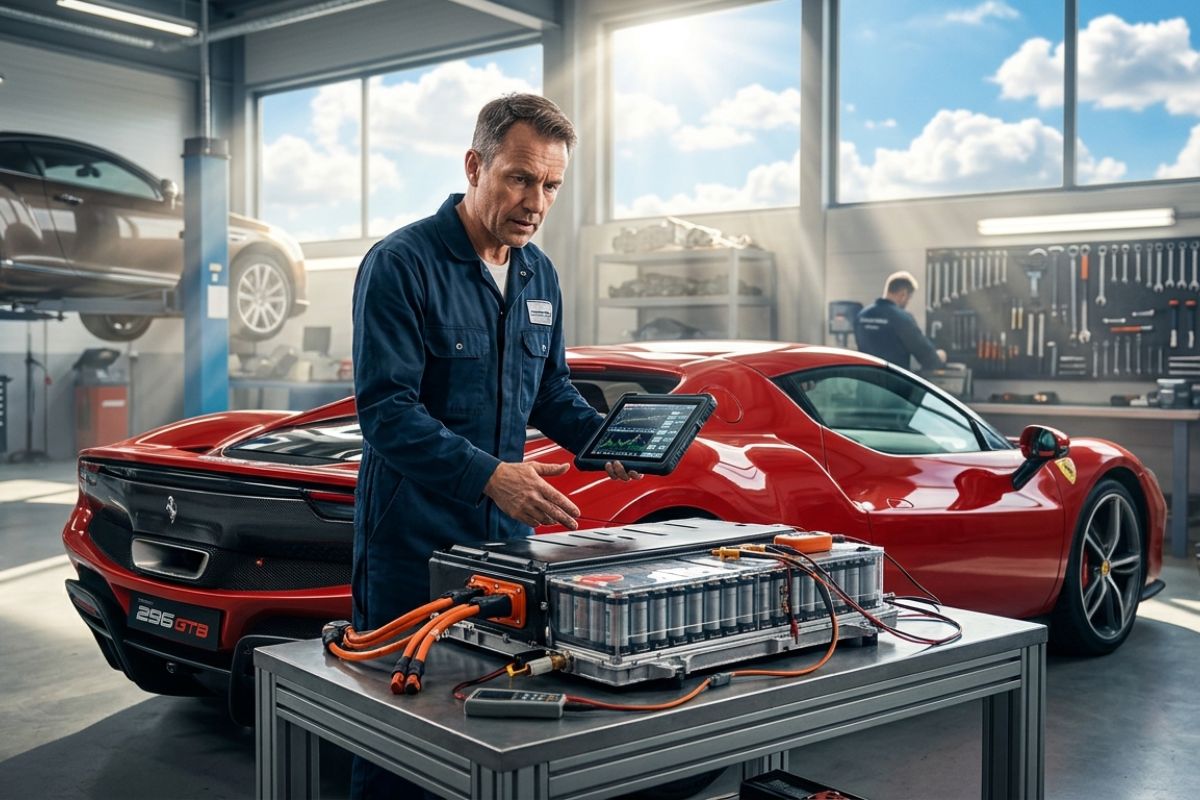
Mechanic explains: Ferrari 296 has a hybrid system management failure that can drain the high-voltage battery to an “irrecoverable” point in the car; recovery requires charging cell by cell on a bench, is risky, and the battery can cost R$ 250,000 imported.
-
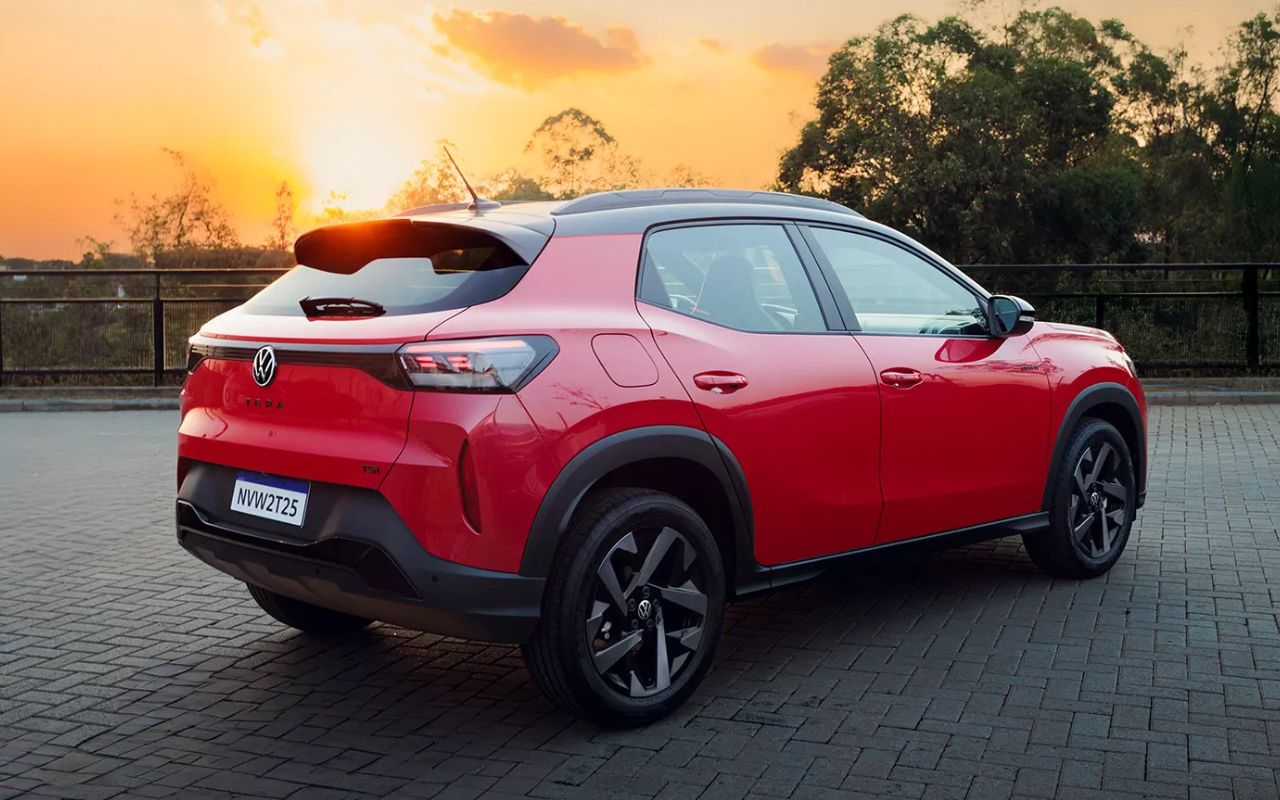
It surpassed the T-Cross, Creta, and Tracker: with nearly 8,000 units sold, the Volkswagen Tera was the best-selling SUV in March 2026.
Additionally, carbon is one of the components of lignin, which is the raw material for an extremely necessary component of the batteries, the anode, which is the negative electrode of the device.
The positive is called the cathode, and through the flow of lithium or sodium ions, it generates the energy that powers electric cars.
In conventional batteries, the anodes used are generally made of graphite. However, the production of synthetic graphite is not sustainable at all.
For example, one of the steps in production is heating carbon for weeks to over 3,000 °C. The energy required for this heating is usually produced in coal-fired power plants, resulting in a chain of environmental damage.
Focusing on Sustainability While Keeping An Eye on Monetization
Stora Enso, seeing this opportunity, combined the search for a new source of income with clean energy production.
The company’s engineering professionals discovered that they could extract lignin from the residual pulp generated in the company’s factories, without the need for additional tree felling.
After processing, the lignin will be used to manufacture the carbon material for the battery anodes.
Manufacturing lignin-based anodes also requires heating, but at much lower temperatures.
Northvolt, a Swedish battery manufacturing company, has already shown interest in the project and has formed the partnership. The expected start of battery production is in 2025.
One of Stora Enso’s specialists states that due to the structure of the carbon extracted from the trees being irregular, it allows for greater mobility of ion entry and exit.
Due to this property, the new batteries for electric cars could be charged in up to 8 minutes. If this is indeed realized through the research surrounding the project, it will be a significant advancement in the refueling speed of electric cars.
Magda Titirici, a researcher at Imperial College London, confirms this possibility. Meanwhile, Wyatt Tenhaeff, a researcher at the University of Rochester, New York (USA), warns that the production of anodes.
The substitution of graphite with lignin will require many adaptations so that the new electric car batteries made from trees become commercially viable and provide an additional source of income.










Seja o primeiro a reagir!