





 Português
  Inglês
  Espanhol
  3 min de leitura
  0 comentários


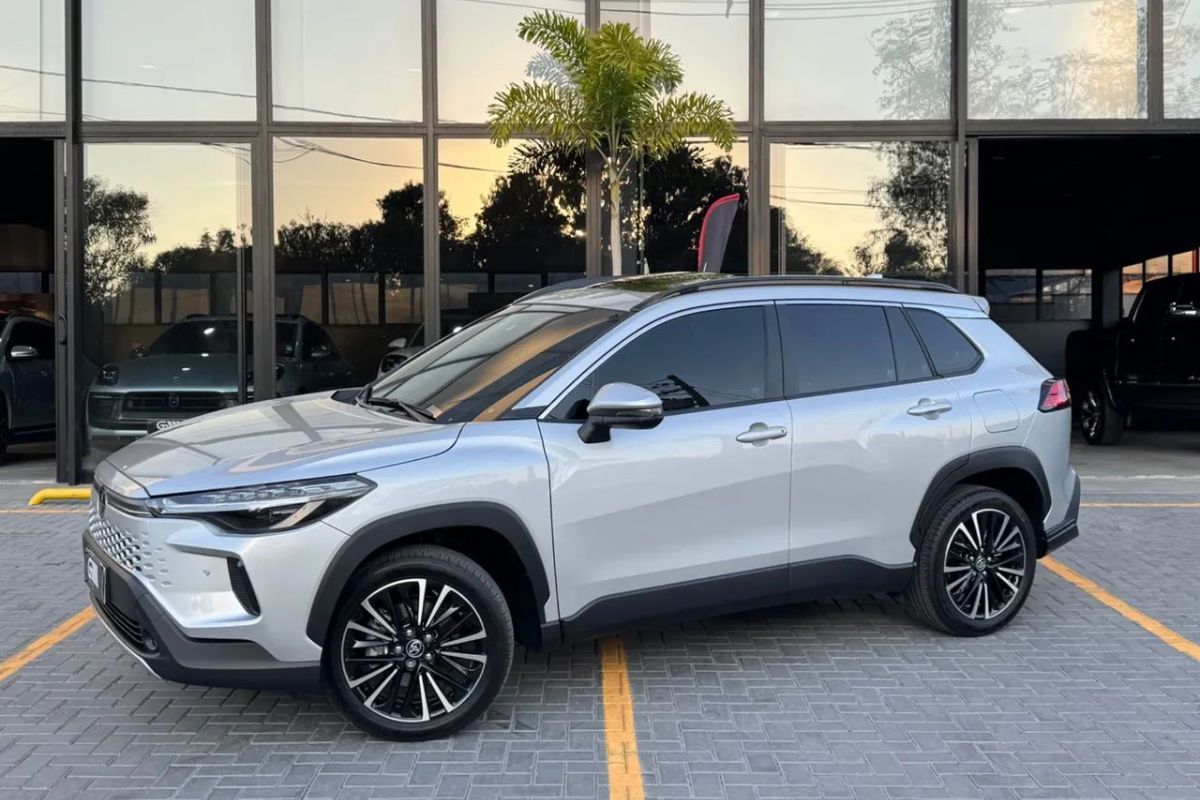
Hybrid Cars Get IPVA Exemption in SP with New Law of 2025. Only Flex, Hydrogen, or Ethanol Models Produced in São Paulo Will Have Access to the Tax Benefit Provided for in Law 18.065.
The new regulation sanctioned by the São Paulo government promises to change the automotive landscape in the state: from now on, hybrid cars get IPVA exemption, but with important restrictions. Law 18.065, approved in 2025, guarantees the benefit only for hybrid flex vehicles, hydrogen-powered, and powered by ethanol produced locally in São Paulo, excluding imported models and those manufactured in other states.
The measure seeks to encourage cleaner technologies and, at the same time, strengthen the São Paulo industry, but has generated different reactions among manufacturers and consumers. While some companies benefit directly, others face challenges in fitting their models into the rule.
Which Vehicles Will Really Have the Exemption?
Despite the positive impact of the announcement, not all hybrid cars are covered. The law sets strict criteria, which limit the reach of the measure:
-
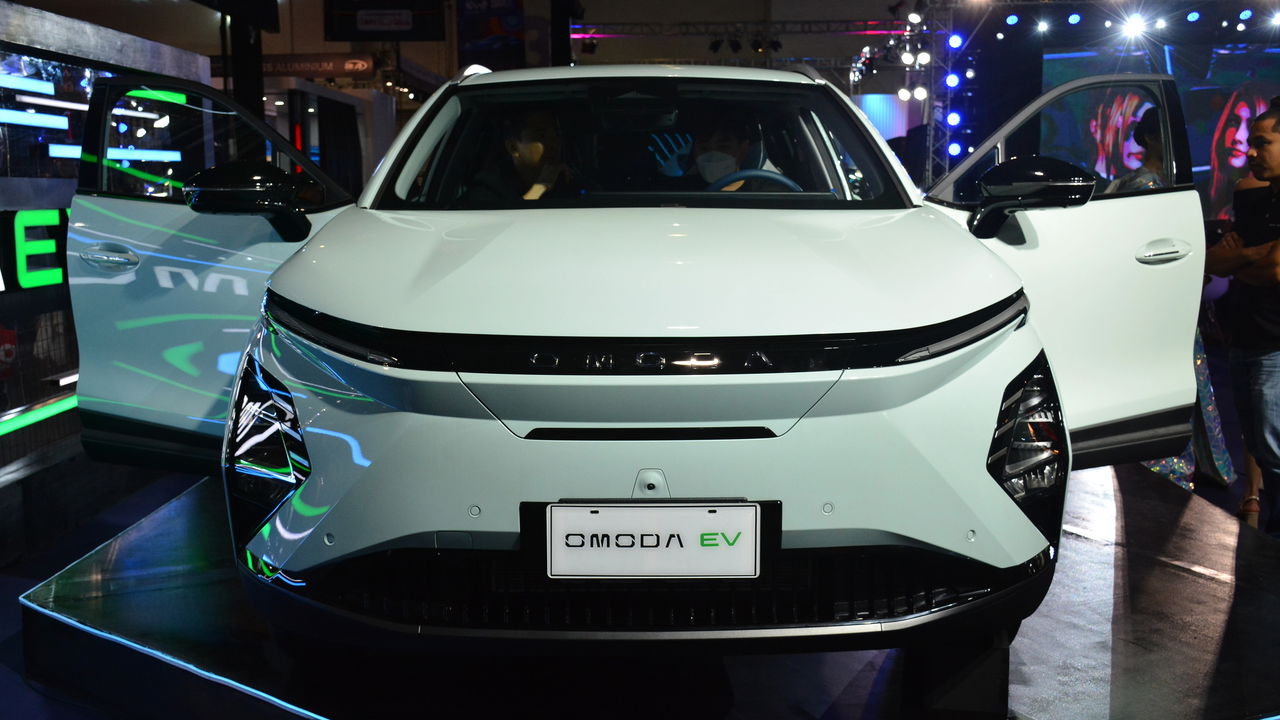
While the industry rushes towards automation, Omoda & Jaecoo bets on technology with a human touch and reveals its global mobility plan for 2026.
-
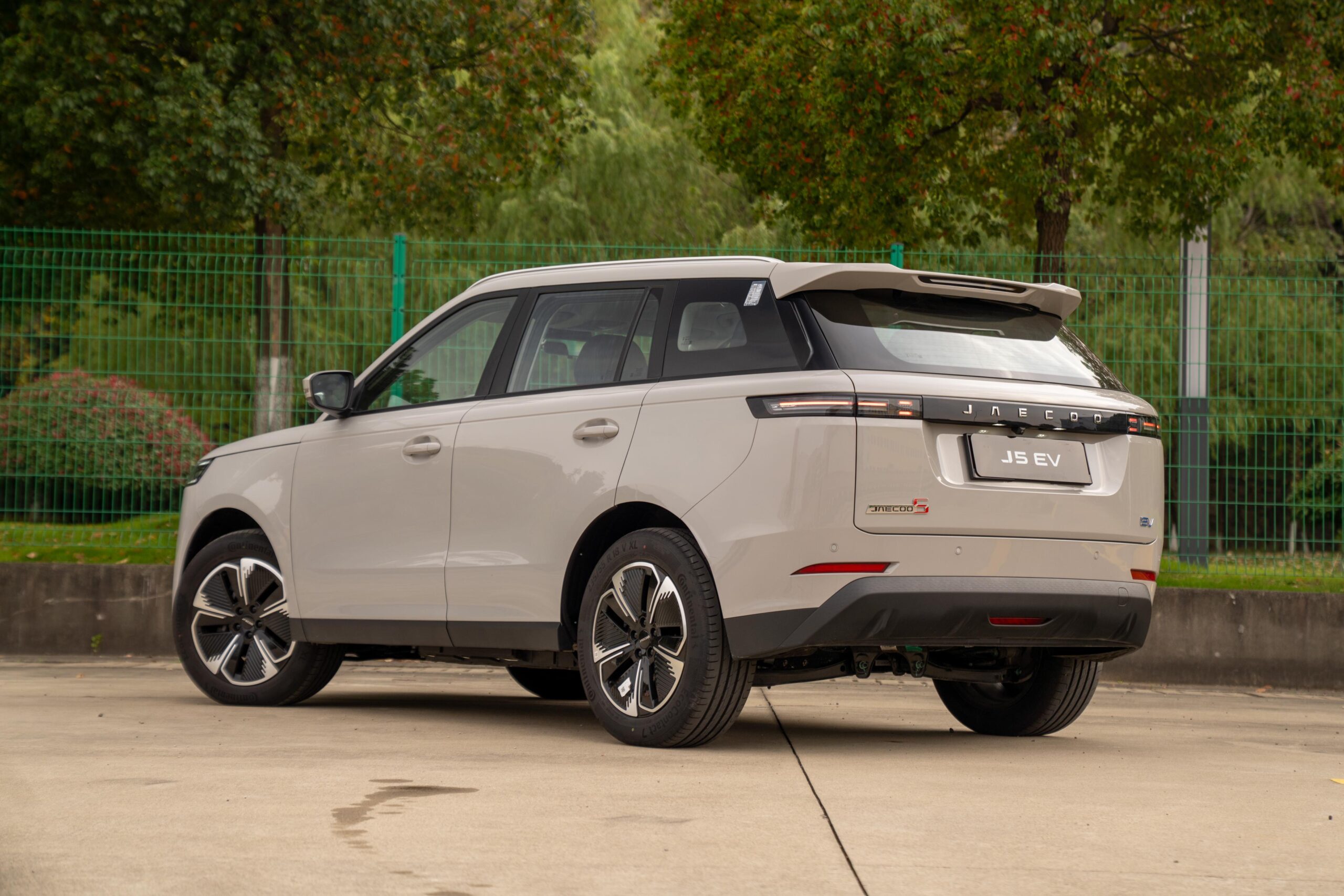
In just 1 year, JAECOO surpasses 7,000 units of the J5 EV delivered in Indonesia and consolidates trust in the Asian market.
-
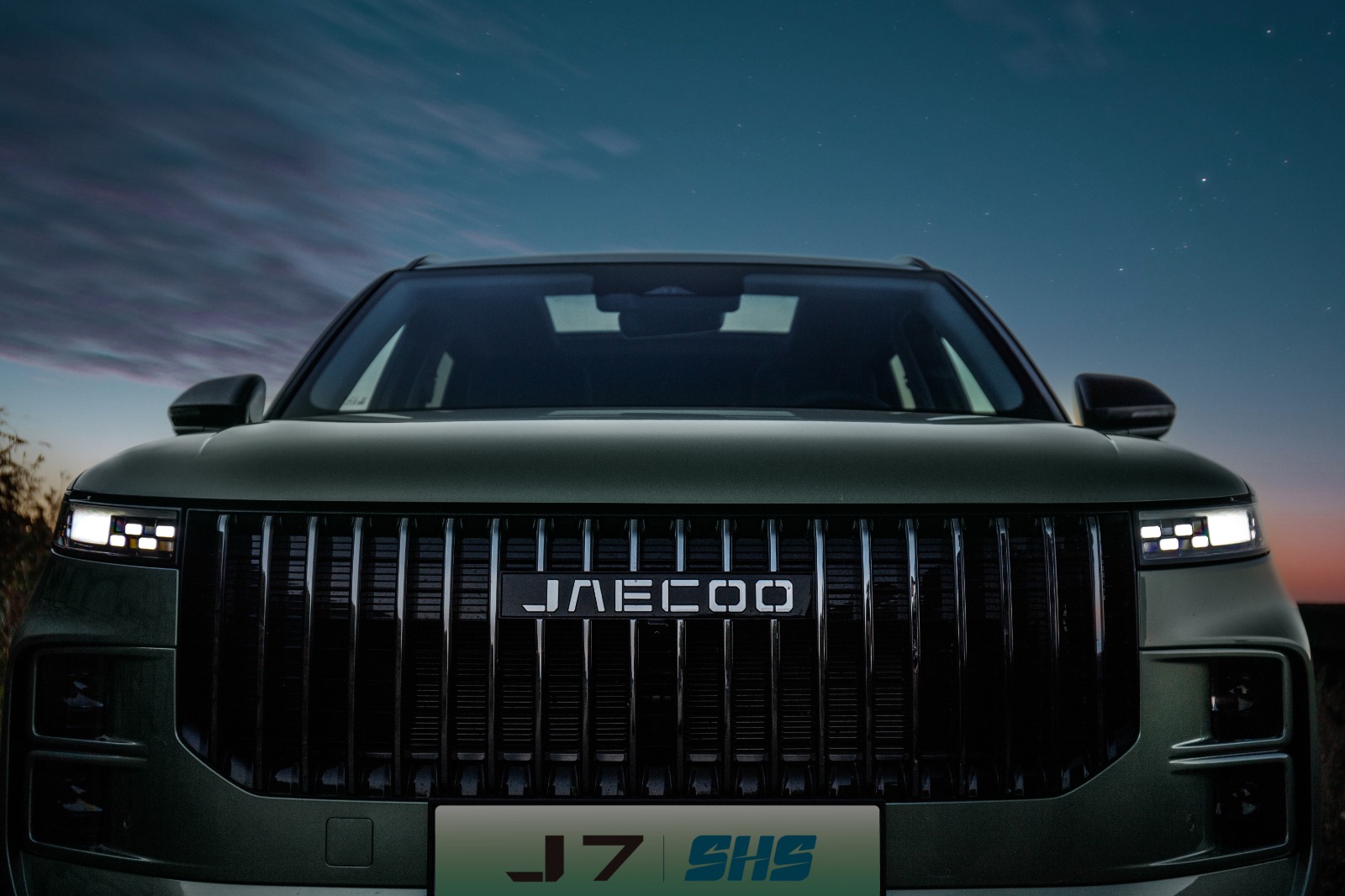
With awards in various countries, the Jaecoo 7 is establishing itself globally and accelerating the expansion of Omoda & Jaecoo in the hybrid SUV market.
-
5 cheapest used cars than a Honda CG 160 Titan 0 km, with options starting at R$ 13,000 for those who want to trade their motorcycle for a car and escape the rain, sun, and risks of riding.


- Flex Hybrids: models that combine electric and combustion engines, using gasoline and ethanol.
- Hydrogen Vehicles: as long as they are assembled in the state.
- Ethanol Cars: those produced in São Paulo are also included.
- Geographical Restriction: only vehicles assembled in São Paulo territory will be entitled to the benefit.
- Exclusion of Imported Vehicles: hybrids brought in from outside Brazil or manufactured in other states are left out.
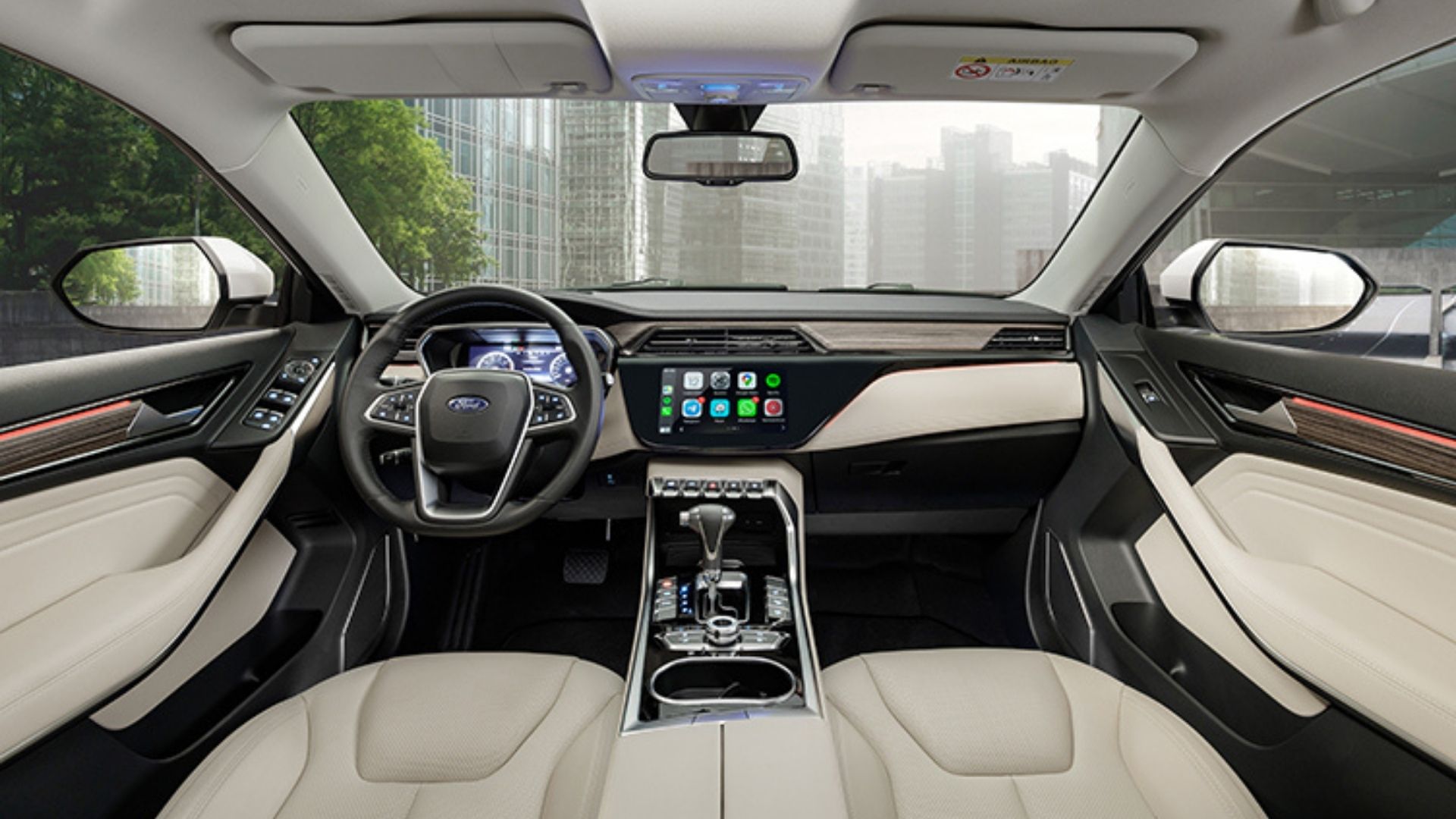
This means that brands like Toyota, which produces the hybrid flex Corolla in Sorocaba (SP), are among the main beneficiaries.
Why Is the Focus on São Paulo Factories?
According to the state government, the strategy is to strengthen local production and generate jobs. The tax incentive aims to attract investments to São Paulo, reinforcing the automotive chain that already hosts major manufacturers like General Motors, Volkswagen, and Toyota.
Besides the positive environmental impact, the measure aims to balance competitiveness between manufacturers invested in national production and those prioritizing imports.
How Did Manufacturers React to the New Law?
Some companies saw the news as an opportunity, while others expressed concern. BYD, for example, announced special conditions to exempt the IPVA from its plug-in hybrids only for purchases made in January 2025, as a way to attract customers since its production does not occur in São Paulo.
In contrast, Fiat and other manufacturers that do not have factories in the state are at an immediate disadvantage, needing to rethink commercial strategies to compete with the benefits granted to local rivals.
Impact on the Market and for Consumers
For those looking to buy a hybrid car, the message is clear: checking the vehicle’s origin has become essential. Only those manufactured in São Paulo will receive the IPVA exemption, which could represent significant savings over the years.
On the other hand, the rule creates a new challenge for consumers and resellers, as the benefit is not universal and may generate distortions between prices and purchase conditions of similar models.
The new law marks an important step in the pursuit of sustainability and incentive for the local industry, but it also raises discussions about market inequality and limited access to the benefit.
And you, what do you think of this measure? The IPVA exemption only for hybrid cars produced in São Paulo is a fair incentive or should it apply to all sustainable models? Leave your opinion in the comments.







-

-

-

-

-

-

60 pessoas reagiram a isso.