Portuguese
  Spanish


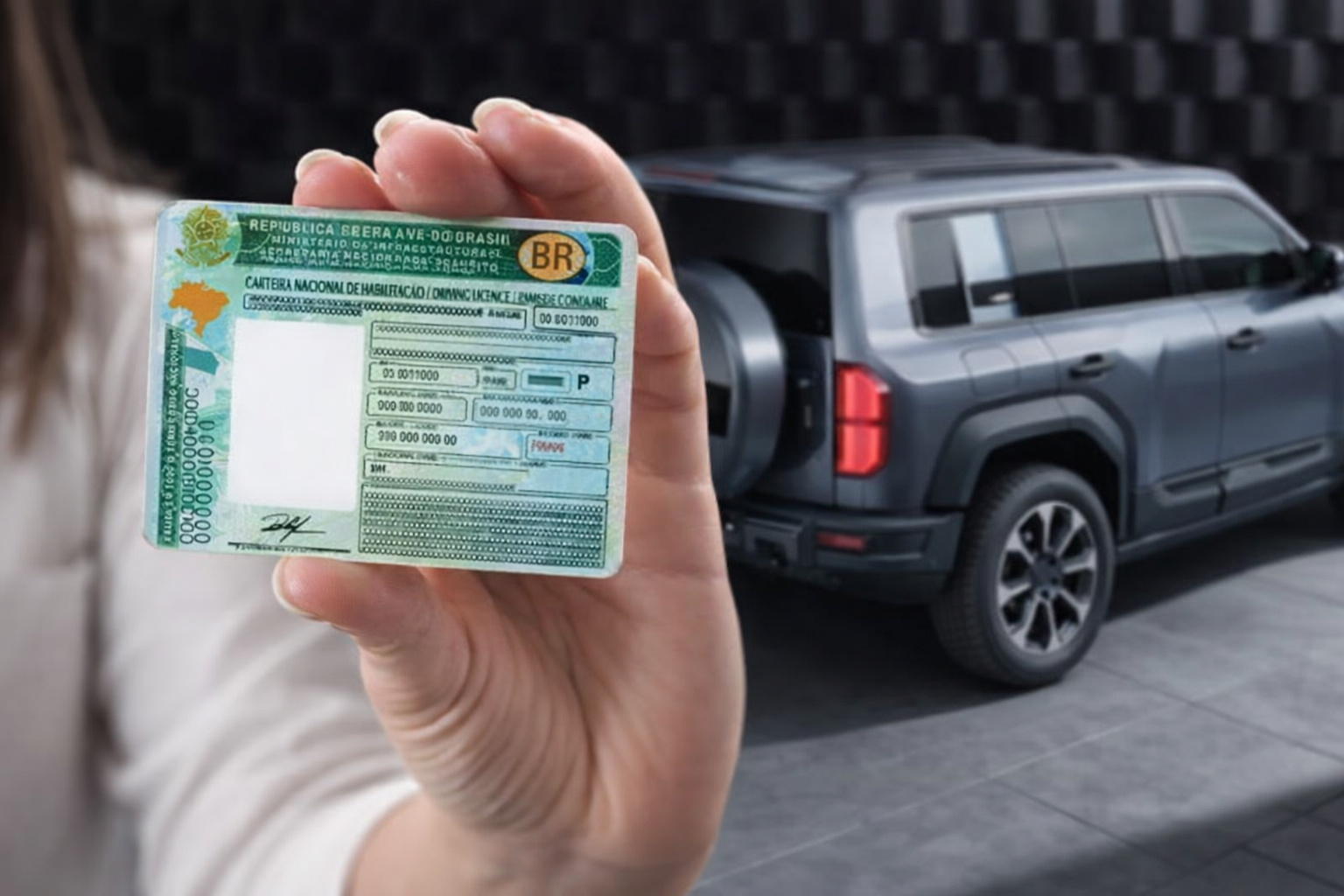

Approved proposal in committee expands weight limit for electrified vehicles and goes to new stages in the National Congress
A significant change in the rules for driver licensing in Brazil has progressed in the National Congress and may directly impact the use of electric and hybrid vehicles in the country. The Transportation and Traffic Commission of the Chamber of Deputies approved, in 2026, Bill 305/25, which authorizes drivers with a category B driver’s license to operate vehicles weighing up to 4,250 kg.
Currently, according to the Brazilian Traffic Code, these drivers can operate vehicles weighing up to 3,500 kg, which limits the use of heavier models. With the new proposal, therefore, this limit is expanded to match the technical characteristics of electrified vehicles, which tend to have greater structural weight.

Expansion of the limit includes electric and hybrid vehicles
The project was presented by Deputy Pedro Aihara (PRD-MG), focusing on adapting legislation to new automotive technologies. Additionally, the text received amendments from rapporteur Hugo Leal (PSD-RJ), which adjusted the wording and expanded the scope of the proposal.
-
Classic Volkswagen Beetles of Brazilian Presidents to Swap Museums in Historic Partnership

-
British Factory Transitions from Mechanical Parts to Producing 420,000 Electric Power Units Annually, Supplying 70% of Ford’s Electric Cars Sold in Europe
-
Toyota Shifts from Hybrid Cars to Electric Air Taxis with Joby’s 6-Rotor Aircraft, Capable of 322 km/h, Aiming for Mass Production to Electrify Urban Skies

-
Ferrari Unveils Limited Edition 12Cilindri Manuale: 6.5-Liter V12, 830 HP, 0-100 km/h in 2.9 Seconds, Top Speed Over 340 km/h, Only 1,499 Units Available


Thus, in addition to fully electric vehicles, hybrid models with predominantly electric traction are now included. According to Hugo Leal, the justification for the project indicates that electric and hybrid vehicles are expected to surpass combustion models by 2030, reinforcing the need for equivalent treatment between technologies.
Weight of batteries motivated the change in legislation
The main technical factor considered in the proposal is related to the additional weight of batteries. According to the author of the project, Pedro Aihara, electric vehicles are generally heavier than combustion models, precisely because of these components.
In light of this, the current limitation of 3,500 kg may restrict the use of these vehicles by drivers with a category B driver’s license. The expansion to 4,250 kg, therefore, seeks to balance this difference without requiring a change in the license category, maintaining coherence with the evolution of the automotive sector.
Regulation may define complementary criteria
The approved text also provides that other criteria may be defined later by regulation. In this case, it will be up to the National Traffic Council to establish additional parameters, as per technical necessity.
Still, the categories of the National Driver’s License continue to be determined based on criteria such as vehicle type, total weight, and number of passengers. Thus, the overall structure of the CNH remains unchanged, while only the allowed limit within category B is adjusted.
Project still needs to go through new stages in Congress
Despite the progress in the Transportation and Traffic Commission, the proposal is not yet in effect. The text will be analyzed, conclusively, by the Constitution and Justice and Citizenship Commission.
Subsequently, for the measure to become law, the project will need to be approved by the Chamber of Deputies and the Federal Senate. Only after these stages can the proposal be sanctioned and come into effect in the country.
In light of this scenario, the update of traffic rules gradually follows the evolution of electrified vehicles, which are gaining ground in the Brazilian market — but is legislation advancing at the same pace as technology?