





 Portuguese
  English
  Spanish
  3 min of reading
  0 comments



Discover How Car Design Impacts Automotive Aesthetics and Influences Consumer Preference, Creating Affinities and Implications.
What makes a person fall in love with one car and reject another? Often, the answer lies in the design.
When analyzing cars like the Beetle, Mustang, Fiat 500, and Jeep Renegade, it becomes clear that aesthetics go far beyond function. The design of a car can evoke memories, create identification, and even define the driver’s image.
More than just a means of transportation, the car also expresses style and personality. That’s why brands invest in striking shapes to turn each car into an object of desire—or, in some cases, immediate rejection.
-
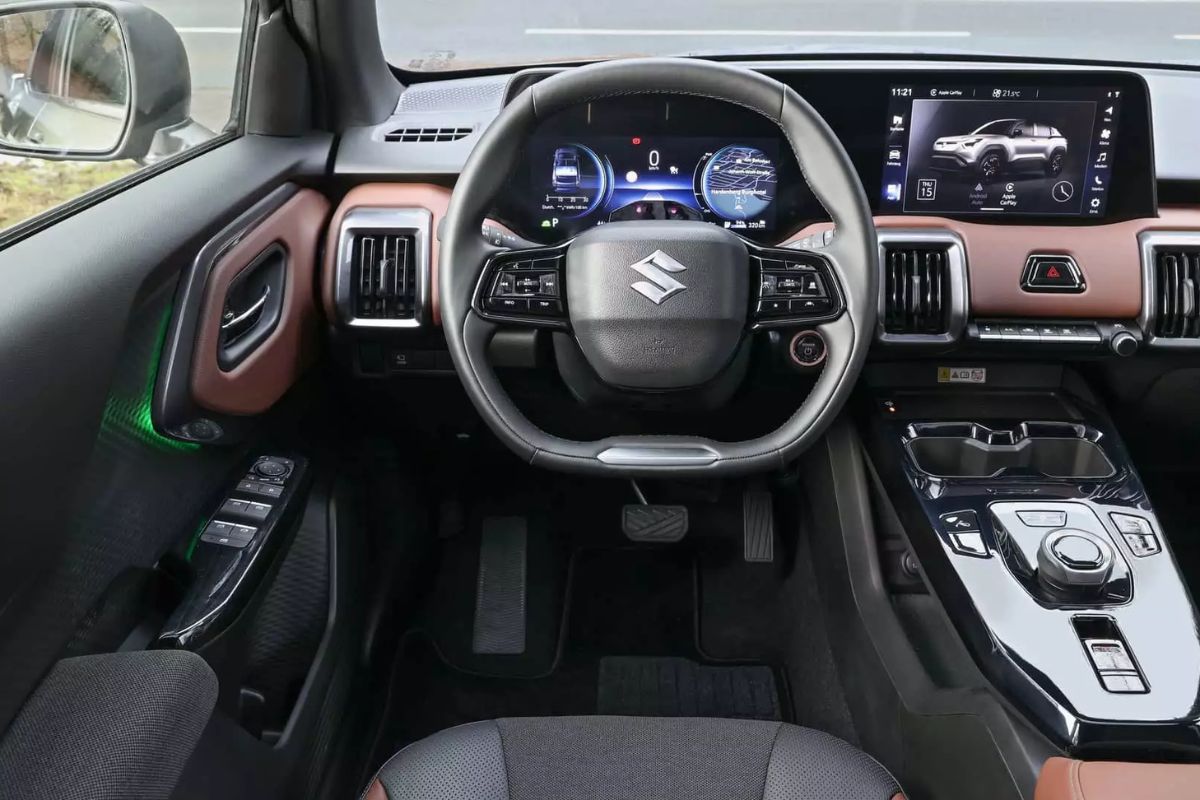
The 2026 electric Vitara arrives in Brazil and proves that Suzuki is not leaving: 4×4 traction, 184 hp, 61 kWh LFP battery, 293 km range, R$ 259,000, and a trunk capacity of 224 L.
-
Hyundai has unveiled the Boulder, a square SUV with a body-on-frame design, 37-inch mud tires, and carriage-style doors that seems to be made to take on the Ford Bronco and the Scout Traveller in the United States.

-
The Toyota Hilux is R$ 75.5 thousand cheaper and bets on the 2.8 turbodiesel engine with up to 204 hp and 50.9 kgfm to catch up with the VW Saveiro, which leads with 4,472 sales.

-
The new Renault Koleos has a screen exclusively for the passenger that is invisible to the driver, heated rear seats, and 29 assistance systems, but its Chinese competitors cost R$ 40,000 less and deliver more power.


The Impact of Design on Cars
When we think of cars, performance usually comes to mind, but design plays an equally decisive role. For many drivers, lines, proportions, and finishes can be determining factors at the time of purchase.
Simple elements, like the outline of a fender or the plastic finish on an SUV, can create affinity or immediate rejection. This kind of reaction shows that automotive aesthetics go far beyond function: it builds identity, evokes emotions, and directly influences the purchasing decision.
Jeep and the Straight Lines That Divide Opinions
Models like Renegade, Compass, and Commander maintain straight lines in the upper contour of the fenders, inspired by the classic “General Purpose,” a vehicle from World War II that gave rise to the brand.
Despite the historical heritage, the choice of design causes controversy. Many critics argue that the wheel arch should be circular since tires and wheels are also round. When this doesn’t happen, the detail can disrupt the harmony of the whole and create a negative visual impact.
Economy Versus Automotive Aesthetics
Another point of contention is the side doors of models like Logan, Sandero, and Duster. In them, the absence of a top bar separating the windows from the roof creates strangeness.
The reason, according to the columnist, is economic: the part was eliminated to reduce manufacturing costs. However, this solution creates an aesthetic impact. The result, for those who value design, is negative, even if it meets the proposal of affordable cars.
The Subtle Charm of BMW
If there are criticisms, there are also praises. Pincigher highlights BMW as an example of sophistication in design. Interestingly, the appeal is not in the famous “double kidney” grille, but in the prominent distance between the front wheel arch and the start of the door.
This proportion, common in rear-wheel-drive cars, suggests engines positioned in a “front-central” configuration and conveys refinement. The columnist notes that this choice is not exclusive to BMW; Mercedes, Porsche, and Jaguar also explore the feature, but the Bavarian brand executes it with mastery.
The Impact of SUVs on Automotive Aesthetics
Despite appreciation for some models, Pincigher criticizes the aesthetic standardization of SUVs. For him, the use of fenders with plastic coverings, justified as “adventurous” accessories, actually serves more to cheapen production.
This option, while functional, compromises aesthetics. As he explains: “It’s cheaper to frame the wheel arch with plastic than to invest in the stamping tool for the fender, making the folded steel finish inward.”
The Importance of the C-Pillar in Cars
Another detail of strong visual impact is the C-pillar — the part that supports the rear of the bodywork. Pincigher praises the Volkswagen Golf for maintaining this piece wide and clean, reinforcing the car’s robustness.
In contrast, models like Compass, Kicks, and Corolla Cross, with cut columns, convey a sense of aesthetic improvisation. Meanwhile, Tiguan, Tracker, and BMW X1 maintain elegance, with cohesive lines that enhance the bodywork.
Automotive Aesthetics and Consumer Preference
In the end, these examples show that consumer preference goes far beyond power or technology. In fact, car design evokes emotions, activates memories, and even generates rejections.
For example, a harmonious proportion can cause immediate affinity. On the other hand, plastic details can provoke displeasure. In both cases, the impact is direct on the purchasing decision.
Moreover, in an increasingly competitive market, automotive aesthetics stands out as a strategic differential. That’s why brands invest more and more in forms that enchant at first sight or repel with a simple glance.










Seja o primeiro a reagir!