





 Portuguese
  English
  Spanish
  3 min of reading
  0 comments


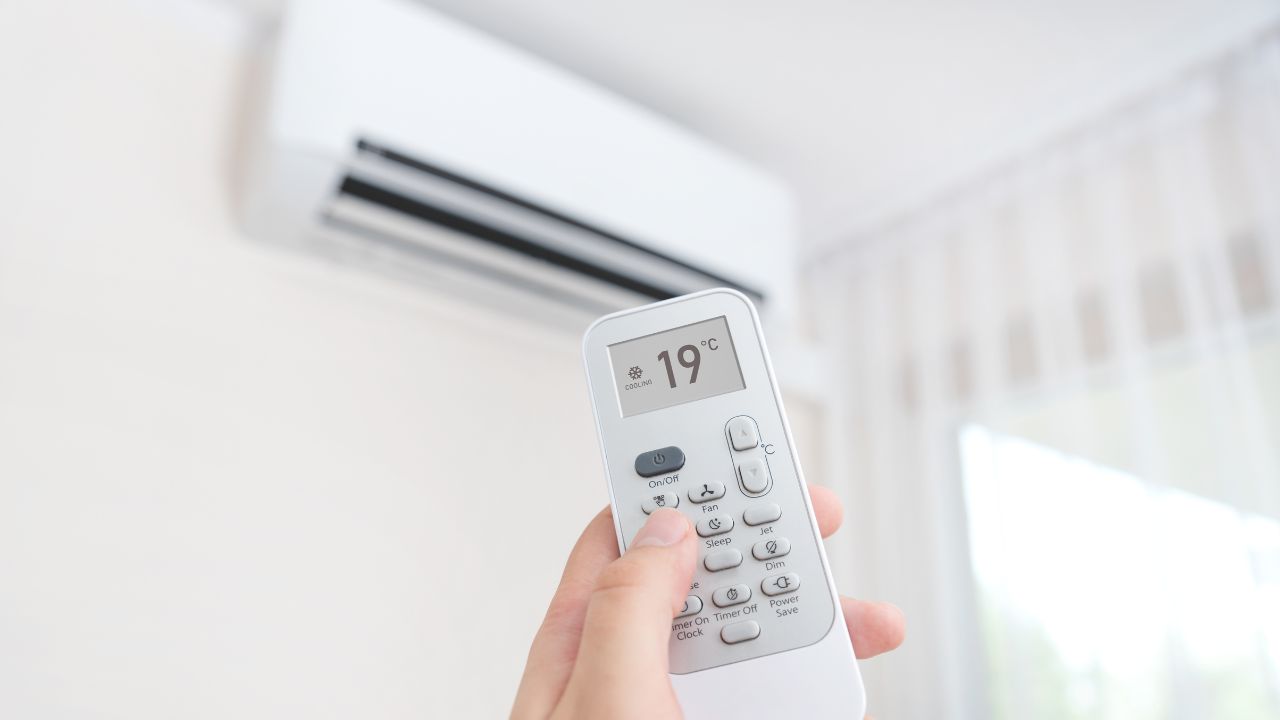
Experts Show How to Keep Your Home Cooler Without Air Conditioning or a Fan, Using Simple, Accessible, and Effective Solutions in Daily Life.
With temperatures rising increasingly, ensuring a cooler home has become a priority for many families. Without resorting to air conditioning or fans, thermal comfort specialists point out that small changes in daily habits are enough to reduce heat inside the house.
The strategies involve controlling sunlight, air circulation, material choices, and even adjustments in household habits.
The recommendations are based on studies about natural ventilation and the thermal behavior of environments. Below, see how to transform your home into a more pleasant space even on the hottest days.
-
Comet C/2025 R3 (PanSTARRS) is starting to shine brighter each night and may become visible to the naked eye in April; this rare phenomenon promises to transform the sky into one of the biggest astronomical spectacles of the year.

-
After a devastating fire that left 3 injured and 200 intoxicated by smoke in the Red Sea, the most expensive warship ever built — $13.3 billion — returns to the front in Iran after quick repairs in Croatia.

-
In the Saudi Arabian desert, the world’s largest green hydrogen plant is 80% complete and will use 4 gigawatts of solar and wind energy to produce 600 tons of clean fuel per day when it opens in 2027.

-
Sixteen years after the largest environmental disaster in oil history, BP has just received approval to open its first new field in the Gulf of Mexico, and the 10 billion barrels are 10 kilometers below sea level.

Cooler Home Without Using Air Conditioning or a Fan
Blocking the Sun Is the First Step for a Cooler Home
A large part of the internal heat comes from direct solar radiation. When sunlight enters through windows, walls and floors absorb heat and release it throughout the day.
Therefore, specialists recommend using curtains, blinds, or light fabrics on windows.
Additionally, keeping windows closed during the hottest parts of the day helps maintain a cooler home for a longer time.
Opening Windows at the Right Time Makes All the Difference
Contrary to what many think, leaving everything open all day can worsen the heat. The secret lies in the timing.
According to specialists, opening windows and doors early in the morning and at night allows the escape of accumulated hot air. This natural ventilation helps keep the cooler home, even without electrical devices.
Lighting Also Affects the Temperature of the Home
Old bulbs, like incandescent ones, function almost like small heaters. They constantly release heat.
Switching to LED bulbs reduces this effect and contributes to a cooler home.
Moreover, energy consumption is lower, which leads to savings at the end of the month.
Plants Help Cool the Environment Naturally
Plants act as natural temperature regulators. They release humidity into the air, improving the thermal sensation of environments.
Species like pothos, fern, and snake plant are recommended for indoor areas. Meanwhile, plants near windows help reduce external heat, keeping the cooler home.
Light Fabrics Make Environments Less Stuffy
Heavy materials accumulate heat throughout the day. This applies to curtains, sofas, and bed linens. Specialists recommend opting for light fabrics, like cotton and linen.
This simple swap improves air circulation and contributes to a cooler home, especially at night.
Reducing the Use of Appliances Lowers Internal Heat
Ovens, irons, and even computers release heat during use. When used during the hottest hours, they raise the temperature of the environment.
Whenever possible, it is ideal to concentrate these activities at night or in the morning. This makes it easier to keep the cooler home throughout the day.
Thermal Comfort Comes from the Sum of Small Choices
Experts emphasize that none of these measures work alone. The result comes when various strategies are applied together.
With simple changes and without significant expenses, it is possible to achieve a cooler home, reduce the discomfort of heat, and still save energy.
In a scenario of extreme temperatures, adapting household routines has become a necessity rather than an option.
With information from Portal6.








-

-

-

-

4 pessoas reagiram a isso.