





 Portuguese
  English
  Spanish
  4 min of reading
  0 comments


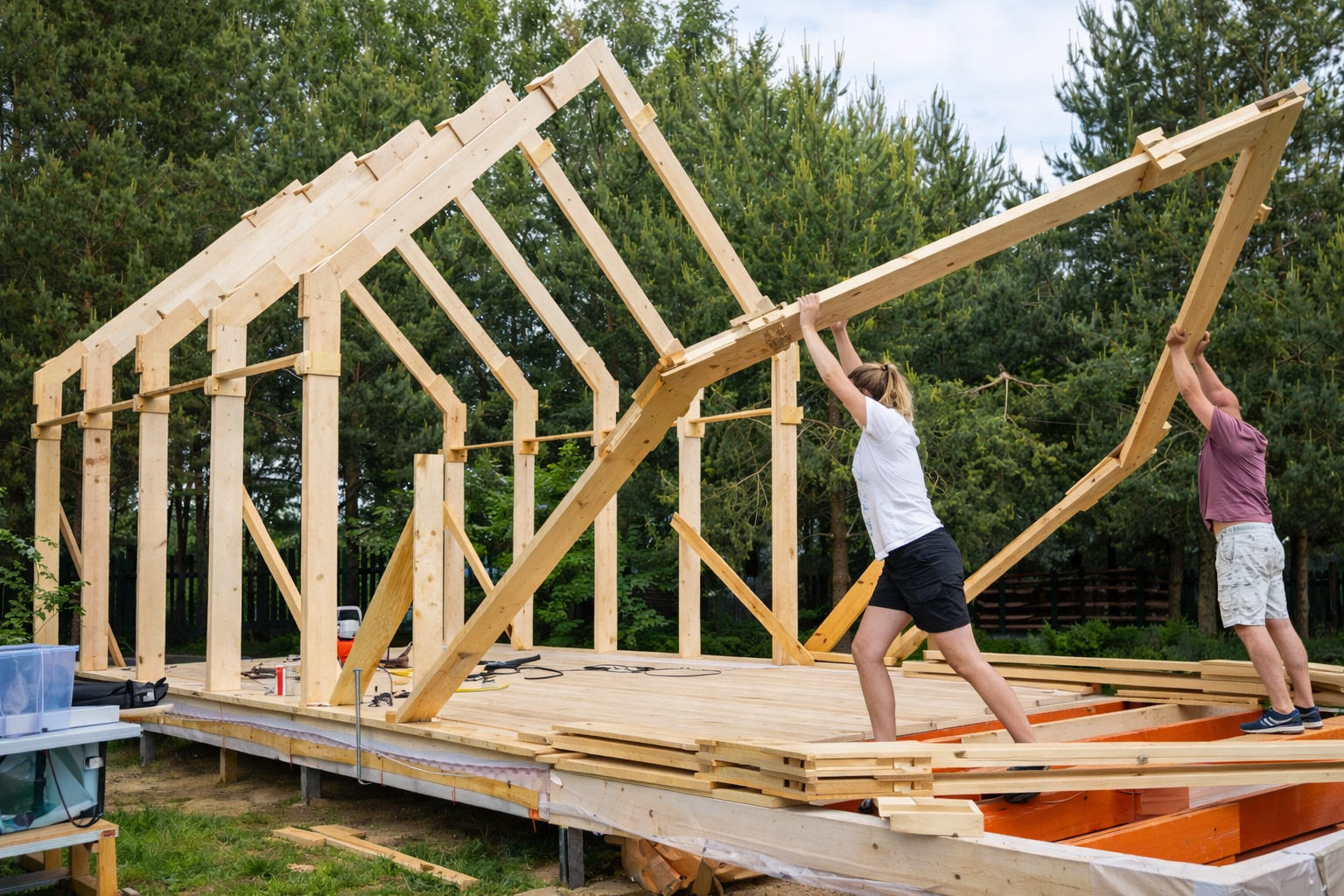
Only With Wood, Screws, and Strict Organization, A Couple Without Machinery Builds A Complete House and Reveals The Behind The Scenes Of Manual Engineering Applied In Practice
Everything starts with concrete blocks scattered on the ground. There is no crane. There is no concrete mixer. Just a couple without machinery, wood stacked beside them, and simple tools resting on the still non-existent floor. What stands out is not just the construction. It’s the contrast.
In a sector accustomed to the noise of machines and giant metal structures, two workers assemble an entire house based on manual alignment and the precise tightening of screws.
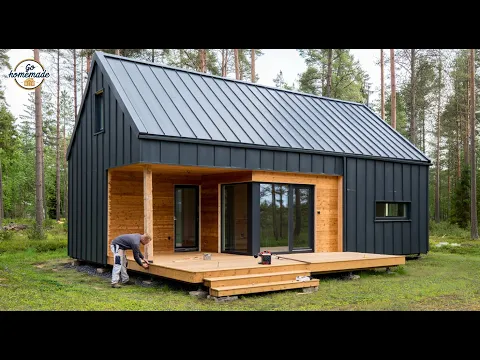

And the most curious thing is that nothing there seems improvised. Each step follows a clear structural logic, as if it were a compact construction site of engineering applied on a small scale.
-
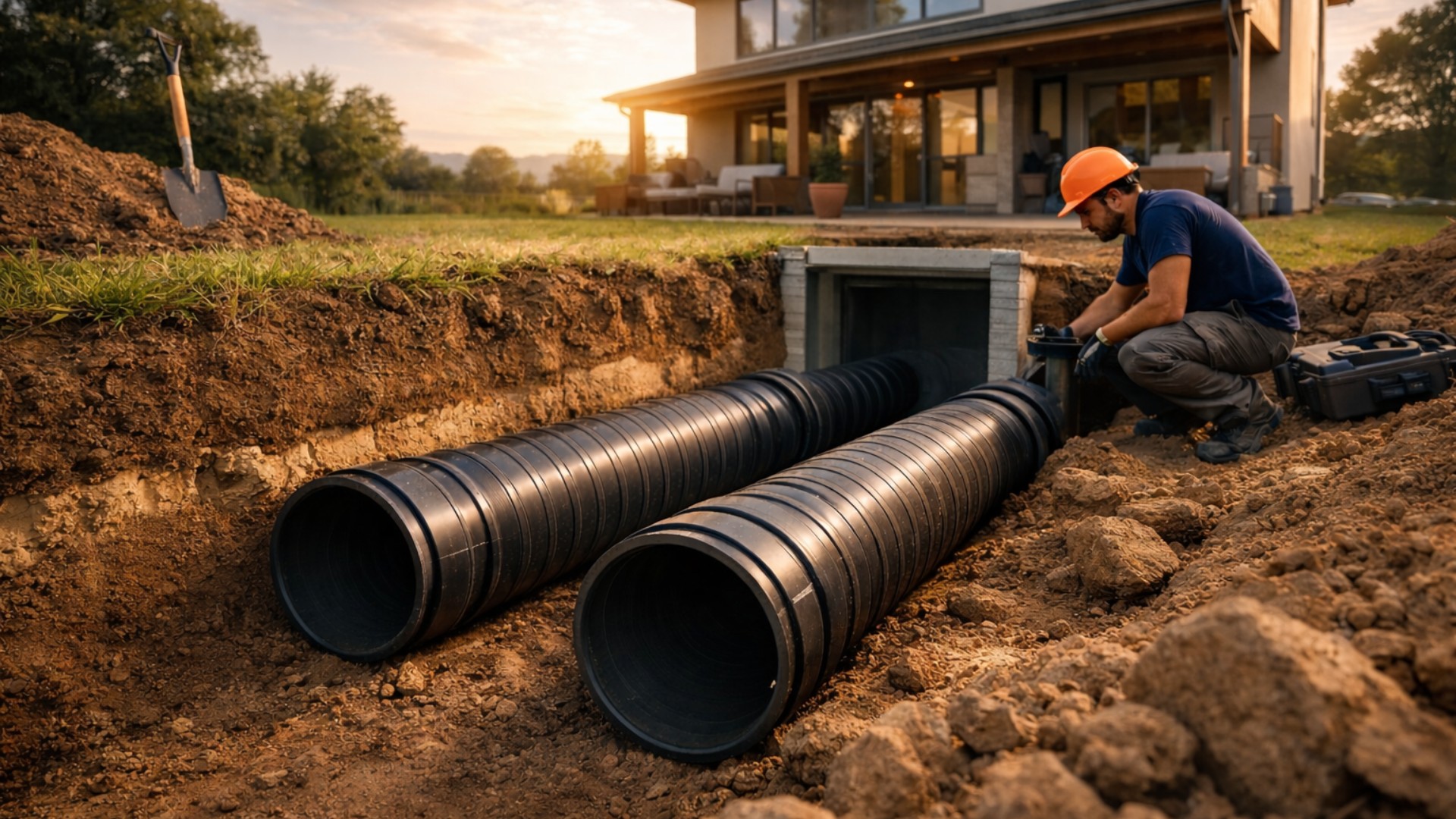
Architects are burying plastic pipes 2 meters deep and using ducts up to 30 meters long to cool homes without electricity, with low-consumption fans and natural heat exchange that drastically cuts the electricity bill.
-
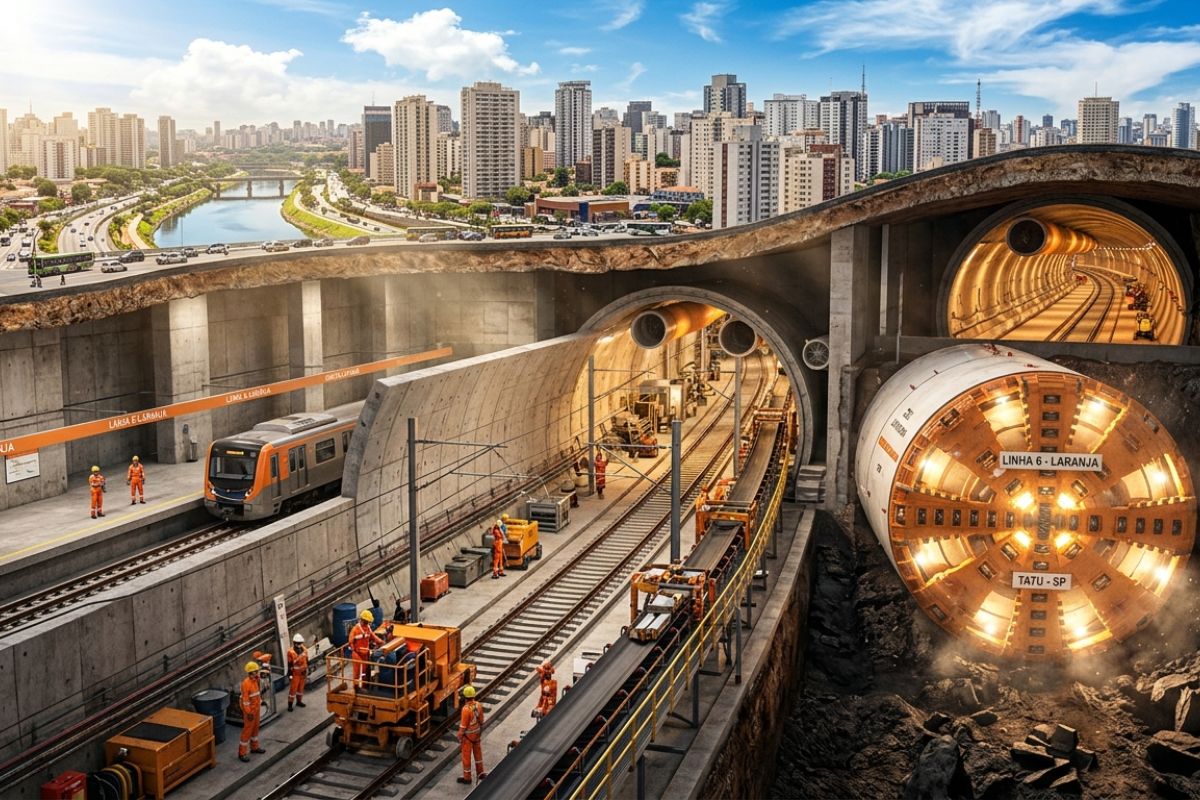
Under São Paulo, Line 6-Orange reaches 15.3 km and 15 stations, promising 23 minutes from Brasilândia to the Center and 633,000 passengers per day; with autonomous trains, it will open a partial section in October 2026.
-
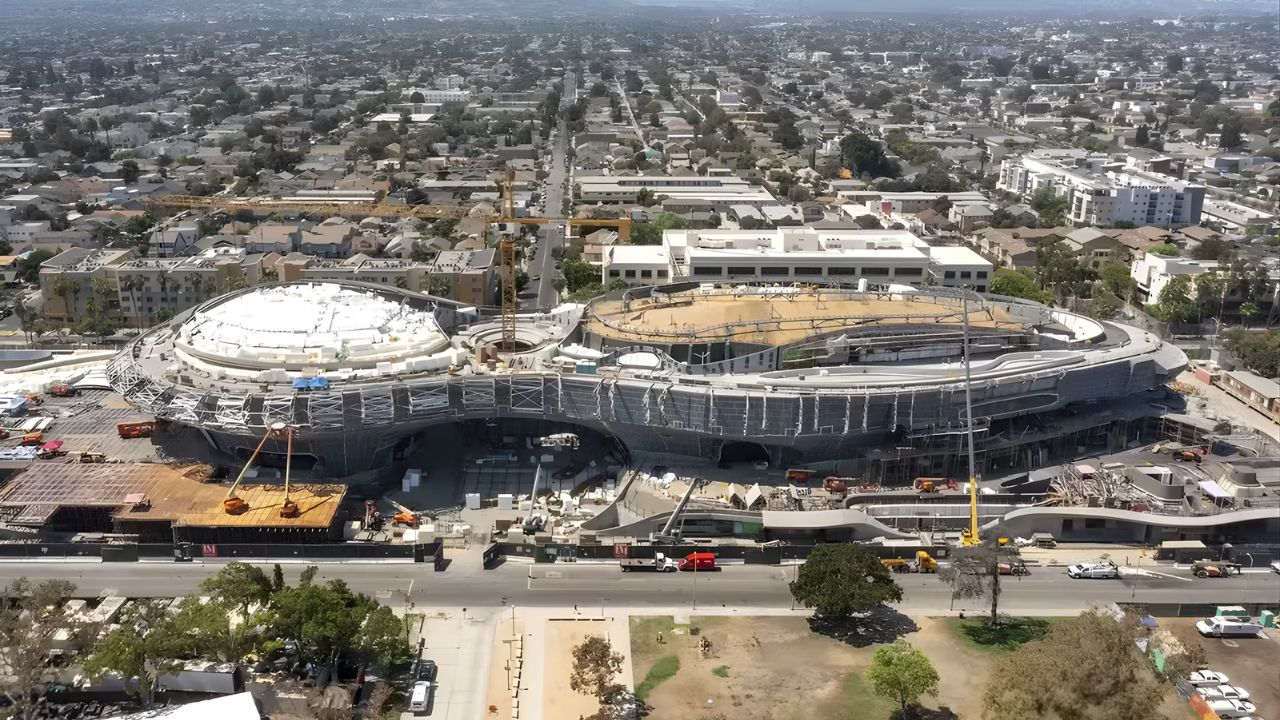
Created by George Lucas with over $1 billion, a futuristic museum in the shape of a spaceship with 1,500 curved panels is about to open in Los Angeles and will house one of the largest private collections of narrative art in the world.
-
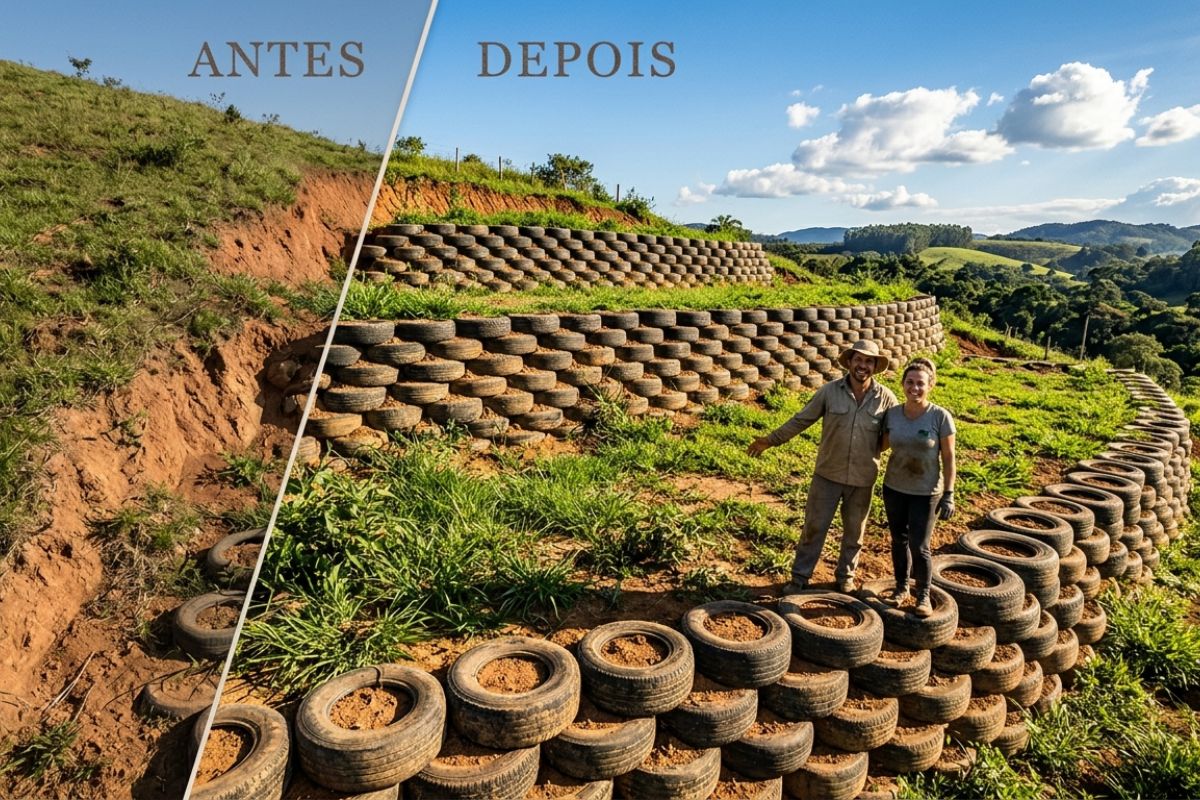
Couple shows how they built a retaining wall on their property using 400 old tires: sloped land turned into plateaus, tires are aligned, filled, and compacted with layers of soil, with grass helping in support and at almost zero cost.

Concrete Blocks And Wooden Beams Supporting The Load Define The Starting Point
The first decision changes the course of the project. The couple places concrete blocks directly on the ground and creates an elevated base. On these supports, wooden beams form the rectangle that delineates the house.
Each beam is manually adjusted before being secured with long screws and metal connection plates. The fit must be correct, because any misalignment compromises the rest of the structure.
Once the base is ready, an important change is already noticeable. The load no longer relies on the irregular ground and begins to be distributed across the beams supported by the blocks. The construction gains real stability.
The Moment When The House Starts To Rise: Columns, Crossbeams, And The Rigidity Created Without Machinery
With the perimeter defined, the couple begins to raise the vertical wooden columns. They fix each piece to the lower beams and connect everything with horizontal crossbeams.
The structural frames emerge before our eyes. Spaces for doors and windows are defined in this phase. Each screw tightens wood against wood, creating direct binding.
This is where the detail that supports everything appears. The repetition of the pattern of columns and crossbeams creates enough rigidity to support the weight of the next steps. There is no hidden reinforcement. Just correct fitting and load distribution.

Couple Transforms Floor Of Planks Into Open Structure With A Firm Work Base
With the skeleton assembled, the wooden planks enter to close the floor. They are positioned side by side on the beams and secured with visible screws.
The adjustment is careful. Each plank must fit perfectly against the previous one before the final tightening. Small gaps mean instability and rework.
Once the floor is complete, the scene changes. A flat and durable platform emerges. It is now possible to navigate, support tools, and prepare to close the walls.
Closed Walls And Defined Volume: Wooden Panels Change The Perception Of The Project
The wooden panels begin to be installed over the frames formed by columns and crossbeams. With each panel fixed, the house ceases to look like just an open structure.
The screws run along the edges and press the panel against the structure. Before the final tightening, the couple manually adjusts to maintain alignment.
The openings for doors and windows remain visible. The interior begins to take shape. The feeling is no longer of a project in progress, but of a livable space taking form.
The Decisive Framework: Sloped Beams, Lath And The Preparation Of The Metal Roof
At the top of the walls, sloped beams create two well-defined slopes. They start from the sides and meet at the highest point of the structure.

On top of these beams, the couple installs wooden laths positioned crosswise. Each lath is secured with screws, forming a base for the metal sheets.
The slope directs the water to the sides and also reinforces the general binding of the house. The roof begins to act as a structural element as well.
This is the kind of detail that usually goes unnoticed but supports the performance of the coverage.
Metal Sheets Seal The Structure And Consolidate The Protection
The metal sheets come into play in the final stage of the roofing. They are positioned from bottom to top, aligned side by side.
The screws penetrate the metal and secure into the wooden laths. The fixing pattern repeats throughout the waves, maintaining constant pressure against the structure.
Once the last sheet is installed, the house gains complete top protection. Doors and windows fit into the structural openings and are secured on the sides, eliminating gaps.

What started with blocks on the ground ends as a completely closed wooden house with a metal roof.
In the end, what impresses the most is not the size of the project. It’s the logic applied. Elevated base, well-aligned beams, correctly distributed columns, firm panels, and metal sheets accurately secured. Engineering executed by the couple without machines, but with method.
If you believe that construction depends exclusively on large equipment, this story deserves reflection. Share your opinion in the comments and pass it on to those who follow engineering and construction projects.









-

-

-

-

8 pessoas reagiram a isso.