





 Portuguese
  English
  Spanish
  5 min of reading
  6 comments


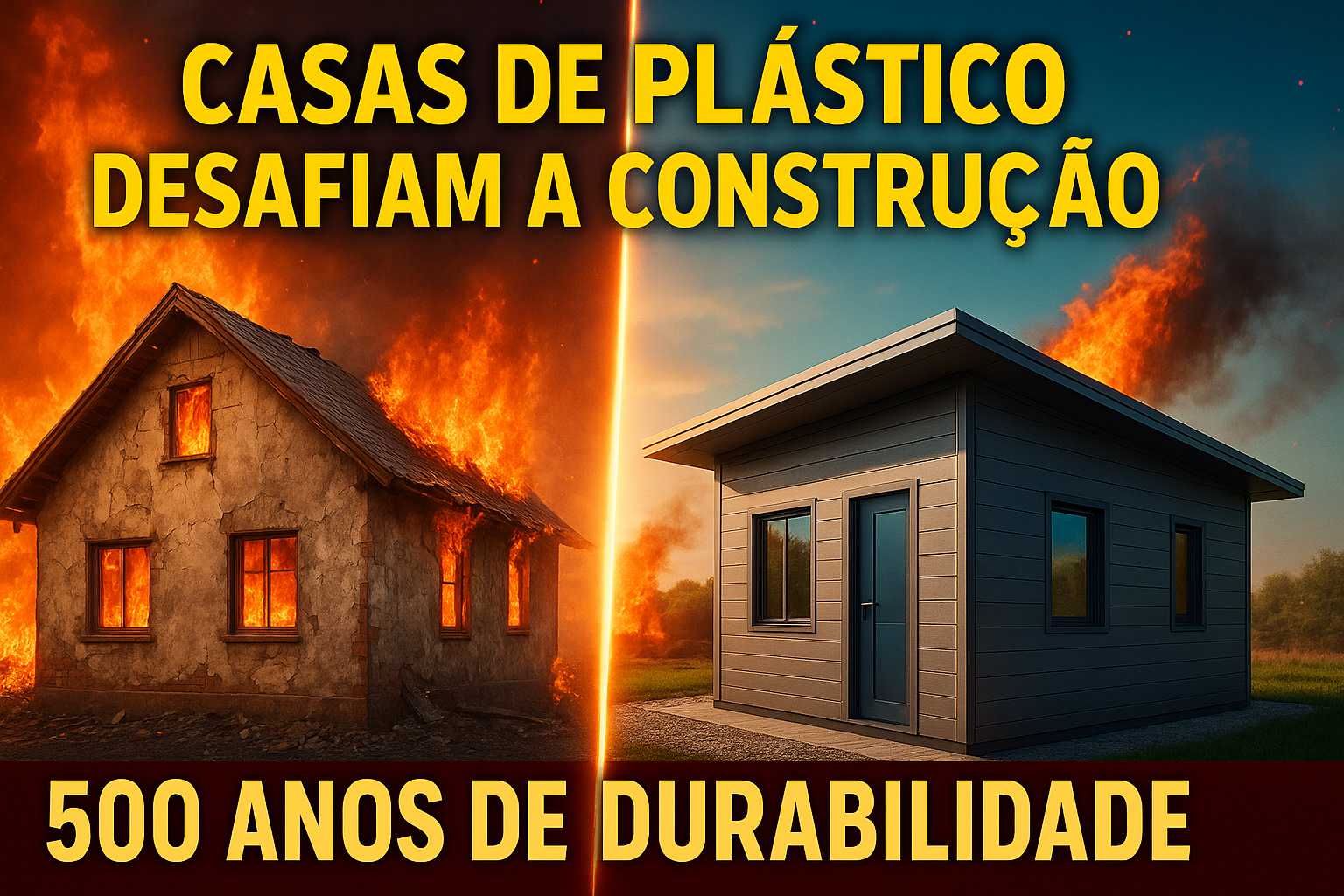


Colombian Company Creates Houses with 100% Recycled Plastic, Assembly in 4 Days, Cost Up to 40% Less, Earthquake-Resistant Structure and Reuse of 3 Thousand Tons of Waste.
The idea of turning waste into housing has shifted from concept to applied engineering in Colombia. Since 2011, a project initiated from academic research has begun to redesign the logic of civil construction by using 100% recycled plastic as structural raw material for houses, schools, and community buildings. The technology has evolved, scaled, and is now operated by the startup Conceptos Plásticos, led by architect Óscar Méndez and CEO Isabel Gámez, who are responsible for one of the world’s most advanced urban reuse initiatives.
According to a report published by UOL on September 6, 2025, the company has already repurposed more than 3 thousand tons of plastic waste, converting this material into building blocks that allow for the construction of complete homes in just four days, at a cost up to 40% lower than traditional masonry. The impact is environmental, social, economic, and industrial all at once.
How the 100% Recycled Plastic Bricks Used in Construction Work
The system developed by Conceptos Plásticos is based on modular blocks of recycled plastic with dimensions similar to those of conventional bricks. Each unit measures about 50 centimeters in length and weighs approximately 3.3 kilograms, produced from urban waste that would take decades or centuries to decompose in the environment.
-
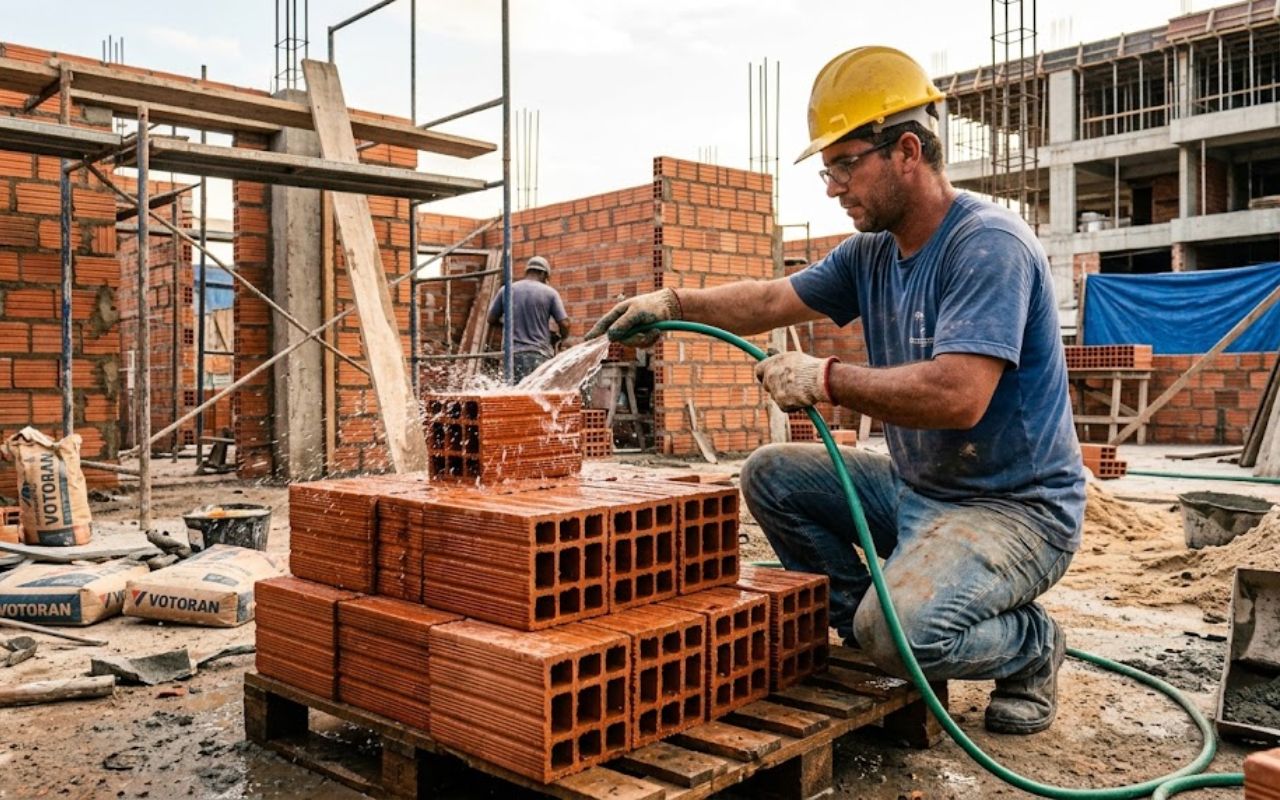
A simple technique of wetting the brick before laying it prevents cracks, improves the adhesion of the mortar, reduces fissures, and ensures stronger walls and more durable constructions.
-
The government opens the vault and deposits R$ 2.6 billion for the construction of Brazil’s first underwater tunnel, with a length of 1.5 km, 870 m under the sea, a total project cost of R$ 6.8 billion, and a 30-year concession.
-
Only 46 meters remain for Brazil and Paraguay to connect via the Bioceanic Route bridge, the project that will link the Atlantic to the Pacific by land and change the logistical map of four countries in South America.

-
The bridge that holds the largest stone railway arch in the world: built over 100 years ago, destroyed in the war, and rebuilt to continue operating to this day, it still carries trains over the Soča River in Slovenia.

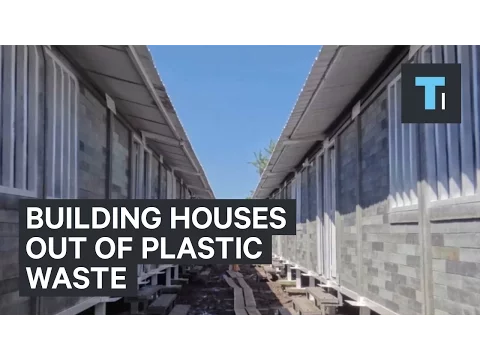

These blocks receive flame-retardant additives, which prevent the material from functioning as active fuel in the event of a fire. Additionally, the plastic used does not suffer from fungal, bacterial, or moisture damage, eliminating recurring issues of infiltration, mold, and structural rotting.
Another decisive technical factor is the natural thermal insulation. The plastic reduces heat transfer between the exterior and interior of the building, keeping homes cooler in hot regions and minimizing thermal loss in cold areas.
Houses Erected in Just Four Days Completely Change the Timing of the Work
One of the most impressive data points of the project is the speed of execution. According to the company itself, three adults with basic training can assemble a 40-square-meter house in just four days. This time is drastically shorter than conventional construction, which can take weeks to months to reach the same structural stage.
The secret lies in the modular interlocking system, inspired by the logic of interlocked blocks. The pieces arrive ready on site and are only assembled, eliminating the need for complex scaffolding structures, large volumes of concrete, or heavy reinforcements.
Additionally, the system allows for future expansion of the house, as modules can be added according to the family’s needs, without demolitions and without compromising the existing structure.
Cost Up to 40% Less and Direct Impact on Affordable Housing
The use of recycled plastic as raw material leads to significant cost reductions. According to data released by Conceptos Plásticos, buildings are up to 40% cheaper compared to traditional masonry, considering materials, labor, and time of construction.
This factor transforms the technology into a direct tool for housing policy. What previously required large public investments can now be made feasible with a reduced budget, especially in regions where the housing deficit is critical.
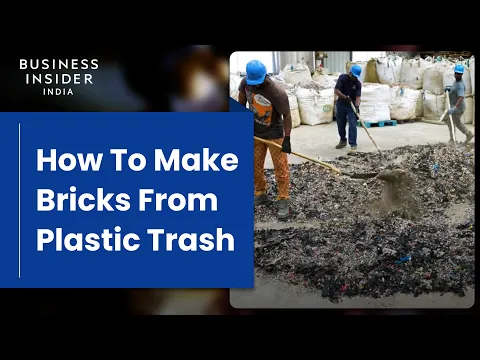
Moreover, the project creates a structured market for plastic waste, generating income for recycling cooperatives, waste pickers, and logistics chains related to selective collection.
Earthquake-Resistant Structure Expands Application in Earthquake Zones
Another decisive technical differentiator is the structural behavior of the buildings. Since they are made of lighter and more flexible blocks than rigid masonry, the houses exhibit better response to seismic shocks. The company states that the systems meet the requirements of earthquake resistance standards.
This creates opportunities for direct application in countries of Latin America, the Caribbean, and regions of the Pacific Ring of Fire, where conventional constructions face constant risks of collapse during tremors.
Plastic That Doesn’t Become Fuel and Doesn’t Create Decomposition Environments
The plastic used in the blocks undergoes treatment processes that eliminate flame propagation. Thus, even being a polymer, the material does not act as direct fuel in fires, contrary to common belief.
Moreover, as it does not biologically decompose, the material does not create environments suitable for the development of microorganisms, such as fungi, bacteria, and urban pests. This drastically reduces maintenance costs over the years.
More Than 3 Thousand Tons of Plastic Already Reused in the Construction of Houses and Schools
According to data released in the UOL report, Conceptos Plásticos has already reused more than 3 thousand tons of plastic waste, transforming discarded material into housing and educational infrastructure.
The company does not operate solely with houses. The system has also been applied in the construction of classrooms, community structures, and industrial solutions, expanding the application of the technology far beyond affordable housing.
The Role of Óscar Méndez and Isabel Gámez in Transforming the Project into an Industry
The origin of the project dates back to 2011, when architect Óscar Méndez decided to turn his academic research into a practical solution for urban waste. The idea grew, scaled up, and is now led by Isabel Gámez, CEO of the company.
According to statements from the executive herself, the company’s purpose is to combine environmental impact, social inclusion, and applied engineering, creating durable structures from one of the world’s biggest urban problems: plastic disposal.
Why This Model Directly Threatens Traditional Construction
The combination of factors gathered in this project challenges historical pillars of civil construction. Projects that used to take months are now delivered in days. Materials that used to pollute now support walls. Costs that were prohibitive are now within the popular budget.
Beyond the technical impact, there is an economic rupture. The model displaces traditional chains of cement, sand, ceramic bricks, and wood, paving the way for a new industry based on structural recycling.








Observar a viabilidade de um projeto deste nível (bastante inovador),ser adaptado pra países de clima tropical,como é o caso do Brasil.
Isto é incrível um excelente trabalho .. a grande sacada é utilizar oque é lixo q mata a natureza
Na Colômbia deve funcionar. Gostaria que estes projetos fossem lançados no Brasil e que o nosso “querido governo” incentivasse a ocupação de terras, com infraestrutura digna a toda população e não esses prédios de aptos mini gaiolas que parecem mais celas de **** do que residência. Devia ser lei: assim como somos obrigados a votar, o direito a terra para se instalar, cultivar e viver ser obrigação do Estado a toda pessoa ao atingir 18 anos e sem os cartórios explorarem o povo financeiramente. Afinal a terra é de todos e não do governo.
Este projeto a quem tem o terreno ajudaria muito e limpará a terra.