





 Portuguese
  English
  Spanish
  5 min of reading
  0 comments


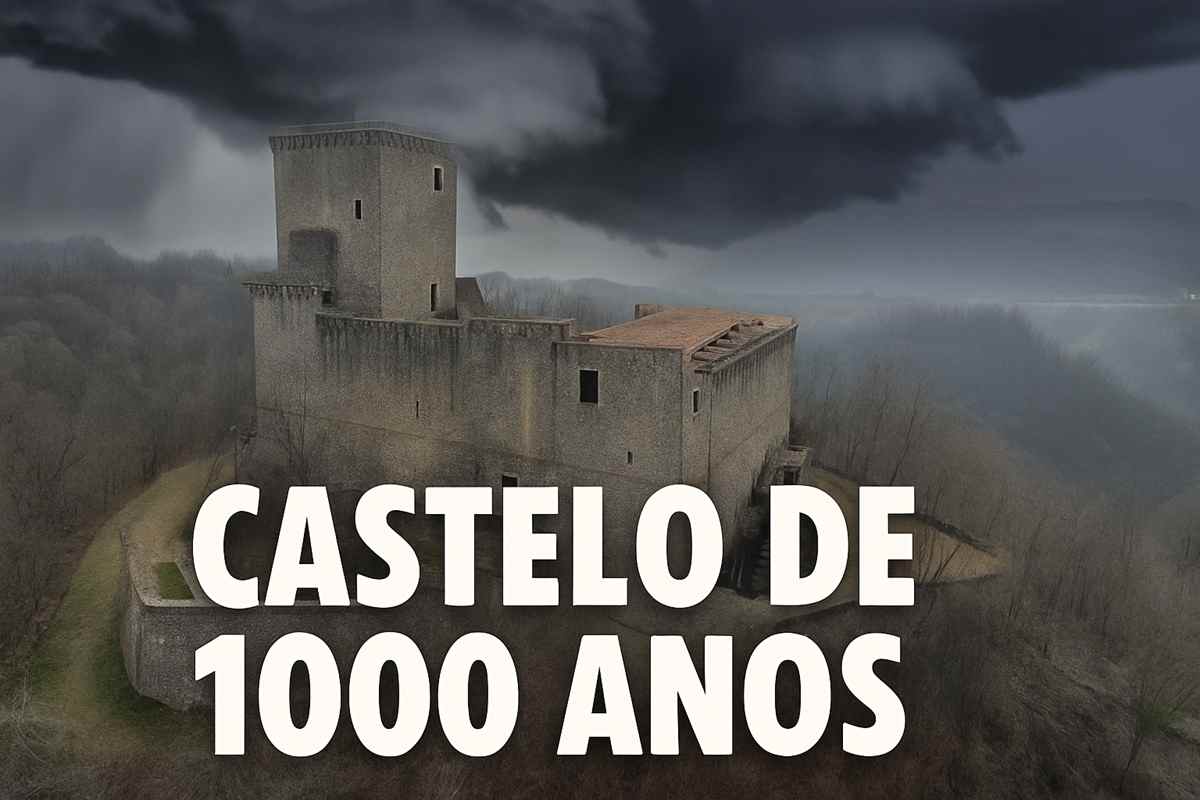
Castle Isolated for Centuries. Video Shows the Preserved Interior, with Antique Objects, Chapel, Secret Passages, and Medieval Legends.
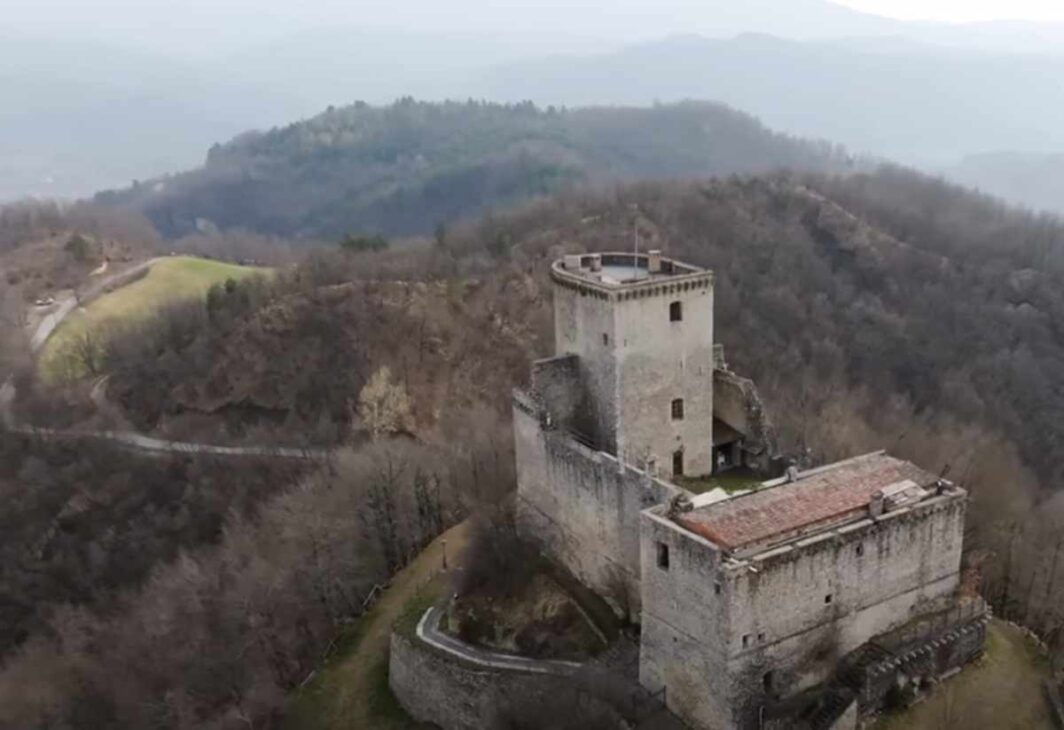
Atop the misty hills of northern Italy, the Castle of Oramala rises silently, like a sleeping giant.
The ancient fortress, which once housed poets, monks, and warriors, is now closed to the public.
Abandoned, forgotten, but not empty. Its walls hold stories, echoes of ancient footsteps, and legends that defy time.
-
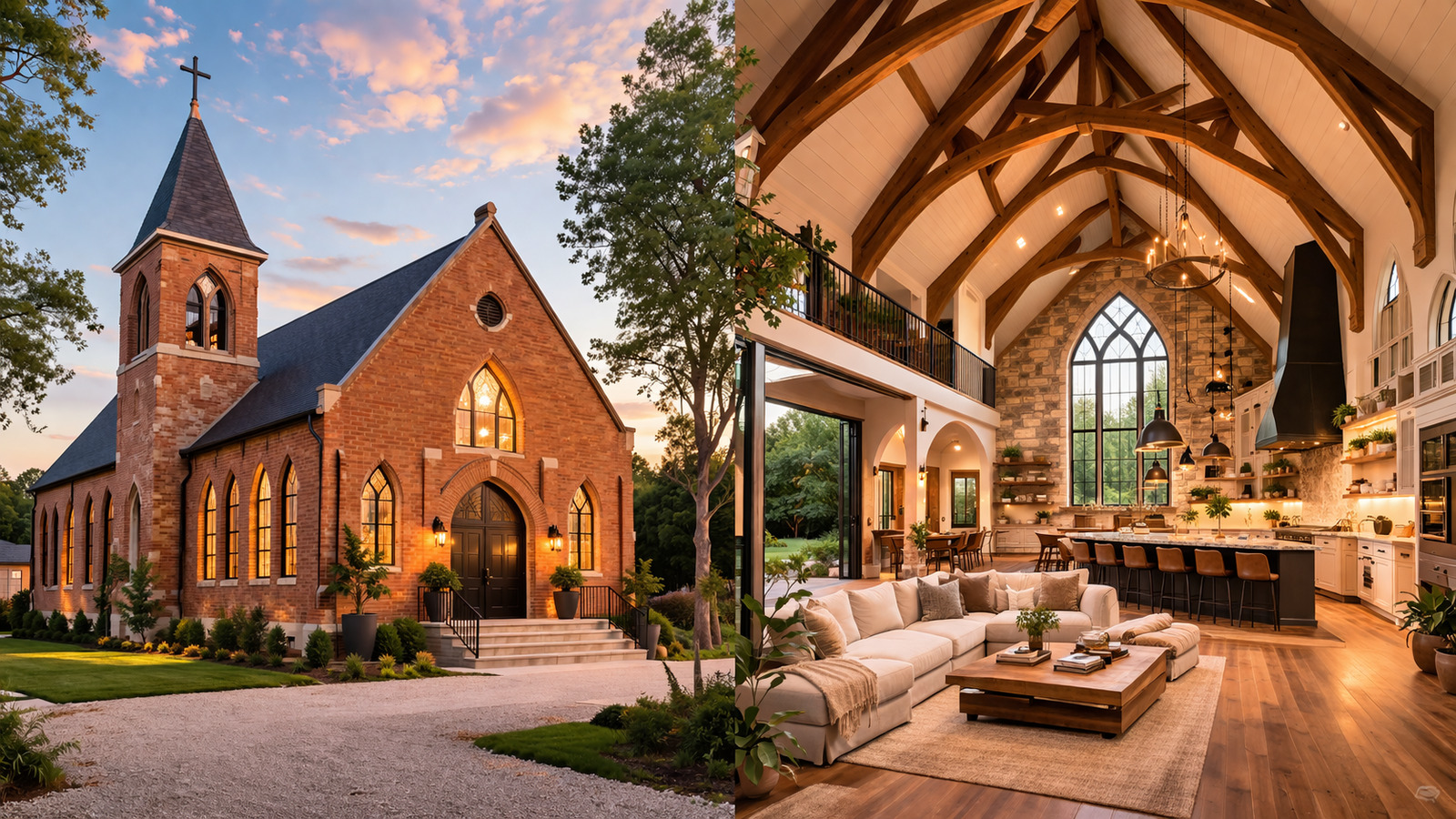
Church from 1888 becomes a mansion of over 330 m² in Canada after a renovation of R$ 3.4 million and is eventually sold for nearly R$ 4.3 million.
-
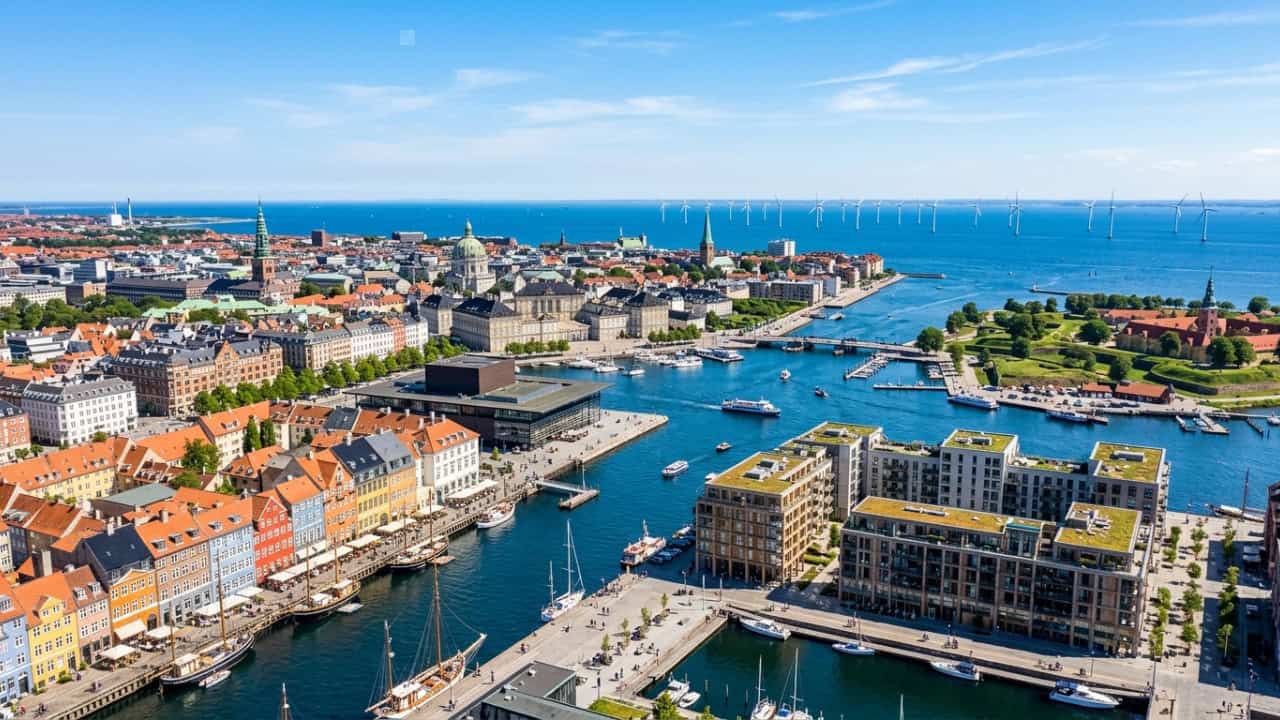
How an innovative city combines high technology, well-being, and sustainability to become the largest reference in clean energy on the planet.
-
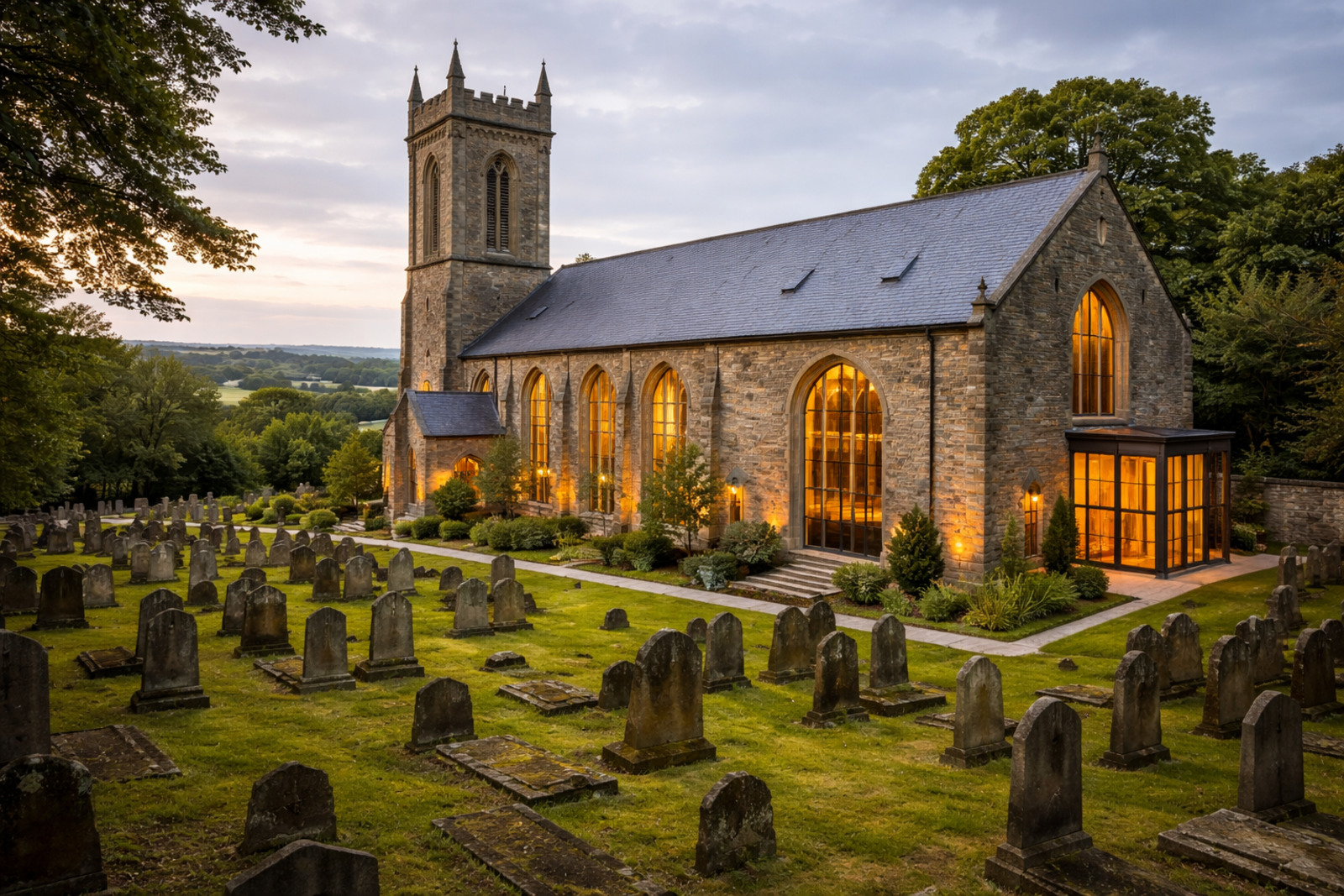
Couple buys 1846 church in ruins for R$ 660,000, invests R$ 3.2 million in renovations, transforms it into a millionaire mansion, and even preserved a historic cemetery with over 300 graves.
-
He started running at 66 years old, broke records at 82, and is now a subject of study for having a metabolic age comparable to that of a 20-year-old, in a case that is intriguing scientists and inspiring the world.


And it was this setting that the channel RangerRickTV decided to explore, revealing in video the interior of one of the oldest buildings in the region.
A Castle Between Legends and History
The Castle of Oramala, located in Val di Nizza with a view of the Staffora Valley and the Pavese Apennines, was built in the 11th century by the powerful Malaspina family.
Its original purpose was defensive, but over time, the space transformed into a center of culture, power, and poetic gatherings.
In the Middle Ages, troubadours and musicians gathered in the castle halls to sing love songs.
The poet Dante Alighieri, Italy’s most renowned poet, is said to have stayed in Oramala.
Tradition holds that the generosity and refinement of the Malaspina were praised by the author of The Divine Comedy. More than a fortress, Oramala became a refuge for art and word.
As the centuries passed, the castle changed hands. It belonged to the Bishop of Tortona, then to the Este Marquises.
In 1164, with the intervention of Frederick Barbarossa, it returned to the Malaspina, in the hands of Obizzo I.
For centuries, it was the administrative center of the valley. But with the decline of the feudal structure and the migration of the Malaspina family to the villages of the valley, Oramala lost its strategic importance.
Conflicts and Conspiracies
In the 14th century, the castle became embroiled in political disputes.
The Visconti and Sforza, powerful families from Milan, began to contend for its possession. Ludovico il Moro, one of the most influential Sforza, granted Manfredi Malaspina the right to fortify the building again in 1474.
The tower, still visible today, dates from that time. With a rectangular base and a semicircular top, it is a landmark of medieval architecture in the region.
The entrance still retains the lowered arch and the drawbridge.
Above, the chapel of Santa Eufemia, from the 13th century, remains as a symbol of the devotion of the old inhabitants. A subterranean room in the northern wing is said to have served as a prison.
A Visual Dive into the Structure
It was in this setting that the RangerRickTV channel came, capturing every detail. Access was not easy. The climb to the top of the mountain was exhausting, with steep and difficult trails.
But the view made it worthwhile. Upon arrival, the YouTuber encountered an imposing structure, silent and still laden with mystery.
The first part of the video shows the ancient halls, likely areas for dining and socializing.
Stone furniture, old cabinets, and rooms with frescoes and coats of arms indicate the prestige the place once held. On one wall, a coat of arms of the Malaspina. On another, a painting depicting a noblewoman.
While exploring the interior, the explorer finds what appears to be an open chapel. With statues of Mary, Jesus, and Saint Joseph, along with an ancient tabernacle, the space seems to have been kept for private devotions.
A iron bell still hangs, though unused. Nearby, a well reveals the water collection system of the time. The water was scarce but still visible at the bottom.
The Silent Museum and Its Objects
During the tour, the visitor finds several rooms that seem to have housed a museum. In one of them, metal pieces, tools, and presses suggest that the former owner was a blacksmith.
There is an anvil on the ground, iron pieces with levers and hooks, and even a fragment of a weapon, possibly from an old musket.
Another room is filled with old wine bottles, some labeled “Val Magga” or “Barbara.”
A kind of giant corkscrew indicates the use of the bottles for events or formal meals. The existence of several dining spaces – including five large tables on the upper floor – reinforces this idea.
A room filled with books and objects left behind strengthens the feeling of abandonment. A book from 1988, with a message in English, thanks for the restoration of a tower.
There were records that the family that bought the castle in the 20th century attempted to turn the site into a museum. For a time, tourists visited the rooms and photographed the relics. But the project did not survive.
Tunnels, Ghosts, and a Forgotten Story
At another point in the castle, the YouTuber finds an entrance to the underground tunnel. The site, mentioned in ancient legends, would connect the castle to the town of Varzi.
Despite the dampness, darkness, and low height of the space, the tunnel exists. It is made of packed earth and appears unstable. At the end, a wall interrupts the path, but it is possible to see that the way continues beyond.
The legend says that Emperor Frederick Barbarossa appears in the castle every December 25 at midnight, lights a lamp, and disappears.
Another story states that Obizzo Malaspina also haunts the corridors. The explorer found no ghosts but confirmed the mysterious atmosphere of the environment.
The castle has no electricity or modern signs of habitation. In some areas, it seems to have been adapted as a restaurant, with dishware and smaller kitchens.
But the signs are diffuse. In a high area, he finds another dining space and what seems to be the owner’s bedroom.
Upon climbing the tower, the view of the city fully opens, with tattered flags and rusted structures.
Details That Time Did Not Erase
Among the most curious items found were small altars, religious sculptures, an old bell, heavy furniture, and remnants of tools.
In a raised area, he sees a piece of crossbow stock, typical of medieval weapons. In another room, remnants of taxidermy.
The structure seems secure in some areas but unstable in others. Some doors are locked or blocked. Certain spaces are so cluttered that it is barely possible to walk.
Still, the explorer is impressed by the organization of the objects, as if everything had been left exactly as it was.
A Castle That Withstood Forgetting
The Castle of Oramala has survived wars, political upheavals, abandonment, and even oblivion. Today, closed to the public, it endures atop the hills, surrounded by mist, trees, and untold stories.
RangerRickTV’s visit brought a bit of light to what had been hidden for decades. The video does not solve all the mysteries, but it makes it clear: there is much more to be discovered.
In the final scene, the explorer returns to the underground tunnel.
The standing water and mosquitoes indicate that the place is not safe. The passage is blocked, but its existence reinforces the truth of the legend. It is at this point that the video ends, with the promise of new episodes and more discoveries.
The Castle of Oramala may be closed. But its doors, at least for the imagination, remain open.






-

Uma pessoa reagiu a isso.