





 Portuguese
  English
  Spanish
  3 min of reading
  0 comments


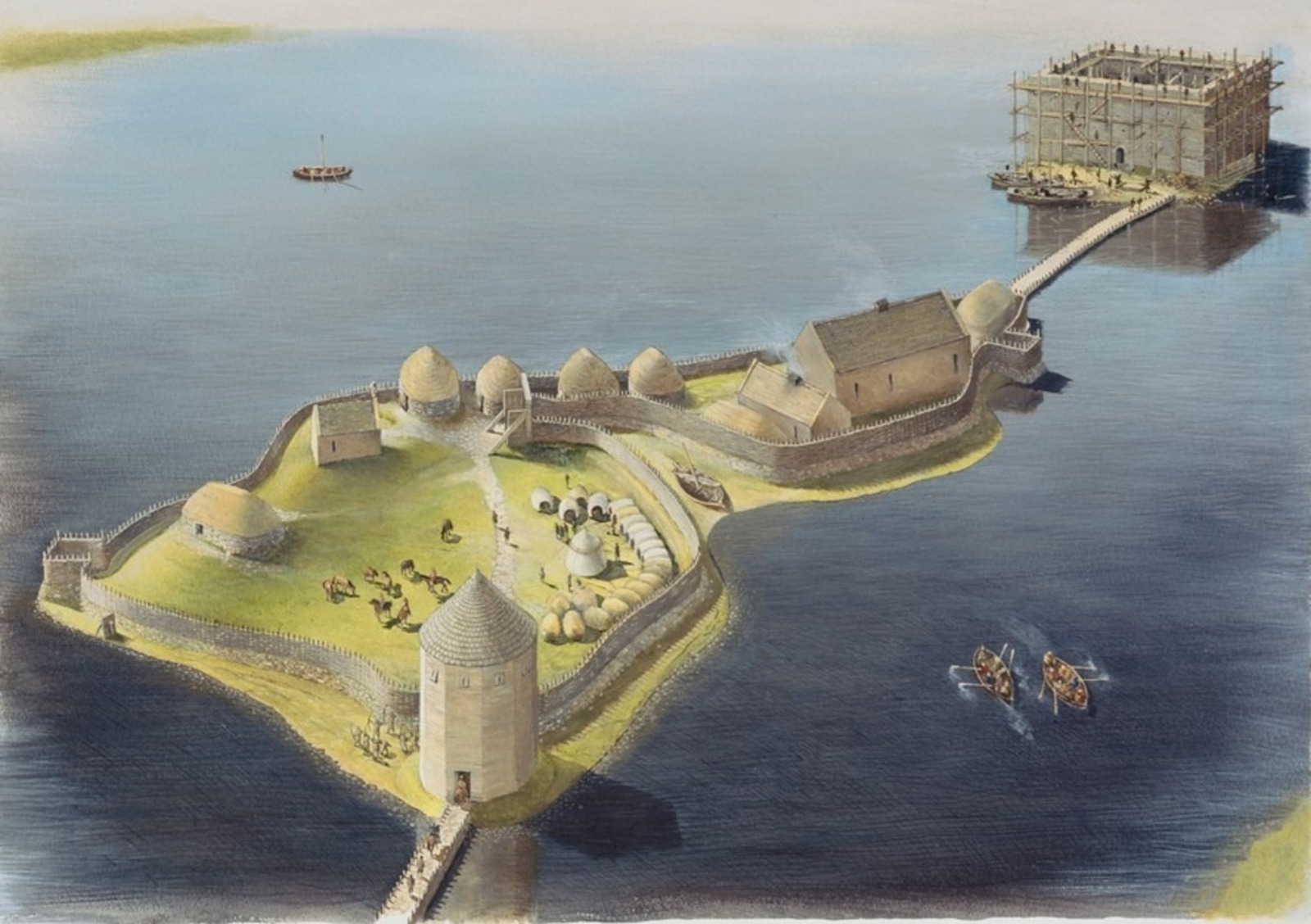
Archaeological Discovery in Finlaggan Reveals Forgotten Medieval Castle, Reinforcing the Historical Importance of the Lords of the Isles in Scotland’s Political Power
A small island in remote Islay, Scotland, has just become a key piece in understanding the region’s medieval politics. Researchers announced the discovery of ruins in Finlaggan, a site that is believed to have housed a royal castle forgotten for more than 700 years.
The revelation comes after nearly three decades of continuous excavations. Under the leadership of David Caldwell, archaeologists and volunteers uncovered remains of a fortress that was likely the center of power for the famous Lords of the Isles.
Center of a Powerful Clan
The discovered castle is thought to have served as the residence of the MacDonald family, who ruled the Hebrides, Argyll, and part of the Western Highlands.
-
Butantan Institute will produce pembrolizumab for the SUS and could change everything in cancer treatment by expanding access to innovative immunotherapy that strengthens the body and reduces high costs.

-
China wants to divert rivers through the sky using thousands of generators installed in the mountains of the Tibetan plateau to make it rain in dry regions, and neighboring countries like India and Nepal are already beginning to worry about the effects of this technology.

-
A highly powerful solar explosion is heading towards Earth and could jeopardize the historic launch of NASA’s Artemis II mission in April 2026.

-
Scientists are developing a self-repairing asphalt that can close microcracks on its own before they turn into potholes, a technology that could drastically increase the lifespan of roads and reduce billions in maintenance worldwide.


They acted almost as kings, commanding attacks even on the mainland, notably the invasion of Urquhart Castle near Loch Ness.
This dominion did not only rely on military strength. It also represented the cultural and political assertion of an elite that shaped the region’s destiny for centuries.
Monumental and Unique Structure
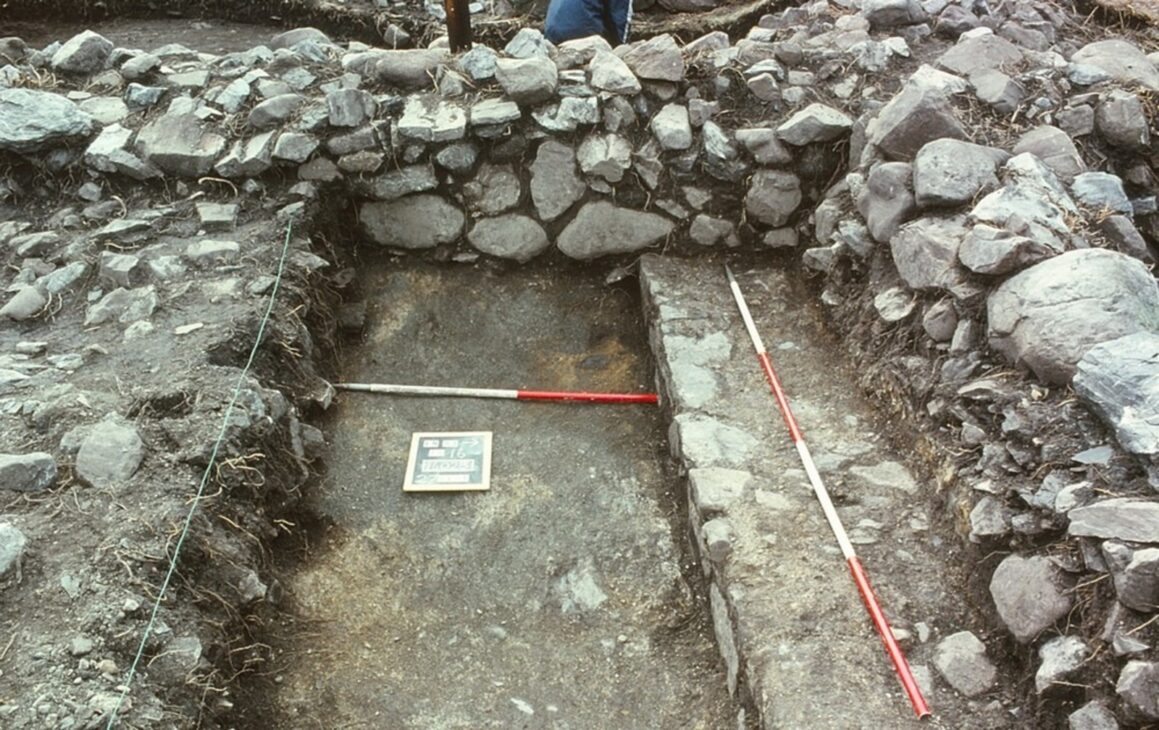
The ruins revealed a rectangular stone tower, measuring about 19 by 19 meters, extended to 21 meters when including the pedestal.
This size places it alongside English castles such as Carlisle, Bamburgh, and Lancaster.
The fortress also featured courtyards, kitchens, a chapel with a cemetery, accommodations, and a large hall for banquets.
Architecturally, it was a rare construction in Scotland, but common among Anglo-French kings of Britain and Ireland.
Thus, the choice of this architectural style served as a symbol of status, power, and international political connections.
According to Caldwell, the castle may have been dismantled due to structural fragility or enemy attacks. Over time, the area was eventually replaced by a palace built by the local lords themselves.
Still, the significance of the site did not disappear. On the contrary: Finlaggan remained a political center of the Lords of the Isles until the 14th and 15th centuries when this clan reached the peak of its influence.
Book Gathers Historical Findings
The results of the excavations have been compiled in a publication released by the Society of Antiquaries of Scotland.
The book describes evidence that confirms Finlaggan as a center of almost independent power, fundamental to medieval Scottish history.
Additionally, the work suggests that the site may have been a place for rituals and gatherings since prehistoric times. There are hypotheses of its use even during the Viking period before it became a royal castle and later a lordly palace.
Heritage with Centuries of Influence
Archaeological evidence shows that the fortress extended across two islands in Loch Finlaggan. One housed the stone tower, where the king or lord would reside. The other concentrated the courtyards, kitchens, workshops, houses, and the main hall.
This complex confirms the idea that the region functioned as a center of political, military, and cultural command.
In summary, the find not only reinforces the grandeur of the MacDonald clan but also broadens the understanding of medieval Scotland.
The Weight of the Medieval Castle Discovery
The study reveals that Finlaggan was not merely a point of power in the 14th and 15th centuries. It already had significance in the preceding period, during the 12th and 13th centuries.
This new perspective repositions the island in the historical narrative and shows that the territory had continuous importance for many centuries.
For Caldwell and his team, the forgotten castle represents a lost link that helps reconstruct Scotland’s past.
With information from Galileu Magazine.








-

-

-

-

-

-

158 pessoas reagiram a isso.