





 Portuguese
  English
  Spanish
  3 min of reading
  0 comments


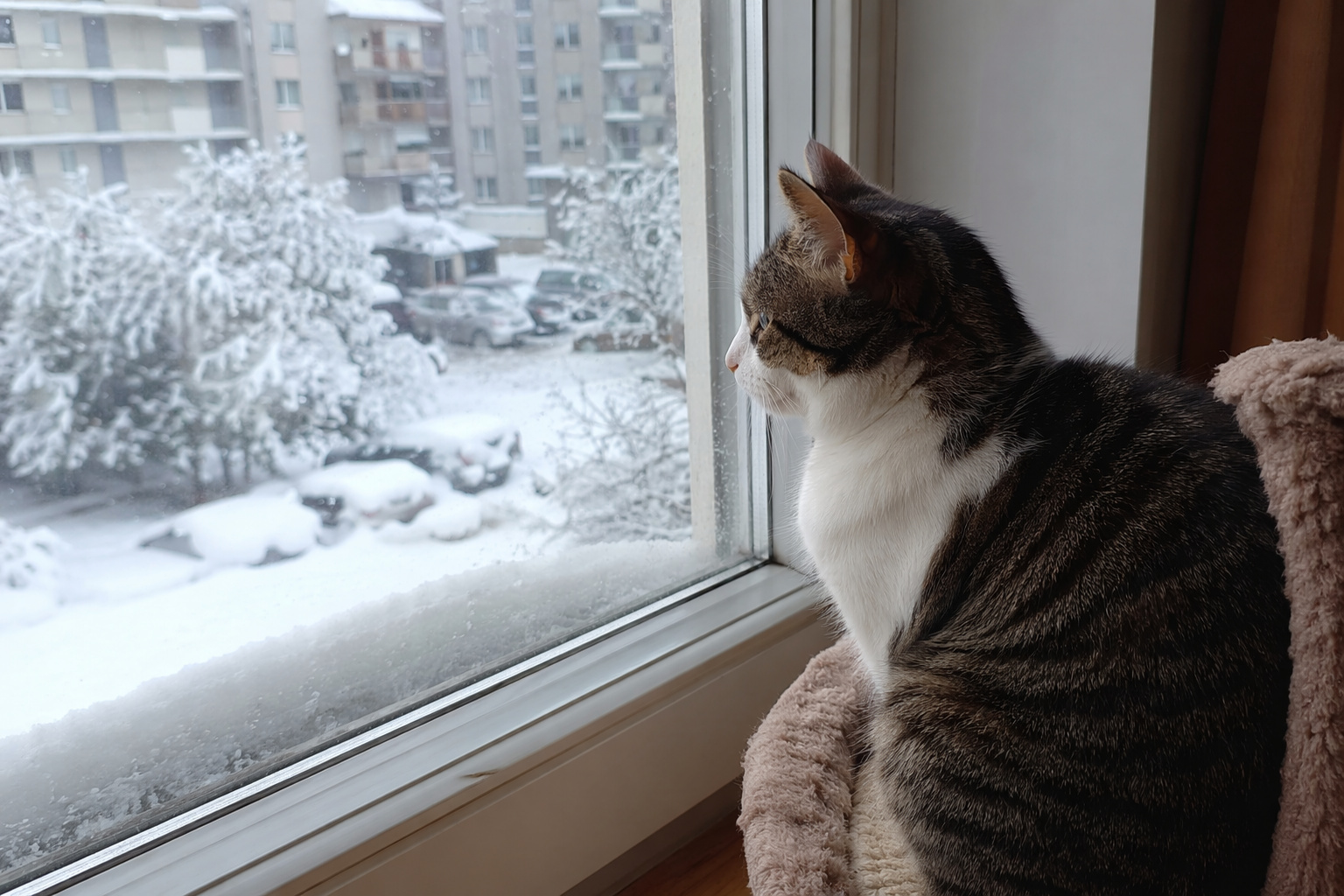
Legislation establishes clear rules on time of solitude, stimuli, and mandatory care to ensure the health and balance of domestic cats
A public policy focused on animal welfare has gained international prominence by establishing strict rules regarding the breeding of domestic cats.
In Sweden, legislation dictates that animals should not be left alone for long periods, which requires constant supervision.
Additionally, guardians must ensure daily interaction, mental stimulation, and frequent supervision, reinforcing a new standard of responsibility.
This movement demonstrates that the country seeks to align domestic practices with modern animal protection guidelines, reorganizing the way pets are treated.
Clear rules redefine cat care
The legislation establishes that cats cannot be left isolated for long periods without human contact.
Thus, guardians are required to provide regular presence, stimuli, and continuous supervision, altering the routine of care.
Moreover, animal behavior specialists emphasize that the lack of interaction can directly affect the health of felines.
Therefore, even though they are known for their independence, cats can develop anxiety, stress, and destructive behaviors when left isolated.
This understanding reinforces that care goes beyond feeding, as it also involves the emotional balance of the animal.
Animals are recognized as sentient beings
The legislation is part of a broader set of norms that recognize animals as sentient beings, capable of feeling emotions.
Thus, feelings such as loneliness and stress have been taken into account in the development of the rules.
As a result, prolonged isolation, even indoors, can be classified as neglect, depending on the observed conditions.
This approach reinforces a structural change in how animals are treated, raising the level of demand on guardians.
-
The factory in India produces 70-centimeter pool cues, uses fine wood, combines traditional craftsmanship with modern technology, and excels in global exports.

-
A company from Santa Catarina surprises by creating savory ice creams with flavors of smoked pork ribs, Italian salami with wine, and crackling with lemon, which are leaving everyone curious to try this unlikely combination.

-
In the World Cup spirit, a factory in India produces soccer balls with latex, joining cut pieces on a sewing machine as if it were a puzzle, and impresses with a modern and high-quality result.

-
At 53 years old, an entrepreneur closes the sale of the world’s most expensive mansion for R$ 1.8 billion, breaking historical records and transforming an old aristocratic property into the ultimate symbol of global luxury.

Demands expand animal welfare standards
In addition to restrictions on solitude time, the legislation sets specific obligations for guardians.
Among them, the following stand out:
- Guarantee of constant mental and environmental stimulation
- Safe, suitable environment with good air quality
- Sufficient space for the animal’s well-being
- Frequent and continuous social interaction
Failure to comply with these requirements may result in warnings and corrective measures.
In more severe situations, harsher penalties may be applied, especially when there is a risk to the animal’s health.
This set of rules consolidates a more rigorous and structured protection model.
Culture reinforces responsibility in pet care
In practice, the legislation reflects a culture that considers pets as part of the family.
Therefore, many guardians adopt alternatives such as animal daycare, caregivers, or neighbor support when they need to be away.
Additionally, this attitude helps reduce abandonment and improve the socialization of animals, generating positive impacts on society.
Over the past few years, animal behavior specialists have observed that this model strengthens the relationship between humans and pets.
This scenario highlights how stricter rules can transform habits and elevate the standard of care.
Social and behavioral impacts of legislation
The implementation of these norms directly influences animal behavior and the responsibility of guardians.
With greater interaction and stimulation, cats tend to exhibit more balanced and healthy behaviors.
At the same time, society experiences a lower rate of abandonment and increased awareness about care.
This model demonstrates that public policies can impact not only animal welfare but also social dynamics.
Will other countries adopt similar rules to ensure the well-being and quality of life of domestic animals?








Seja o primeiro a reagir!