





 Portuguese
  English
  Spanish
  4 min of reading
  0 comments


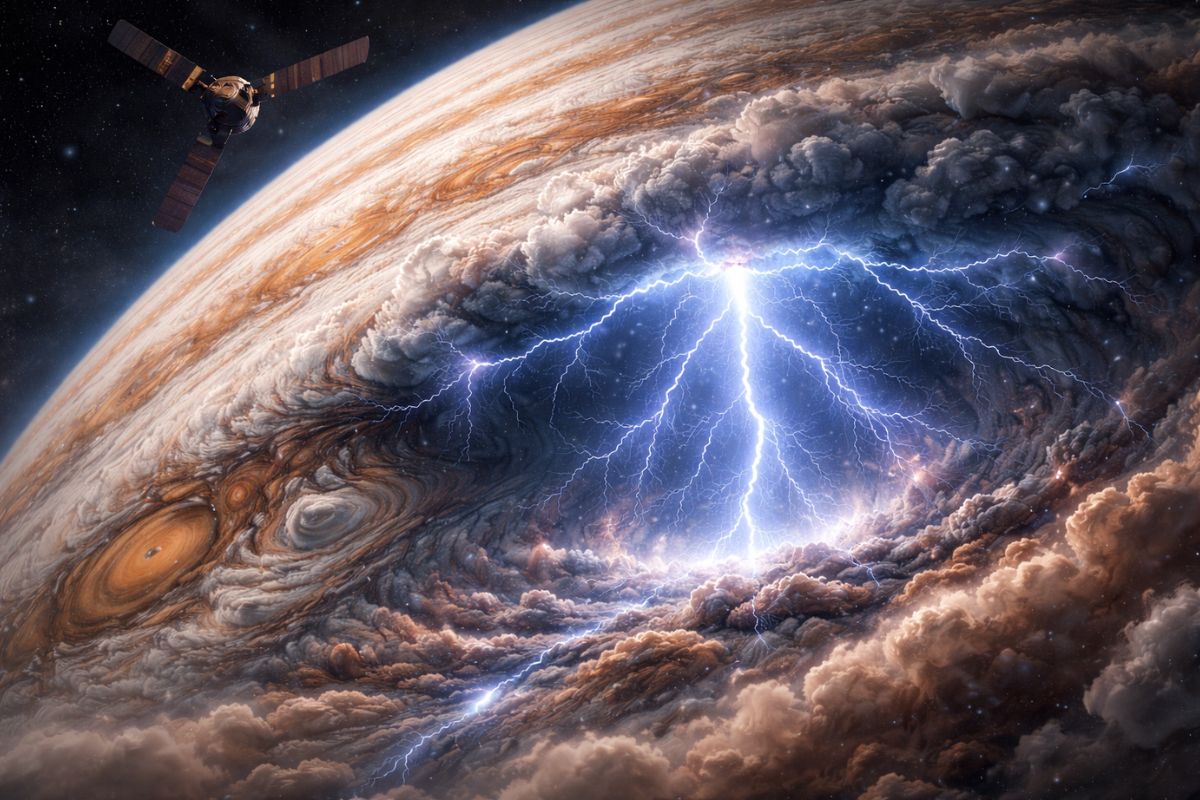
Storms on Jupiter can produce lightning up to 100 times more intense than those recorded on Earth, according to an analysis made with data from the Juno probe, which has been monitoring the planet’s atmosphere since 2016.
The study shows that storms on the gas giant are impressive not only for their size but also for the extreme strength of the electrical discharges. By observing large atmospheric systems recorded between 2021 and 2022, researchers identified events capable of releasing energy on a scale far above what is seen on our planet.
The discovery is noteworthy because it helps to broaden the understanding of atmospheric phenomena beyond Earth. Understanding how storms behave on other planets also helps illuminate processes that are still not fully understood here.
In the case of Jupiter, the difference is directly linked to the composition of the atmosphere. As the planet is dominated by hydrogen, the moist air becomes heavier and finds it more difficult to rise, requiring a much higher level of energy to give rise to storms.
-
They seemed like common bones, but scientists were surprised to find a relic over 12,000 years old that dates back to before the Bronze Age.

-
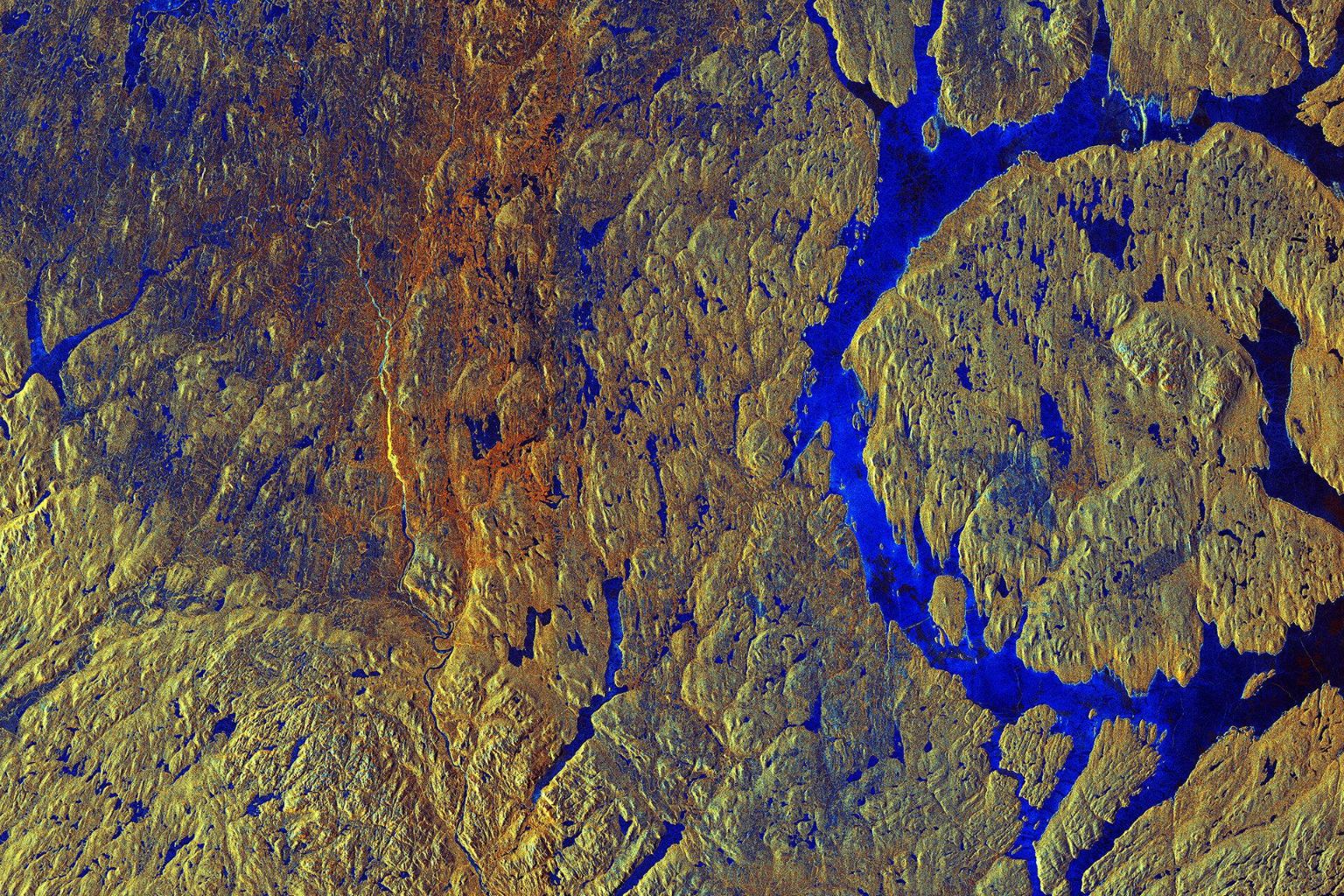
With an almost perfect ring of 70 km visible from space, known as the “Eye of Quebec” and over 100 km in length, the Manicouagan Crater in Canada reveals the colossal mark left by a giant asteroid and has become one of the most impressive formations ever identified on the Earth’s surface.
-
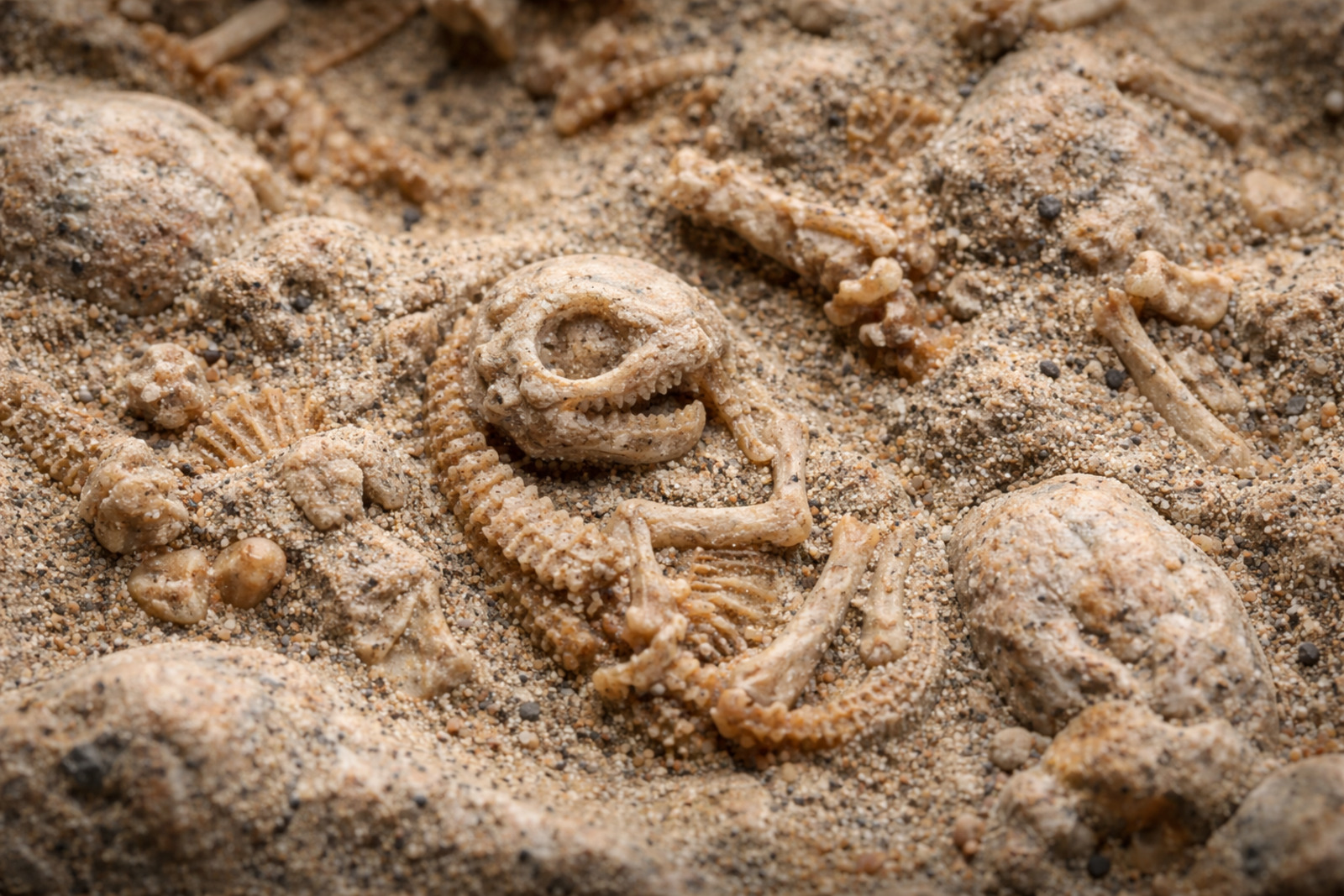
Scientists have found in China dinosaur embryos dating back 190 million years in various stages of development, and the discovery still preserves traces of extremely rare proteins in the bones, something that could change what is known about life before hatching.
-
The CEO of Honor in Spain says that smartphones will change with AI, foldables, and even robot phones; the component crisis is making cheap models more expensive in 2026 and shifting the focus to premium.

What makes storms on Jupiter so violent
Storms on Jupiter form under very different conditions than those found on Earth. The planet’s hydrogen-rich atmosphere creates an environment where moist air must overcome a greater barrier to ascend.
This obstacle makes the formation of storms more difficult, but it also increases the potential for accumulated energy. When this process finally occurs, the release can be much more intense, which helps explain the unusual strength of the detected lightning.
Juno probe revealed discharges hidden beneath the clouds
The analysis was made possible thanks to the radiometer on the Juno probe, a device capable of detecting radio emissions produced by lightning. This allowed scientists to measure the intensity of discharges without relying solely on visual observations.
This point is important because the storms on Jupiter are hidden beneath thick layers of clouds. With this type of reading, it was possible to realize that certain flashes were much more powerful than those seen on Earth. The technology allowed us to see what the cloud was hiding.
Stealth superstorms caught researchers’ attention
The study focused special attention on large systems recorded between 2021 and 2022, called stealth superstorms. These events appear in wide bands of the atmosphere and can generate lightning between clouds with enormous energy release.
These storms received this name precisely because they occur in extensive regions and reveal extreme behavior. This is not an isolated lightning strike, but gigantic atmospheric structures capable of producing discharges far above the terrestrial standard.
Lightning can be 100 times stronger than those on Earth
The most impressive data from the study is the estimate that the discharges generated by these storms can reach an intensity up to 100 times greater than the lightning recorded on our planet.
This places Jupiter in a category of its own when it comes to atmospheric electricity. The planet not only has giant storms but also concentrates a type of energy that challenges the scale we are used to on Earth.
Storms can last for centuries on the planet
Another surprising aspect revealed by the mission is the longevity of these phenomena. The data indicates that some storms on Jupiter can last for centuries, maintaining activity for extremely long periods.
This persistence makes the planet’s environment even more fascinating for science. While many terrestrial storms are transient, on Jupiter certain systems seem to be part of the very permanent dynamics of the atmosphere.
Studying other planets helps to understand Earth
According to researchers, observing storms on other worlds is also a way to learn more about what happens on our own planet. This includes understanding luminous events associated with storms and atmospheric mechanisms that are still not fully clarified.
By investigating Jupiter, science gains a kind of natural laboratory on an extreme scale. Phenomena that appear here in a limited way can emerge in an expanded manner on other planets, offering valuable clues for research.
Jupiter reinforces that the Solar System still holds surprises
The new information obtained by Juno shows that Jupiter continues to be one of the most impressive environments in the Solar System.
The planet’s storms reveal a scenario where clouds, hydrogen, accumulated energy, and electrical discharges form a much more violent set than previously imagined.
In the end, the study reinforces a central idea. The more science observes Jupiter, the more the planet reveals itself to be an extreme world, capable of challenging known concepts and expanding our notion of what an atmosphere can produce.
Did you imagine that storms on Jupiter could generate lightning so much stronger than those on Earth?






Seja o primeiro a reagir!