





 English
  Francês
  Alemão
  Italiano
  Japonês
  Norueguês
  Portuguese
  Spanish
 3 min of reading


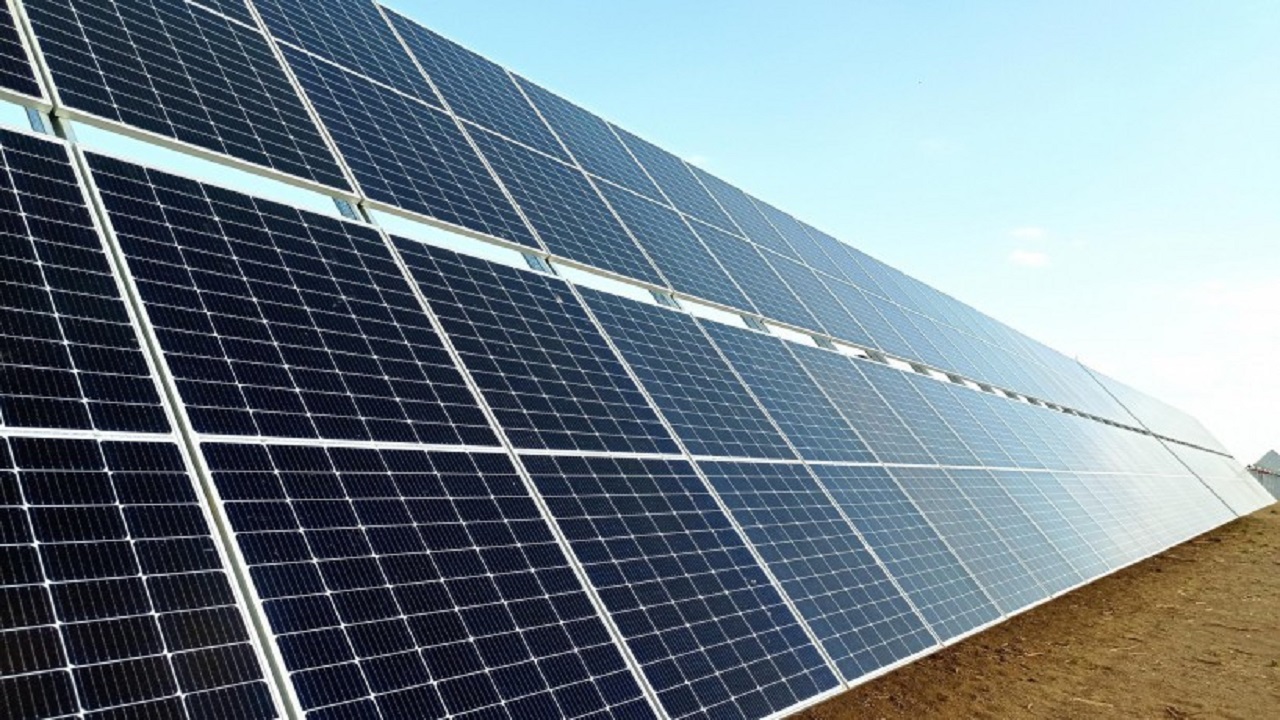
EDP Is Targeting Ceará for New Investments in Renewable Energy, Especially Green Hydrogen. The Company’s Idea Is to Generate Thousands of Jobs and Diversify Brazil’s Energy Matrix.
Ceará plans to expand its relationship with EDP from Portugal, one of the world’s largest energy players, potentially bringing more investments to the state, generating more jobs and income for the population. The head of Sedet, Maia Junior, during his mission in Portugal, met with directors André Pina, Ana Kelia, Carlos Malta, Paul Kessler, and Gustavo Pizarro. It is important to note that EDP has a coal-fired power plant in Ceará since 2012 and plans to invest in Green Hydrogen and Renewable Energy in the State.
EDP Announces Investments of R$ 41.9 Million in Renewable Energy in Ceará
According to Maia Junior, his courtesy visit to EDP is about the relationship between the Portuguese company and the state of Ceará to ensure it is larger and better in renewable energy. The EDP project is located at the Pecém Complex and has a total capacity of 720 megawatts.
In September of last year, EDP announced, alongside Ceará’s governor, Camilo Santana, the installation of a pilot project to build Latin America’s first green hydrogen plant in Pecém, which in addition to generating renewable energy and new jobs, would have a production capacity of 250 Nm3/h of gas.
-
Unemployment rises again to 5.8% at the beginning of 2026, raising alarms about the end of temporary positions and its impact on the Brazilian job market.

-
Document organization can cut invisible costs in small businesses, a simple step that prevents waste, rework, and losses in daily operations.

-
Renewable energy advances over protected areas in Brazil, and a survey by the Energy Transition Observatory reveals silent impacts that challenge environmental conservation and pressure sensitive traditional territories.

-
Rio Grande do Sul accelerates energy transition: State invests in renewable technologies and consolidates decarbonization strategies and pathways to attract billions in new industrial investments.


The expectation is that the plant will begin operations as early as December this year, attracting investments of R$ 41.9 million for renewable energy generation. Going further, the company also plans to expand its participation in sustainable energies in the country. Its sustainability arm, EDP Renewables, aims to develop between 1,000 MW and 1,200 MW in the country by 2025, and Ceará is on the radar for other potential investments.
Ceará Residents Will Receive Courses for Workforce Development
Due to investments in renewable energy such as those from EDP in Ceará, the industry launched last month the Center of Excellence for Energy Transition, to train a skilled workforce for jobs in various demands of Ceará’s energy sector in the coming years.
The project is a partnership between the National Service for Industrial Training (Senai-CE), the Federation of Industries of the State of Ceará (Fiec), the Social Service of Industry, and four companies operating in the sector: Enel, Maersk Training, Aeris Energy, and the German Cooperation Agency (GIZ).
In the space constructed at the Senai unit in Barra do Ceará, the companies will be able to work in an integrated manner on the training of professionals. According to Paulo André Holanda, regional director of Senai and Superintendent of Sesi-CE, the demand for courses may come from both partner companies and society in general.
EDP Announces New Commitments to Energy Transition and Will Make Billion-Dollar Investments in the Country
EDP announced last Thursday (2) its new visual identity, linked to the company’s positioning in the energy sector and its role in society. This image reflects the transformation of EDP in recent years, into a more inclusive, global company focused on sustainability, social responsibility, and innovation.
With the commitment made to the energy transition, the company will invest 24 billion euros by 2025, generating thousands of new jobs.
According to the CEO of EDP Group, Miguel Stilwell D’Andrade, humanitarian and energy crises have exacerbated social inequality and the economy. Therefore, more investments in renewable energy are needed.






Seja o primeiro a reagir!