





 Portuguese
  English
  Spanish
 3 min of reading
  0 comments


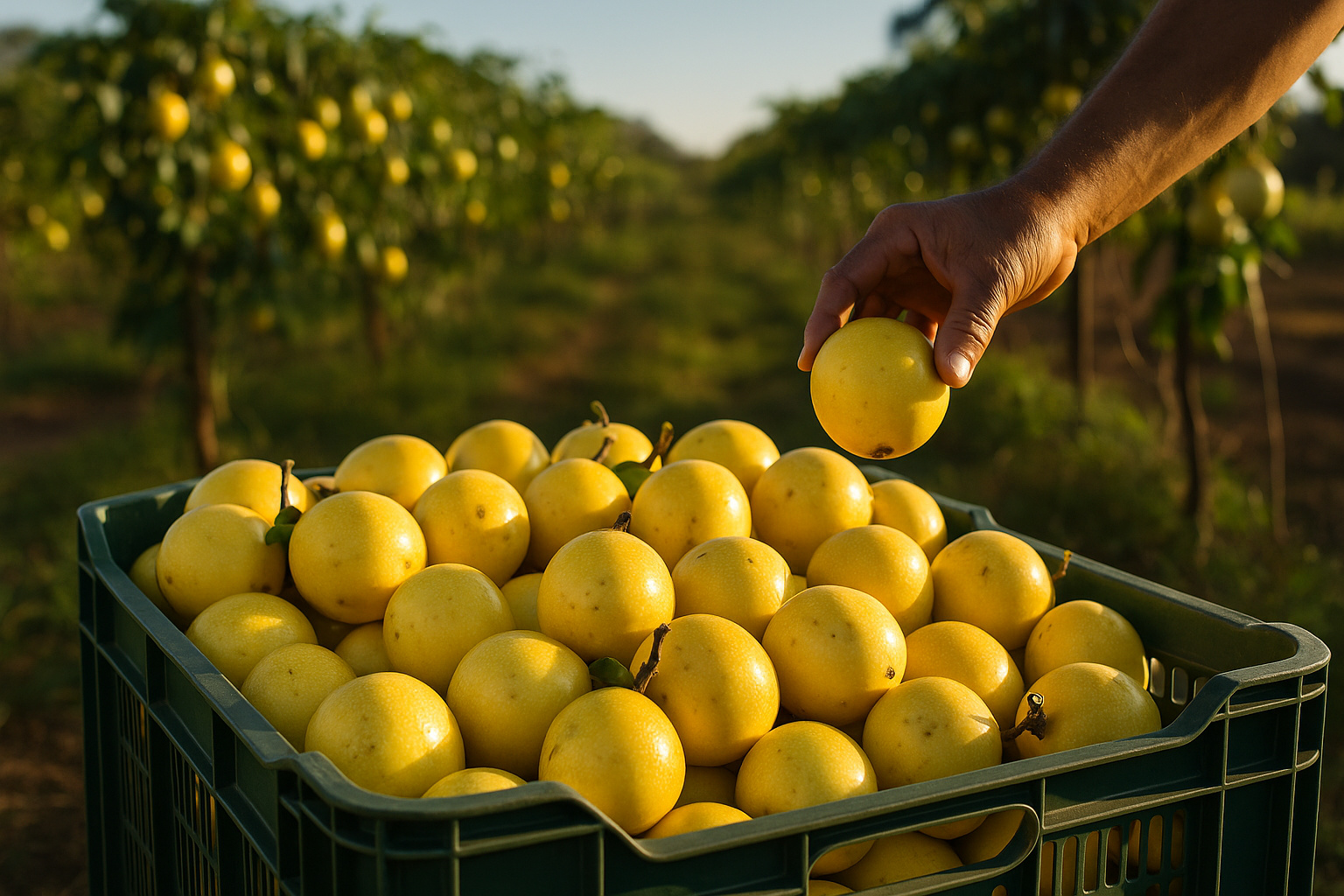
Five Cearense Cities Are Among the Largest Producers of the Fruit in Brazil
The Ceará has established itself as the second largest producer of passion fruit in the country, with a harvest of 160.7 thousand tons.
The data was released by the Municipal Agricultural Production (PAM) bulletin from the Brazilian Institute of Geography and Statistics (IBGE).
Although it ranked behind only Bahia, which produced 264.1 thousand tons, the state of Ceará recorded the highest economic value among all producing states.
Furthermore, the performance of Ceará highlights the continuous growth of regional fruit farming, which has been attracting increasing investments and strengthening the local economy.
State and National Passion Fruit Production
In 2024, Ceará surpassed Pernambuco, the third-place state, whose production was 38.7 thousand tons, with a difference of almost 315%.
As a result, the state enhanced its share in the national market and reinforced its competitiveness in the agricultural sector.
The national production of passion fruit reached 736.5 thousand tons, totaling about R$ 2.5 billion in market value.
However, Ceará stood out by recording R$ 691 million, surpassing Bahia, which reached R$ 620.1 million.
These numbers, therefore, reinforce the importance of Cearense fruit farming, both in volume and in the added value of production.
Additionally, the performance is a result of effective agricultural policies and a well-structured production chain.
ARTICLE CONTINUES BELOWSee also
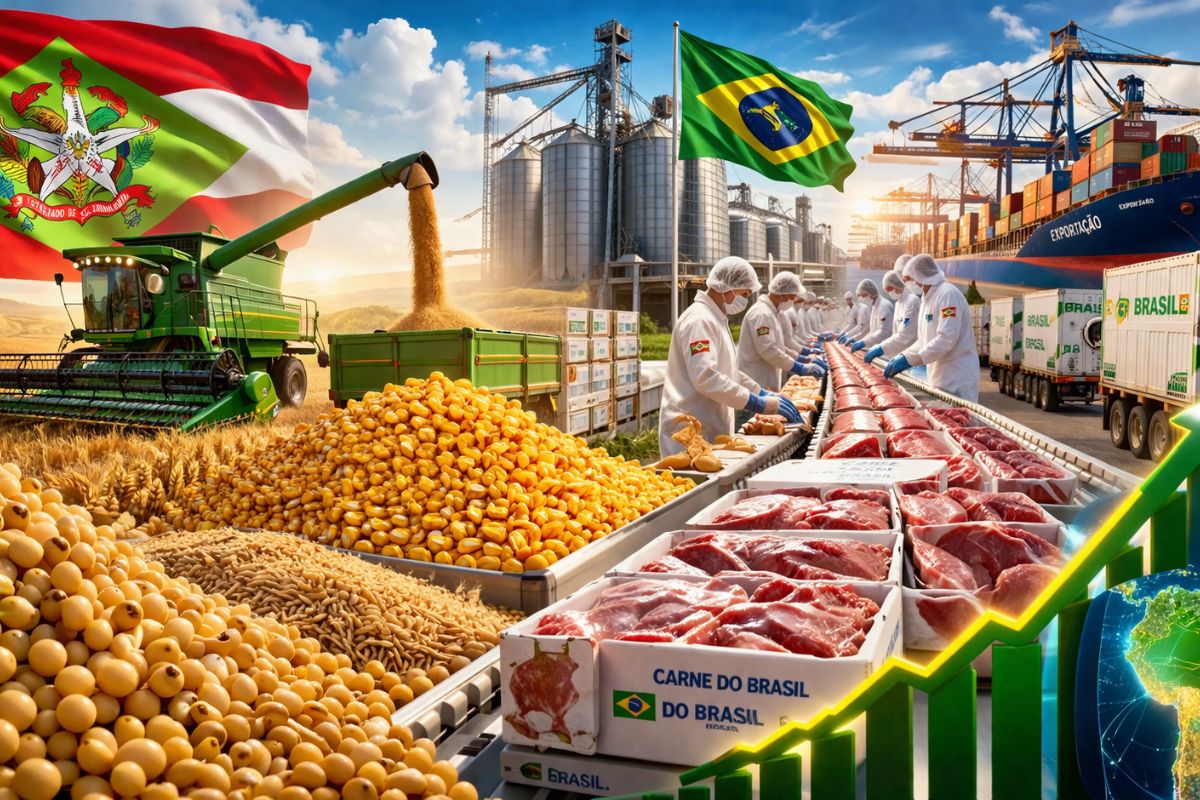
Santa Catarina harvested 7.85 million tons of grains and exported 2 million tons of meat in 2025: a growth of almost 6% in the food industry, which is four times higher than the national average and drives the entire Brazil.
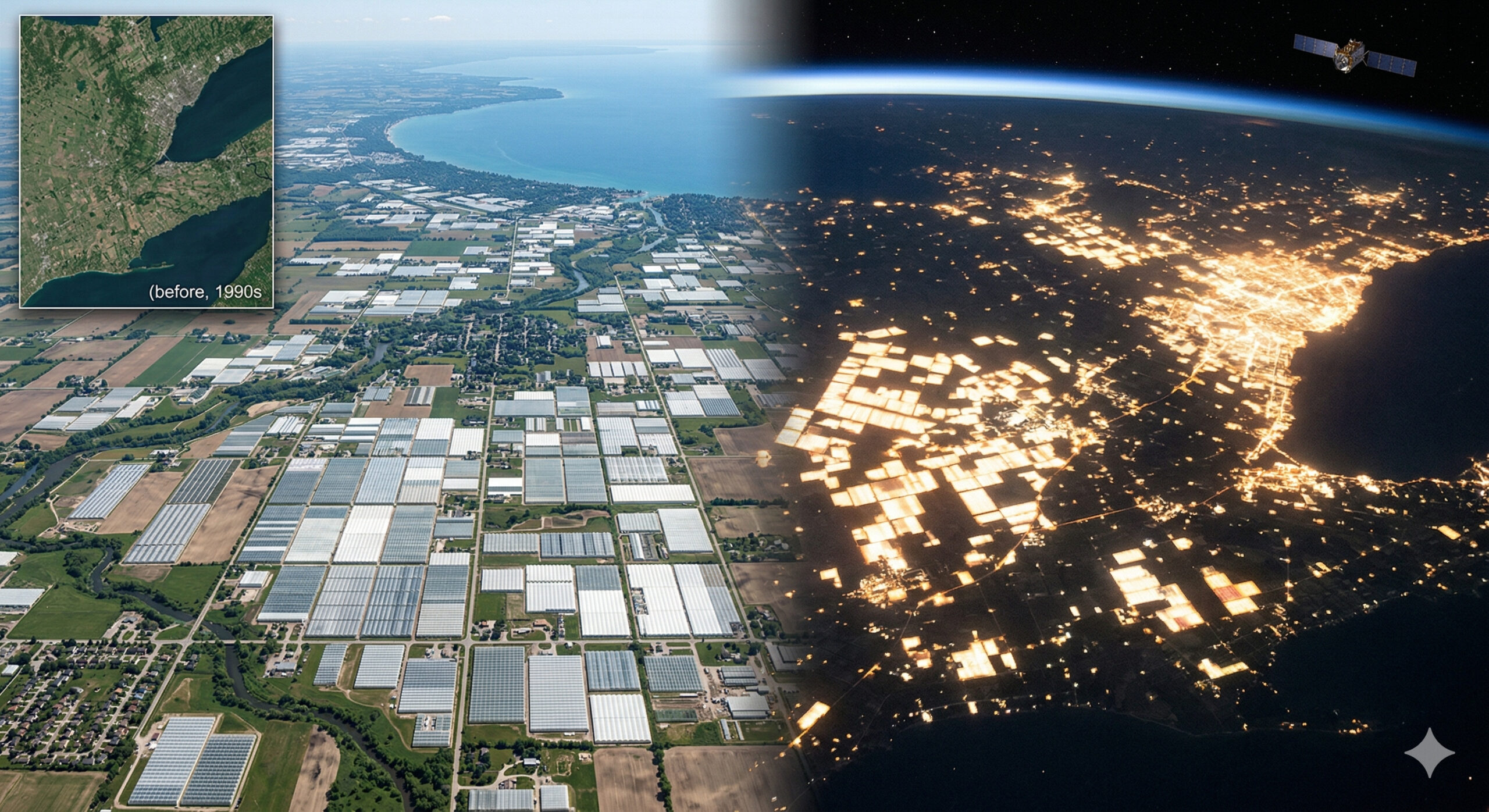
The expansion of greenhouses in southern Canada has become so intense that it has changed the appearance of the soil and even the nighttime glow of the region, transforming Ontario into one of the most visible agricultural hubs in North America from space.
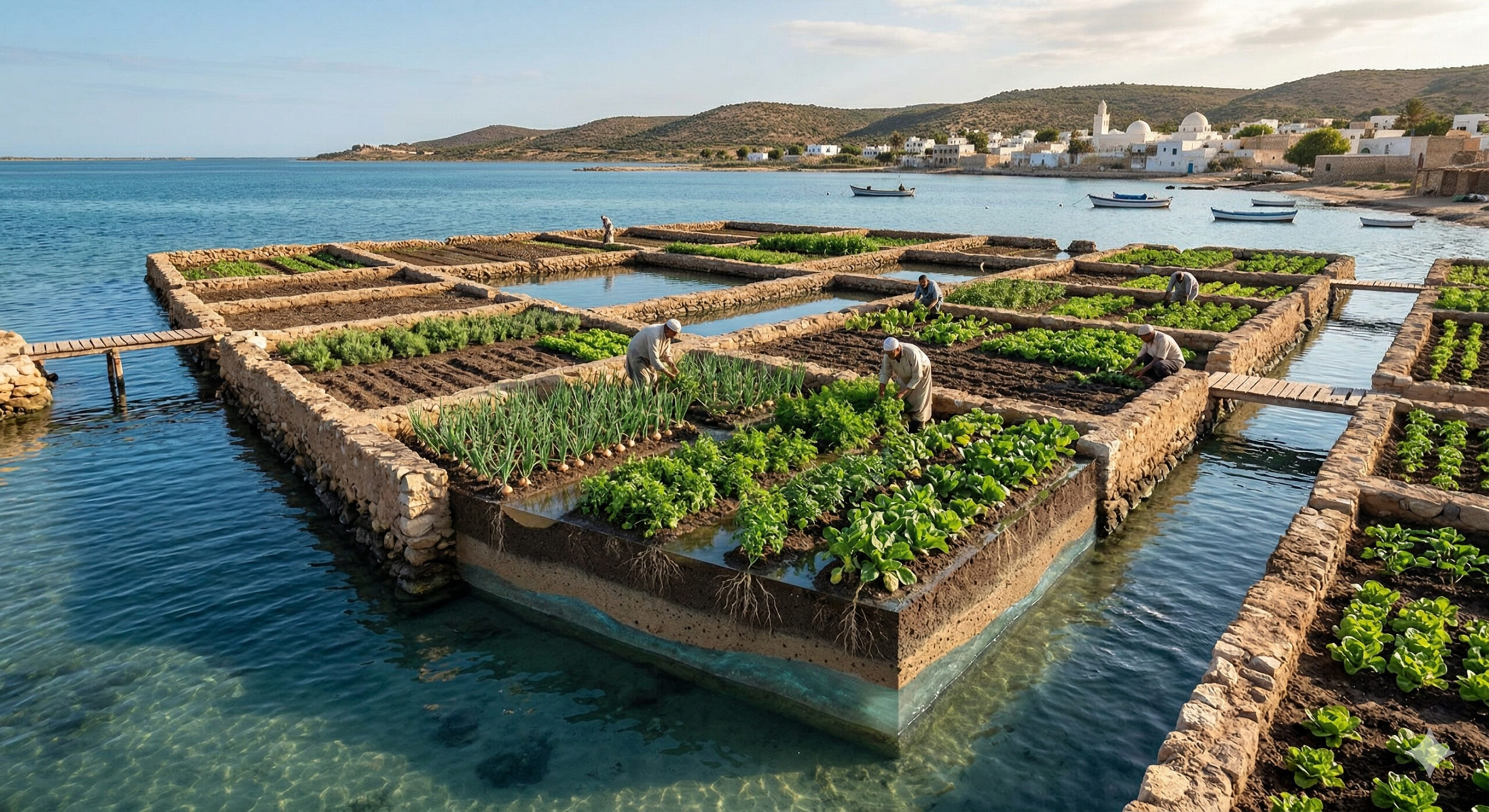
Almost nobody imagines it, but farmers in Tunisia grow food in the sand and make the roots drink fresh water that floats on top of seawater in an agricultural system considered unique in the world.
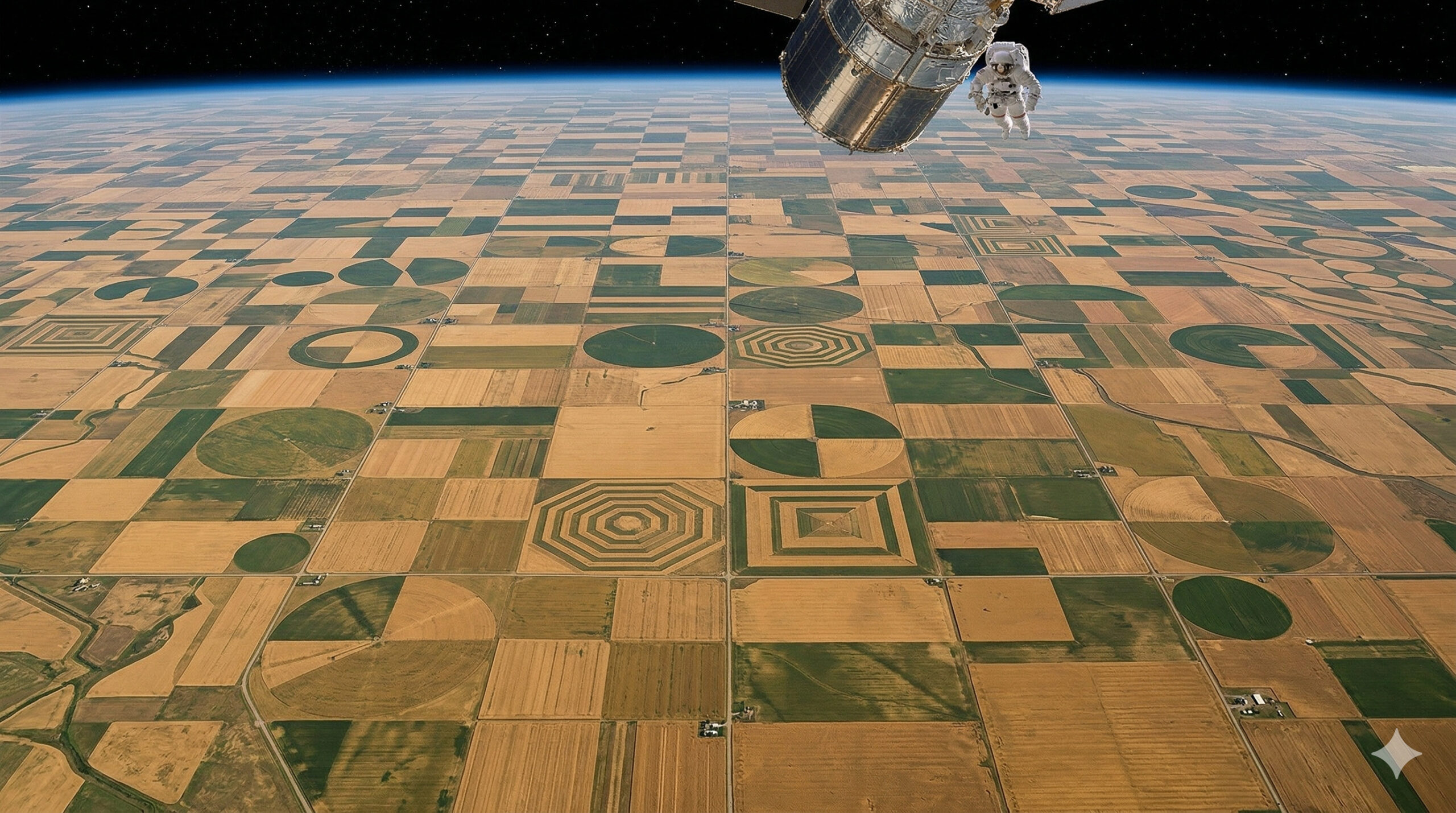
More than 20,000 km² of wheat fields form nearly perfect lines and geometric shapes in Montana, creating an agricultural pattern so symmetrical that the landscape looks like an abstract artwork visible from space.
Cearense Municipalities in Highlight
Among the main municipal producers of passion fruit in the country, five Cearense cities ranked among the 11 largest in the national ranking.
All showed remarkable and consistent performance, demonstrating productive efficiency and excellent use of natural resources.

- Tianguá, 2nd place, with 31,850 tons (R$ 138.6 million).
- Ubajara, 4th place, with 27,500 tons (R$ 116.4 million).
- Ibiapina, 7th place, with 22,968 tons (R$ 99.6 million).
- Guaraciaba do Norte, 9th place, with 19,320 tons (R$ 85.1 million).
- Viçosa do Ceará, 11th place, with 14,160 tons (R$ 60.1 million).
These results consolidate the North Zone of Ceará as one of the most productive regions in the country.
Additionally, the performance is driven by factors such as fertile soil, favorable climate, and growing use of agricultural technologies, which optimize harvests and reduce waste.
Context and Methodology
According to the IBGE, the survey of the PAM 2024, released in October 2025, gathers data on quantity produced, area planted, harvested, average yield, and production value.
The information covers the entire national territory and reflects the transformations in Brazilian agriculture.
Thus, the report reinforces the prominence of Cearense agriculture, which has been demonstrating steady growth and efficiency in tropical fruit farming.
Moreover, the official data serve as a basis for public policies aimed at regional development and fruit exports, strengthening the state’s role in the domestic and foreign markets.
Perspectives and Economic Impact
Although Bahia leads in volume, Ceará stands out as a national reference in economic value, reaffirming its strategic position in the agricultural sector.
The performance of Tianguá, Ubajara, and Ibiapina highlights the fundamental role of fruit farming in the northeastern agribusiness.
Consequently, passion fruit consolidates itself as one of the main rural economic drivers of the state, generating jobs, income, and opportunities in various regions.
Furthermore, the fruit culture boosts exports of derivatives, strengthening the trade balance of Cearense agribusiness.








Seja o primeiro a reagir!