





 Portuguese
  English
  Spanish
 4 min of reading


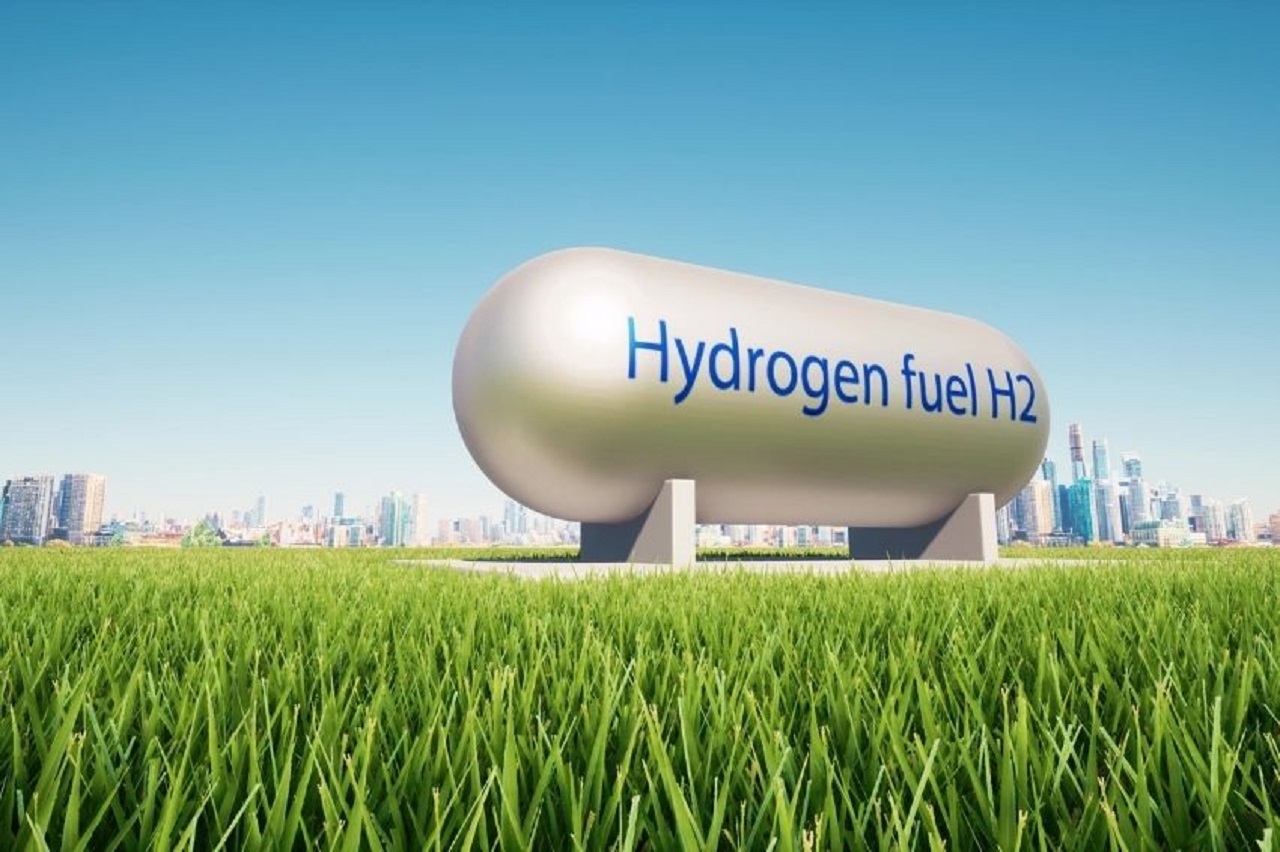
Green Hydrogen Is Gaining Momentum and Is Considered by Many to Be the ‘Fuel of the Future’. With 17 Signed Projects, the Northeast Has the Potential to Become One of the Largest Exporters in Latin America
Currently, Brazil does not produce hydrogen yet, but if the planned projects come to fruition, it is possible that the country could become a major player in the market, with a significant focus on the Northeast region. The first steps to produce the fuel of the future have already been taken, primarily by the state of Ceará, which launched the Green Hydrogen HUB project in February. This is a partnership involving the State Government and the Federation of Industries of Ceará.
Read Other Related News
Northeast State Signs 12 Contracts for Green Hydrogen Production
The Secretariat for Economic Development and Labor of Ceará has already signed 12 memorandums of understanding with companies from various countries interested in building factories to produce the fuel of the future.
Hydrogen is produced by subjecting water to an electric current. This discharge separates the hydrogen and oxygen molecules, generating the gas. If the electricity used to convert the water comes from a renewable source, such as wind or solar, there are no pollutant emissions.
-
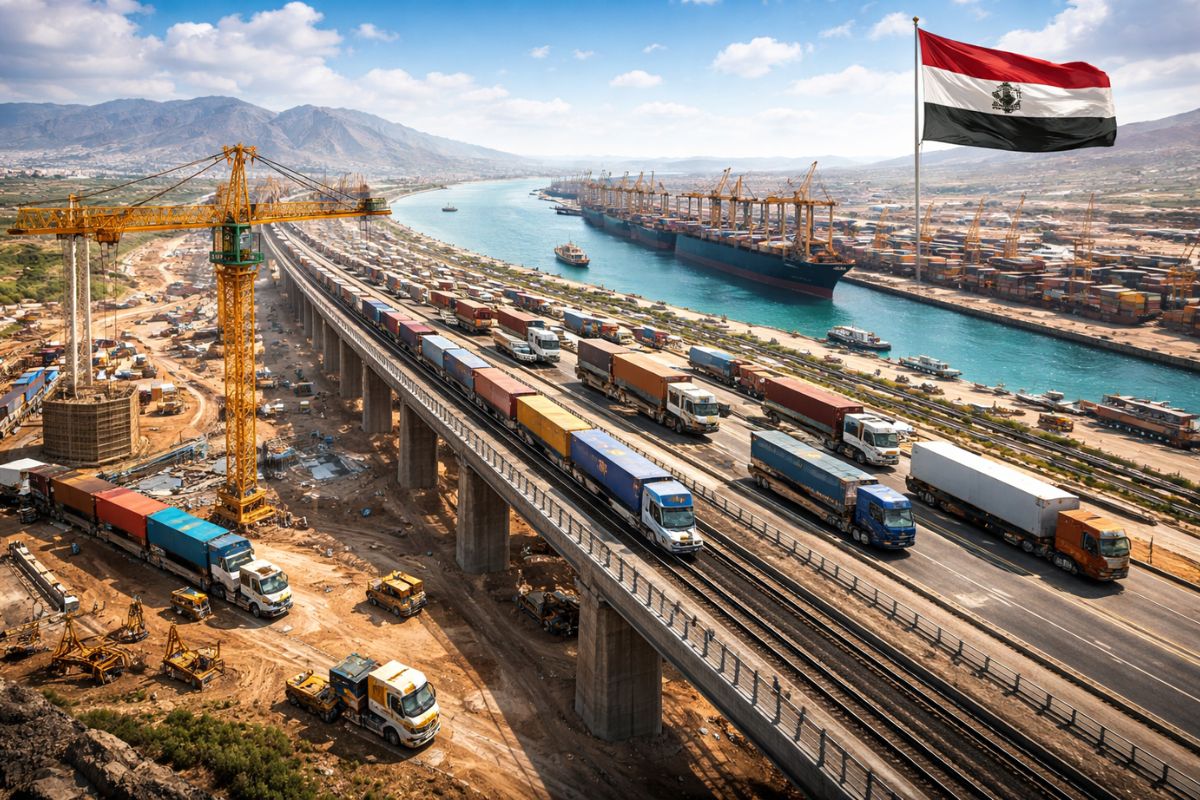
A megaproject worth R$ 89 billion is advancing in Iraq and promises to change the game in global trade by creating a new corridor between Asia and Europe, reducing traditional routes and repositioning the country as a logistics powerhouse.
-
Goodbye bedside table: floating shelves become a trend in 2026 by freeing up space in the bedroom, improving circulation, bringing visual lightness, and integrating technology without taking up floor space.

-
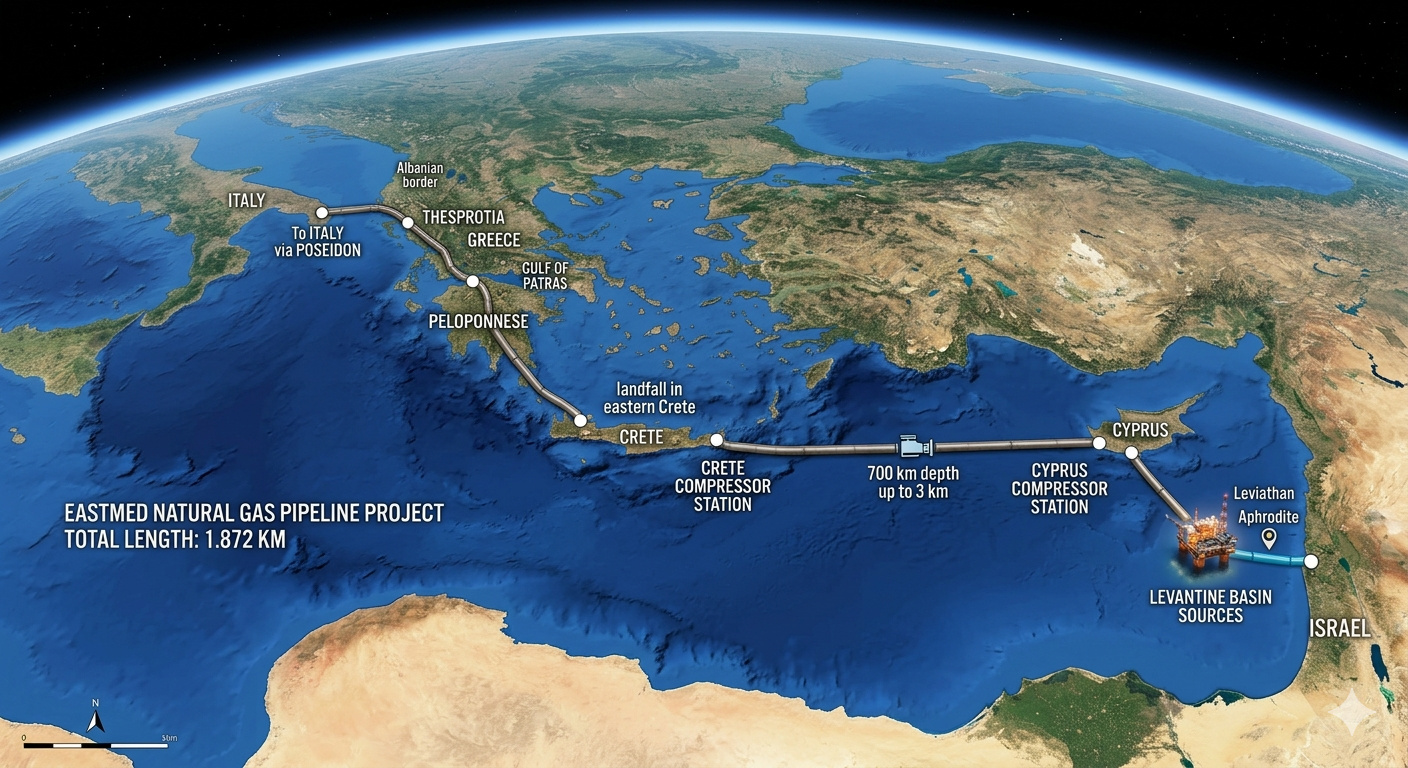
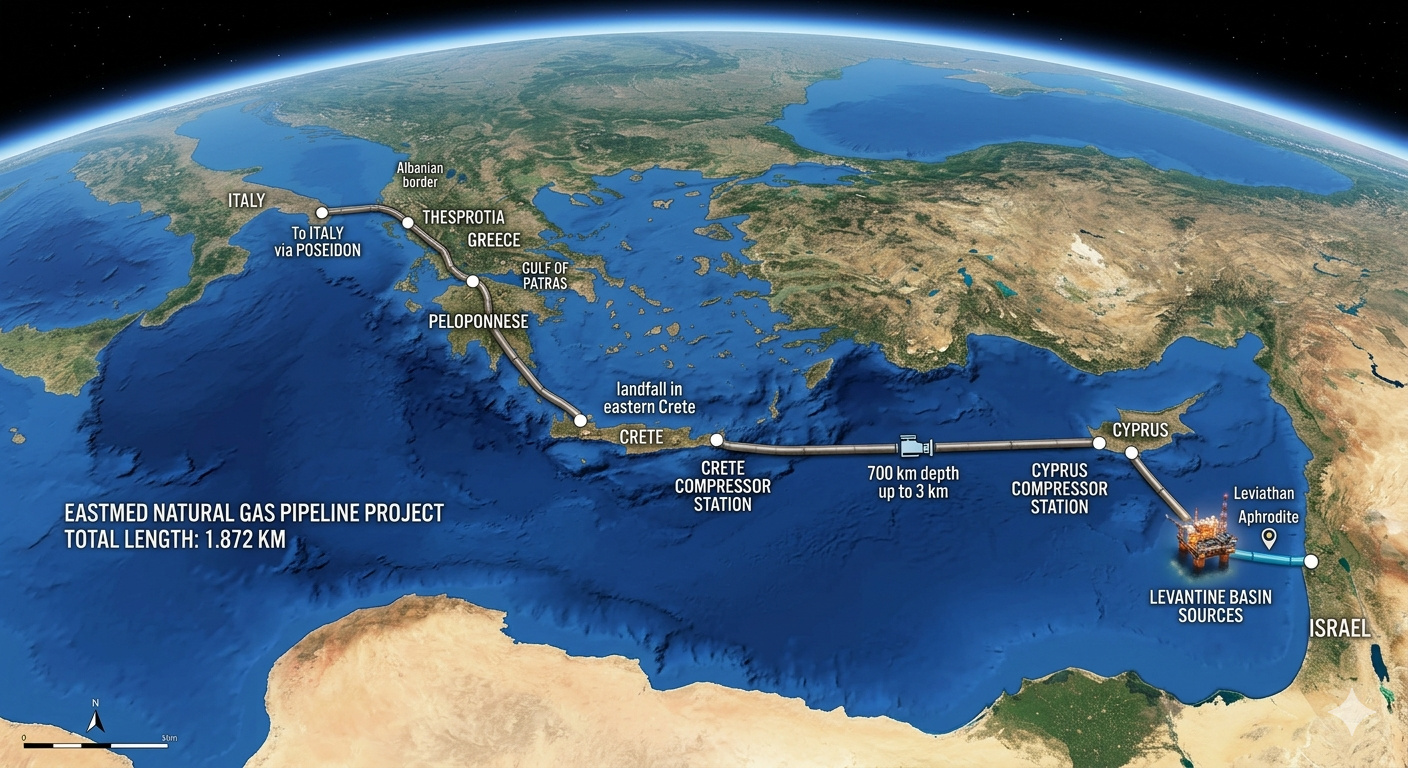
Israel, Greece, and Cyprus signed an agreement in 2020 to transport gas from the Mediterranean to Europe via a 1,872 km pipeline, but Turkey claimed sovereignty over part of the maritime route, and the project never materialized.
-
Israel, Greece, and Cyprus signed an agreement in 2020 to transport gas from the Mediterranean to Europe via a 1,872 km pipeline, but Turkey claimed sovereignty over part of the maritime route, and the project never materialized.

Among the companies that have signed the memorandums is the Australian company Enegix, which aims to invest US$ 5.4 billion in its green hydrogen plant, called Base One, which could be the largest H2V plant in the world.
The project foresees an annual production of 600 thousand tons of CO2. According to Maia Junior, Secretary of Economic Development and Labor of Ceará, in 15 to 20 years, the Northeast could have an essential role in the international green hydrogen market.
Maia Junior Highlights the Northeast’s Potential for Wind Energy Generation
Maia Junior’s statements are based on the fact that Ceará has the only active Export Processing Zone in the country. Additionally, the Brazilian Northeast has a strong incidence of constant wind, with a consistent speed that does not change much in direction.
Another factor that also contributes to the fuel of the future HUB in Ceará is the Port of Rotterdam, the largest maritime terminal in Europe, which owns 30% of the Port of Pecém.
Since the Dutch are also creating a project similar to that of Ceará, the corporate link would facilitate the export of hydrogen generated in Ceará to Europe.
UFC Forms Partnership for Green Hydrogen Project
According to Maia Junior, the Northeast state is still attracting investors, and for the projects to come to life, innovation is essential. This is where the Federal University of Ceará comes in, as it has been creating partnerships with companies that wish to be part of the fuel of the future HUB, seeking technological development and workforce training.
In September, the university signed an agreement with MingYang Smart Energy, a manufacturer of equipment for sustainable energy generation, such as photovoltaic panels and wind turbines.
The agreement between the two entities also provides for the exchange between UFC students and professors and technicians from the Chinese company, generating a joint research program, as well as an offshore pilot project in Pecém.
RN Signs Agreement That Foresees the Generation of 5,000 Jobs in the Renewable Market
The Government of Rio Grande do Norte also signed an MOU in September with the local company IER (International Renewable Energies) to develop a project that will combine offshore wind energy with solar and green hydrogen.
According to Governor Fátima Bezerra, the goal of the program is to boost these energy sources in the state, which could also become the first in Brazil to have offshore wind production. For the construction of the enterprise, located between the municipalities of Pedra Grande and São Bento do Norte, R$ 18 billion will be invested, generating around 5,000 jobs.
Bahia, PE, and PI Bet on the Fuel of the Future
The Governor of Bahia, Rui Costa, announced in November that the state will begin producing energy from green hydrogen in January 2023. The plant will be installed in Camaçari by the Unigel group.
According to Costa, the world is seeking to consume more and more energy from clean sources, and Bahia is working to stand out in this segment. He further highlighted that “energy attracts investment.”
In Piauí, Casa dos Ventos and Nexway will implement a pilot project for an ammonia plant to produce H2V in the ZPE (Export Processing Zone) of Parnaíba, which will be used as vehicle fuel. The companies estimate the generation of 250 kilowatts of hydrogen to power 2 buses in Piauí.
In Pernambuco, Neoenergia and the Government of Pernambuco signed an MOU in June 2021 to establish cooperation for the development of a pilot project for H2V production at the Port of Suape.







Seja o primeiro a reagir!