





 Portuguese
  English
  Spanish
 5 min of reading
  0 comments


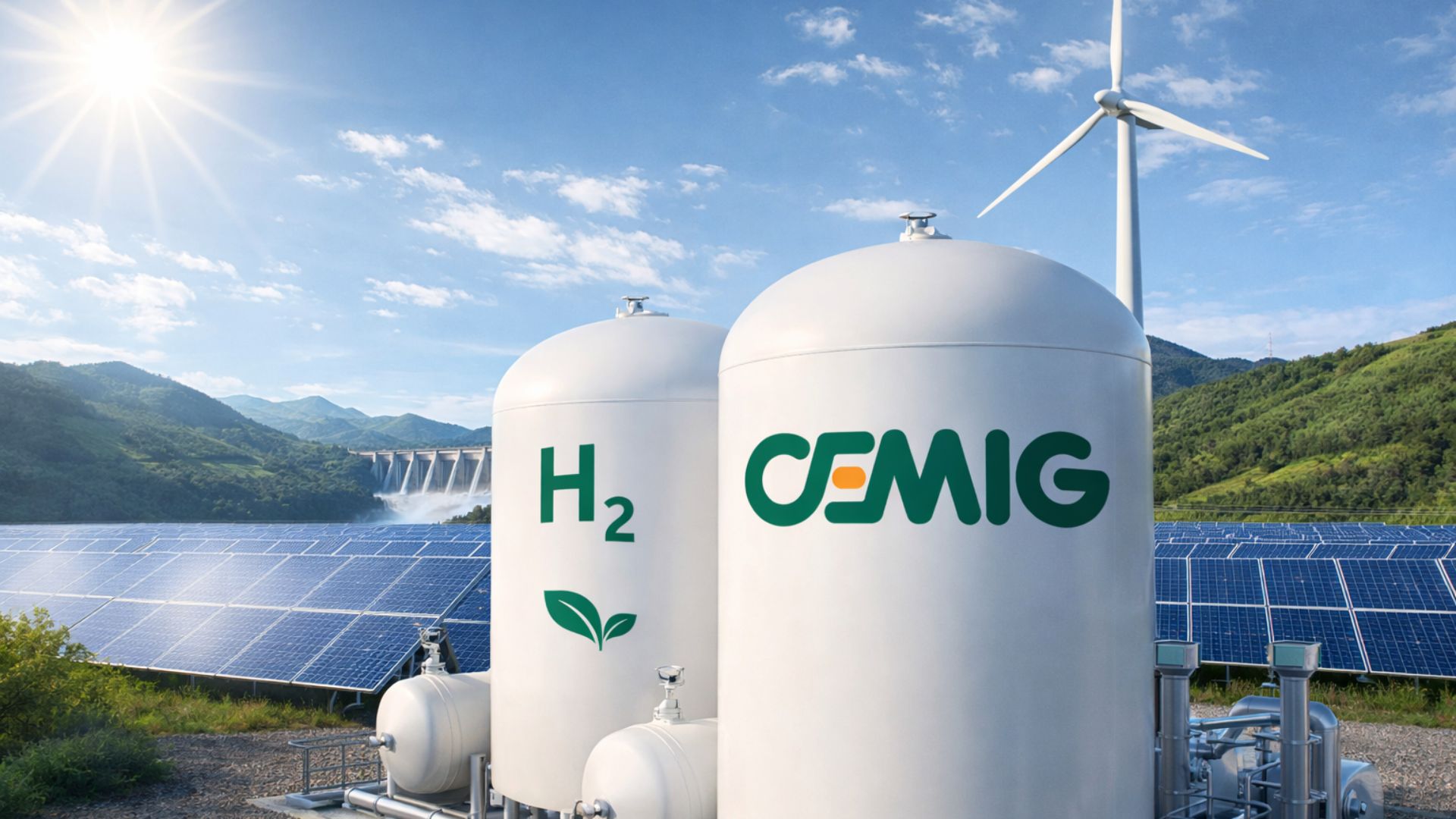
Check Out How Cemig Structured a Strategic Project to Boost Green Hydrogen in Minas Gerais, Strengthening the Energy Transition and Attracting Sustainable Investments.
In December 2025, Cemig completed a strategic project that lays the foundation to transform Minas Gerais into a leading hub for production, consumption, and investment in green hydrogen, positioning the state as a national and international reference in the energy transition. According to a report published by Agência Minas on Tuesday (30), the initiative was structured from a roadmap integrated into the company’s Institutional Development Plan (PDI) and brings together technical, regulatory, and institutional actions aimed at consolidating a low-carbon economy.
Cemig Project Strengthens Green Hydrogen in Minas Gerais
The completion of Cemig’s project may mark a milestone in Brazil’s energy transition. Right at the beginning, the study presents the most relevant information: the potential of the Minas Gerais territory, interconnections between strategic sectors, and the ability to transform clean energy into sustainable economic development.
Throughout the roadmap, Cemig positions itself as a protagonist and facilitator of an ecosystem that connects businesses, universities, and government in Minas Gerais. The roadmap identifies real opportunities for the development of the new energy chain, considering existing infrastructure, renewable potential, and the future demand of the industry.
-
A Canadian retiree creates a hydroelectric system on a real river, generating energy continuously throughout the day and demonstrating how the power of water can supply a house with stability even in a simple structure.

-
Petrobras reaffirms its commitment to the market and ensures that it will carry out the energy transition safely to maintain national sovereignty.

-
Researchers discover a possible hydrogen deposit of up to 46 million tons beneath an ancient coal basin, and the volume could exceed half of the entire global production.

-
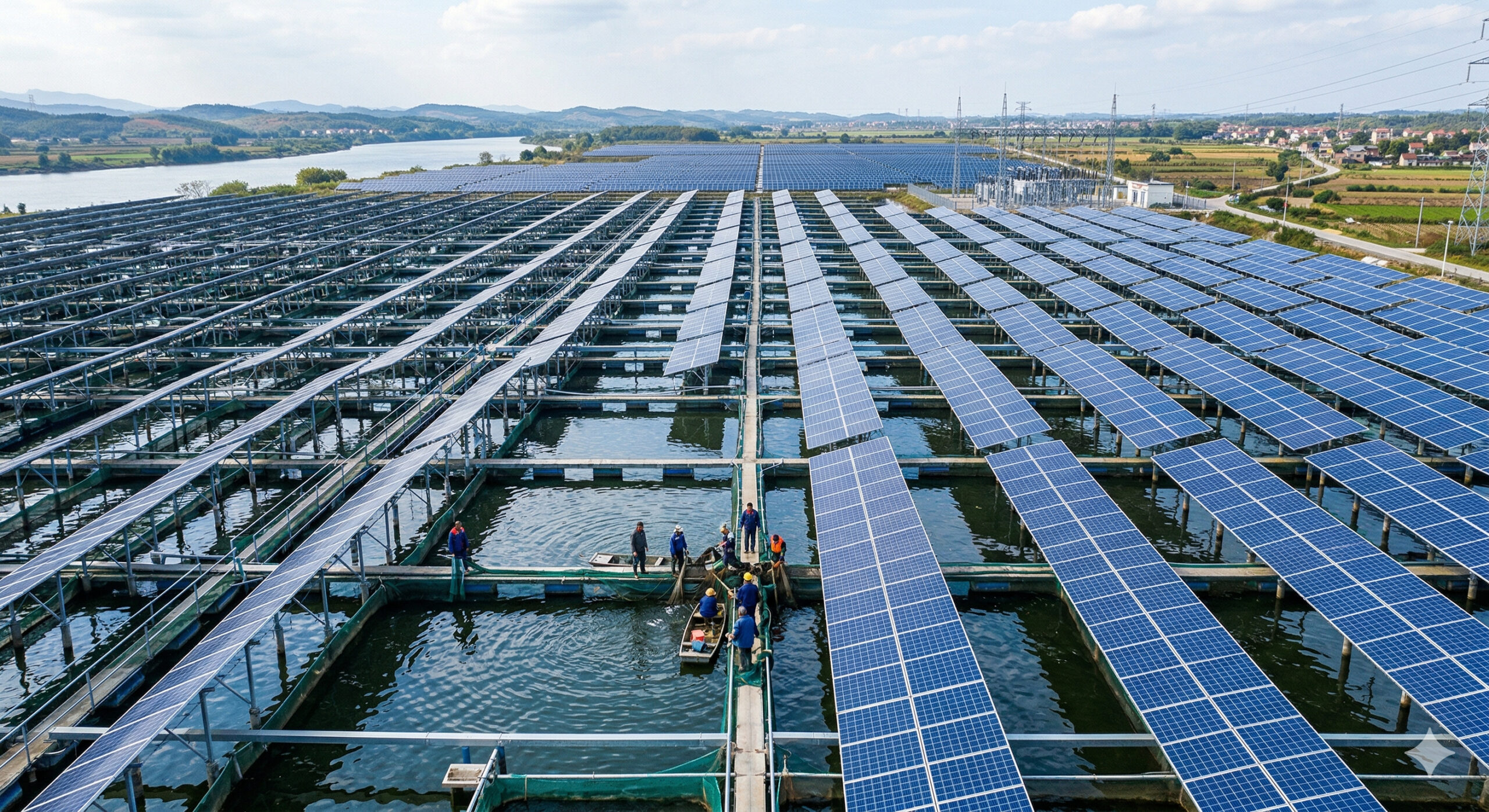
China bets on the Fishery-PV model and transforms fish farms into giant solar plants, covering ponds with panels that generate energy while utilizing the same space for large-scale aquaculture production.

This represents a strategic advance for the electric sector and for the Minas Gerais economy. Hydrogen produced from renewable sources is recognized worldwide as an essential solution to reduce greenhouse gas emissions, especially in industrial and transportation sectors that face limitations for direct electrification.
By incorporating the topic into its institutional planning, Cemig reinforces its alignment with the best international sustainability practices and creates the necessary conditions to position Minas Gerais as an attractive territory for investments in green hydrogen.
Green Hydrogen as a Pillar of the Global Energy Transition
Green hydrogen is produced through the electrolysis of water, using electricity from renewable sources, such as solar and hydropower. This process eliminates carbon emissions in production, unlike other technological routes based on fossil fuels.
For this reason, green hydrogen is considered one of the pillars of the global energy transition. Countries in Europe, Asia, and the Americas have heavily invested in this alternative to meet climate goals and reduce the carbon intensity of their economies. In Brazil, the progress of this agenda depends on the integration of renewable generation, technological innovation, and strategic planning.
The project by Cemig recognizes this scenario and points out ways for Minas Gerais to take advantage of its competitive advantages, consistently entering the global market for green hydrogen.
Competitive Advantages of Minas Gerais for Green Hydrogen
Minas Gerais brings together favorable technical and natural conditions for large-scale green hydrogen production. The state has a predominantly clean energy matrix, with strong participation from hydroelectric plants and rapid growth in distributed and centralized solar generation.
The project developed by Cemig maps these advantages and demonstrates how they can be transformed into economic and environmental opportunities. The availability of renewable energy reduces production costs, increases competitiveness, and attracts investors interested in projects aligned with decarbonization.
The combination of natural resources, energy infrastructure, and technical capacity is a strategic differential. In this context, Minas Gerais stands out as one of the most prepared states to lead the development of green hydrogen in Brazil.
Cemig and the Articulation Role of the Project in Minas Gerais
According to Denis Mollica, Director of Innovation and Sustainability at Cemig, the company positions itself as a facilitator of this movement, connecting businesses, universities, and government around a common goal. The project reinforces Cemig’s leadership in the energy transition and expands its operations beyond energy generation and distribution.
Institutional articulation is essential to accelerate innovation. The company maintains selected projects in partnership with the National Service of Industrial Training (Senai) and has signed a technical cooperation agreement with the Green Hydrogen Center of the Federal University of Itajubá (Unifei).
These initiatives strengthen the scientific and technological base necessary for the advancement of green hydrogen, while also stimulating the formation of qualified labor in Minas Gerais.
Emissions Reduction and Sustainable Commitment of Cemig
The completion of the project aimed at green hydrogen reinforces Cemig’s historic commitment to sustainability and the decarbonization of the economy. The company views the energy transition as an ongoing process based on innovation, cooperation, and environmental responsibility.
Sustainability is a permanent commitment of Cemig. The company is the only one in the electric sector in the Americas to be part of the Dow Jones Sustainability Index (DJSI World) for over two decades, demonstrating consistency in environmental, social, and governance practices.
Furthermore, Cemig is included in the Carbon Clean 200 list, which brings together publicly traded companies leading in solutions for the energy transition, and has joined the UN’s Net Zero Ambition Movement, committing to eliminate its net carbon emissions by 2040.
Economic Impacts of the Green Hydrogen Project in Minas Gerais
The advancement of green hydrogen is not limited to environmental benefits. The project by Cemig highlights significant economic impacts for Minas Gerais, such as attracting investments, creating qualified jobs, and strengthening the local industry.
The energy transition is also an opportunity for economic development. The creation of a new productive chain stimulates innovation, enhances industrial competitiveness, and contributes to the sustainable growth of the state.
In addition, positioning Minas Gerais as a hub for green hydrogen can boost exports and attract companies interested in reducing their carbon footprint, meeting the demands of increasingly rigorous international markets.
Future Perspectives for Green Hydrogen and the Cemig Project
The project completed by Cemig establishes clear guidelines for the advancement of green hydrogen in Minas Gerais. Although regulatory and technological challenges still exist, the roadmap offers a structured and realistic vision for collaboratively overcoming these obstacles.
The future of green hydrogen in Brazil depends on strategic planning and institutional integration. Cemig’s experience demonstrates that aligning corporate strategy, public policies, and scientific knowledge is essential to transform potential into concrete results.
As the global market progresses, initiatives like this strengthen Minas Gerais’s position in the international climate agenda and expand Brazil’s role in the energy transition.







-

Uma pessoa reagiu a isso.