





 English
  Francês
  Alemão
  Italiano
  Japonês
  Norueguês
  Portuguese
  Spanish
  3 min of reading


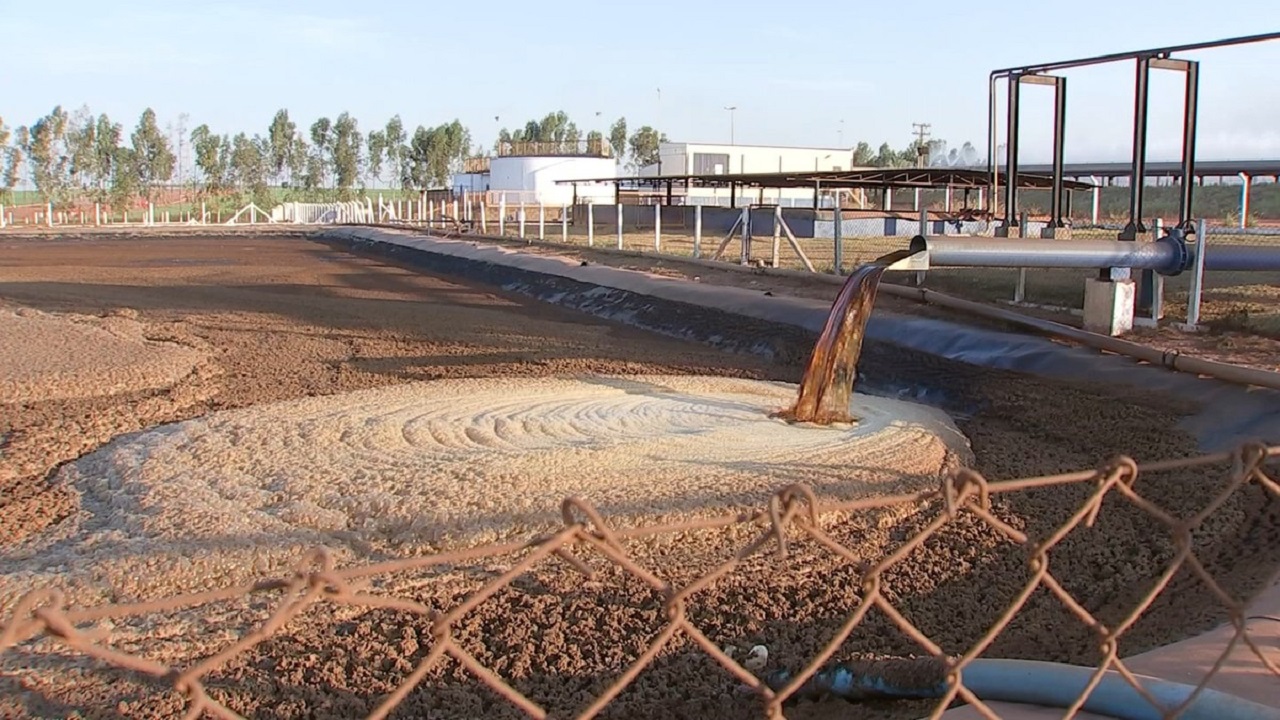
With Shell and Fapesp Investments Applied Through the RCGI Research Center in São Paulo, Green Hydrogen Production Based on Ethanol Will Be Viable and Advantageous for Sugarcane Industries
The Research Center for Innovation in Greenhouse Gas Emissions (RCGI), funded by Shell and the São Paulo Research Foundation (Fapesp), aims to produce green hydrogen based on sugarcane vinasse, which is a highly polluting effluent generated during ethanol production. It is estimated that for every 1L of ethanol, about 10L of sugarcane vinasse are produced. The initial idea is to connect the sugarcane industry to the new hydrogen market that has been forming lately, gaining many enthusiasts, including the proposal to produce green hydrogen from the byproducts of ethanol production.
Read Also
Green Hydrogen From Sugarcane Vinasse
Green hydrogen (H2V) can be obtained through biomass reforming or via electrolysis using renewable energies. In this first phase, investments to produce green hydrogen in Brazil – specifically in Ceará – will focus on obtaining it through electrolysis.
-
Historic bankruptcy of Centauro shocks the market, and the century-old company puts more than 500,000 products, machines, and complete infrastructure up for online auction.

-
Abandoned house for 15 years disappears in the woods, shocks owner with unrecognizable scenery and is reborn in an intense transformation after almost 90 hours of work in just 10 days.

-
In just three hours, a natural stone floor transforms the entrance of the house with an organic effect, immediate drainage, and a sophisticated non-slip finish that doesn’t puddle water, dries quickly, and impresses with the final result.
-
‘Interlocking brick’ made of earth arrives in the construction industry with cost reductions of up to 40% on the project.

The proposal to move in this direction was made by Professor Thiago Lopes, who currently leads the new Fuel Cells Laboratory, part of the RCGI, funded by Shell and Fapesp. According to Professor Lopes, it is possible to develop an electrolytic reactor that can process all the vinasse and that can soon be integrated into Brazil’s sugarcane industry.
Vinasse is composed of 95% water, and the professor’s idea is that, through the reactor, water molecules can be broken down to generate oxygen and green hydrogen. Lopes believes that green hydrogen could be very useful in the production of ammonia, which is part of fertilizer compositions.
Advantages of Opting for the Electrolysis Process
A major advantage of performing the electrolysis of vinasse is the reduction of its volume, which is enormous and complicated for storage and transport. However, according to Professor Lopes, if the vinasse is highly concentrated, it will take up less space and therefore face fewer transport difficulties, which is usually carried out by diesel vehicles, adding more CO2 to the ethanol sold in Brazil.
The professor also emphasized that concentrated vinasse will help reduce the need for synthetic fertilizers in plantations, as well as prevent river pollution. With green hydrogen, it is also possible to fuel vehicles powered by fuel cells.
The country’s automotive industry has been discussing for some time that ethanol fuel cells are a great option for Brazil. Lopes estimates that, possibly by 2040, there will be a boom in Brazil’s production of vehicles that can be fueled with green hydrogen.
Shell and Fapesp Investment Will Result in Great and Positive Outcomes for the Future of the Brazilian Industry
With all the investment from Shell and Fapesp through RCGI, green hydrogen will become a reality in the country. In terms of vehicle fueling, fleets of buses and trucks will greatly benefit, as they have fuel cell engines that are lighter than battery electric car engines, especially those vehicles that travel approximately 450 km daily, according to Lopes.
In concluding his analysis, the professor reported that currently, this hydrogen is obtained from natural gas, generating CO2 footprints; therefore, it is of utmost importance to discover the best ways to produce green hydrogen, pointing out electrolysis as the best means so far.







Seja o primeiro a reagir!