





 Portuguese
  English
  Spanish
  3 min of reading
  0 comments


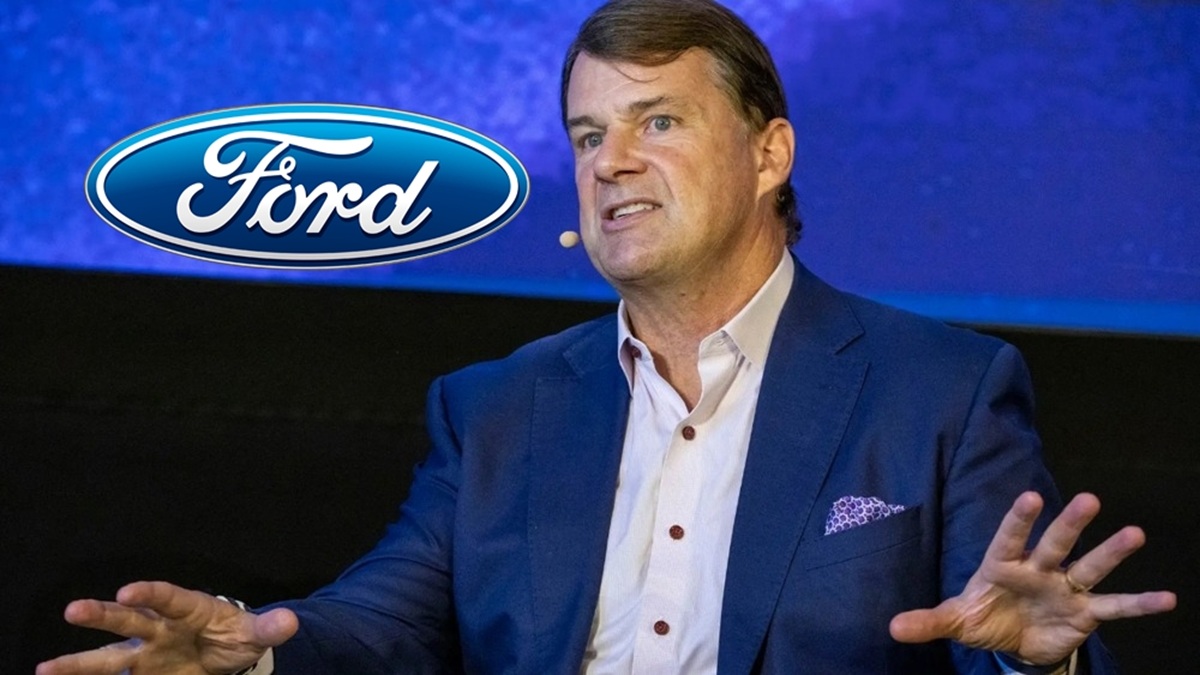
Pressed By Strict Climate Goals, Sales Below Expectations, And Aggressive Chinese Competition, The European Automotive Industry Faces The Risk Of De-Industrialization, Factory Closures, And Structural Job Losses, According To Warning From Ford CEO
Ford CEO Jim Farley stated in 2024 that Europe urgently needs a overhaul and a long-term industrial plan, in light of strict climate goals, weak demand for electric vehicles, Chinese competition, and the growing risk of structural job losses.
Regulatory Pressures And Market Below Expectations
The European automotive industry is experiencing a period of uncertainty, marked by increasingly demanding climate goals and a market growing more slowly than anticipated, according to Jim Farley’s assessment in an article published in the Financial Times.
The European Commission is preparing a new review of emissions policies, responsible for accelerating the transition to electric vehicles in recent years, but the regulatory progress has not been accompanied by a corresponding sales pace in the European market.
-
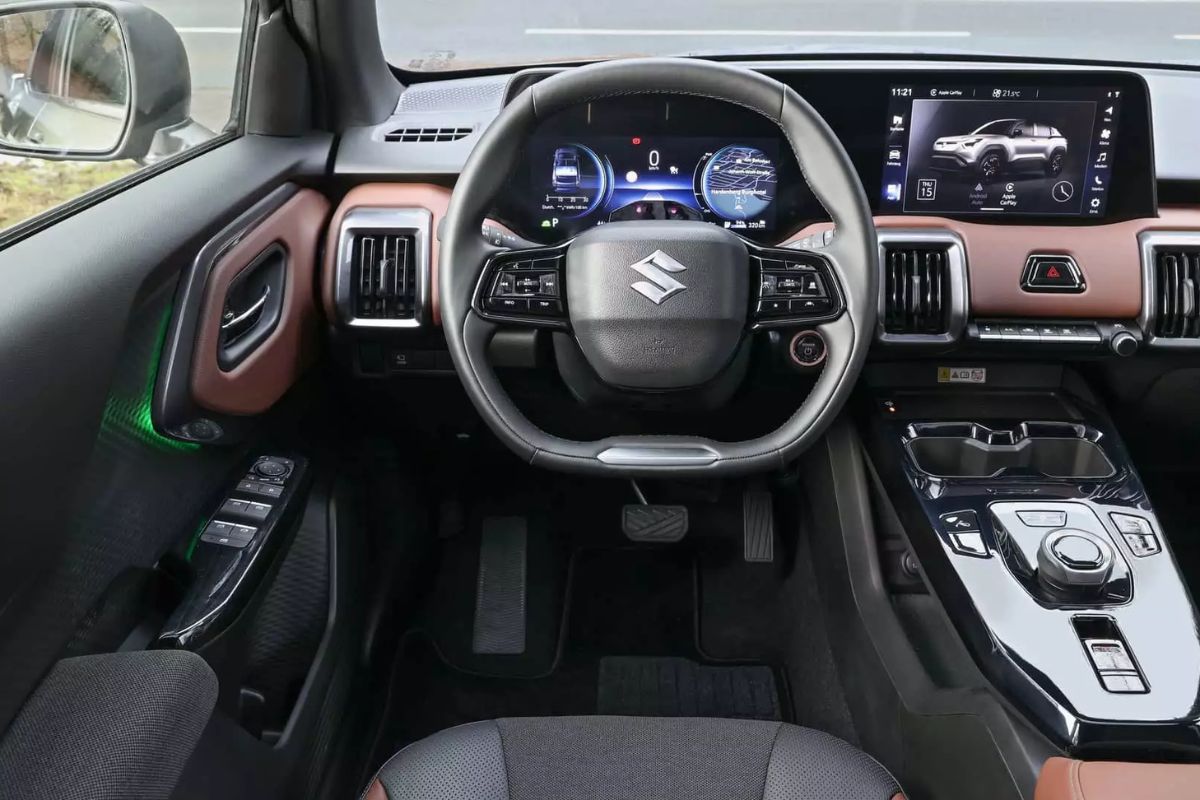
The 2026 electric Vitara arrives in Brazil and proves that Suzuki is not leaving: 4×4 traction, 184 hp, 61 kWh LFP battery, 293 km range, R$ 259,000, and a trunk capacity of 224 L.
-
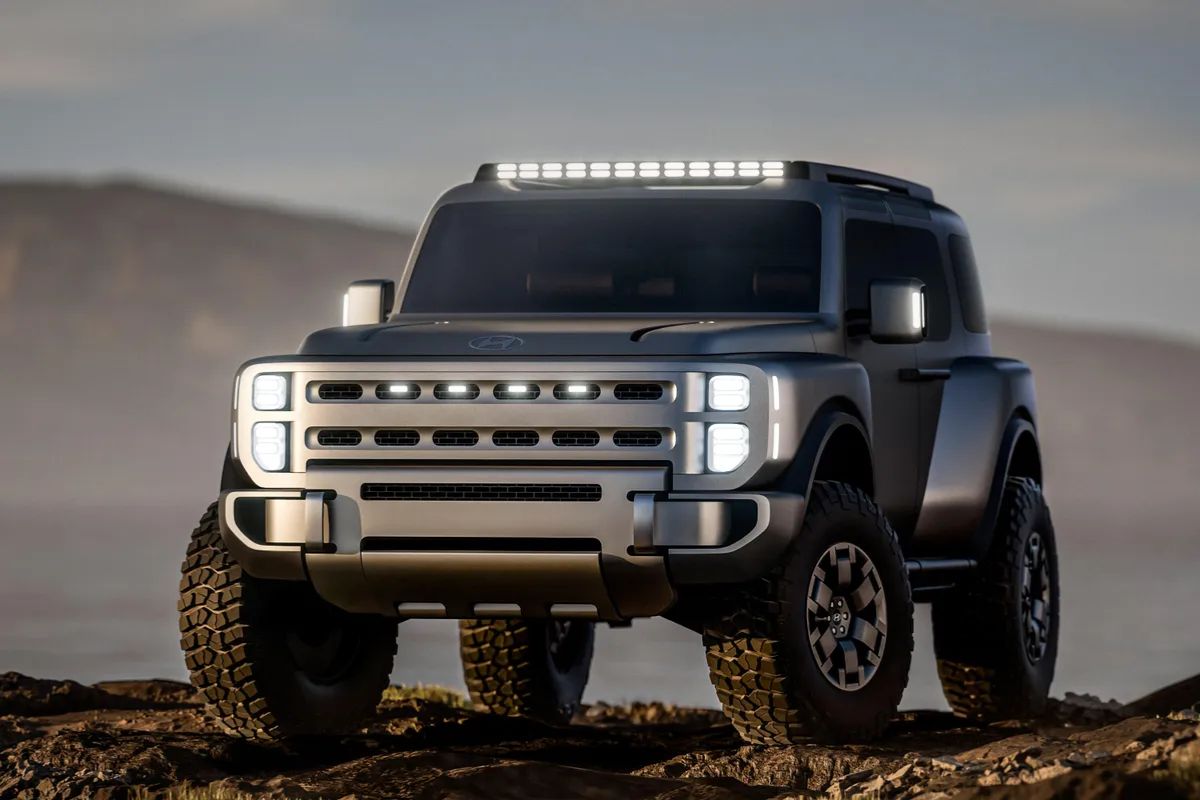
Hyundai has unveiled the Boulder, a square SUV with a body-on-frame design, 37-inch mud tires, and carriage-style doors that seems to be made to take on the Ford Bronco and the Scout Traveller in the United States.
-
The Toyota Hilux is R$ 75.5 thousand cheaper and bets on the 2.8 turbodiesel engine with up to 204 hp and 50.9 kgfm to catch up with the VW Saveiro, which leads with 4,472 sales.

-
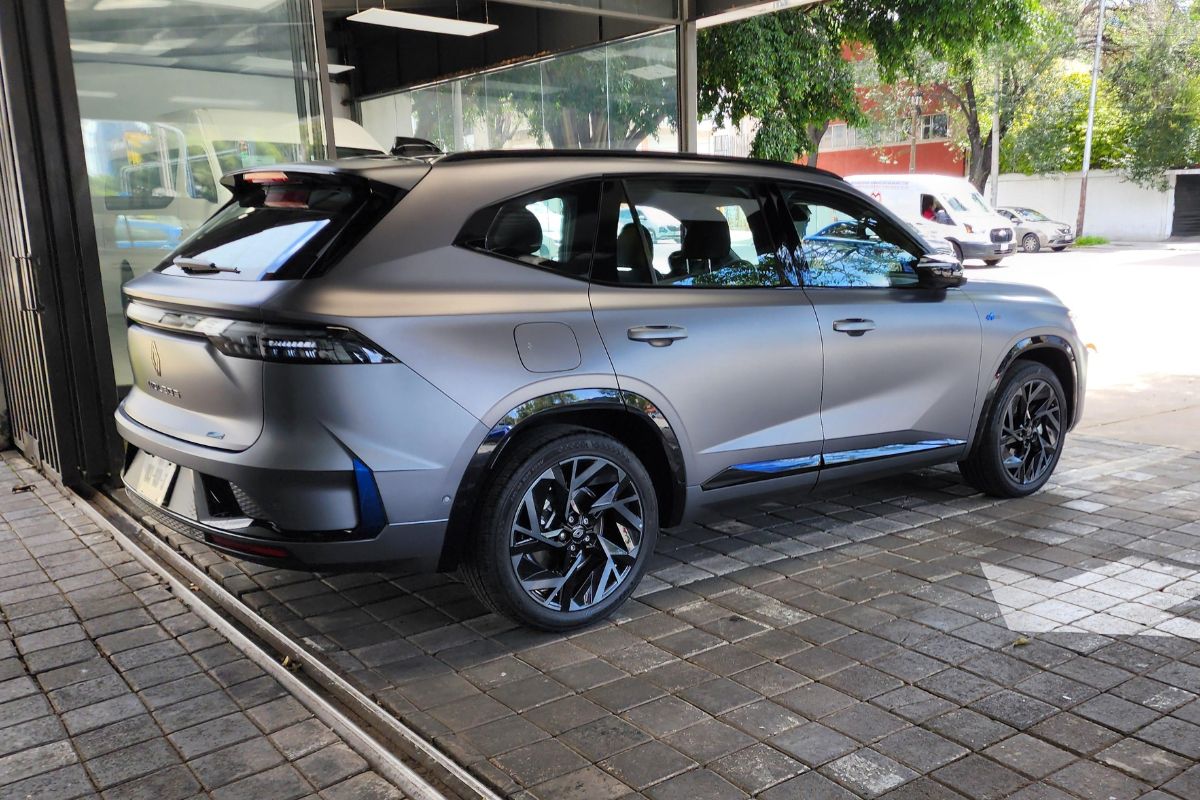
The new Renault Koleos has a screen exclusively for the passenger that is invisible to the driver, heated rear seats, and 29 assistance systems, but its Chinese competitors cost R$ 40,000 less and deliver more power.

According to Farley, the penetration of electric vehicles in the European Union remains below the necessary level to meet the targets set for the middle of the decade, creating a mismatch between regulation, industrial supply, and effective demand.
Furthermore, regulatory complexity is growing unevenly among countries, with governments combining incentives for electric vehicle purchases and, simultaneously, new taxes on these vehicles, generating contradictory signals for consumers and manufacturers.
Instability For Consumers And Investments
For consumers, this combination of incentives and burdens creates confusion and complicates purchasing decisions, while for the industry it causes instability, affecting planning for multimillion-dollar investments in engineering, production, and supply chains, as described by Farley.
The lack of regulatory predictability undermines long-term strategies, essential in a capital-intensive sector, where industrial decisions need to be made years in advance and with a high degree of regulatory certainty.
Chinese Advancement And Pressure On Local Manufacturers
While Europe adjusts its policies, Chinese manufacturers are rapidly expanding their presence in the European market, supported by large production capacity and strong state backing, according to the CEO of Ford in the Financial Times.
Chinese electric models are entering the continent at highly competitive prices, particularly pressuring the entry segments and reducing the market share of traditional European manufacturers.
The risk, according to Farley, is not limited to the commercial aspect, as the loss of market share accelerates factory closures and job cuts, amplifying already noticeable social impacts in the European automotive sector.
In recent years, vehicle production in the European Union has dropped by several million units from pre-pandemic levels, and the sector has seen tens of thousands of layoffs, highlighting the current fragility of the industrial chain.
Call For Regulatory Redefinition
Manufacturers are advocating for a redefinition of the regulatory framework, without appeals to protectionism, but with a focus on regulatory stability for the next decade, allowing for more predictable and consistent investment planning.
They propose a gradual transition that combines electric and hybrid vehicles, avoiding imposing an abrupt change on consumers that many still consider unviable due to price, range, or insufficient charging infrastructure.
There is also mention of the need for incentives aligned with climate goals and a more balanced distribution of charging points, especially outside major urban centers, where adoption faces greater hurdles.
In segments like vans and commercial vehicles, crucial for SMEs and self-employed workers, current requirements are considered particularly difficult to meet, exacerbating economic pressure on these activities.
European Strategic Dilemma
After more than a century as an economic and social pillar, the European automotive industry faces, according to Farley, the risk that the energy transition will result in accelerated de-industrialization if political signals are not adjusted.
Europe, concludes Ford’s CEO, needs to choose between redefining its roadmap by reconciling climate ambition and economic realism or accepting the loss of industrial prominence, becoming a receiving market for imports instead of a global hub for innovation, warns the executive.










-

-

3 pessoas reagiram a isso.