






 Portuguese
  Spanish
  3 min of reading
  0 comments


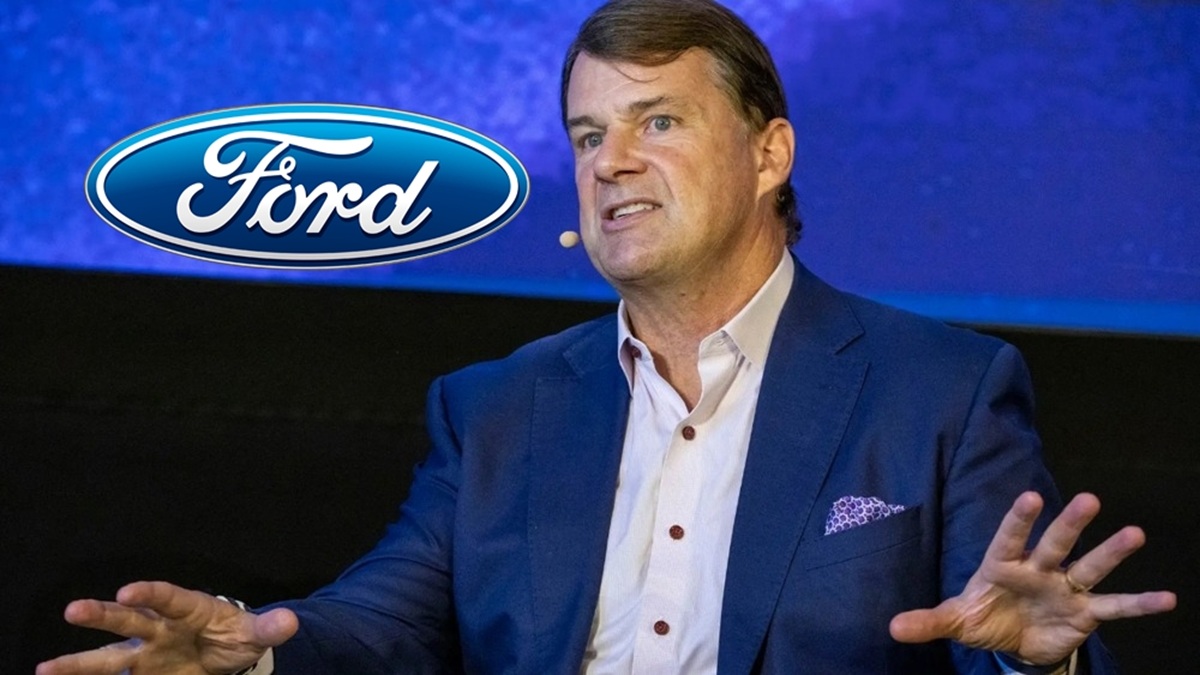
Pressed By Strict Climate Goals, Sales Below Expectations, And Aggressive Chinese Competition, The European Automotive Industry Faces The Risk Of De-Industrialization, Factory Closures, And Structural Job Losses, According To Warning From Ford CEO
Ford CEO Jim Farley stated in 2024 that Europe urgently needs a overhaul and a long-term industrial plan, in light of strict climate goals, weak demand for electric vehicles, Chinese competition, and the growing risk of structural job losses.
Regulatory Pressures And Market Below Expectations
The European automotive industry is experiencing a period of uncertainty, marked by increasingly demanding climate goals and a market growing more slowly than anticipated, according to Jim Farley’s assessment in an article published in the Financial Times.
The European Commission is preparing a new review of emissions policies, responsible for accelerating the transition to electric vehicles in recent years, but the regulatory progress has not been accompanied by a corresponding sales pace in the European market.
-
New Honda HooRide 125 scooter debuts in China with ADV styling, 17-inch wheels, TFT panel, Smart Key, and fuel consumption of up to 47.17 km/l, aiming to resemble an urban X-ADV with a 125 engine, CVT transmission, and an economical proposal for cities.

-
Volkswagen focuses on ethanol and tests a Saveiro 100% alcohol-powered with a recalibrated engine; the project may ensure tax reduction, targets corporate fleets, and revives technology that lost ground since the arrival of flex-fuel vehicles in 2003.

-
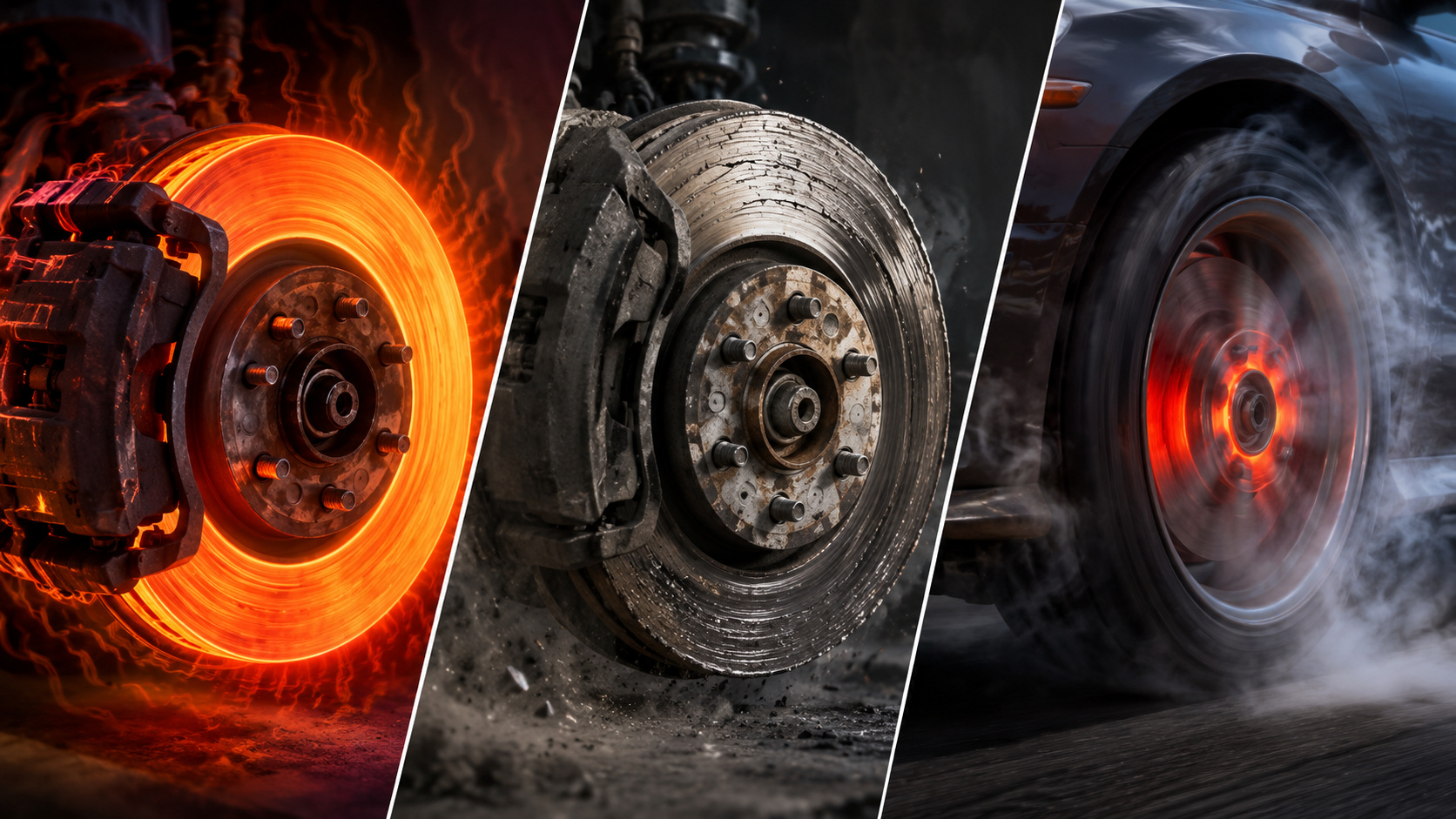
Keeping your foot lightly on the brake pedal while driving may seem harmless, but mechanics warn: this habit generates constant heat, wears out the pads too quickly, and can warp the discs, making braking expensive and dangerous.

-
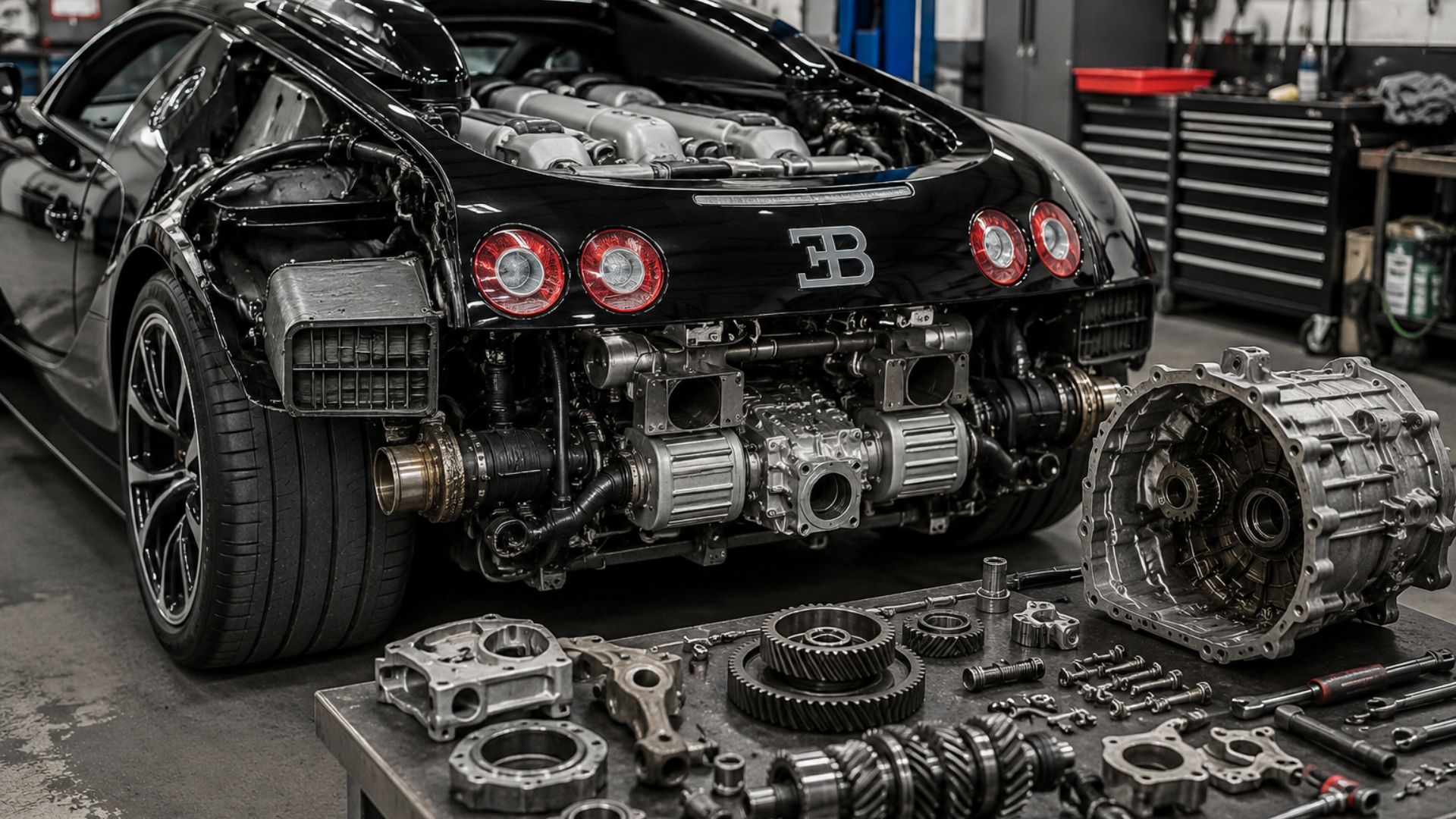
The YouTuber Mark McCann bought a Bugatti Veyron for almost $1.2 million, but discovered that the supercar’s gearbox is so damaged that even Bugatti itself won’t accept to repair it, and the repair could cost a fortune.


According to Farley, the penetration of electric vehicles in the European Union remains below the necessary level to meet the targets set for the middle of the decade, creating a mismatch between regulation, industrial supply, and effective demand.
Furthermore, regulatory complexity is growing unevenly among countries, with governments combining incentives for electric vehicle purchases and, simultaneously, new taxes on these vehicles, generating contradictory signals for consumers and manufacturers.
Instability For Consumers And Investments
For consumers, this combination of incentives and burdens creates confusion and complicates purchasing decisions, while for the industry it causes instability, affecting planning for multimillion-dollar investments in engineering, production, and supply chains, as described by Farley.
The lack of regulatory predictability undermines long-term strategies, essential in a capital-intensive sector, where industrial decisions need to be made years in advance and with a high degree of regulatory certainty.
Chinese Advancement And Pressure On Local Manufacturers
While Europe adjusts its policies, Chinese manufacturers are rapidly expanding their presence in the European market, supported by large production capacity and strong state backing, according to the CEO of Ford in the Financial Times.
Chinese electric models are entering the continent at highly competitive prices, particularly pressuring the entry segments and reducing the market share of traditional European manufacturers.
The risk, according to Farley, is not limited to the commercial aspect, as the loss of market share accelerates factory closures and job cuts, amplifying already noticeable social impacts in the European automotive sector.
In recent years, vehicle production in the European Union has dropped by several million units from pre-pandemic levels, and the sector has seen tens of thousands of layoffs, highlighting the current fragility of the industrial chain.
Call For Regulatory Redefinition
Manufacturers are advocating for a redefinition of the regulatory framework, without appeals to protectionism, but with a focus on regulatory stability for the next decade, allowing for more predictable and consistent investment planning.
They propose a gradual transition that combines electric and hybrid vehicles, avoiding imposing an abrupt change on consumers that many still consider unviable due to price, range, or insufficient charging infrastructure.
There is also mention of the need for incentives aligned with climate goals and a more balanced distribution of charging points, especially outside major urban centers, where adoption faces greater hurdles.
In segments like vans and commercial vehicles, crucial for SMEs and self-employed workers, current requirements are considered particularly difficult to meet, exacerbating economic pressure on these activities.
European Strategic Dilemma
After more than a century as an economic and social pillar, the European automotive industry faces, according to Farley, the risk that the energy transition will result in accelerated de-industrialization if political signals are not adjusted.
Europe, concludes Ford’s CEO, needs to choose between redefining its roadmap by reconciling climate ambition and economic realism or accepting the loss of industrial prominence, becoming a receiving market for imports instead of a global hub for innovation, warns the executive.




-

-

3 people reacted to this.