





 English
  Francês
  Alemão
  Italiano
  Japonês
  Norueguês
  Portuguese
  Spanish
  2 min of reading
  0 comments


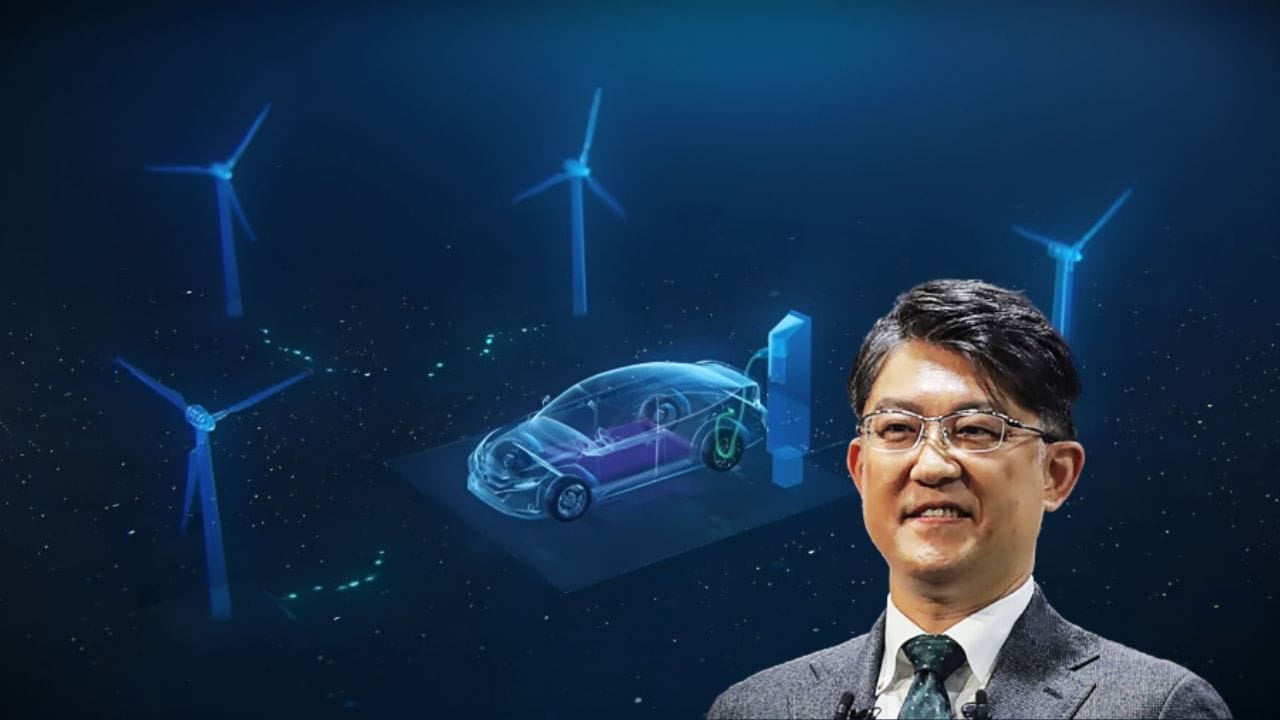
Toyota Surprises the Automotive Market Again. While the World Rushes Towards Electric Vehicles, the Japanese Automaker Has Decided to Swim Against the Tide. A Recent Deal with the São Paulo Government Sealed the Company’s Fate in Brazil: the Focus Will Be on Developing Hydrogen Technology, an Alternative to Fossil Fuels.
The new Toyota CEO, whose name is not disclosed, does not hide his dislike for electric vehicles. The revelation, in a way, excited fans of combustion cars but irritated electric vehicle manufacturers.
Despite all the resistance to car electrification, Toyota has been quietly working on a “secret fuel” that could revolutionize the industry.
This new type of fuel aims not only to reduce carbon emissions but also to eliminate dependence on critical inputs such as battery-grade lithium and nickel.
-
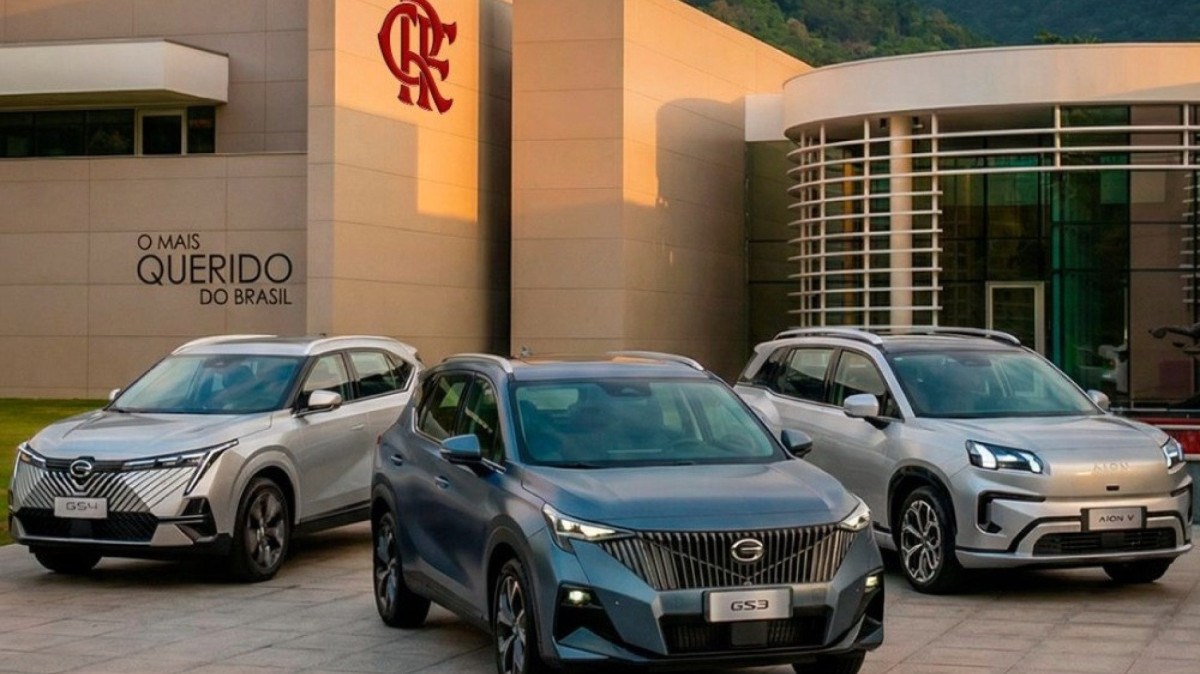
After launching the new GS3 with a 1.5 turbo engine producing 170 hp, GAC partners with Flamengo, enters the field with the largest fan base in Brazil, and accelerates an ambitious offensive to gain scale and confidence in the national market.
-
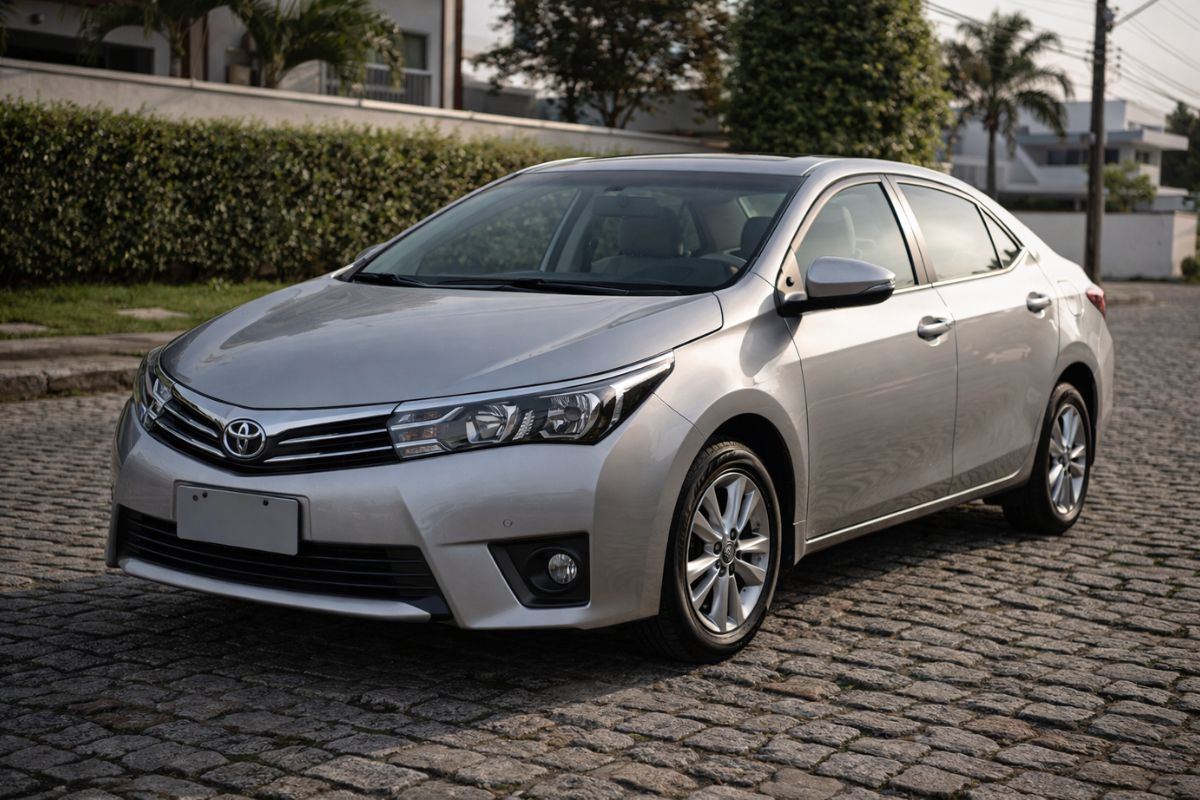
The Corolla from 2015 to 2019 depreciates so little that a 10-year-old model is still worth over 76 thousand reais, and owners treat this sedan as a safe investment thanks to its reputation for durability that no competitor has been able to match.
-
Is it worth considering a financed 2025 HB20 Comfort? A simulation with R$ 50,000 in the bank shows installments ranging from R$ 5,687 to R$ 2,365.

-
Road surveillance in Rio de Janeiro enters a new phase with the installation of more than 140 speed cameras on highways RJ-106 and RJ-104, and DER-RJ expands speed control in high-traffic areas.


Resistance and Support in the Automotive Industry


Toyota’s stance against total electrification finds support among other major automakers such as BMW, Porsche, and Honda. The BMW CEO, for example, warned about the reliance on China for battery materials and argued that there is still a market for combustion cars.
Toyota’s roadmap has not pleased everyone. In a recent shareholders’ meeting, many expressed their dissatisfaction and demanded a more radical shift towards electrification.
However, Toyota has remained firm in its goal of achieving carbon neutrality through a variety of propulsion technologies.
Greenpeace Japan and other environmental groups organized protests against the automaker. They question the company’s negative lobbying against government measures aimed at phasing out combustion engines.
Where Does Toyota Want to Go?
Although the automaker has set an ambitious goal of selling 3.5 million electric vehicles by 2030, it seems to be isolated in its vision for the industry’s future. Time will tell if Toyota’s bet on alternative fuels proves to be visionary or a strategic misstep.
This scenario challenges not only market trends but also raises questions about what is truly sustainable in the long run.
It seems that Toyota is willing to make its own rules. And now, the world is watching: is it shooting itself in the foot or taking a step forward?










Seja o primeiro a reagir!