Portuguese
  Spanish


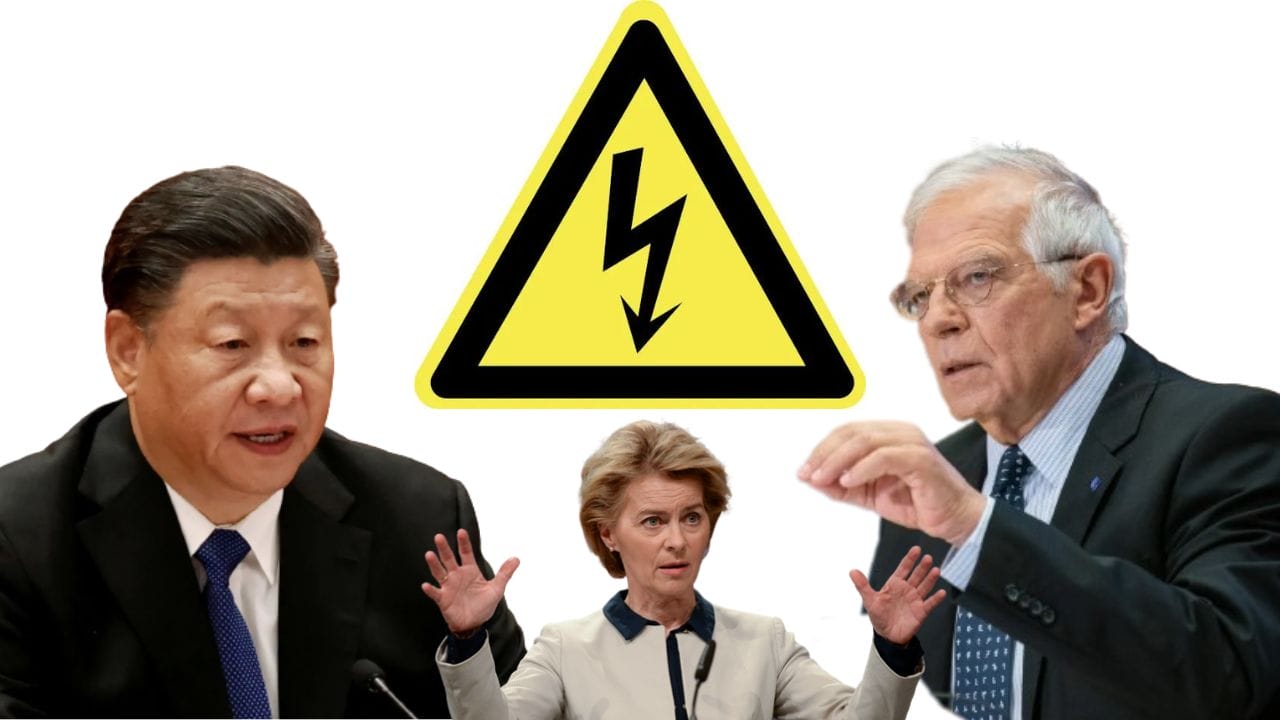

As The European Union Launches Investigations Into Illegal Subsidies For Chinese Electric Cars, The German Automotive Industry Sounds The Alarm, Fearing Retaliation That Could Shake Global Trade.
The trade crisis between the European Union and China in the electric car sector is becoming increasingly dramatic.
While German engineers announce advances in hybrid technologies, Chinese manufacturers flood the global market with cheaper vehicles, raising alarms in Brussels. The scenario challenges diplomacy and the foundations of global trade, with no sign of a truce in sight.
Germany On High Alert
The German car manufacturers, which are giants in the Chinese automotive sector, are extremely concerned about the recent moves by the European Union.
-
End of an era in Brazil: beloved sedan by Brazilians is discontinued despite having a 2.0 engine with 151 hp, CVT transmission, 466-liter trunk, and up to 650 km of range.

-
New Law Proposal in Brazil Could Heavily Penalize Drivers: Dangerous Overtaking May Become a Serious Offense with Fines Increased Tenfold and a 12-Month License Suspension; Update on 2026 Progress

-
Electric Revolution: Watts W125 Motorcycle Offers 160 km Range, 90 km/h Speed, and Affordable Price Starting at $3,000
-
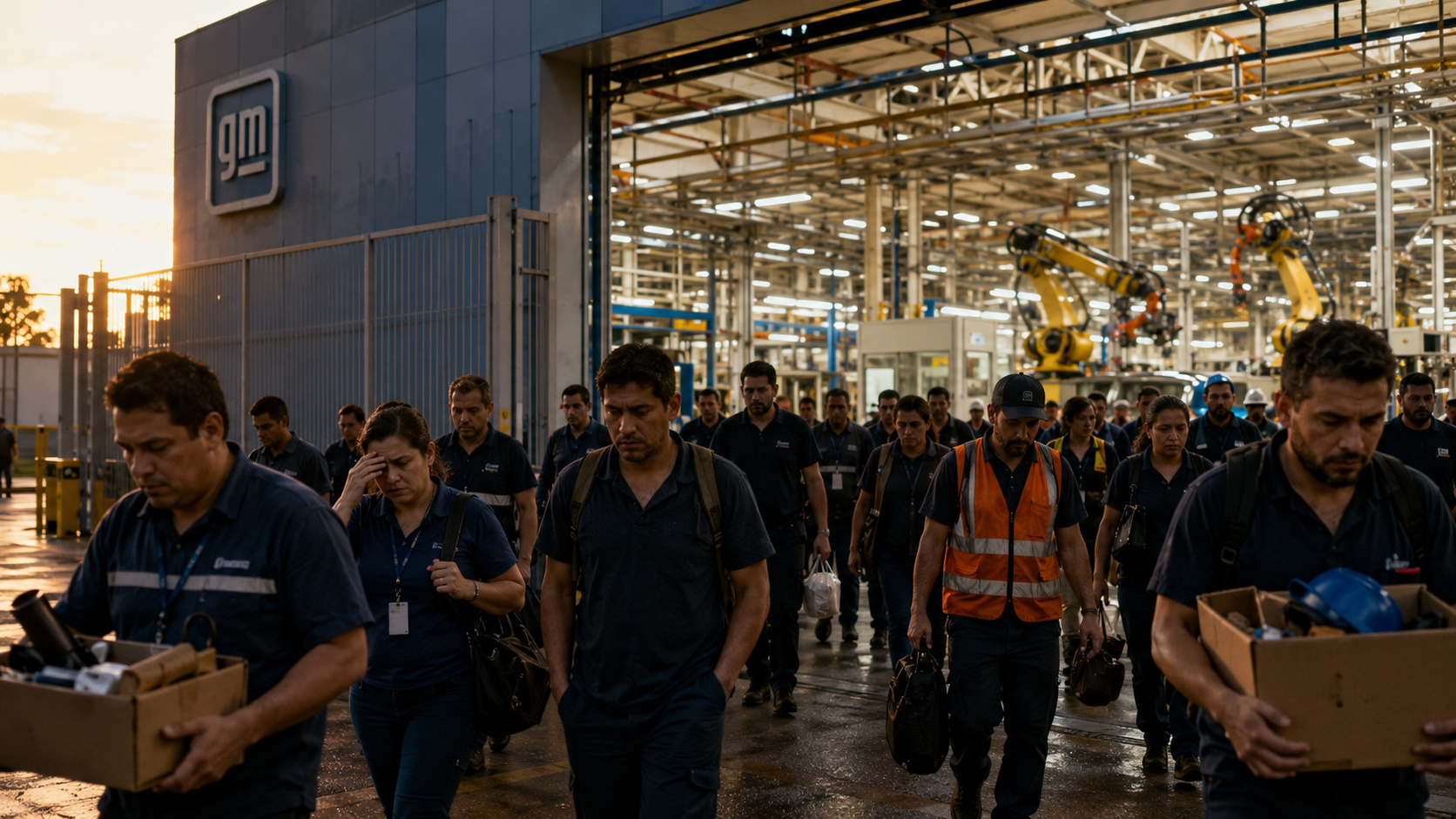
General Motors Replaces Over a Thousand Workers with 50 Cobots at Electric Vehicle Plant, UAW Union Criticizes Move Amid Industry’s Automation Push


Ursula Von Der Leyen, president of the European Commission, kicked off an investigation that could have serious trade consequences. This context puts Germany, a leader in car sales in China, in a delicate situation.
The Role Of Chinese Subsidies


The main European complaint is about the subsidies granted by the Chinese government to its companies. According to Von Der Leyen, these subsidies are distorting the market, giving China an unfair advantage.
The European Union believes that the lack of fair competition could negatively impact the bloc, especially in a scenario where global demand for electric cars is valued at a colossal figure of 560 billion dollars.
France Vs. Germany: Internal Rivalries
While Germany is treading carefully not to spoil its trade relations with China, France seems less concerned.
With only a tiny share of the Chinese electric car market, the country sees the investigation as an opportunity to level the playing field, even if it means friction with its German partners.
It’s not just Europe that is on high alert. The United States, which also depends on the supply of Chinese batteries for its electric cars, is closely watching the unfolding events.
Risks And Consequences, What Comes Next?
The current situation is like a pressure cooker about to explode. Any wrong move could result in a large-scale trade crisis, affecting not only the relationship between the European Union and China but also destabilizing the global electric car market.
The European Union seems determined to proceed with the investigation, despite the possible consequences. If sufficient evidence is found, trade measures could be imposed, putting even more pressure on the already tense relations between global powers.