





 Portuguese
  English
  Spanish
  3 min of reading
  0 comments


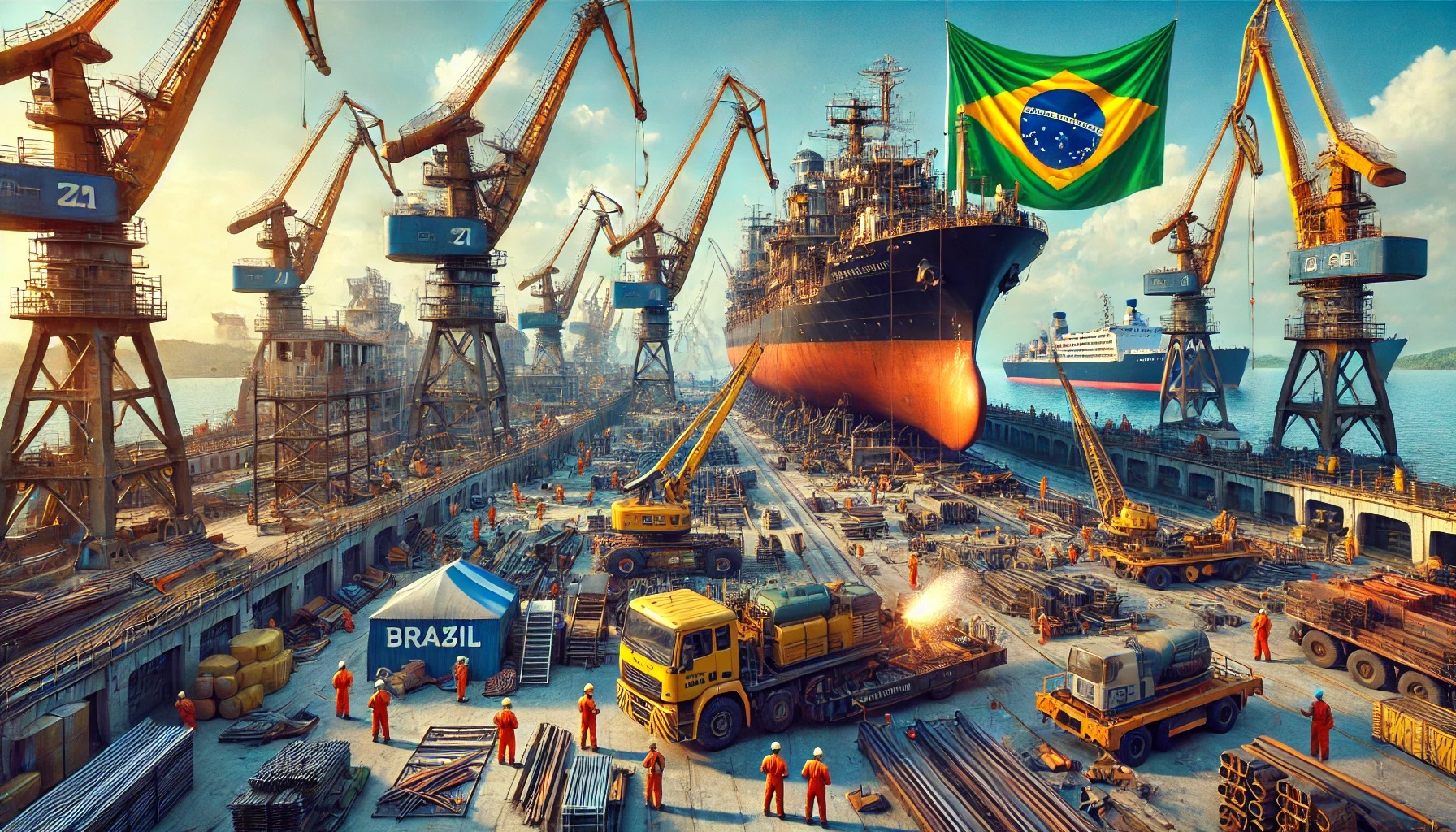
Few Months After Taking Office, The CEO Of The Mauá Shipyard Surprises By Announcing The Revival Of The Shipbuilding Industry In Brazil, With The Promise Of Generating Thousands Of Jobs.
The CEO of the Mauá Shipyard, Miro Arantes, participated in the opening of the 30th International Congress On Waterway Transportation, Shipbuilding, And Naval Engineering (SOBENA), held at the Rio de Janeiro Stock Exchange on October 22. The executive announced the company’s return to the shipbuilding industry, generating thousands of jobs. In the panel “Revival Of Shipbuilding In Brazil,” leaders and experts in the maritime economy discussed the challenges and opportunities for the segment.
CEO Of The Mauá Shipyard Took Office In August 2024
The Mauá Shipyard announced Miro Arantes as CEO of the group in August, which, in addition to the Ponta D’Areia shipyard in Niterói (RJ), has plans for the Brasa and Cassinú shipyards and for Eisa in Guanabara Bay.
The current CEO of the Mauá Shipyard is an engineer and has a history with a series of shipyards throughout his career, across different cycles of the shipbuilding industry in the country. The executive’s mission is to continue the restructuring process at Mauá in search of new construction contracts, which still depends on demand generation and new opportunities in the sector.
-
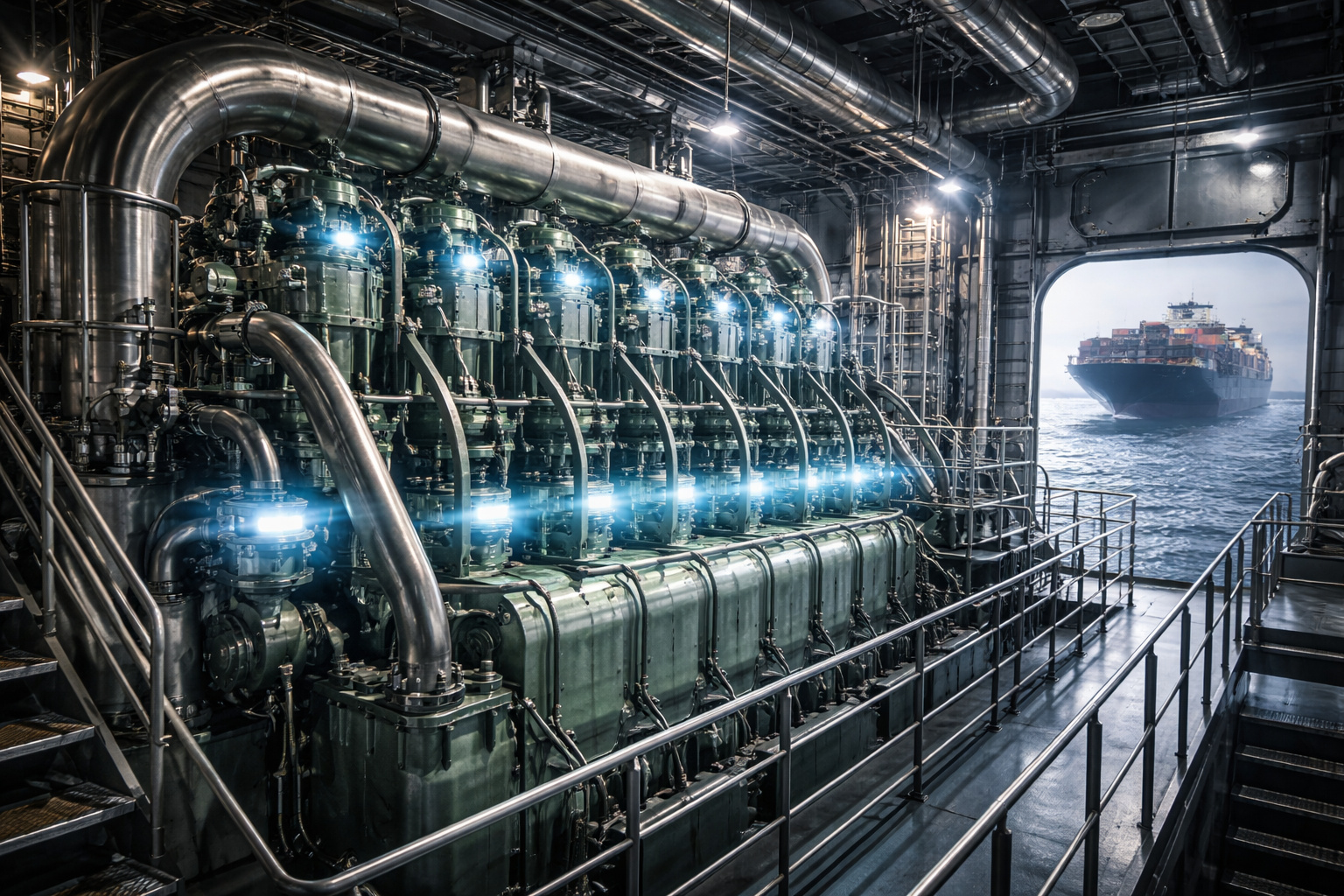
Europe is trying to create an ammonia-powered marine engine without auxiliary fuel, which could unlock the race for giant emission-free ships. The technology aims to eliminate one of the biggest obstacles to clean maritime propulsion.
-
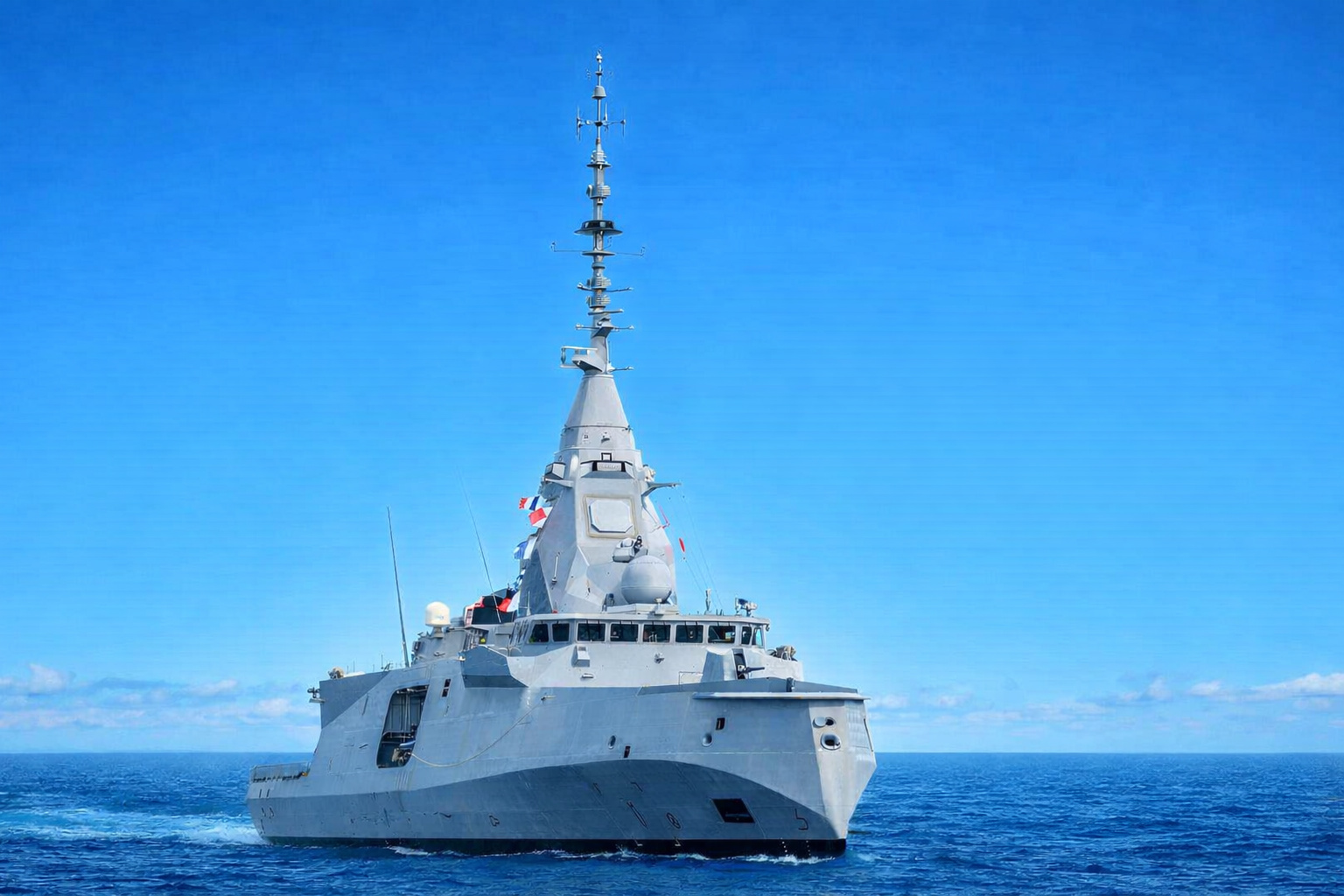
A 4,500-ton frigate with just over 100 crew members, state-of-the-art radar, and cruise missiles is being touted as the new standard of naval warfare in the 21st century.
-
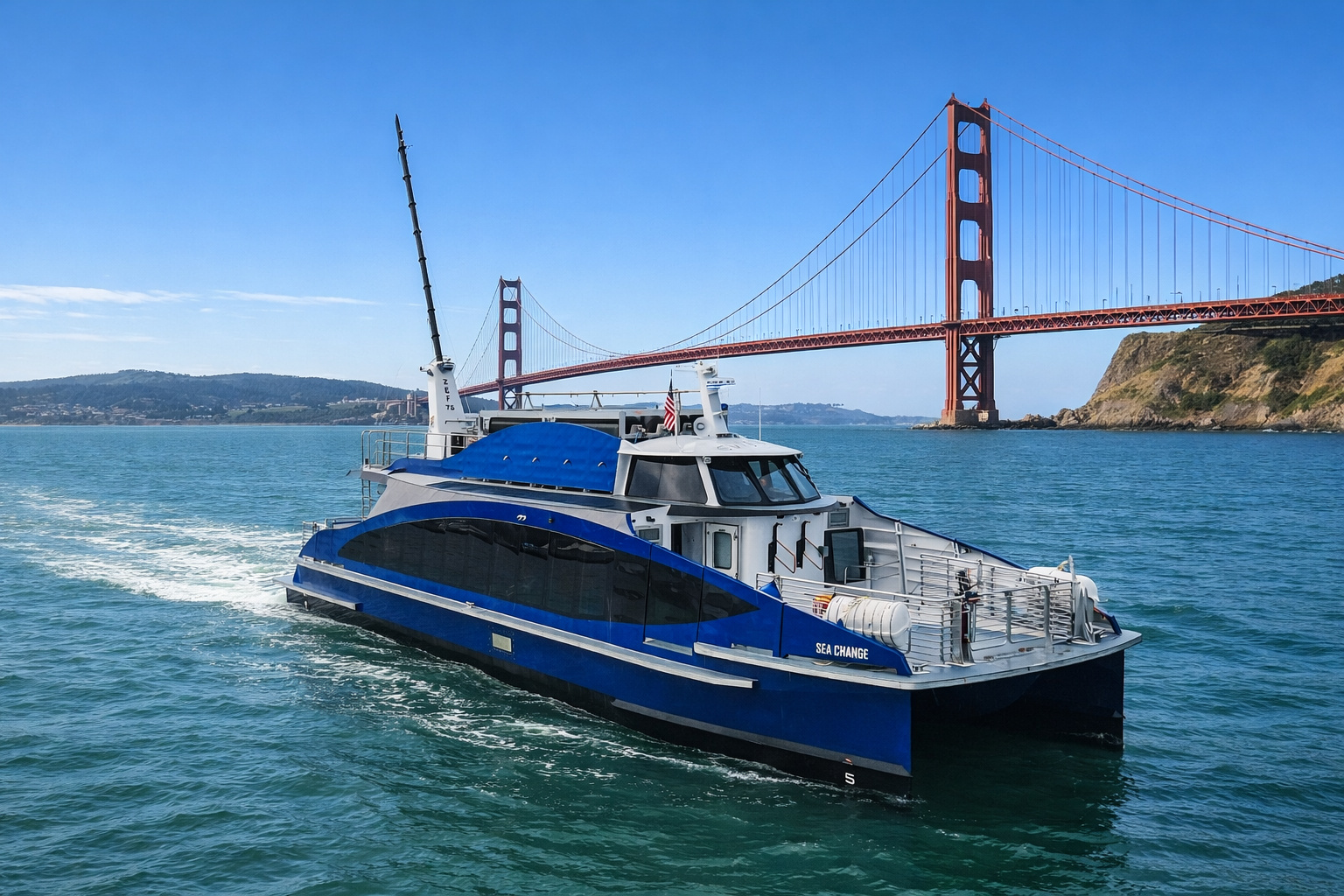
The first commercial hydrogen-powered ferry enters operation in the U.S., eliminates the use of diesel, uses fuel cells to generate clean energy on board, and transforms San Francisco Bay into a landmark of the new era of emission-free navigation.
-
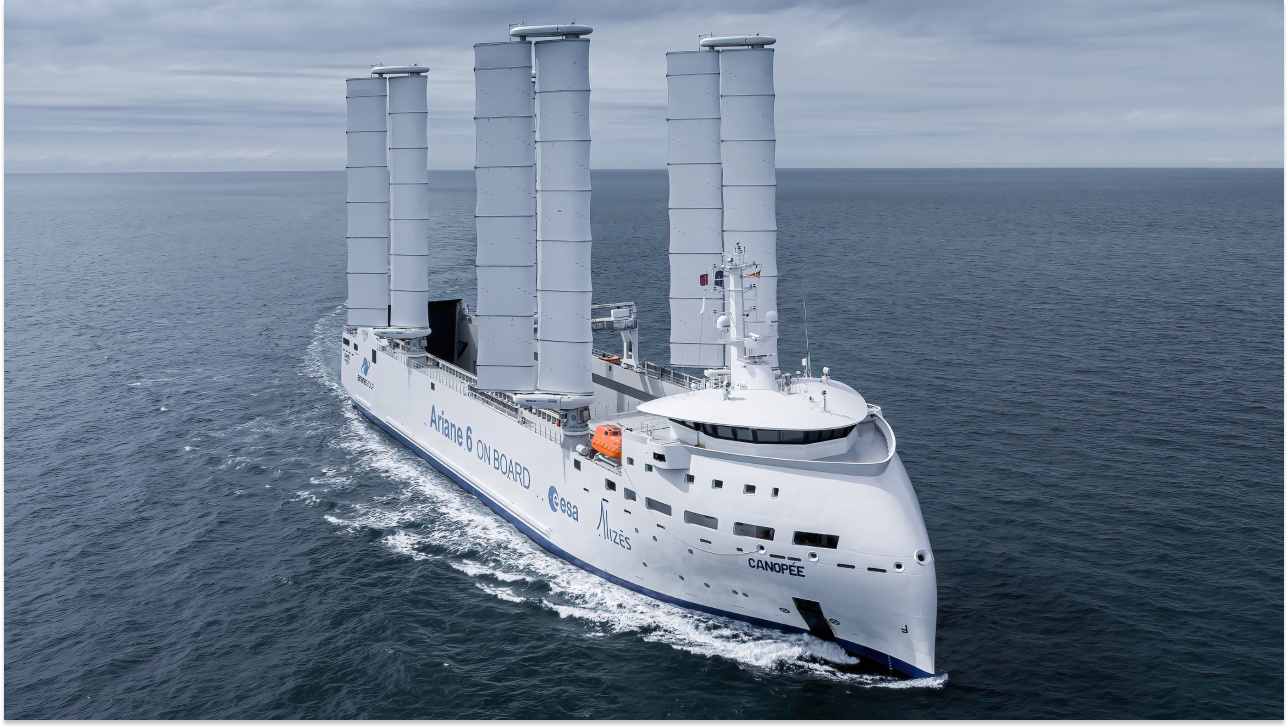
With a length of 121 meters and four rigid sails of 36 meters that automatically rotate to capture the wind, Canopée is the world’s first hybrid industrial cargo ship powered by wind, used to transport rockets and reduce fuel consumption by up to 30% on transoceanic routes.

At the time, businessman German Efromovich highlighted that the CEO of the Mauá Shipyard brings experience to the current team led by CEO Geraldo Ripoll, who succeeded in the approval process of the recovery plan. With the announcement of Miro’s arrival and his team, Mauá will return to being what it always was, generating thousands of jobs, according to Efromovich, who is a shareholder of the Synergy group, which controls the shipyard.
Understand The Company’s Plans In The Brazilian Shipbuilding Industry
During his speech, the CEO of the Mauá Shipyard emphasized the importance of reforming the BR do Mar Law to promote the use of cabotage as a transportation alternative, which could lead to an increase in orders at national shipyards.
He highlighted the competitive advantages of Brazilian shipyards. According to the executive, currently, the company’s facilities are much more modern than they were 20 years ago, giving us a significant advantage.
Arantes also discussed the future of the shipbuilding and offshore industries, pointing out the need for a state policy that promotes stability and prevents the cycles of expansion and contraction that have historically affected the Brazilian shipbuilding industry.
The SOBENA congress is known for bringing together sector leaders and promoting essential strategic discussions for the future of the shipbuilding industry in the country. The participation of the CEO of the Mauá Shipyard reinforces the company’s commitment to the sustainable and innovative development of the country’s shipbuilding industry, aligning with global trends and contributing to the advancement of the sector in Brazil.
Mauá Shipyard Has Already Generated 6,000 Jobs
The company’s commercial director, Arialdo Félix, adds that the shipyard needed to focus on diversifying activities, such as repair, manufacturing subsea structures, logistics support base, and is set to construct vessels and modules.
The Mauá, which before the crisis in the shipbuilding industry had around 6,000 workers, is recovering and currently has 1,280 employees on its staff.
Félix emphasizes that the Mauá Shipyard is operating with all eight berths full, in addition to the dock, which has contracted services planned until the end of 2024, generating thousands of jobs. The Ponta D’Areia shipyard is currently focused on repair, shipbuilding, and offshore metal structures.






Seja o primeiro a reagir!