





 Portuguese
  English
  Spanish
  6 min of reading
  0 comments


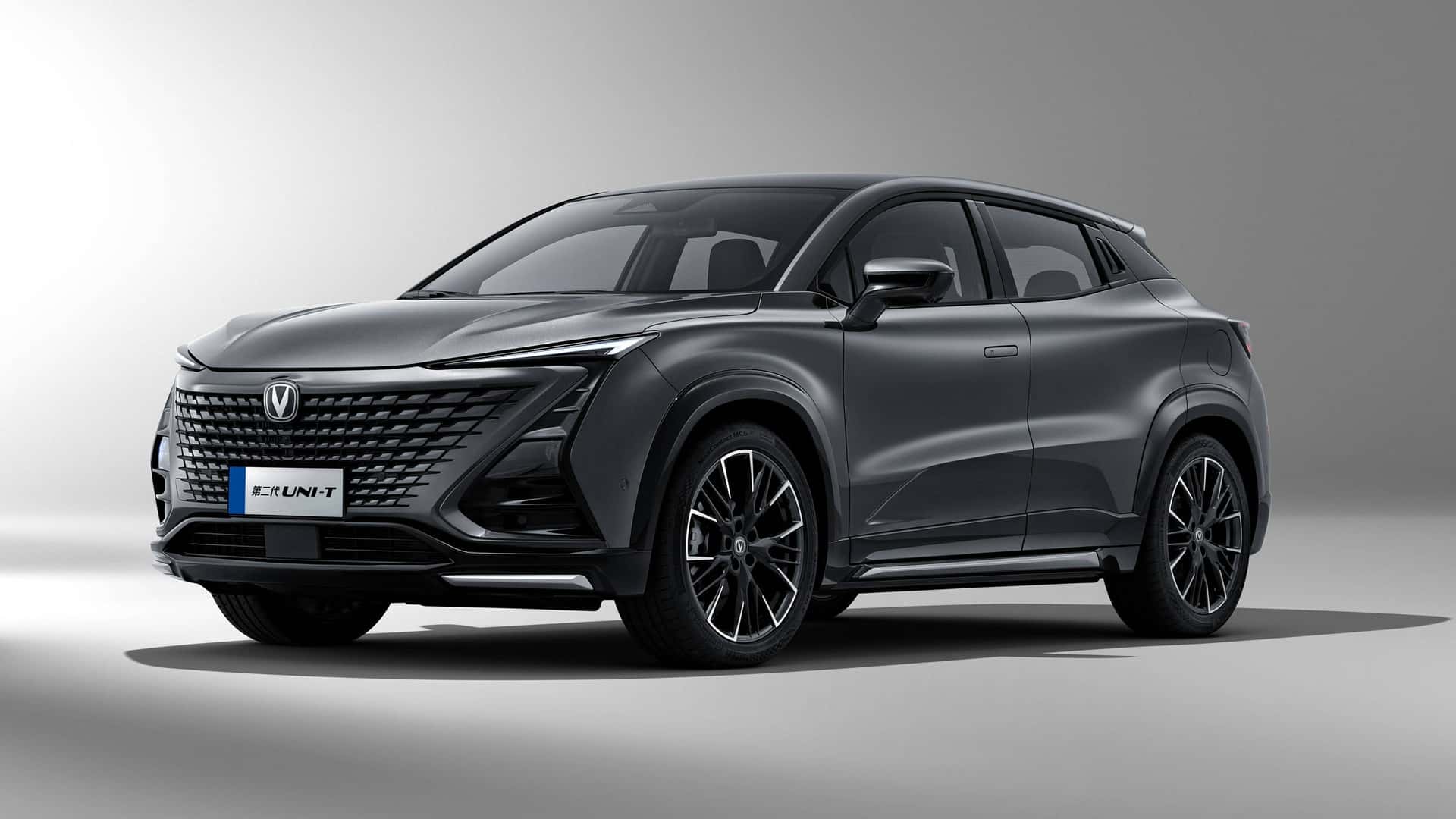
From military origins in China to production in Goiás, the trajectory of Changan brings together name changes, international alliances, and industrial expansion up to the brand’s new phase in the Brazilian market.
The debut of CAOA Changan in Brazil reintroduces to the national market a manufacturer that, despite its image as a newcomer, has origins dating back to 1862.
The local operation was inaugurated on March 26, 2026, in Anápolis (GO), with the medium SUV Uni-T as the first model produced in the country.
The utility vehicle came off the assembly line with a 1.5 turbo flex engine with 180 hp, within a cycle of investments that CAOA reported totaled R$ 8 billion at the Goiás plant.
-
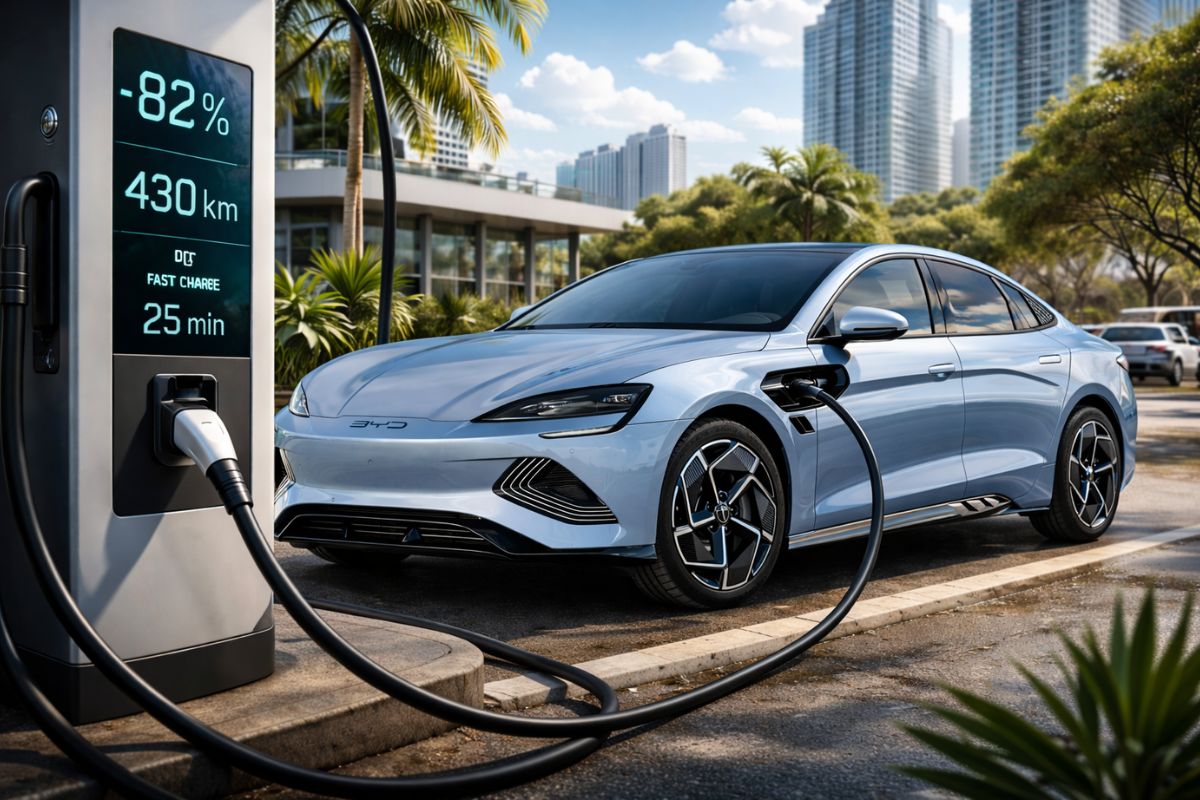
BYD’s electric car with 530 hp and 0-100 in 3.8 s costs R$ 270,000: absurd silence, real range close to 430 km, charging 20-80% in 25 min, but without a spare tire and high IPVA.
-
A dealership in the USA highlights the gap with Brazil: 2024 RAV4 for $31,000, 2022 Silverado for $32,000, and 2024 GMC 2500 diesel for $63,000, while equivalent SUVs and pickups cost much more in Brazil.

-
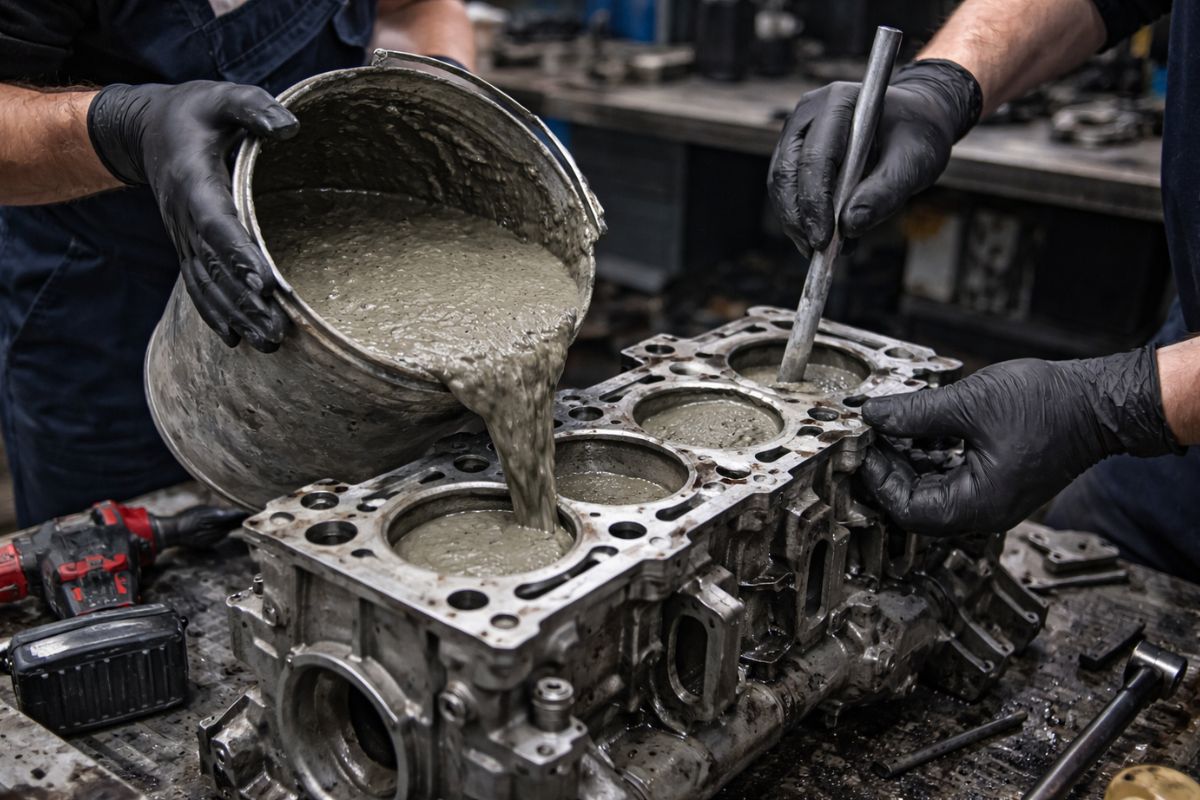
It seems crazy, but mechanics are pouring concrete inside purpose-built engine blocks, and the reason will change everything you thought you knew about high-performance engine preparation.
-
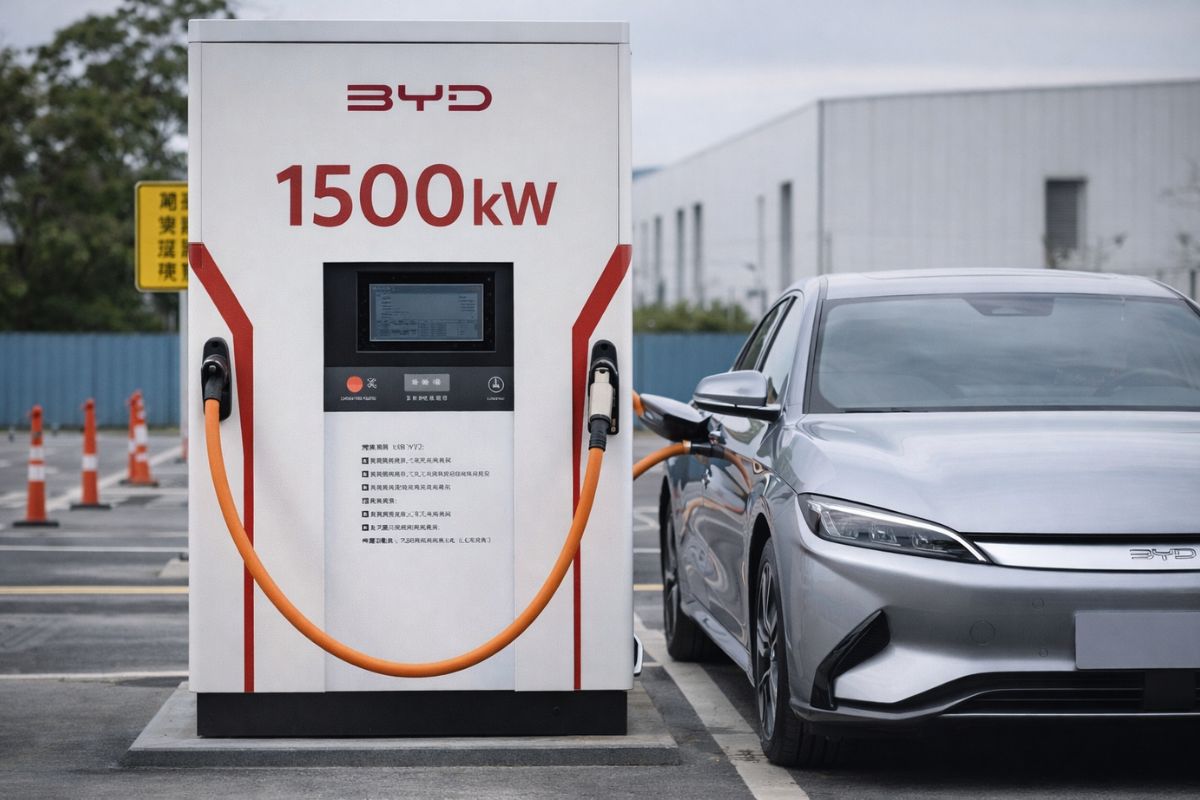
BYD was caught testing 1,500 kW chargers in China that are three times more powerful than Tesla’s, and the system promises to recharge electric cars in minutes with energy that costs less than one real per kilowatt-hour.
Before this return, the brand had already gone through Brazil in another phase.
The first investment occurred in 2006, when the light commercial vehicles Chana arrived in the country through the importer Districar.
The presence was short-lived and marked by difficulties in network and positioning.
In 2011, the operation attempted to reposition itself as Changan, but the increase in IPI for imports weakened the expansion plan, and the project lost momentum.
Now, the return occurs in partnership with the Brazilian group, which had already adopted a similar strategy with Chery.
Origin of Changan and the transition from military industry to cars
The company’s history began far from dealerships.
The origin of Changan dates back to a military supplies factory established in 1862 by Li Hongzhang, a figure associated with the industrial and military modernization movement in China at the end of the Qing dynasty.
Over the following decades, this structure changed names and cities, moving through Shanghai, Suzhou, and Nanjing, until it was transferred to Chongqing amid the Sino-Japanese war, when it began operating as the 21st Arsenal.
During the Second Sino-Japanese War and the following years, the complex increased its relevance within the Chinese military industry.
After the founding of the People’s Republic of China in 1949, the group was reorganized and resumed operations under a new state structure.
In the 1950s, the industrial base was reactivated, and in the following years, it also took on civil production, in line with the new regime’s heavy industrialization policy.
The name Chang’an, later simplified in the international brand as Changan, began to identify this new phase.
The reference relates to the ancient imperial capital of China and is associated with the idea of “lasting peace” or “eternal peace”.
Still, the transition to the automotive sector was not immediate.
First came utility and military vehicles, in a context where the Chinese industry still had limited automobile production.
First models, partnership with Suzuki, and industrial expansion
One of the milestones of this transition was the Changjiang Type 46, launched in the late 1950s and noted in historical records as one of the first vehicles produced by the company based on a design inspired by the American military jeep M38A1.
Production was limited, and the project was eventually transferred to other Chinese industrial structures.
As a result, the company refocused a significant part of its operations on the defense-related complex.
The decisive change came in 1984, when the manufacturer signed a technical cooperation agreement with Suzuki.
This pact paved the way for the production of compact and light commercial vehicles and is regarded by the corporate trajectory itself as the step that solidified the company’s transition to the civil market on a larger scale.
At that time, Changan began manufacturing minivans and small utilities based on Japanese technology.
A few years later, the cooperation was expanded.
The company also began producing the Suzuki Alto, in addition to developing commercial derivatives that helped sustain its expansion.
These models added volume to the operation and served as a basis for the next stage, when the manufacturer began to expand its operations with its own projects.
Joint ventures, proprietary technology, and Changan’s global presence
In the 1990s, the automotive structure was reorganized.
The creation of Chongqing Changan Automobile and the public offering in Shenzhen gave a more corporate design to the business, which gradually separated from activities strictly related to defense.
From then on, the manufacturer deepened its operations with foreign partners and strengthened the development of its own brand.
In 2001, the company formed a joint venture with Ford, expanding its presence in passenger cars.
Over time, the partnership also involved models related to Mazda and, in earlier phases, to Volvo, within Ford’s former industrial configuration.
Later, the restructuring of these agreements altered part of the portfolio, but cooperation with the American automaker remained one of the most relevant for the company in the Chinese market.
In parallel, Changan began investing in its own engineering.
The company developed the BlueCore engine family and established research and development centers in different countries, including Italy, the United Kingdom, and Japan.
This move was part of the strategy to reduce dependence on licensed technology and expand capabilities in areas such as design, engines, and finishing.
This process coincided with the expansion of its own line, which moved away from relying solely on affordable compacts and began to include SUVs, sedans, and later, electrified models.
Outside of China, the brand also advanced in markets in South America, North Africa, Russia, and Arab countries, in a strategy of gradual expansion.
UNI line, Deepal, Avatr, and the reorganization of the brand
From the second half of the last decade, the company reorganized its range around SUVs and electrification.
The CS line gained commercial weight, while the UNI family began to represent a repositioning, with a more striking design and a focus on connectivity.
The UNI-T, now chosen to debut the Brazilian industrial operation, is part of this phase.
Subsequently, the group structured new fronts.
Deepal focused on higher volume electrified models, Avatr took on the premium and technological front in association with partners like Huawei and CATL, and Kaicene focused on light commercial vehicles.
On December 10, 2025, the conglomerate announced it had reached the milestone of 30 million vehicles produced, a number regarded by the company as a landmark in its global expansion.
Production of the Uni-T in Anápolis and Changan’s return to Brazil
In Brazil, the new phase has a broader design than the previous Chana phase.
The Uni-T inaugurated production in Anápolis with a launch price of R$ 169,990, in a single version, and began to occupy the range of medium SUVs.
The Brazilian operation was presented by CAOA as part of a movement towards nationalization and expansion of manufacturing capacity.
According to the company, the additional investment of R$ 5 billion will increase the plant’s capacity, while the accumulated amount reaches R$ 8 billion.
In addition to the Uni-T, the announced strategy includes the nationalization of other brand utilities and the advancement of electrified projects.
Specialized reports published at the launch indicated that local engineering is also working on adapting systems with range extenders for use with ethanol.
Still, the initial step was taken with a flex-fuel combustion product, produced locally to create commercial space and expand the network.
The brand’s return to the country occurs, therefore, with national production, association with an already established group in the sector, and a product line that combines combustion engines and projects related to electrification.
Changan’s return to the Brazilian market reintroduces a manufacturer of state origin that has gone through phases linked to the military industry, international joint ventures, and technological expansion before starting production in Goiás.
After a discreet first passage through the country, the company returns to Brazil with local industrial structure and new commercial positioning.







Seja o primeiro a reagir!