





 English
  Francês
  Alemão
  Italiano
  Japonês
  Norueguês
  Portuguese
  Spanish
  4 min of reading


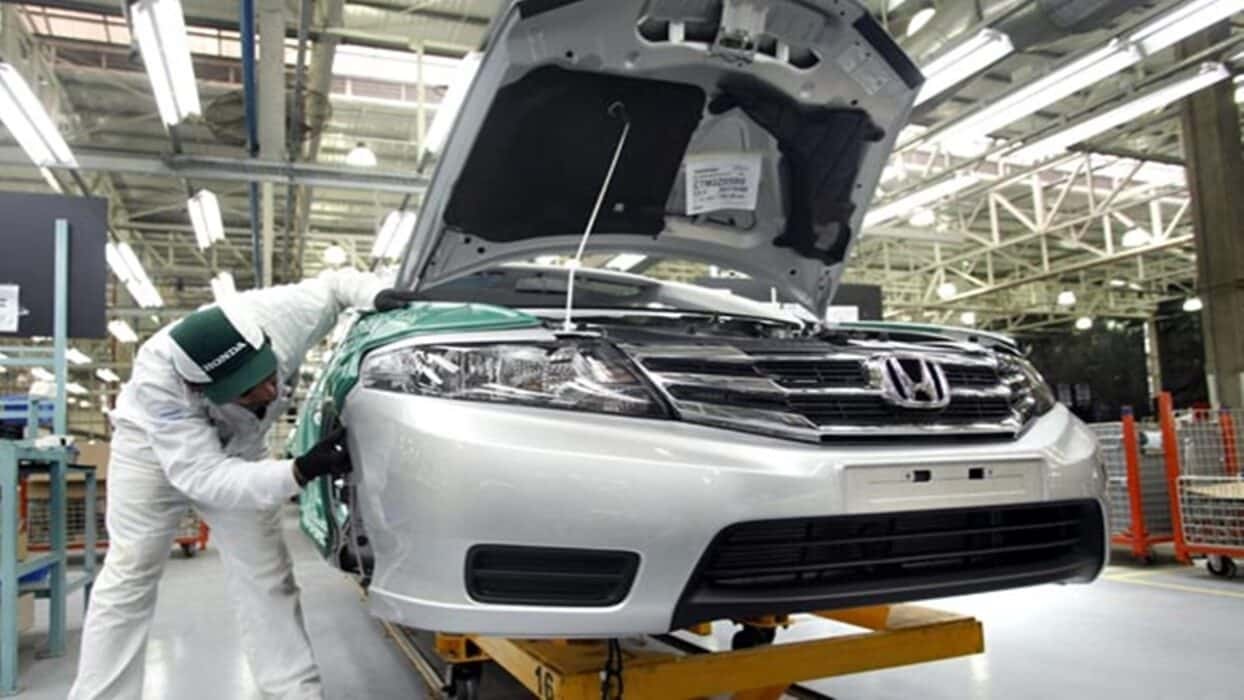
After Volkswagen, Renault and Volvo, Honda Announces the End of Gasoline and Diesel Engine Production to Focus on Electric Cars
The multinational Honda, one of the most important automobile and motorcycle manufacturers in the world, announced that by 2040, the Honda factory in Sumaré, São Paulo, will no longer produce combustion engines, gasoline or diesel, and that the automaker will focus on electric car manufacturing. Although we are talking about the future, this decision was made now. The brand’s CEO also announced the new strategic plan, which begins with the electrification of the European portfolio by the end of 2022. By 2030, the brand promises 40% of global sales, rising to 80% by 2035, and 100% by 2040.
Read Also
- Canada Recruits Brazilians to Fill Many Job Vacancies; There Is No Age Limit for Candidates
- CEO of Volkswagen Announces the End of Gasoline and Diesel Engine Production
- After Ford Withdraws from the Country, Multinational Volkswagen Announces a New Cycle of Investments and Vehicle Production at the SP Factory
- In Contrast to Volkswagen, Renault, Honda and Volvo, Multinational Toyota Refuses to End Gasoline and Diesel Engine Production
- Multinational Volkswagen Launches the New Kombi, the Classic That Continued Production Until 1975 Here in Brazil Will Have a Successor!
- Volkswagen Calls for Candidates Without Experience in All Areas for Positions in SP and PR Factories
- After Volkswagen, Ford, Chevrolet and Fiat, Multinational Yamaha Suspends Motorcycle Production in Its Factories and Puts Employees on Collective Vacation
The announcement occurred in Japan, where Honda stated that it will end the global production of gasoline and diesel combustion engines by 2040. This means that possibly, well before that date, engine lines such as L, P, and R will become memories for brand enthusiasts.
Although it supports hybrid cars, the multinational Honda acknowledges that the production of electric cars is a one-way street and that it cannot go on alone, producing gasoline or diesel engines, no matter how efficient they are.
-
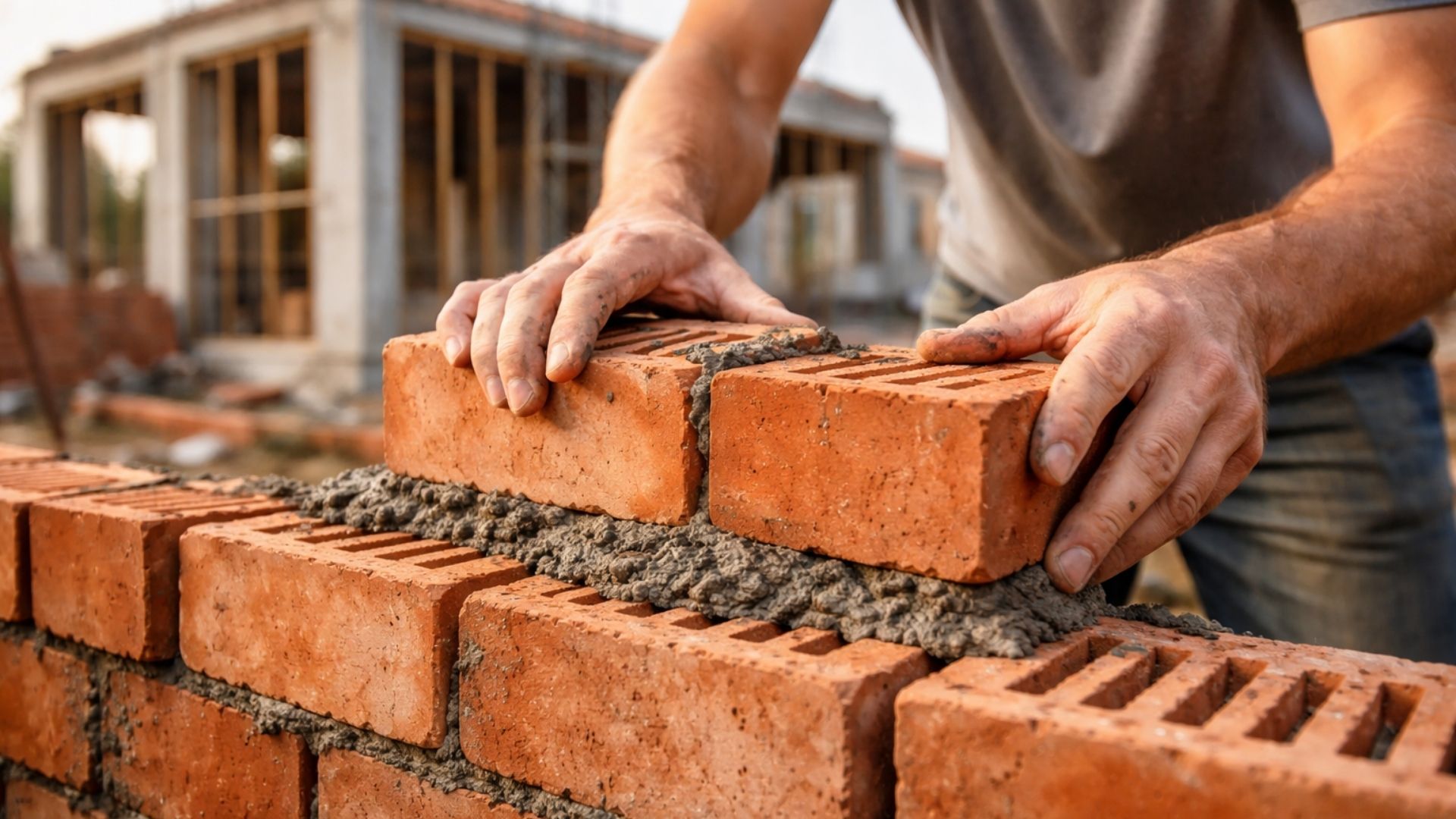
‘Interlocking brick’ made of earth arrives in the construction industry with cost reductions of up to 40% on the project.
-
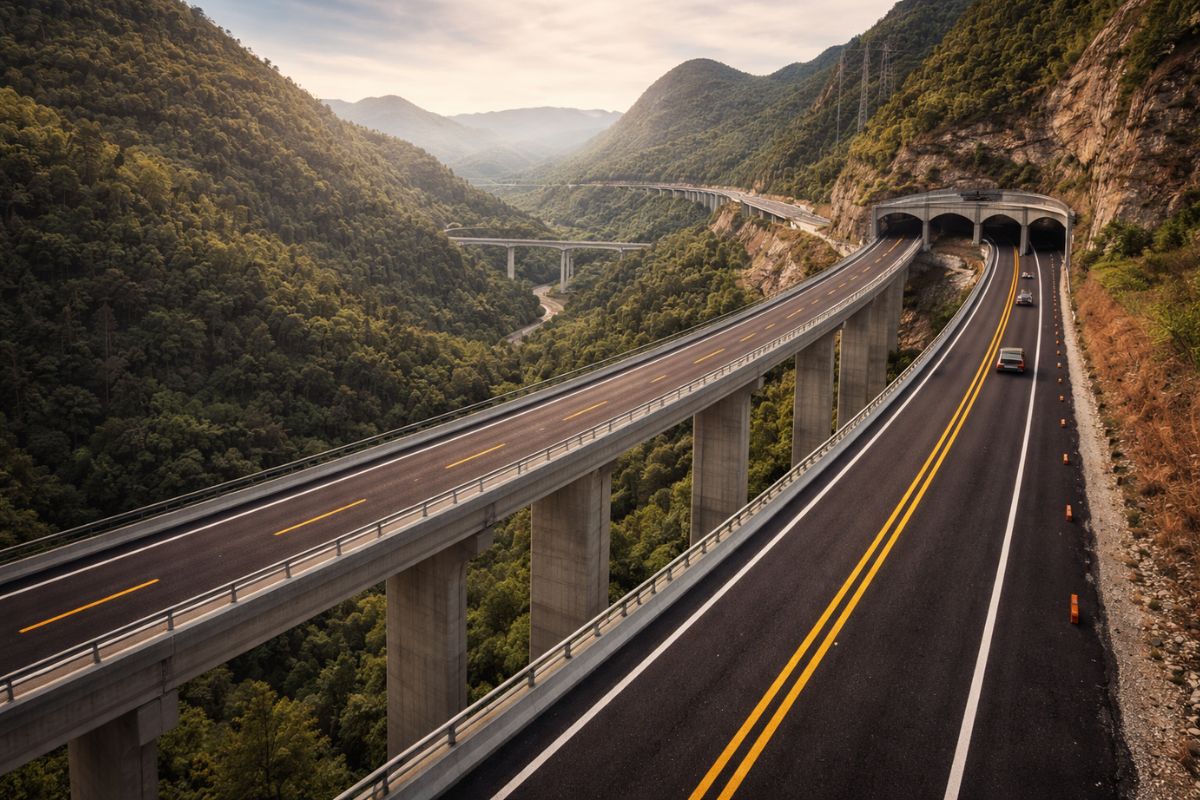
Espírito Santo will receive the largest engineering project in its history with the duplication of BR 262, which will have 50 viaducts, 28 bridges, and 2-kilometer tunnels cutting through the most challenging mountainous region of the entire state.
-
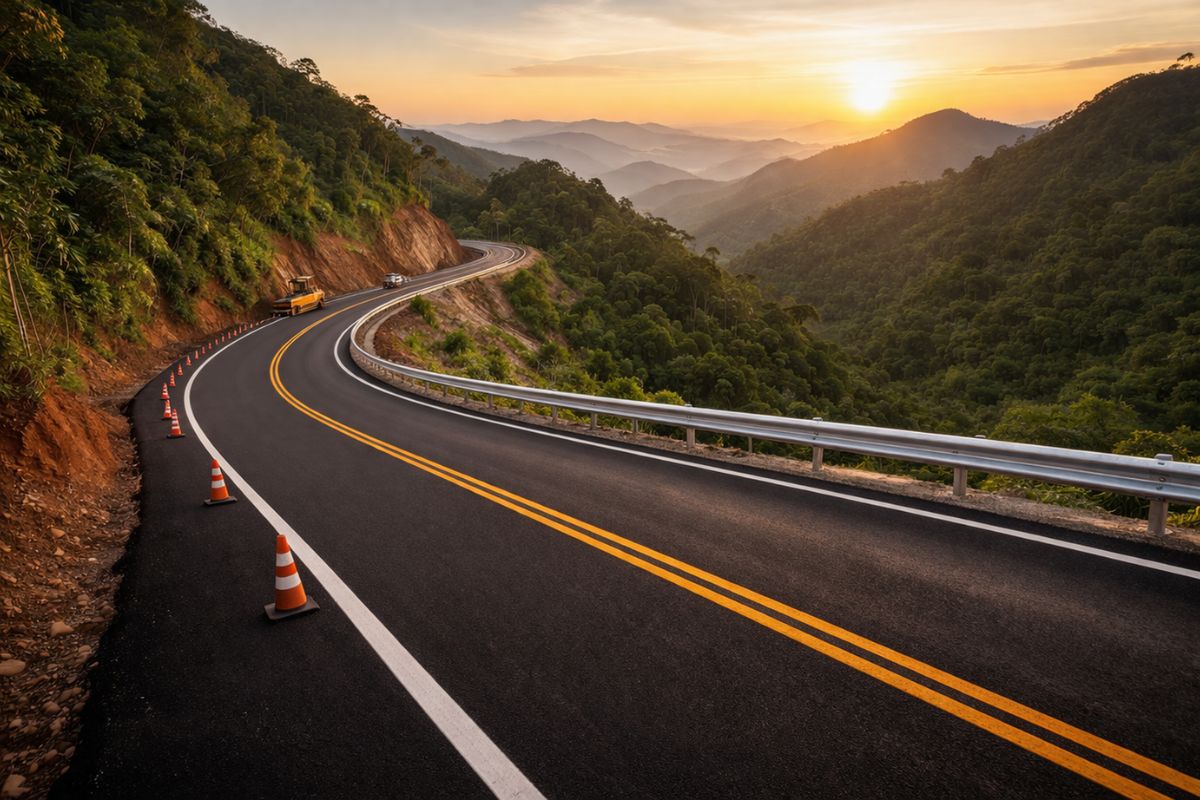
A project of nearly 9 million reais already has the first kilometer paved in Santa Catarina and promises to completely transform the access between Jaraguá do Sul and Rio dos Cedros in an area where tourism is growing at a rapid pace.
-
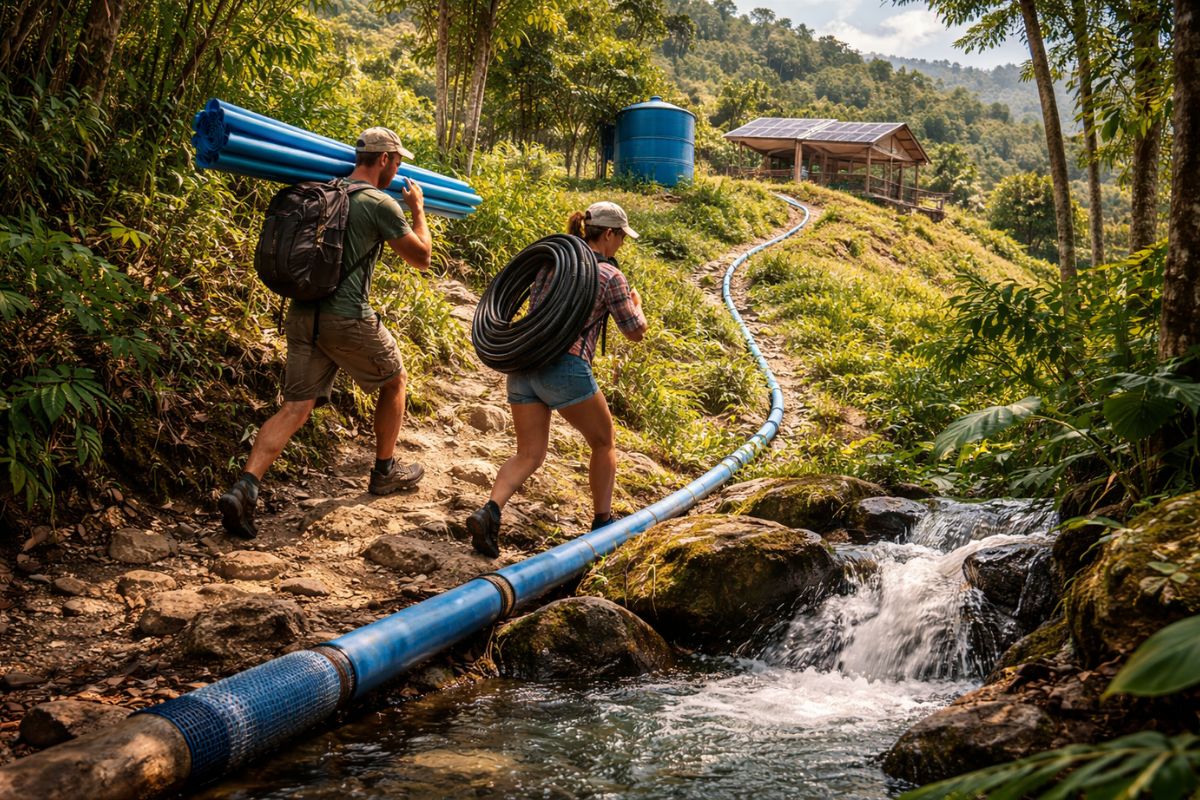
A couple builds a system to bring water from the spring to their land, climbs a hill with materials on their backs, and creates a simple, cheap, and sustainable solution to ensure their own water supply.

Honda Should Keep Combustion Engines Until Mid-Next Decade
Everything indicates that the Japanese manufacturer will continue to produce combustion engines until mid-next decade, going against its competitors, who are already preparing for the end of pistons, connecting rods, crankshafts, and valves.
Despite this decision, Honda seeks carbon neutrality by 2050. A great example of this is here in Brazil, where the Japanese factories in the South and Northeast use energy from their own wind farms.
And it doesn’t stop there; in addition to sustainability in production, Honda will have a range of electric cars based on a specific platform called: Architecture.
The CEO of the brand announced, also, the new strategic plan, which begins with the electrification of the European portfolio by the end of 2022. By 2030, the brand promises 40% of global sales, rising to 80% by 2035, and 100% by 2040.
The Japanese Company Closed a Partnership with General Motors and the Giants Will Accelerate the Electrification of the Honda and Acura Portfolio
The Japanese multinational does not waste time when it comes to investments and has closed a partnership with the giant General Motors in the U.S. to accelerate the production of electric vehicles for the Honda and Acura portfolio.
It is worth noting that Honda has committed to manufacturing 10 new electric cars for China by 2026, with the e:Prototype being the first of this range of products, representing an energized reinterpretation of the New HR-V.
Honda plans only three imported hybrid models for Brazil. Currently, the future is said to be linked to flexible hybridization, but with ethanol dominating.
With Honda and other automakers establishing a deadline for the production of gasoline and diesel combustion engines to focus on electric cars, we already have an idea of when Brazilians will no longer be able to buy a zero-kilometer flex car.
Volkswagen Calls for Candidates Without Experience in All Areas for Open Positions in SP and PR Factories
The German multinational Volkswagen, the largest automobile manufacturer in the world, recognizes the importance of supporting young people entering the job market. The company has trainee positions available in its SP and PR factories for candidates without experience seeking their first job.
This opportunity is aimed at graduates between 2016 and 2020 who are interested in working at one of the company’s locations in the country: São Bernardo do Campo (SP), Vinhedo (SP), Taubaté (SP), São Carlos (SP), and São José dos Pinhais (PR).
Prerequisites:
- Advanced English;
- Previous professional experience;
- Graduation: 12/2016 to 12/2020; can be the second degree;
- Availability to work in any location of Volkswagen in Brazil,
Applications are open until May 30, and can be made directly on the company’s website at this link. Good luck to all!





Seja o primeiro a reagir!