





 Portuguese
  English
  Spanish
  4 min of reading


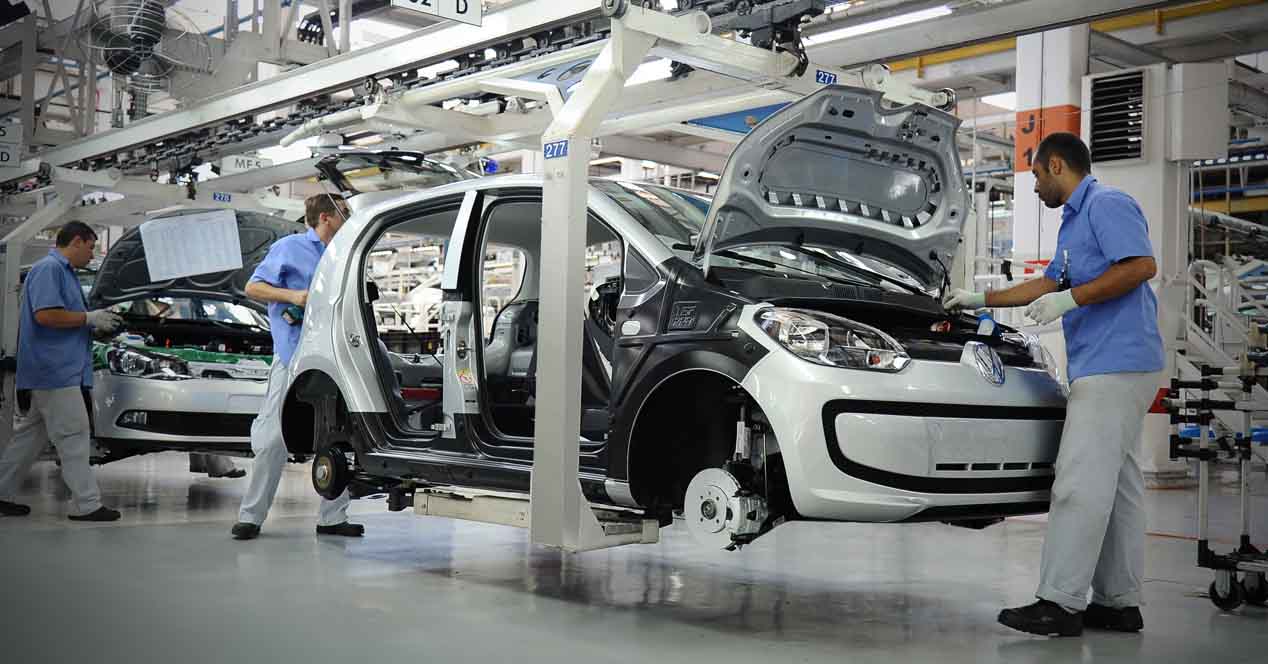
Siemens Innovation Forum Panel Featured Representatives from Daimler and Volkswagen. Industry Highlights the Importance of Brazil Having a Guideline
As one of the largest vehicle markets in the world, Brazil has great potential to be a leader in the transformation of the sector towards vehicle electrification. However, to seize this opportunity, the country needs clear guidelines to steer this advancement for the benefit of the government, industry, and society as a whole. This was the conclusion of automotive market executives during the panel “Urban Mobility: The Future is Electric” that took place last Wednesday, 25, during the Siemens Innovation Forum, which featured representatives from Daimler and Volkswagen.
Also Read
- Rio de Janeiro Leads Price Surge and Southeast Region Records the Most Expensive Gasoline and Ethanol in Brazil, Draining Consumers’ Wallets, Taxi Drivers, and Ride-Hailing Drivers
- Ambev, the World’s Largest Brewery, Calls for Positions in SP; Students from All Fields and Without Experience Can Apply for the 2022 Internship Program
- Volkswagen Beetle Shamelessly Cloned by Chinese Manufacturer Changes Name After Major Controversy and Will Have Final Version in September
- Brazilian Ethanol Attracted the Attention of Volkswagen, Which Aspires to Transform Brazil into a Development Center for Internal Combustion Engine Cars
- WEG Integrates the World’s Unique and Revolutionary Production System for Electric Mobility Created by Global Leaders Volkswagen, Bosch, ABB, and Siemens
A global trend, vehicle electrification has been growing in the Brazilian market, but the lack of infrastructure for charging cars, buses, and trucks is one of the main challenges to be overcome for faster segment expansion. Incentives, limits on internal combustion vehicle production, and the use of renewable energy in the transition to electric mobility are other points to be studied in measures aimed at the sector.
Siemens Innovation Forum Panel Featured Representatives from Daimler and Volkswagen
“It would be important to have a guideline on how we want to be in the future so that the industry can prepare as well. That’s why the government needs to address this market through regulatory frameworks or guidelines on how it plans to develop electromobility in the country,” commented Rodrigo Chaves, CTO of Volkswagen Trucks and Buses (VWCO).
-
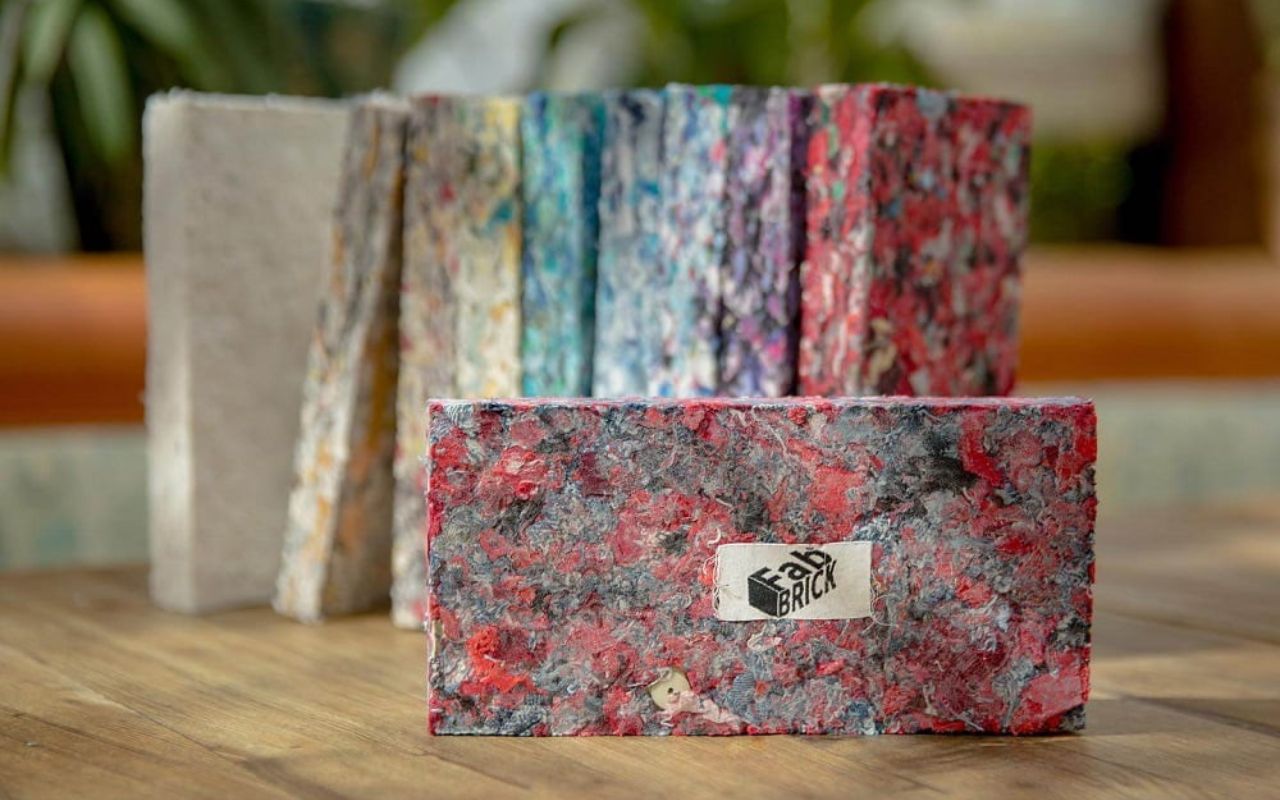
The company transforms discarded clothing into eco-friendly bricks that are resistant to fire and moisture; FabBRICK has already reused more than 12 tons of fabric.
-
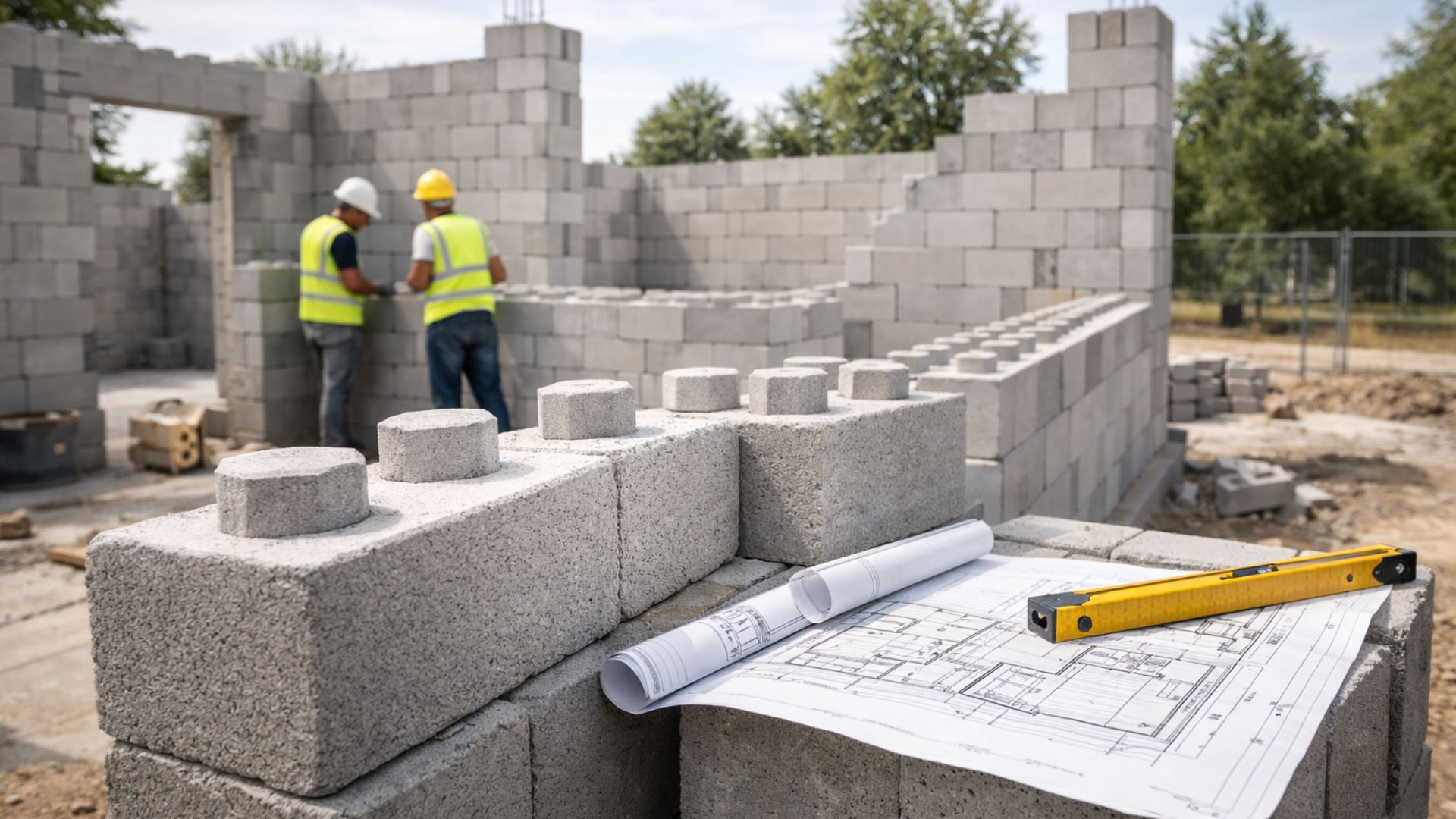
How to build an entire house in just a few days using LEGO concrete blocks and reduce construction time by up to 60%, without mortar, with precise fitting, lower labor costs, and high thermal and acoustic insulation.
-
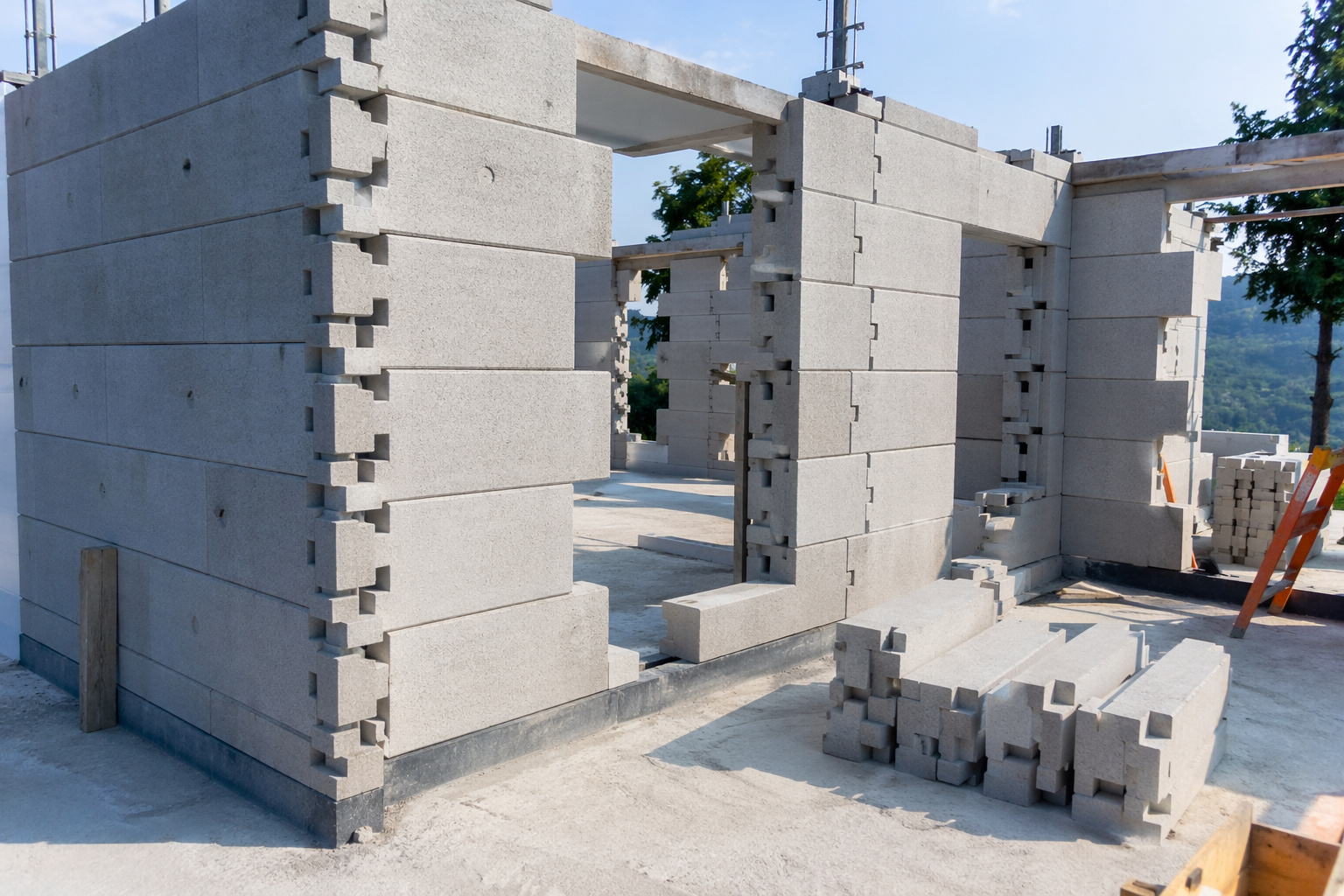
Cement-free interlocking system revolutionizes the construction industry by allowing entire houses to be built with interlocking blocks, reducing costs, speeding up projects, and transforming the standards of efficiency and sustainability in the sector.
-
At 359 m above the river and with a span of 467 m, the highest railway bridge in the world has withstood winds of 266 km/h, featuring modular steel, a filled arch, and sliding tracks in historic Indian Kashmir.

“The transformation to electric mobility will happen anyway, driven by global trends. But it is important to have regulations, a policy to set clear objectives for initiatives in the segment, such as controlling pollutant emissions,” stated Sergio Magalhães, General Director of Buses Latin America at Daimler, who compared the internal scenario to other markets. “European countries are already ahead, and in Brazil, it is still not very clear how the country wants to position itself in this global scenario,” he added.
The participants also cited various advantages generated by electric mobility for the market and society, such as: energy efficiency; ease of maintenance and reduced costs due to the significantly fewer engine parts; vehicles with no noise, allowing for nighttime services; and reduction in pollutant emissions in the atmosphere. “In addition to all these benefits, this transition will also contribute to public health by improving air quality in large urban centers,” pointed out Magalhães.
Industry Highlights the Importance of Brazil Having a Guideline for Vehicle Electrification
Electromobility was also one of the topics discussed during the panel “Intelligent, Sustainable, and Inclusive Brazilian Cities,” which was moderated by the CEO of Siemens’ Smart Infrastructure area, Sergio Jacobsen. Among the participants was the creator of the Connected Smart Cities & Mobility platform, Paula Faria, who emphasized the importance of vehicle electrification for people’s well-being in large cities.
“The quality of life so desired in large urban centers can be achieved through intelligent mobility. This is an urgent agenda for cities as it has a direct impact on people’s lives,” she stated, highlighting the reduction in pollutant emissions with the transition from internal combustion vehicles to electric ones.
The panel included the participation of the mayor of Jundiaí, Luiz Fernando Machado, who identified electromobility as one of the challenges to be overcome for better city management. “It’s necessary to add value with innovative companies that show us the paths so that in the future we do not have only fossil fuel-powered buses circulating in the city,” he commented.
Siemens Energy Offers More Than 95 Positions in Macaé, RJ, SP, and MG for Candidates with No Experience from All Areas
Siemens Energy, one of the world’s leading energy technology companies, is accepting applications until September 24 for the Talent Development Program (PDT) 2022. The selection process is online and allows participation from students across Brazil, graduating between December 2022 and December 2023. See below how to apply for positions in Macaé, RJ, SP, and MG.
Application: Those interested in applying for Siemens Energy positions in the states of São Paulo, Rio de Janeiro, and Belo Horizonte must register their resumes by September 24, 2021, AT THIS LINK.








Seja o primeiro a reagir!