





 English
  Francês
  Alemão
  Italiano
  Japonês
  Norueguês
  Portuguese
  Spanish
  3 min of reading



Volkswagen Claims It Will Be Impossible to Abandon Combustion Cars by the Date Estimated by the European Union, and That in Some Markets, Such as Brazil, the Combustion Engine Emits Much Less Than Electric Vehicles, Using Ethanol
Volkswagen, the manufacturer of combustion and electric cars, is trying to recover by investing in the electrification market. The ID line debuted a new modular platform aimed at electric vehicles, and various plug-in hybrids are being produced. Despite heavily investing in battery electric vehicles, Volkswagen’s CEO, Hebert Diess, stated in an exclusive interview with The Verge that it will be impossible to retire the combustion engine in the way the European Union plans.
Read Also
Volkswagen Claims That by 2030, Half of Its Sales Will Still Be Composed of Combustion Cars
The CEO reports that the main component of an electric model is its batteries, which are currently large, heavy, and expensive. Herbert Diess states that to have electric vehicles accounting for half of the group’s sales by 2030, as required by the EU, around six gigafactories of batteries would need to be ready and operational by 2028.
It will be necessary to purchase all the machinery, build the factories, find locations, train professionals, and ensure the supply and quality of raw materials. According to the executive, it is a huge challenge and he also notes that this would only be to meet demand in Europe, a continent where Volkswagen represents about 20% of the market. Thus, abandoning combustion vehicles and replacing them with electric ones is basically impossible.
-
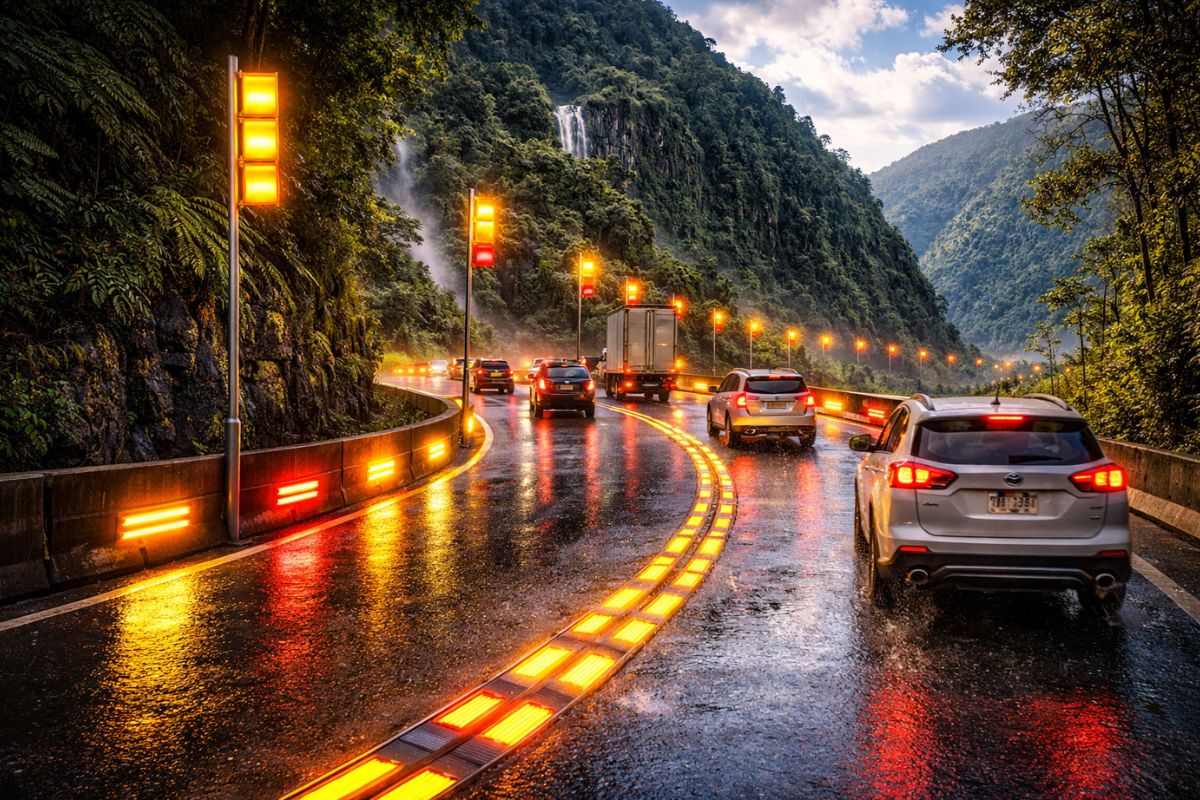
Engineers propose a fourth traffic light for intersections – the change promises to affect crossings, queues, and waiting times.
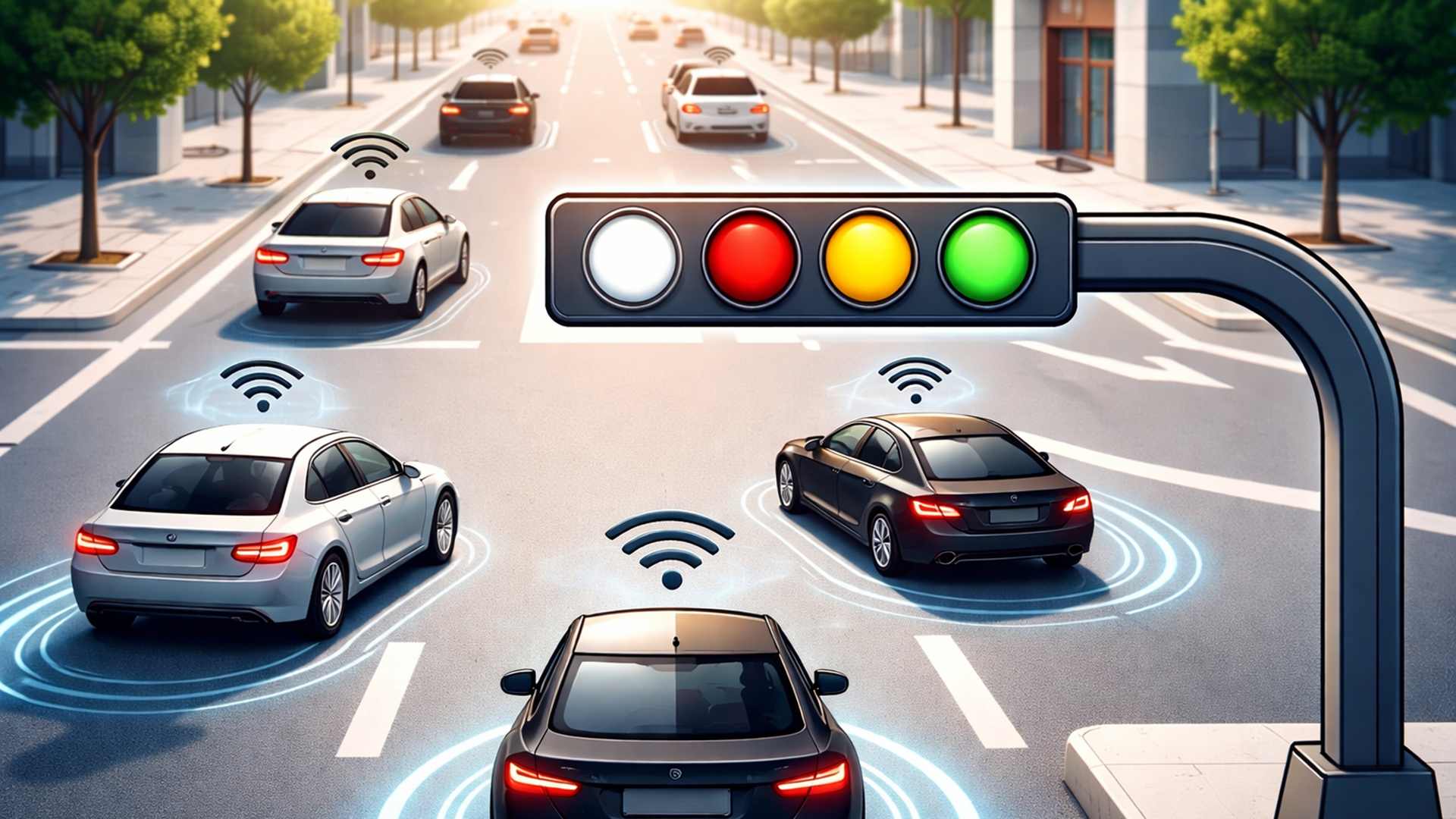
-
Chevrolet Suburban Z71 lands in Brazil with a V8 engine, off-road design, air suspension, seven seats, and colossal size, a rare version imported for around R$ 1.3 million with luxury and exclusivity.
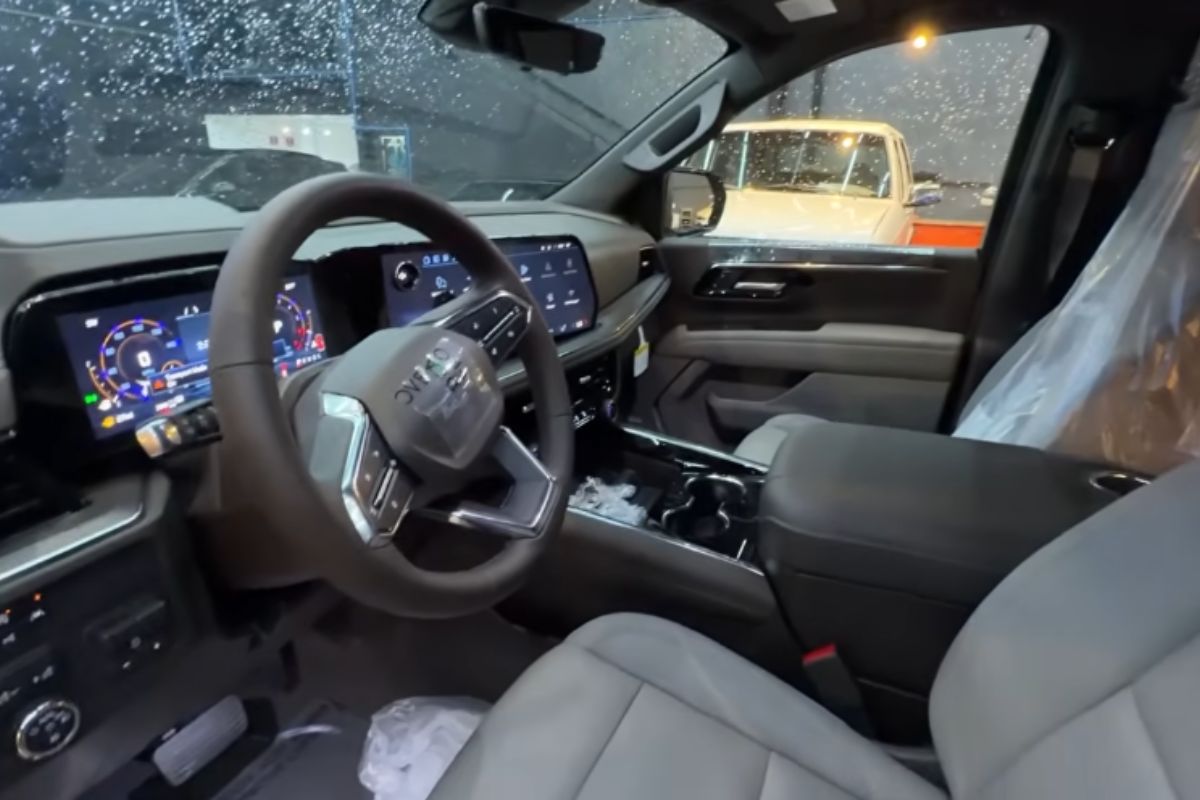
-
The Chevrolet Onix 1.0 turbo achieves 17.7 km per liter on the highway and ranks among the three most economical cars in Brazil in 2026, alongside two more expensive Toyota hybrids available at dealerships.
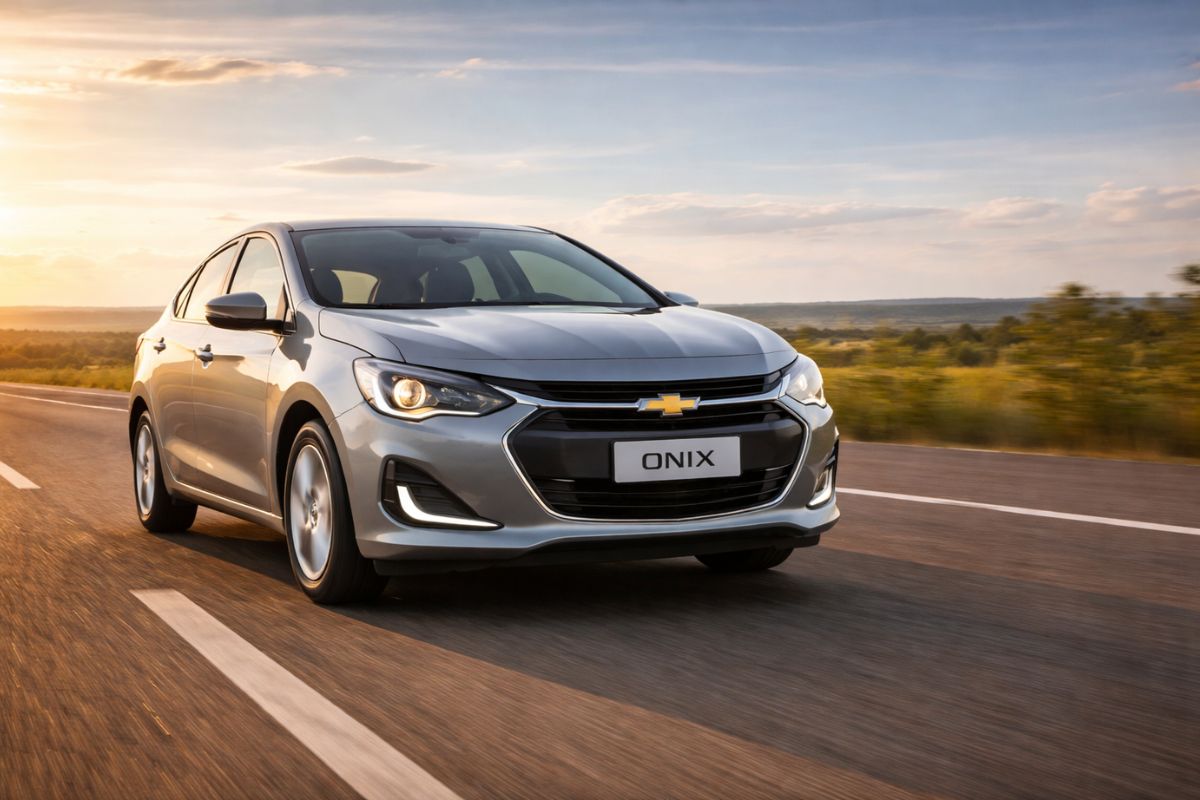
-
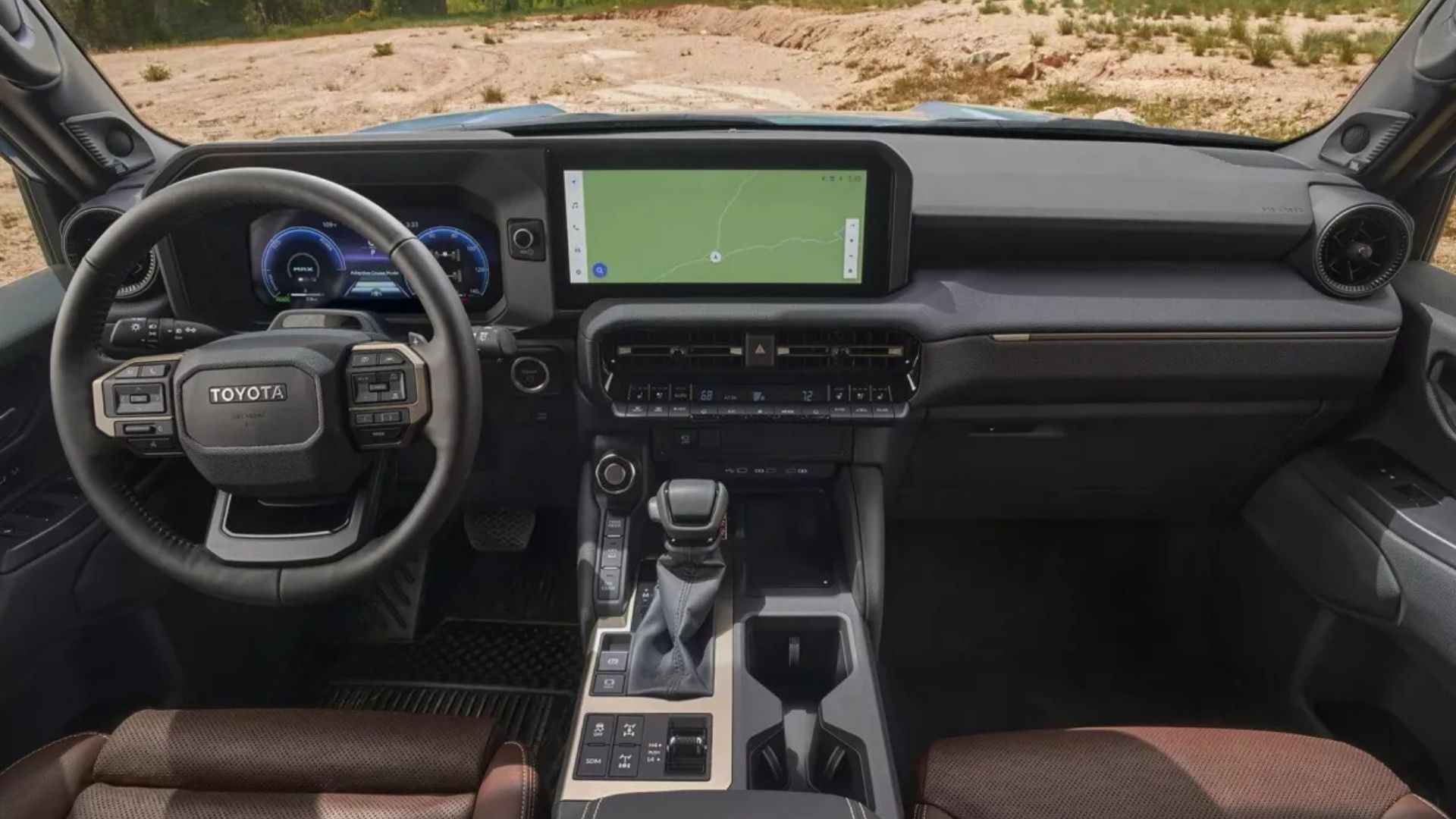
Little sister of the Hilux: Toyota launches Land Cruiser FJ with 4 radical versions, 2.7 engine with 166 hp and 4×4 traction with locking.

According to the executive, there is also another obstacle to phasing out the combustion engine and starting with electrics. “Electric cars only make complete sense if the electricity that charges them comes from clean sources. As long as a country has a polluting energy matrix, it doesn’t make sense to market electric models there,” he said.
Volkswagen Is Also Present in Markets That Support Combustion Cars
The executive recalled in the interview that the group does not operate only in regions that encourage electric models like the U.S. and Europe. The manufacturer is among the top three in Latin America and the second largest in Brazil, where the combustion engine is expected to take time to retire.
According to Diess, ethanol in Brazil is practically emission-free. Therefore, it still does not make sense to set aside the combustion engine in the country. In the last year, investments from the Group were announced in the country to create hybrids with flex engines and ethanol fuel cells.
Understand What the Dieselgate Was
Dieselgate was the name given by the international press to the scandal of falsifying CO2 emissions tests involving several automakers, with Volkswagen being one of them, initially in the U.S., but it didn’t take long for authorities to find it in other countries, including Brazil.
On November 12, 2015, Volkswagen Brazil was notified about the payment of R$ 50 million to Ibama. This was the first punishment related to the Dieselgate case that the automaker received in national territory.
The Dieselgate case also involves the FCA Group in France. Prosecutors opened an investigation to verify whether the group also circumvented diesel emissions tests in its combustion cars.






Seja o primeiro a reagir!