





 Portuguese
  English
  Spanish
  5 min of reading
  0 comments


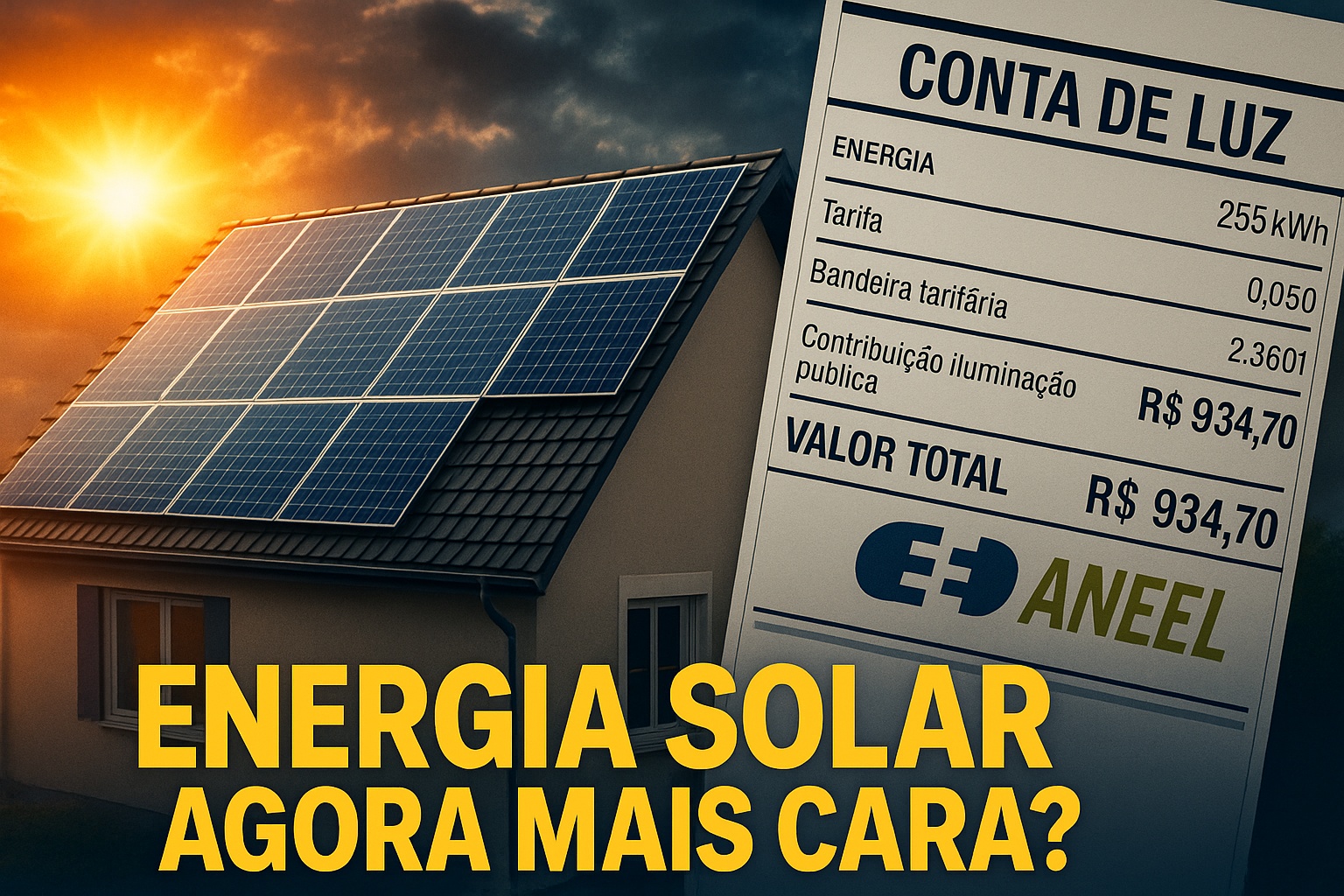
MP 1.300/2025 Changes The Electricity Sector And May Reduce The Benefits Of Solar Energy In Brazil; New Tariffs From Aneel Concern Consumers And Experts.
The promise of savings from solar energy may no longer be the same. Since the publication of Provisional Measure No. 1,300/2025, enacted on September 17, 2025, the Brazilian electricity sector has entered a new phase of uncertainty. The MP, which aims to reformulate the rules for energy generation and distribution in the country, has brought tariff changes that could directly impact those who invested in solar panels to reduce costs on their electricity bills.
Although the government claims that the measure aims to “modernize the sector and ensure economic balance,” experts warn that the new guidelines may increase burdens on those who generate their own energy — a move that, in practice, reduces the financial advantage of residential and business solar energy.
What Is Provisional Measure 1.300/2025 And What Does It Change
The MP 1.300/2025, published in the Federal Official Gazette on September 17, is an initiative from the Ministry of Mines and Energy that alters parts of the Law 14.300/2022 (Legal Framework for Distributed Micro and Minigeneration).
-
Seagri’s headquarters invests in solar energy with Neoenergia Coelba and promises to cut electricity costs, highlighting a strategic advance in sustainability and energy efficiency within state public administration.
-
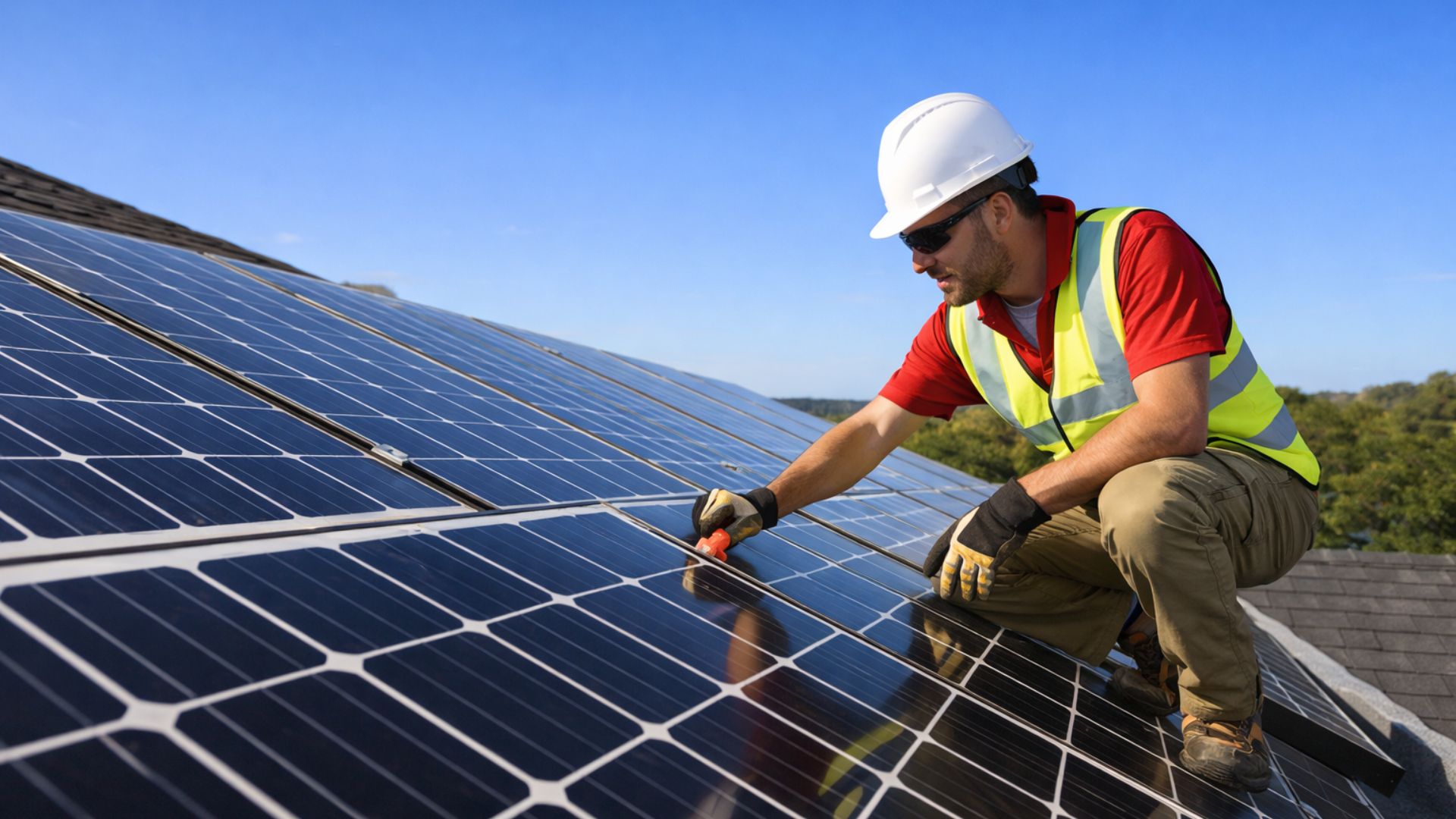
Solar Pyramid draws attention by converting solar energy into million-dollar savings and repositioning the City Hall of Curitiba as an example of innovation, sustainability, and intelligent use of public resources.
-
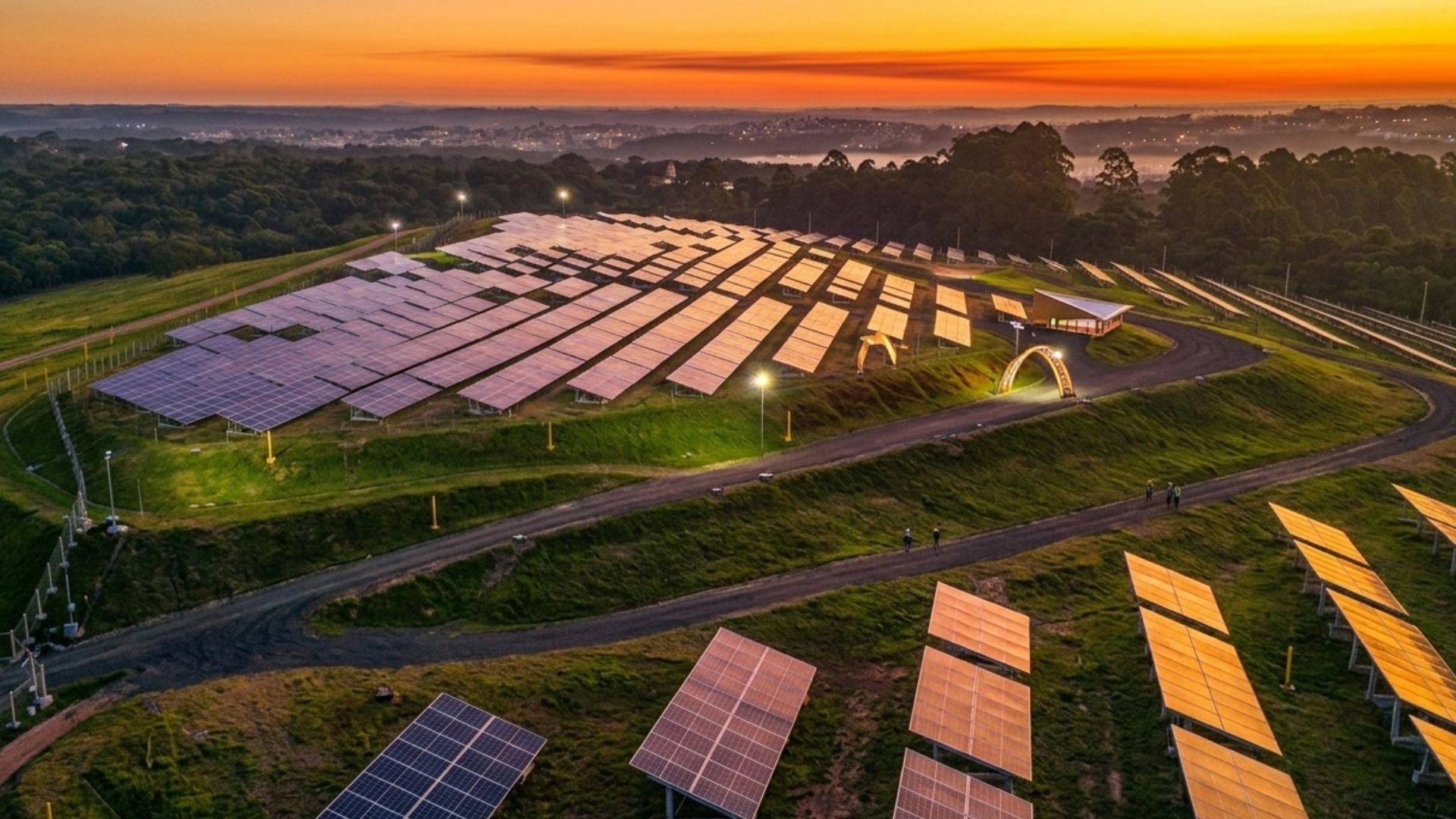
Europe records strong euro economy with solar energy in March and sparks curiosity about which country leads growth that redefines the energy market and reduces costs.
-
Piauí reaches a historic milestone in energy transition: State records nearly 160,000 households powered by solar energy and leads growth in the Northeast.
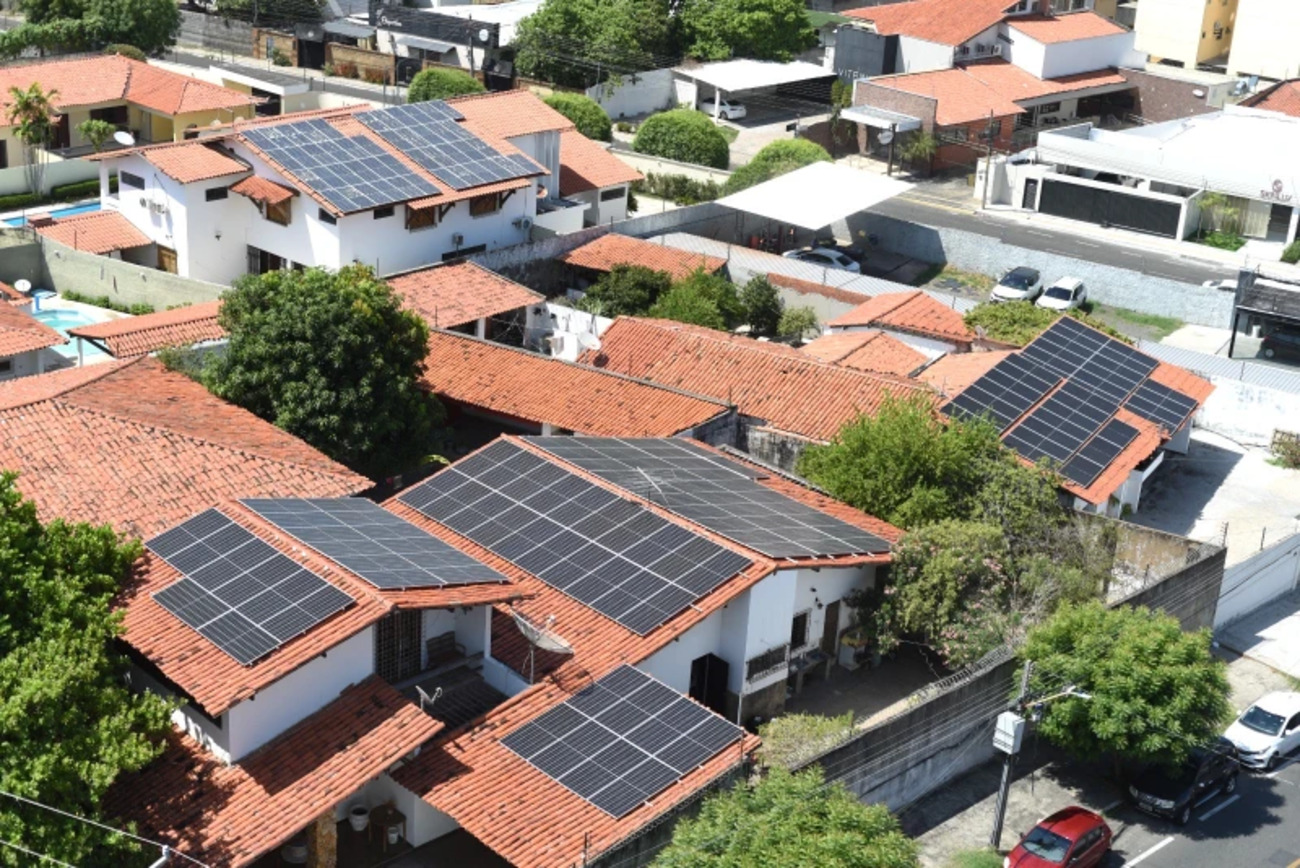


In practice, it opens the way for Aneel (National Electric Energy Agency) to redefine how tariffs are charged for those with installed photovoltaic systems.
According to the new wording, Aneel may create “multipart tariff modalities”, which means that the electricity bill may include new fixed charges or network usage charges even for those who generate a significant portion of their energy.
This happens because, according to the government, consumers with solar panels still use the infrastructure of distributors (such as cables, transformers, and energy compensation networks), but pay proportionally less for it. The objective would be to correct this “asymmetry of costs.”
Understand The Impact: Those Who Generate Their Own Energy May Pay More
The major concern of the solar sector is that, with MP 1.300/2025, consumers may pay additional fees for network usage, reducing the savings that previously reached up to 90% of the electricity bill.
Currently, those who generate solar energy and inject excess back into the grid are entitled to full compensation, deducting the value produced from their electricity bill.
With the new measure, Aneel may authorize part of this compensation to be reduced, charging tariffs on the injected energy, especially the so-called “Wire Fee B”, which covers distribution costs.
According to Canal Solar, specialized portals and associations in the sector point out that the change “may reduce the return on investment by up to 20%” for those who installed panels recently.
On the other hand, the government argues that the measure is necessary to balance the tariff system and prevent the maintenance costs of the network from falling solely on consumers without solar energy.
Solar Sector Reacts And Fears Slowdown In Growth
The approval of the MP generated a strong reaction from entities in the solar sector. The Brazilian Association of Photovoltaic Solar Energy (ABSOLAR) issued a statement claiming that the measure brings “regulatory insecurity” and may discourage new investments.
According to the entity, Brazil became, in 2025, the third country in the world in growth of distributed generation, with more than 3 million installed systems and R$ 180 billion in accumulated investments.
Any changes to the rules, according to the association’s president, Rodolfo Meyer, “puts thousands of jobs and the expansion of clean energy in the country at risk.”
The ABSOLAR argues that solar generation should not be treated as a privilege but as part of the Brazilian energy transition, and that the State should encourage, not burden, those who adopt sustainable solutions.
What Do The Defenders Of The Measure Say
The Ministry of Mines and Energy and Aneel claim that MP 1.300/2025 does not represent a widespread taxation of solar energy, but rather a technical tariff adjustment aimed at correcting distortions.
According to the ministry, the change will not immediately affect contracts already signed until December 2025, preserving the so-called acquired rights of consumers who installed panels before this deadline.
The government maintains that the current compensation model, where those with solar energy pay less — ends up generating cross-subsidies, forcing other consumers to bear part of the cost of maintaining the electricity network.
Understand What May Happen From Now On
MP 1.300/2025 still needs to go through approval in the National Congress to become definitive law. In the meantime, Aneel is expected to open public consultations to define new tariff rules, which means that the real impact — positive or negative — will only be felt from 2026.
If additional tariffs are implemented, the return on investment in solar energy could increase from 4 to up to 7 years, according to projections from the sector. This may discourage new installations and completely change the growth dynamics of clean energy in Brazil.
A Crossroads For The Future Of Solar Energy In The Country
Brazil is at a decisive moment for the future of solar energy. On one hand, the country leads the energy transition in Latin America, with a 40% increase in the number of installed systems in just 2024. On the other, it faces the challenge of maintaining the economic balance of distributors and ensuring tariff fairness for all consumers.
If MP 1.300/2025 is maintained in its current form, the risk is that those who invested to save may end up paying more, and that the confidence of Brazilians in the solar sector may suffer with the fees. But if there is dialogue and technical adjustments, the new measure could represent a regulatory evolution, without hindering the advance of clean energy.
Provisional Measure 1.300/2025 is a turning point. It reveals a Brazil that is still trying to balance sustainability, economy, and energy policy and that now needs to decide whether to encourage or punish those who bet on the sun as a source of the future.








-

Uma pessoa reagiu a isso.