





 Portuguese
  English
  Spanish
  3 min of reading
  0 comments


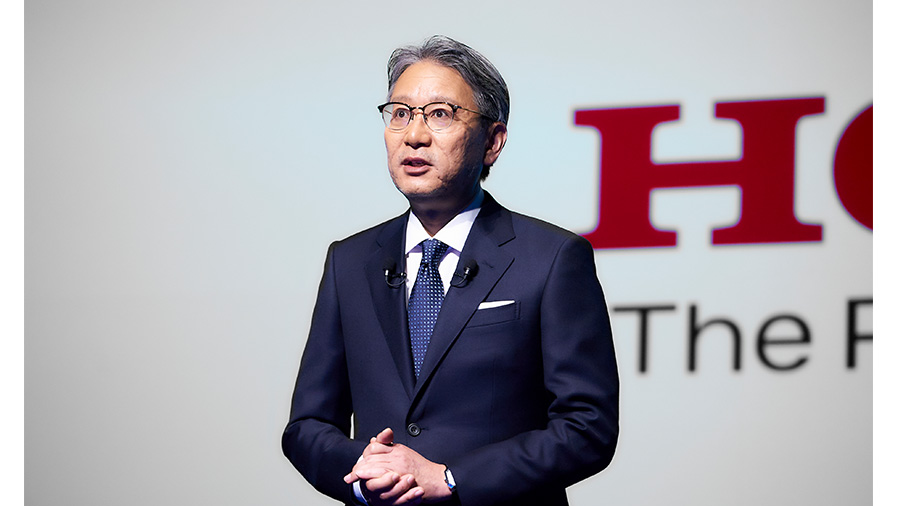
Honda Makes Big Bet On Electric Vehicles With Plans To Launch Bold New Models Soon
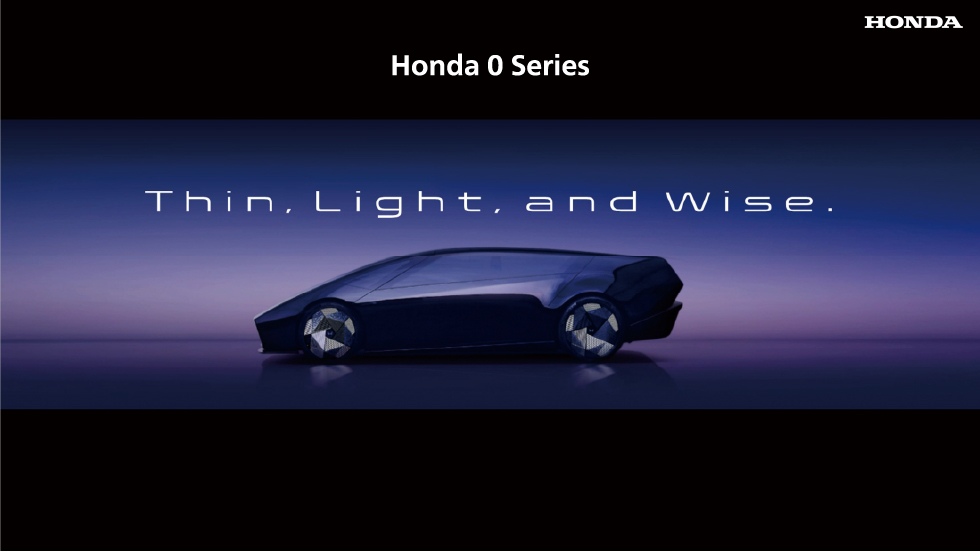
Honda, a giant in the world of internal combustion engines, is repositioning itself in the electric car market with its new Série 0 of zero-emission vehicles, set to be launched starting in 2026.
With a solid track record in hybrid engines, a renewed focus on electrification, a Japanese automaker is looking to establish itself in the increasingly promising electric car segment.
A History of Honda’s Hybridization
Since the inception of its automotive division, Honda has built its brand with robust combustion engines and, more recently, with hybrid technologies that are now celebrating 25 years.
-
The Toyota Hilux is R$ 75.5 thousand cheaper and bets on the 2.8 turbodiesel engine with up to 204 hp and 50.9 kgfm to catch up with the VW Saveiro, which leads with 4,472 sales.
-
The new Renault Koleos has a screen exclusively for the passenger that is invisible to the driver, heated rear seats, and 29 assistance systems, but its Chinese competitors cost R$ 40,000 less and deliver more power.
-
The car stored for 38 years: when opening the barn door, what appears is breathtaking and looks like a scene from a movie!

-
Fiat works miracles in the Brazilian market, lowers the price of its 0 km hatch to R$ 69,990, reestablishes the model as the cheapest car in the country, and reignites the battle against Kwid and C3.

To commemorate this milestone, the company launched a special edition of the Honda Civic, reinforcing its commitment to hybridization. The return of the classic Honda Prelude, now in a hybrid version, is anticipated for early 2026, showing that the transition to electric vehicles will be gradual and strategic.
Challenges and Lessons from the Past
Honda’s relationship with electric vehicles began with the Honda e, a compact urban model launched in 2020, but faced limited uptake, especially in the European market. Currently, Honda only offers the e, a compact SUV with around 414 km of range.
However, this scenario does not discourage the brand, which believes it has the right timing to expand its electric lineup, according to Toshihiro Mibe, Honda’s CEO since 2021.
Mibe revealed in a interview that he does not think Honda is late to the electric car market. He explains that the company has been working on electric vehicle technology for a long time but chose not to expand its electric model offering when the market was not yet profitable and charging infrastructure was insufficient.
“It’s time to invest in our electric vehicle strategy: we have the technology and can compete globally with other manufacturers,” the CEO of Honda stated.
New Electrification Strategy: The Série 0
Starting in 2026, Honda will launch the Série 0, starting with a sedan inspired by the Série 0 Saloon prototype. This vehicle promises a range of over 480 km in initial versions and carries the brand’s well-known sporty touch.
Next, a medium SUV based on the Space Hub concept will be launched, and in 2027, another larger SUV.
These new models not only mark Honda’s definitive entry into the electric market but also showcase an innovation in production: the megacasting technology.
Through this process, which involves creating large interchangeable blocks between different models, Honda aims to improve production, reduce the number of parts, and gain competitiveness.
The Impact of Megacasting
This megacasting technology was popularized by Tesla and is now catching the attention of other major players in the industry, such as Volvo and Toyota.
With the method, Honda aims to increase manufacturing efficiency, cut costs, and strengthen its ability to respond quickly to market demands.
For the end consumer, this innovation could result in more affordable vehicles with simplified maintenance, as the number of parts will be lower.
Focus on the Chinese Market
To achieve global success, Honda is paying special attention to the Chinese market. The brand plans to launch up to 10 electric models dedicated exclusively to China by 2027, selling only electric cars in the country from 2035.
This move demonstrates Honda’s strategy to adapt its offerings to local demands, such as the demand for zero emissions and government incentives for the use of electric vehicles.
Honda is making a big bet on its Série 0 as the key to establishing itself in the electric market. With a combination of experience in hybrid technology, innovation in production methods, and attention to global market specifics, a Japanese brand is positioning itself for the future.
However, the success of this transition still depends on the rapid expansion of charging infrastructure, especially in countries where electrification still faces resistance.
The commitment to electric vehicles is an irreversible trend in the automotive industry, and Honda, which has historically acted cautiously, is now accelerating its pace to secure a prominent place in this new landscape.










Seja o primeiro a reagir!