





 English
  Francês
  Alemão
  Italiano
  Japonês
  Norueguês
  Portuguese
  Spanish
  3 min of reading


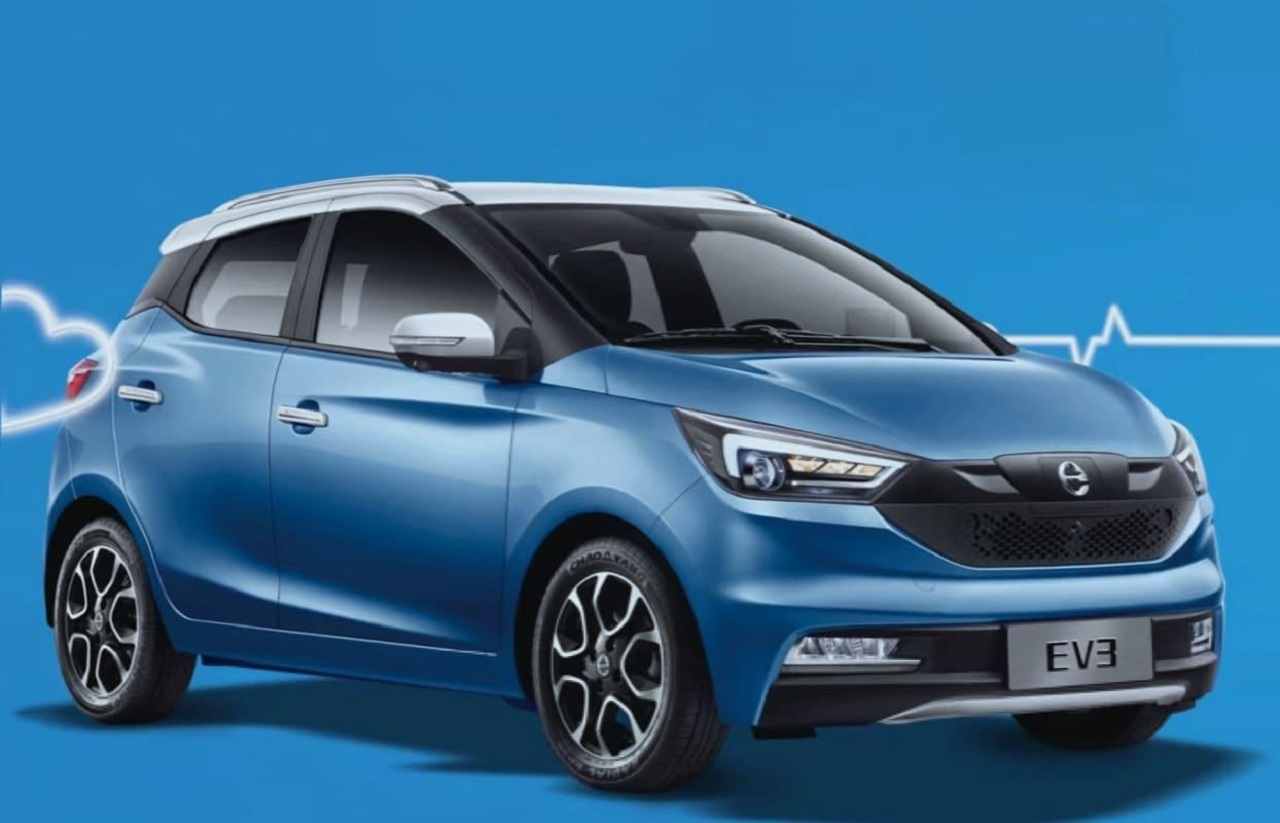
Chery Will Be The First To Use New Sodium-Ion Battery Technology Developed By CATL. The New Battery For Electric Cars Promises To Revolutionize The Automotive Market.
Chery, a Chinese manufacturer of vehicles, will be the first automaker to use sodium-ion batteries from CATL, the global leader in electric car batteries. The new technology promises to reduce the cost of electric models, as the battery is the most expensive item in the production of this type of vehicle.
Sodium-Ion Batteries Can Be Charged In Just 15 Minutes
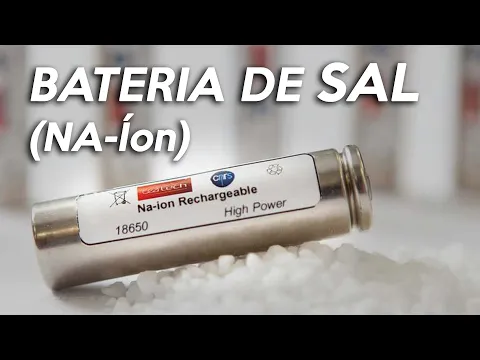

The sodium-ion batteries that will be used by Chery were launched by the Chinese company CATL in July 2021, providing a range of up to 400 km for an electric car. The company has already begun designing the industrialization of sodium-ion batteries and plans to establish a basic industrial chain later this year.
The sodium-ion batteries from the company use solid electrolytes instead of liquids, reducing the risk of leaks, explosions, or overheating. The first generation of sodium-ion batteries can be charged in 15 minutes up to 80% capacity in normal temperatures. In low temperatures, this number can exceed 90%.
-
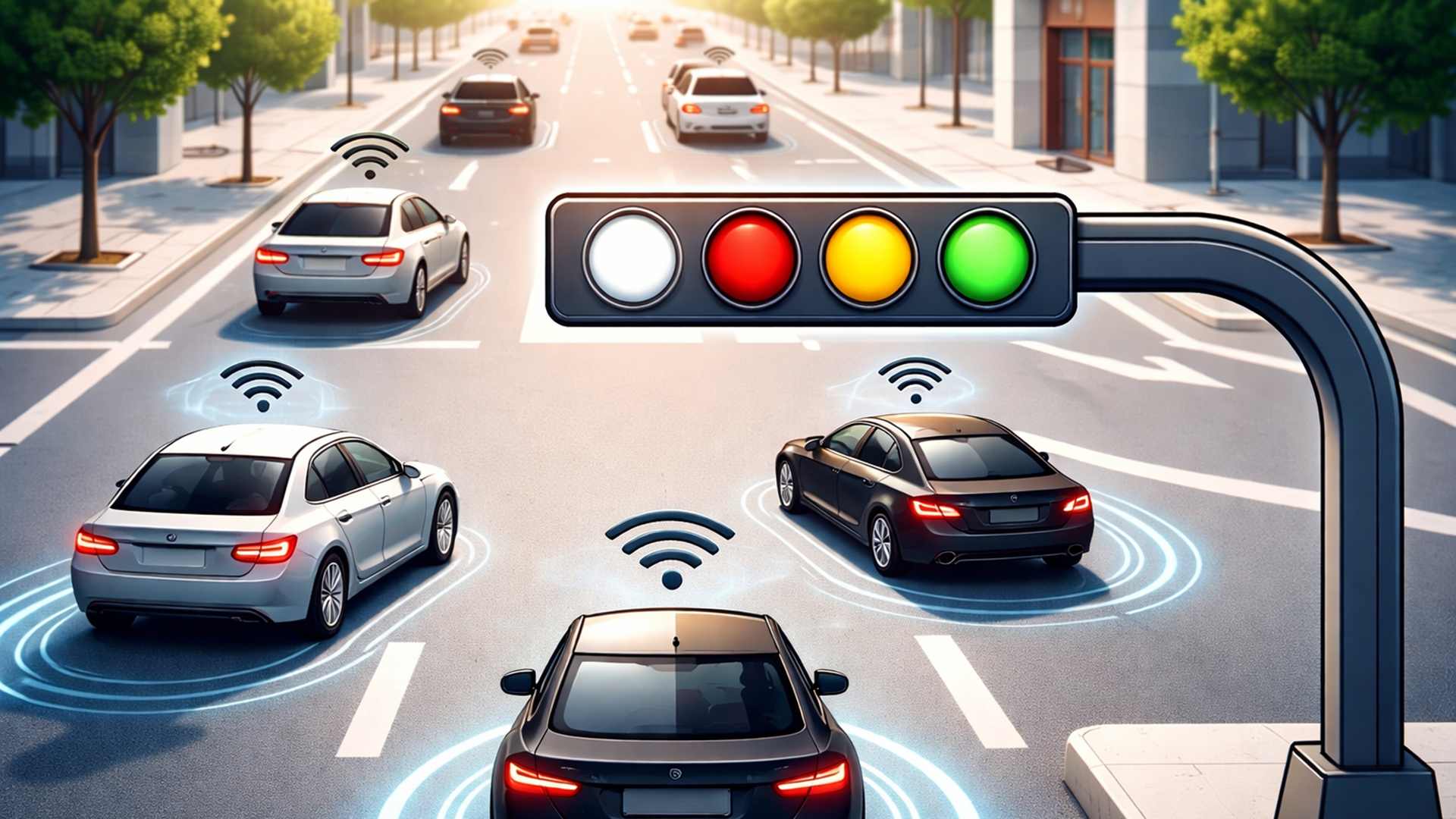
Engineers propose a fourth traffic light for intersections – the change promises to affect crossings, queues, and waiting times.
-
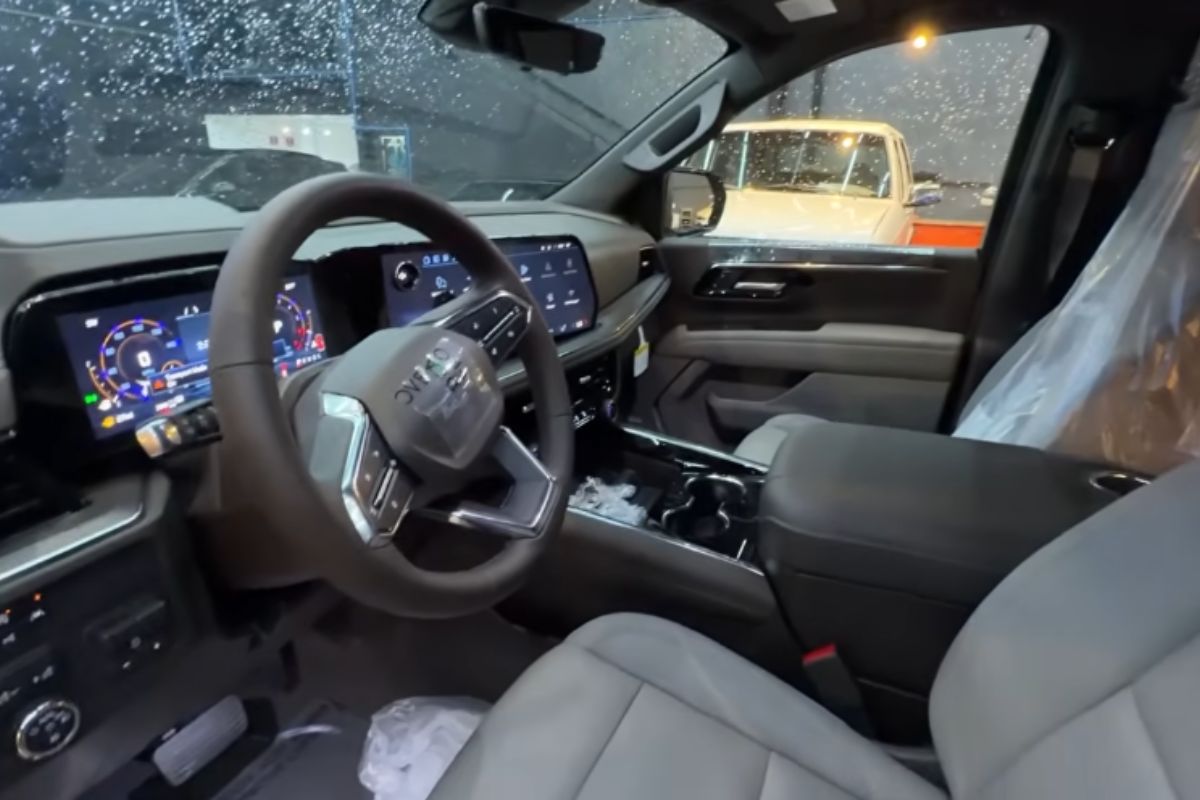
Chevrolet Suburban Z71 lands in Brazil with a V8 engine, off-road design, air suspension, seven seats, and colossal size, a rare version imported for around R$ 1.3 million with luxury and exclusivity.
-
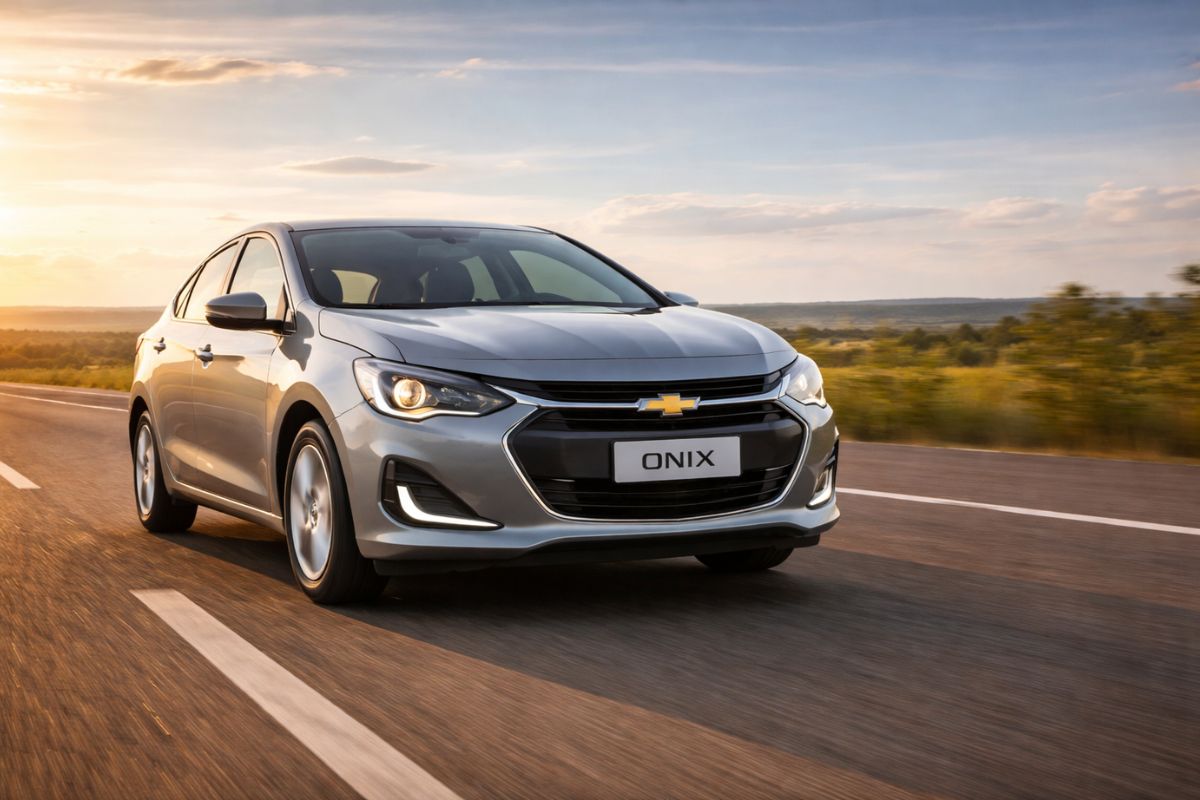
The Chevrolet Onix 1.0 turbo achieves 17.7 km per liter on the highway and ranks among the three most economical cars in Brazil in 2026, alongside two more expensive Toyota hybrids available at dealerships.
-
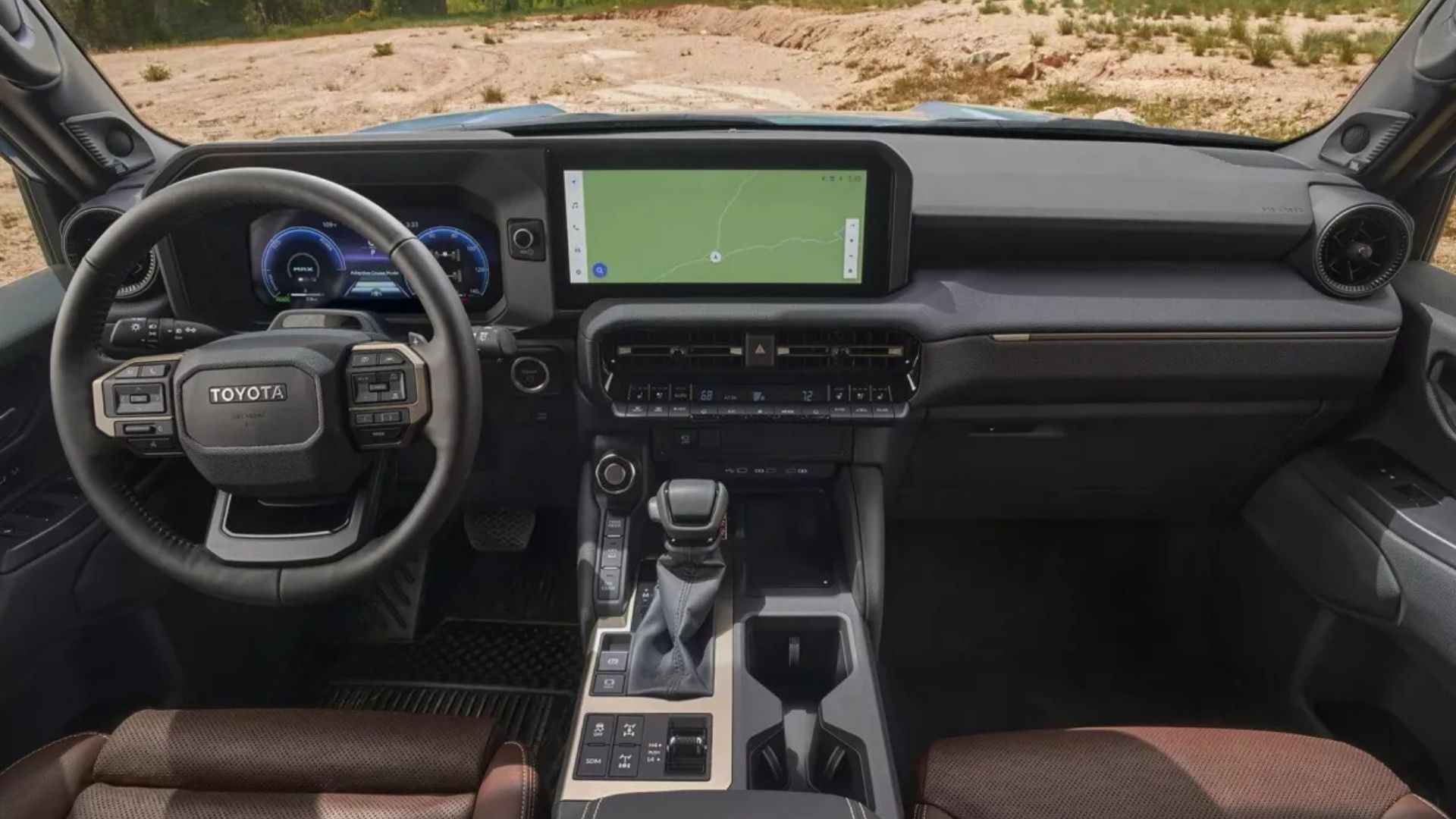
Little sister of the Hilux: Toyota launches Land Cruiser FJ with 4 radical versions, 2.7 engine with 166 hp and 4×4 traction with locking.

One of the benefits of this type of component, which will be used by Chery, is that they can use cheaper and more abundant cathode materials than those used in lithium-ion batteries, which require more expensive materials like cobalt. Sodium is much more abundant in the earth, meaning there may be fewer supply restrictions for raw materials used in battery production.
Other Automakers Are Investing In Similar Projects
For now, the sodium-based technology has a lower charge efficiency, although the energy density of 160 Wh/Kg is not as high as the batteries of current electric cars, which exceed 250 Wh/Kg in the case of Tesla models.
The sodium-ion battery is still under development, and the Chinese company plans to improve this number. Sodium-ion batteries from CATL are initially expected to be used in two-wheeled models; however, the technology will also be created for electric cars, mainly because this type of technology has a lower cost for automakers.
Besides Chery, JAC is also investing in a similar prototype, manufactured by Hina Battery, which has a capacity of 25 Wkh, 120 Wh/kg energy density, and a range of 252 km on a single charge. Renault is also investing in sodium-ion batteries through its Chinese subsidiary Jiangling Motors Electric Vehicle (JMEV).
Scientists Find Methods For Lithium Extraction From The Sea
Although new ways to manufacture batteries for electric cars are emerging, lithium is still very important for this market. In February of this year, a group of researchers developed a method for extracting lithium from ocean water.
Lithium is crucial for producing rechargeable batteries that power everything from smartphones to electric cars. However, the current mining rate of this material will not be sufficient to meet future demand, threatening to deplete known land supplies by 2080.
Thus, extracting lithium from seawater may be the sustainable and accessible way to provide this mineral for the electric vehicle battery industry. A team from King Abdullah University of Science and Technology in Saudi Arabia found a way to address the lithium mining issue by extracting the mineral from ocean water.








Seja o primeiro a reagir!